

Changes to how Denver appoints law enforcement watchdog will go to voters

A pair of bills outlining a handful of city charter and code changes related to the Office of the Independent Monitor were given final approval by the City Council on Monday night.
Currently, a search committee is in the middle of finding candidates for the head of Denver’s law enforcement watchdog office, and the mayor has the authority to appoint them from among the candidates.
But Denver voters could change that in November, thanks to the approval of the two bills.
Among the series of changes, one bill gives appointment power of the monitor to Denver’s Citizen Oversight Board, which has day-to-day oversight and performance evaluation responsibilities for the monitor. The changes will go to a public vote on Nov. 2.
The Office of the Independent Monitor supervises discipline investigations of the Denver police and sheriff’s departments. The office can also make policy recommendations.
Last fall, the office released a high-profile report on the police department’s handling of the early days of Denver’s racial-justice protests last spring and summer.
Jamie Torres, who represents District 3, sponsored the bills. She has said the monitor’s office needs to exist in the city’s charter outside of any elected section, such as the City Council or the executive branch, to make it truly independent.
At Monday’s meeting, Torres thanked advocates, community organizations, her colleagues on the City Council and former council members “who have been working for many years to continue to strengthen the Office of the Independent Monitor.”
Currently, the mayor appoints a monitor – subject to the City Council’s approval – from among nominees chosen by a search committee headed by the chair of the Citizen Oversight Board.
Torres and at-large Councilmember Robin Kniech have made clear the monitor’s office is not “broken,” but having a body that is different than the person who appoints the city’s heads of law enforcement appoint their watchdog is crucial for public trust.
Under the new structure, the City Council would still have confirmation power for the chosen monitor candidate.
In a statement last week to The Denver Gazette, a spokesperson for Mayor Michael Hancock’s office said, “Mayor Hancock is not generally opposed to the proposal at this time.”
The bills would also allow the monitor to hire their own independent counsel instead of having to use the City Attorney’s Office, and make employees of the Office of the Independent Monitor employed under Career Service rather than employed at will.
Career Service employees get certain process guarantees for human resource matters such as hiring, firing, disciplinary and grievance issues.
Torres previously told The Denver Gazette that classifying employees of the monitor’s office as Career Service employees is important to insulate them from retaliation when they make controversial findings or express unpopular opinions.
City code changes outlined in one of the bills would require the Citizen Oversight Board to identify the monitor search committee within 60 days of the position becoming vacant. They also would increase the number of members on the committee from five to seven.
The Office of the Independent Monitor has not had a permanent head since January, when Nick Mitchell stepped down. An interim monitor has filled in since then.



Colorado Reps. Hurd and Neguse join forces to modernize federal snow-forecasting program
Marianne Goodland
marianne.goodland@coloradopolitics.com
Updated 5 hours ago
A federal snow-forecasting program, to be updated under a bill from Republican U.S. Rep. Jeff Hurd, won approval in the House on Wednesday. HR 3857, which amends the Snowpack Water Supply Forecasting Reauthorization Act, is Hurd’s second bill to pass...
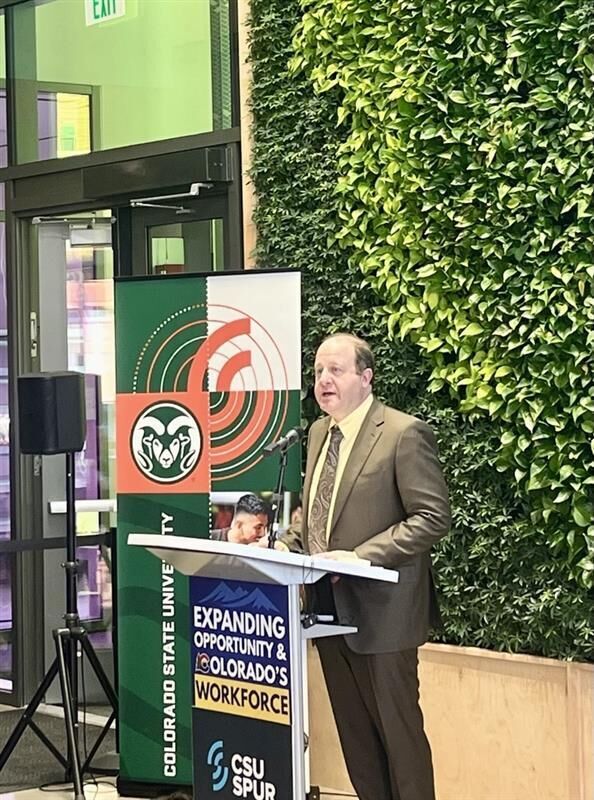
Colorado aims to close talent gap with new workforce development agency, initiatives
Marissa Ventrelli
marissa.ventrelli@coloradopolitics.com
Updated 5 hours ago
Colorado’s education leaders and legislators are planning changes to the state’s workforce development programs – including the creation of a new state agency – to help more students earn college degrees, certifications and apprenticeships. Gov. Jared Polis, House Speaker Julie...

Colorado legislators review wolf program as funding challenges persist
Marianne Goodland
marianne.goodland@coloradopolitics.com
Updated 4 hours ago
Wolves took center stage during a Tuesday review by Colorado legislators of the budget proposal from the Department of Natural Resources, which includes the division that manages the reintroduction program. The Joint Budget Committee reviewed the budget proposal for 2026-27...

Palmer Lake to discuss Buc-ee’s, recall elections Thursday
Savannah Eller
savannah-eller@coloradopolitics.com
Updated 5 hours ago
The newly-whole Palmer Lake Board of Trustees will have an opportunity Thursday to discuss the setting for two issues going to town voters in the new year. The first is when and how to field a ballot question on the...
Colorado Parks and Wildlife Commissioner Murphy Robinson resigns
Marianne Goodland
marianne.goodland@coloradopolitics.com
Updated 1 day ago
Murphy Robinson, who has served on the Colorado Parks and Wildlife Commission for just over a year, announced his resignation on Wednesday. In a statement, Gov. Jared Polis thanked Robinson, saying he is “incredibly grateful for Murphy’s service to the...

DOJ launches investigation into Colorado prison, youth facility conditions
Cleo Westin
cleo-westin@coloradopolitics.com
Updated 12 hours ago
The U.S. Department of Justice has opened an investigation into possible constitutional violations of Colorado prisoners through inadequate treatment and transgender housing policy, according to federal authorities. The department’s letter of notice to Gov. Jared Polis on Monday identified housing...

Colorado Supreme Court’s opinion output drops by two-thirds amid justice’s absence
Michael Karlik
michael.karlik@coloradopolitics.com
Updated 1 day ago
The Colorado Supreme Court has released significantly fewer new opinions in recent months compared to the previous two years, even as the judicial branch insisted that a member’s open-ended absence is not causing delays. Justice Melissa Hart has been on...
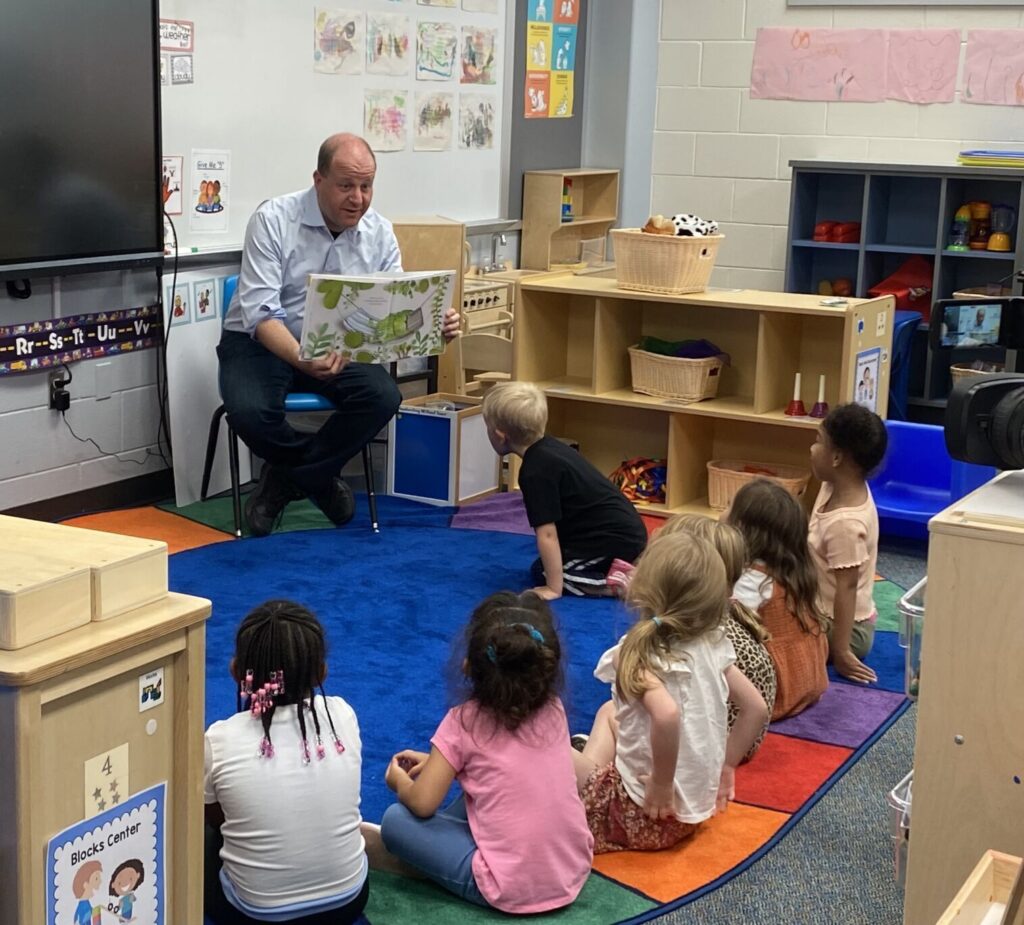
Colorado’s universal preschool enrollment begins for upcoming school year
Marissa Ventrelli
marissa.ventrelli@coloradopolitics.com
Updated 1 day ago
Enrollment is now open for Colorado’s universal preschool program, which provides up to 15 hours of free education for four-year-old children across the state. The $344 million program has served nearly 90,000 children since its creation in 2023, the Governor’s...

Divided 10th Circuit rules bank customer must arbitrate discrimination-related claims
Michael Karlik
michael.karlik@coloradopolitics.com
Updated 1 day ago
The Denver-based federal appeals court ruled on Monday that a mandatory arbitration clause in the fine print of a customer’s bank account agreement prohibited her from pursuing claims of racial discrimination in court. Jeanetta Vaughn filed suit against JPMorgan Chase...

Colorado’s federal trial court denies admission to lawyer owing tens of thousands in dues, penalties
Michael Karlik
michael.karlik@coloradopolitics.com
Updated 4 hours ago
Colorado’s U.S. District Court declined last month to allow an attorney to practice before the court due to his failure to pay enrollment fees and penalties to another state’s bar association for years. The federal trial court requires attorneys to...
PREV
PREVIOUS

Congressional delegation aiding Colorado veteran's effort to save Afghan interpreter
A bipartisan trio from Colorado’s congressional delegation is working with Broomfield Army veteran Scott Henkel to save an interpreter he worked with while deployed in Afghanistan. CBS4 reported Hinkel is being aided in his efforts to evacuate the interpreter from Kabul in the wake of the Taliban takeover of the country by Reps. Joe Neguse, […]

Jefferson County Public Health requires masks for all K-12 students, in reversal of district policy
All students and staff in Jefferson County schools will be required to wear masks beginning Tuesday, the county’s public health agency announced late Monday, overriding a more limited policy instituted by the public school district there. Jefferson County Public Schools announced in late July that students between the ages of 3 and 11, who are […]