

Colorado surpasses 7,000 COVID-19 deaths

Colorado surpassed 7,000 COVID-19 deaths Tuesday, according to federal data published by the state.
Seven thousand and nine Coloradans have died because of COVID-19, according to Centers for Disease Control and Prevention figures that are updated each afternoon by the state. In a statement, Gov. Jared Polis’s spokesman called the deaths “heartbreaking.”
“We now have a simple tool to stop the loss, a safe and highly effective vaccine,” Cahill said. “Every loss of life due to this deadly virus is heartbreaking. Coloradans have lost loved ones, friends, and neighbors, and now that we have a weapon against COVID much of the loss is unnecessary.”
That sentiment was echoed by Jessica Bralish, spokeswoman for the state Department of Public Health and Environment.
“We are truly saddened by every person lost to this horrific virus. We give our sincerest condolences to their loved ones and mourn alongside them,” she said in an email. “Throughout the pandemic, as public health practitioners, our goal has always been to minimize devastating health impacts and deaths.”
The rate of mortality has fallen significantly since a fall surge and since vaccines were administered to Colorado’s most vulnerable residents. The death toll is also well below worst-case scenarios modeled by state health experts.
The state Department of Public Health and Environment compiles weekly death tolls. The most up-to-date such figure is for the week ending June 26, during which the state recorded 26 COVID-19 deaths. That’s the second-lowest toll since mid-October.
Still, there have been flare ups. In late April and early May, Colorado slipped into a fourth pandemic wave that would lead to 93 people dying during the second week of May. That was the most since Feb. 13, when the state’s COVID-19 metrics were falling consistently after the fall surge. Roughly 600 Coloradans have died since the vaccine became eligible for distribution in early April.
In the fall, the state surpassed 400 weekly deaths for three successive weeks, and it topped 200 deaths for nine consecutive weeks.
The demographics of the deaths is now closer to the state’s actual racial makeup, according to state and federal data. White Coloradans, for instance, make up about 68% of the state’s population, per the U.S. Census Bureau, and they account for 66% of the state’s deaths. Latino residents compose 23% of the population and make up 25% of the state’s COVID-19 deaths.
As has been the case since the beginning, Colorado’s oldest residents make up the majority of deaths over the past 15 months. Of the just over 7,000 deaths, more than 80% are in residents 65 and older, according to state data.
The death toll that can be directly attributed to COVID-19 does not account for the true mortality brought about by the pandemic, experts have said. There were far more overdose deaths in 2020 than in previous years, for instance, a trend that experts attribute to the rise of fentanyl and the increased isolation of the pandemic. Alzheimer’s patients also died at a faster rate than they had before, which experts have also attributed to the conditions of the pandemic.
Despite Tuesday’s grim milestone, Colorado’s overall COVID-19 situation has improved markedly over the past few months, even accounting for the fourth wave of last month. For the seven days ending Monday, the state averaged 315 new cases each day, the lowest mark since September.
Hospitalizations have fallen from 713 confirmed and suspected COVID-19 patients on May 8 to 306 as of Tuesday. There was a 14% increase in admissions last week, the first time admissions had grown since the first week of May. But discharges have kept pace, keeping hospitalizations are a low plateau: Discharges rose 22% last week.



Colorado justices agree to review insurance question that has divided federal judges
Michael Karlik
michael.karlik@coloradopolitics.com
Updated 15 hours ago
The Colorado Supreme Court granted a federal judge’s request on Friday to address an issue that has produced conflicting answers in policyholders’ lawsuits against insurance companies over unpaid benefits. “Parties (and judges) regularly spend undue time and money fighting in...
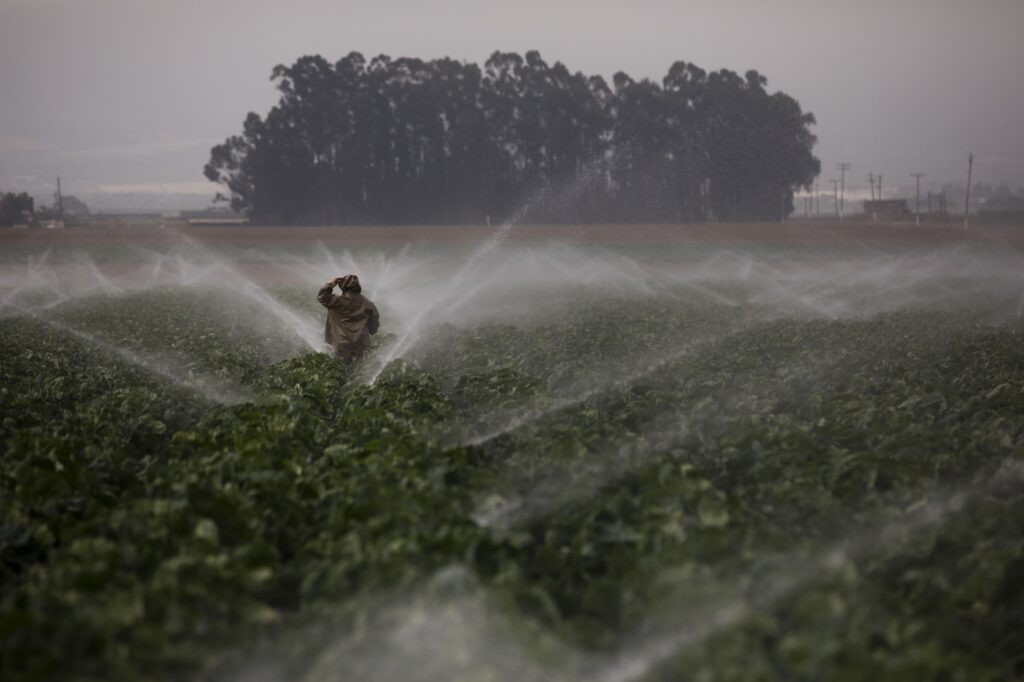
Farmworker overtime bill advances after lengthy debate in Colorado Senate
Marianne Goodland
marianne.goodland@coloradopolitics.com
Updated 16 hours ago
The Colorado Senate on Tuesday narrowly advanced a bill to raise the overtime threshold for agricultural workers, defeating more than a dozen amendments from its leading opponent aimed at rewriting the measure. As introduced, Senate Bill 121 would raise the threshold for...

Colorado Agriculture Day: A feast for the ears, eyes and stomachs
Marianne Goodland
marianne.goodland@coloradopolitics.com
Updated 15 hours ago
Gov. Jared Polis, legislators and friends of agriculture gathered at the state Capitol on Tuesday to celebrate Colorado Agriculture Day. The annual recognition of the contributions of Colorado farmers, ranchers and agribusiness drew hundreds to the Capitol’s west foyer, where...

Pueblo man held in Afghanistan for more than a year released, Taliban says
The Associated Press
the-associated-press@coloradopolitics.com
Updated 14 hours ago
KABUL, Afghanistan — Afghanistan’s Taliban authorities on Tuesday released American academic Dennis Coyle after holding him for over a year, with the foreign ministry saying the release came on the occasion of Eid al-Fitr, the Muslim holiday that marks the end of the...
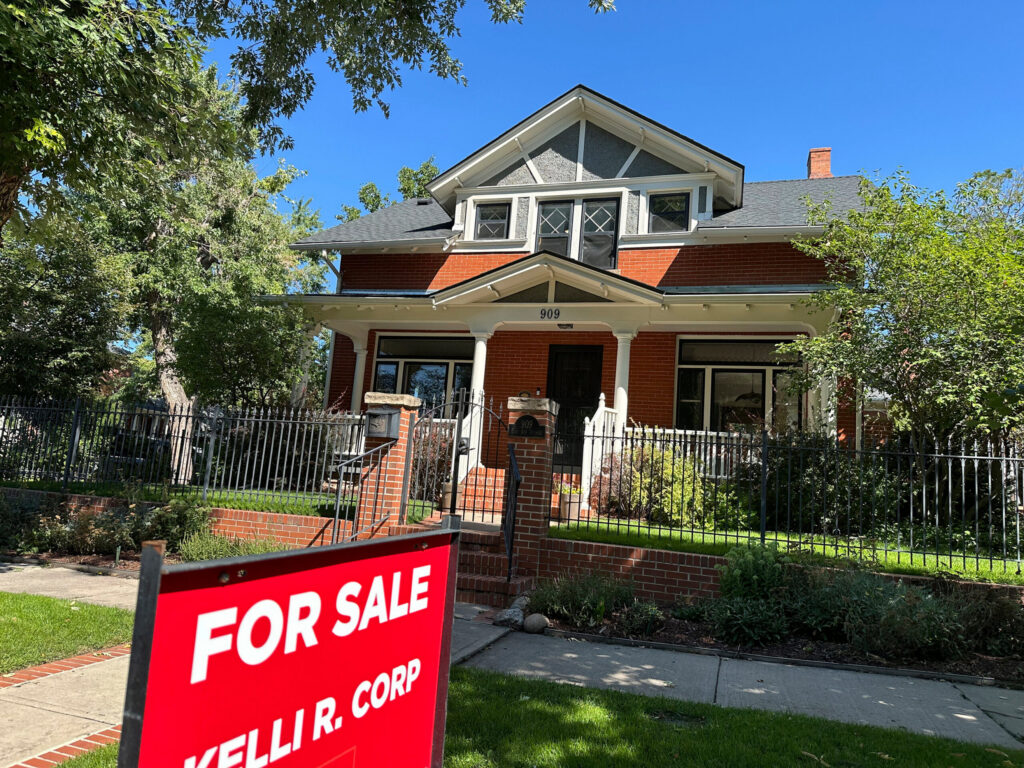
Mortgage rates rise in defiance of Trump’s $200 billion push, hurting GOP on affordability
Zach Halaschak, Washington Examiner
zach.halaschak.washington.examiner@gazetteedit.wpenginepowered.com
Updated 18 hours ago
After months of a gradual decline, mortgage rates are trending back up because of the war with Iran, defying President Donald Trump’s efforts to lower them and undercutting Republicans on the key issue of affordability. As of Monday, the average rate on a 30-year...
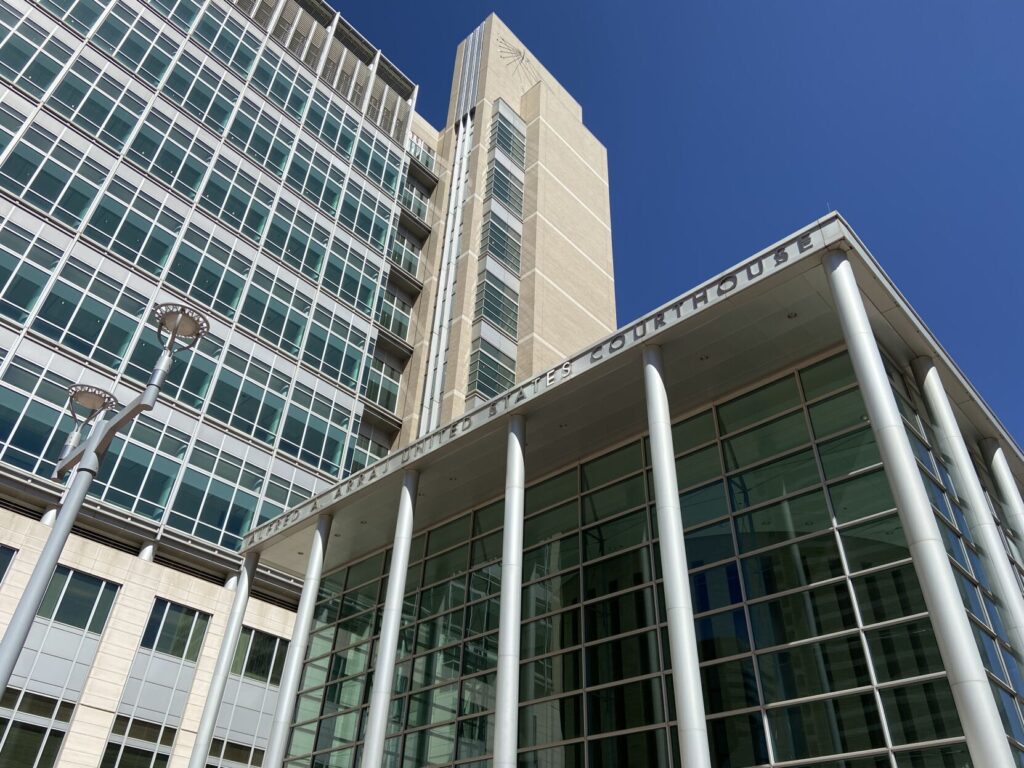
Federal judge dismisses background screeners’ challenge to Colorado law
Michael Karlik
michael.karlik@coloradopolitics.com
Updated 19 hours ago
A federal judge dismissed a challenge on Friday to a portion of Colorado law that prohibits certain information from being included in consumer reports, in what seemed to be a conflict with federal law. Congress originally enacted the Fair Credit...
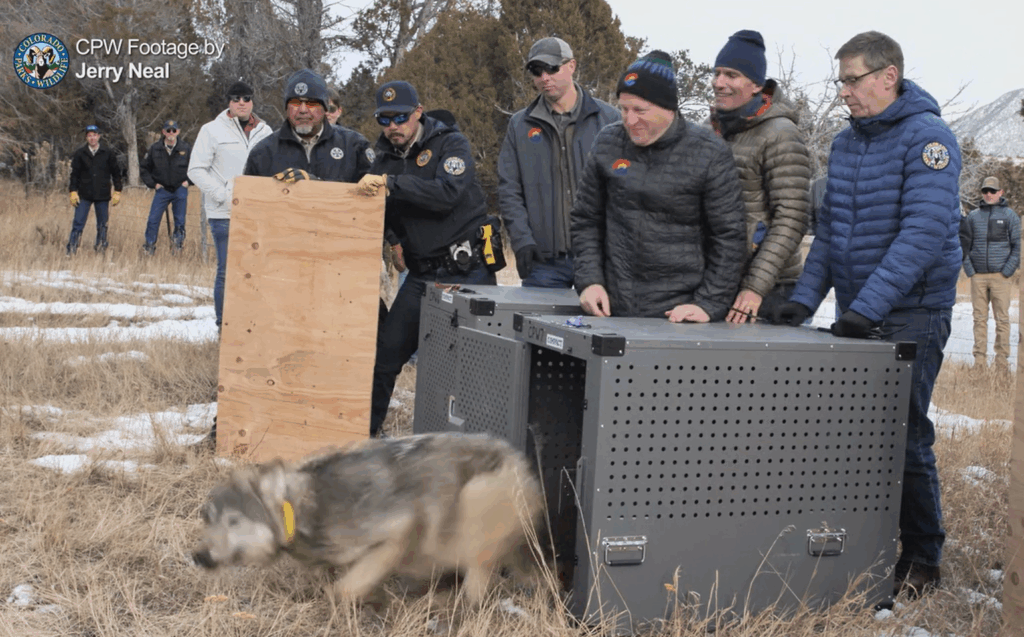
Wildlife agency asks for $450,000 to bring more wolves to Colorado
Marianne Goodland
marianne.goodland@coloradopolitics.com
Updated 12 hours ago
The panel of legislators charged with crafting the budget on Monday rejected a proposal that proponents said would increase transparency around how much Colorado Parks and Wildlife spends to bring additional wolves into the state. At the same time, the...
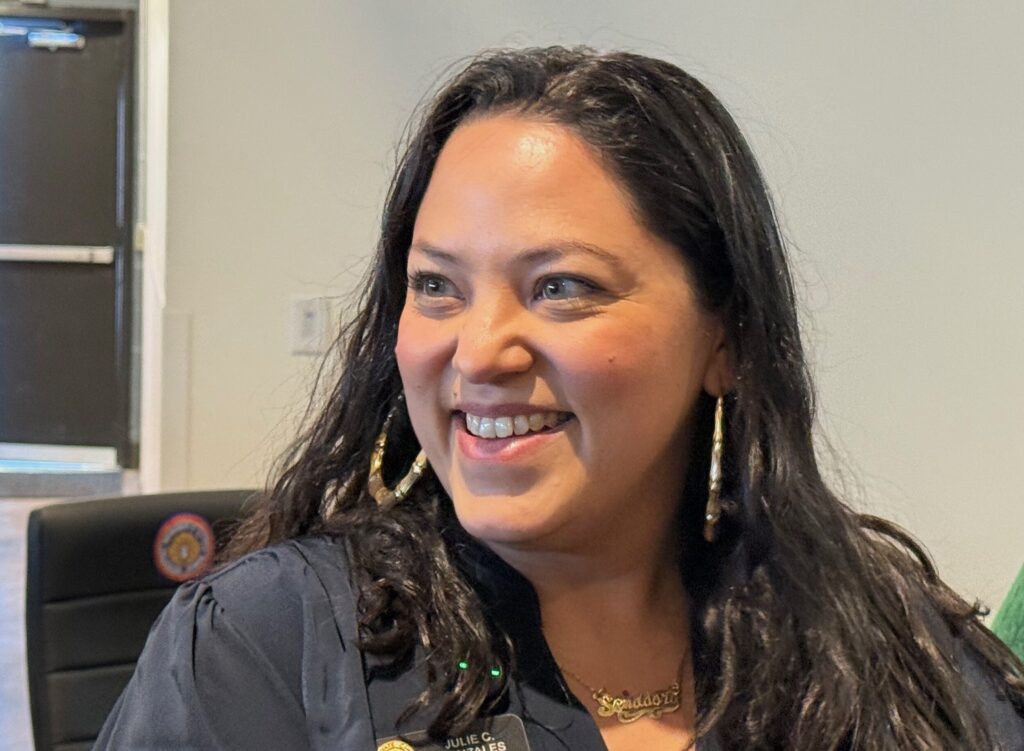
Hickenlooper primary challenger Julie Gonzales endorsed by national progressive group Indivisible
Ernest Luning
ernest.luning@coloradopolitics.com
Updated 13 hours ago
State Sen. Julie Gonzales’ bid to challenge U.S. Sen. John Hickenlooper in Colorado’s Democratic primary got a boost Tuesday from Indivisible when the national arm of the progressive grassroots group endorsed the Denver lawmaker. The national group’s endorsement comes less...

10th Circuit rejects ‘penalty’ for children of naturalized citizens seeking visas
Michael Karlik
michael.karlik@coloradopolitics.com
Updated 13 hours ago
The Denver-based federal appeals court joined three of its peers earlier this month and determined the child of a newly naturalized U.S. citizen is not moved to a longer visa line as a result of his parent gaining citizenship, and...
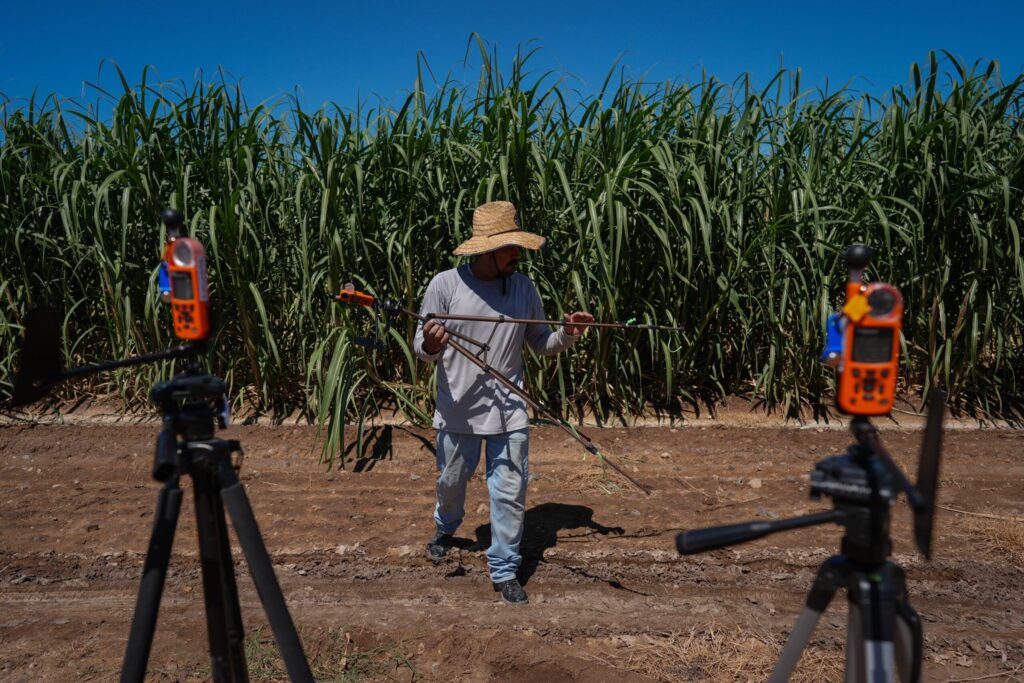
Colorado lawmakers mull renaming César Chávez Day to Farm Workers Day
Marianne Goodland
marianne.goodland@coloradopolitics.com
Updated 22 hours ago
A Colorado House committee has voted to rename the March 31 state holiday from César Chávez Day to Farm Workers Day, following a national shift prompted by sexual abuse allegations against the labor leader. The State, Civic, Veterans, and Military...
PREV
PREVIOUS

City Council to vote on rezoning Denver’s Sloan’s Lake neighborhood for ‘granny flats’
The Denver City Council land use committee approved a plan Tuesday to rezone the Sloan’s Lake neighborhood and part of West Colfax to allow for accessory dwelling units, colloquially called “granny flats.” The committee approved the plan unanimously, passing it forward to the full council for a final vote and public hearing. The public hearing […]

Red light, white light: Colorado justices to examine busted tail lights
The state’s highest court has agreed to consider an issue low to the ground: whether a vehicle’s tail light has to be red and only red, or if it can emit white light, too. The Supreme Court will now hear the case of Timothy Robert McBride, who was pulled over after he failed to use […]