

Community feedback on COVID relief spending prioritizes housing, workforce, transportation

After weeks of community outreach, the Denver Department of Finance released its results Thursday on how the public wants to spend over $700 million in COVID-19 relief funds that will be invested in Denver over the next decade.
Through a series of telephone town hall meetings and the launch of a survey and discussion website, the department determined the community wants to invest in housing, workforce and transportation.
“It is crucial for us to have residents at the table when we’re deciding how we should prioritize investments and specific resources that are going to make the most impact for people that were hit the hardest during the pandemic,” said Kiki Turner with the Denver Department of Finance.
Around 6,200 people participated in the community outreach online or over the phone, including 2,300 people who submitted 9,800 survey responses, ranking the importance of investing possibilities in three categories: community, business and infrastructure.
Community
Regarding community support, 40% of respondents chose housing and support for homeless residents as their top priority. That was followed by mental health with 17% and transportation with 12%.
City Council to vote on spending 30% of federal relief funds on service restoration
Increasing Denver’s affordable housing stock was rated as the most helpful solution, chosen by 47% of respondents. Creating a wider variety of housing options in neighborhoods was chosen as most helpful by 29% of respondents.
When discussing community support, the need for affordability was a common theme, with other survey questions revealing respondents’ desires for free or affordable childcare, mental health services, health insurance and internet access.
Business
In the business category, 29% of respondents chose workforce/jobseeker support as the most important, followed by local business support and neighborhood support, each with 23%.
Respondents listed lack of jobs in their field (25%), low pay (18%) and no access to child/elder care (17%) as their biggest barriers to employment. For business owners, cost of locations (32%), lack of workers (20%) and employee and customer health (19%) were the top barriers.
To address workforce issues, top solutions rated by respondents included providing residents with training for new career paths, expanding grants for small businesses, providing more housing support and making licensing and permitting processes easier.
Denver extends COVID-19 disaster declaration into July
Infrastructure
For infrastructure, respondents prioritized building safe and accessible streets, bike lanes and transportation systems the most with 32% of votes. That was followed by improving community and cultural buildings with 25% and improving spaces for homeless residents with 21%.
To choose infrastructure projects, 46% of respondents said the city should pick projects that offer the most job opportunities. Opportunities for small, minority- and women-owned businesses was most important to 26% of respondents and 17% prioritized projects that provide increased access to technology.
A whopping 90% of respondents said infrastructure projects should focus on fixing or improving things that already exist instead of building something new. However, respondents were split on whether projects should focus on neighborhood improvements (53%) or regional improvements (47%).
The city’s stimulus investment advisory committee will now work to review this community feedback to create an investment strategy for the relief funds.
“There’s a lot going on simultaneously,” said Chief Financial Officer Brendan Hanlon. “What the funds are eligible to be used for, the agency ideas we’ve leveraged, the historical ideas we’ve leveraged from 2020, council priorities, community priorities – and trying to bring them all together.”
Community town halls end this week discussing how to spend $700 million in COVID recovery funds
Denver’s estimated $700 million in COVID-19 relief funding is expected to come from the federal government and local tax revenues.
City officials are planning to propose a $400-million general obligation bond program that Denver voters would see on the ballot in November. If passed by voters, those funds would be available through 2031.
Denver is also receiving $308 million of federal funding from the American Rescue Plan. Half of the money will be given to the city this month and the other half will be distributed in approximately one year. All of the funding must be spent by the end of 2024.
In the coming weeks, the Denver City Council is set to vote on a plan that would allocate 30% of the $308 million to the restoration and supplementation of city services cut during the COVID-19 pandemic. This plan will need to be approved by the full council before implementation.
COVID-19 relief funds can be used for public health expenditures, addressing negative economic impacts from the pandemic, replacing lost public sector revenue, paying essential workers and investing in water, sewer and broadband infrastructure.



Colorado Reps. Hurd and Neguse join forces to modernize federal snow-forecasting program
Marianne Goodland
marianne.goodland@coloradopolitics.com
Updated 5 hours ago
A federal snow-forecasting program, to be updated under a bill from Republican U.S. Rep. Jeff Hurd, won approval in the House on Wednesday. HR 3857, which amends the Snowpack Water Supply Forecasting Reauthorization Act, is Hurd’s second bill to pass...
Colorado aims to close talent gap with new workforce development agency, initiatives
Marissa Ventrelli
marissa.ventrelli@coloradopolitics.com
Updated 5 hours ago
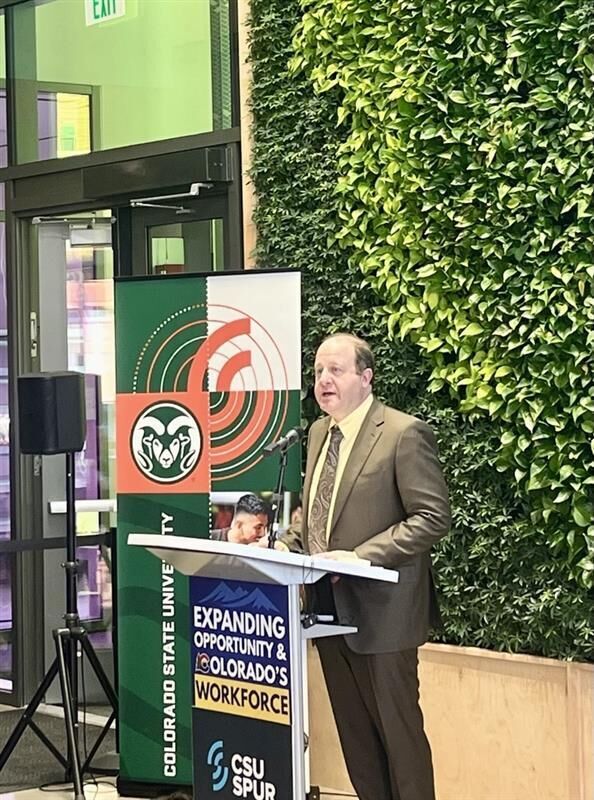
Colorado’s education leaders and legislators are planning changes to the state’s workforce development programs – including the creation of a new state agency – to help more students earn college degrees, certifications and apprenticeships. Gov. Jared Polis, House Speaker Julie...
Colorado legislators review wolf program as funding challenges persist
Marianne Goodland
marianne.goodland@coloradopolitics.com
Updated 4 hours ago
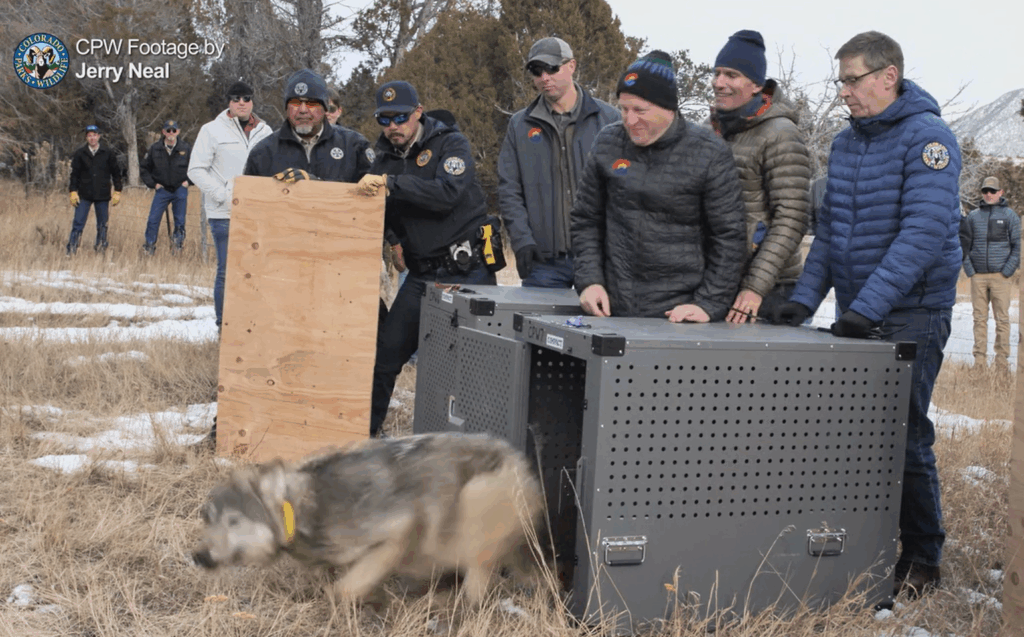
Wolves took center stage during a Tuesday review by Colorado legislators of the budget proposal from the Department of Natural Resources, which includes the division that manages the reintroduction program. The Joint Budget Committee reviewed the budget proposal for 2026-27...
Palmer Lake to discuss Buc-ee’s, recall elections Thursday
Savannah Eller
savannah-eller@coloradopolitics.com
Updated 5 hours ago
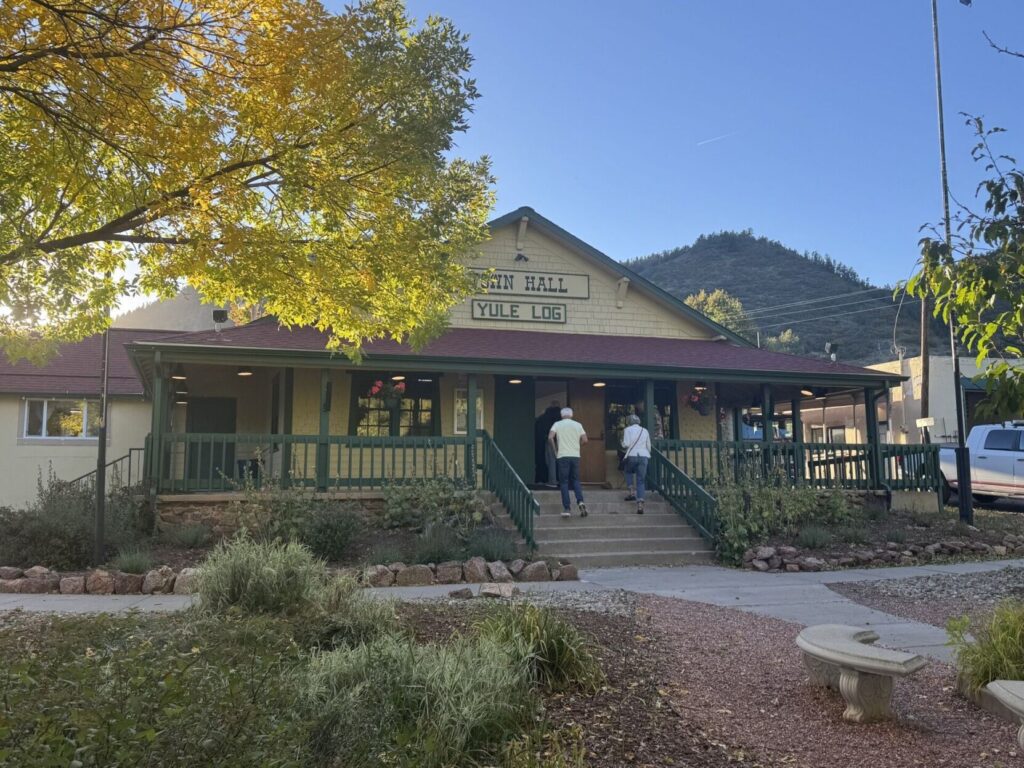
The newly-whole Palmer Lake Board of Trustees will have an opportunity Thursday to discuss the setting for two issues going to town voters in the new year. The first is when and how to field a ballot question on the...
Colorado Parks and Wildlife Commissioner Murphy Robinson resigns
Marianne Goodland
marianne.goodland@coloradopolitics.com
Updated 1 day ago
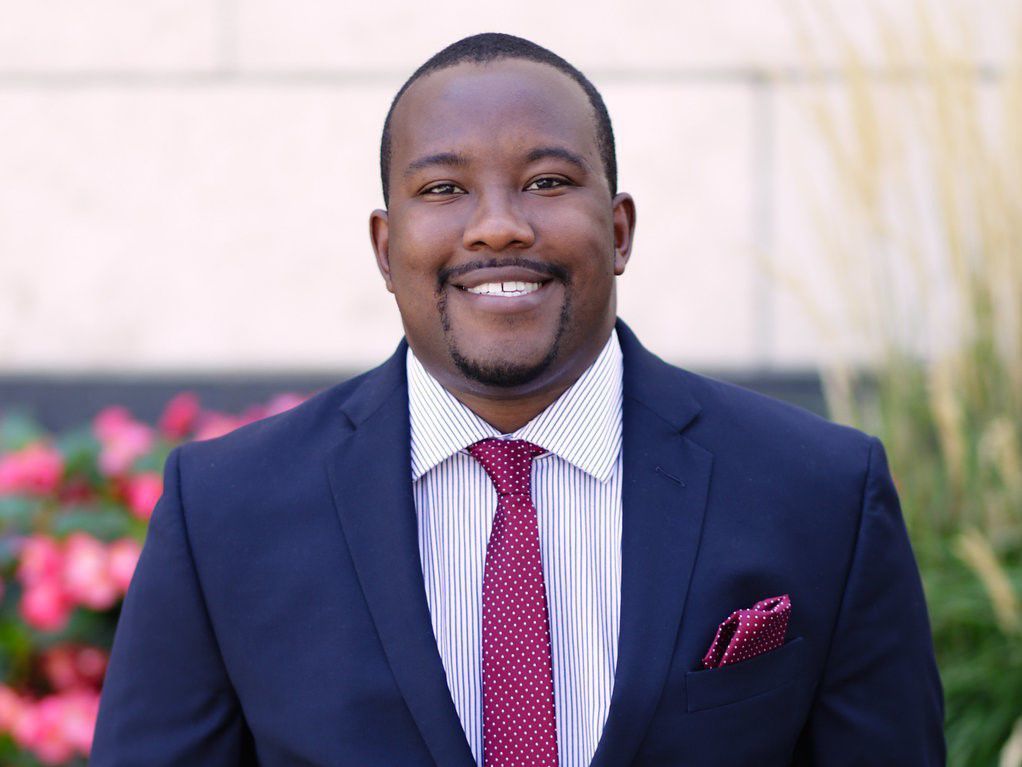
Murphy Robinson, who has served on the Colorado Parks and Wildlife Commission for just over a year, announced his resignation on Wednesday. In a statement, Gov. Jared Polis thanked Robinson, saying he is “incredibly grateful for Murphy’s service to the...
DOJ launches investigation into Colorado prison, youth facility conditions
Cleo Westin
cleo-westin@coloradopolitics.com
Updated 12 hours ago
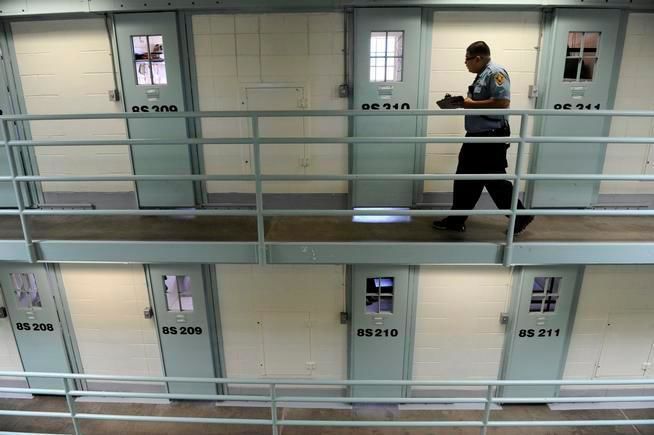
The U.S. Department of Justice has opened an investigation into possible constitutional violations of Colorado prisoners through inadequate treatment and transgender housing policy, according to federal authorities. The department’s letter of notice to Gov. Jared Polis on Monday identified housing...
Colorado Supreme Court’s opinion output drops by two-thirds amid justice’s absence
Michael Karlik
michael.karlik@coloradopolitics.com
Updated 1 day ago
The Colorado Supreme Court has released significantly fewer new opinions in recent months compared to the previous two years, even as the judicial branch insisted that a member’s open-ended absence is not causing delays. Justice Melissa Hart has been on...
Colorado’s universal preschool enrollment begins for upcoming school year
Marissa Ventrelli
marissa.ventrelli@coloradopolitics.com
Updated 1 day ago
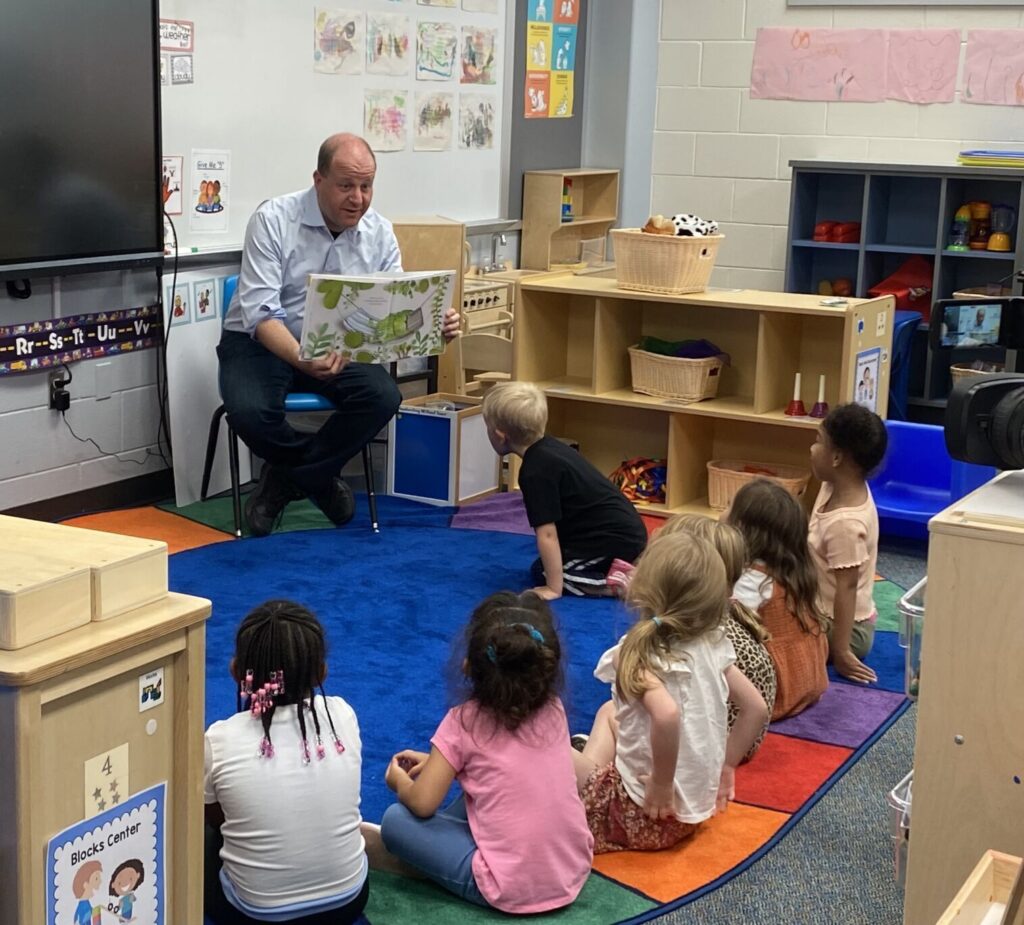
Enrollment is now open for Colorado’s universal preschool program, which provides up to 15 hours of free education for four-year-old children across the state. The $344 million program has served nearly 90,000 children since its creation in 2023, the Governor’s...

Divided 10th Circuit rules bank customer must arbitrate discrimination-related claims
Michael Karlik
michael.karlik@coloradopolitics.com
Updated 1 day ago
The Denver-based federal appeals court ruled on Monday that a mandatory arbitration clause in the fine print of a customer’s bank account agreement prohibited her from pursuing claims of racial discrimination in court. Jeanetta Vaughn filed suit against JPMorgan Chase...

Colorado’s federal trial court denies admission to lawyer owing tens of thousands in dues, penalties
Michael Karlik
michael.karlik@coloradopolitics.com
Updated 4 hours ago
Colorado’s U.S. District Court declined last month to allow an attorney to practice before the court due to his failure to pay enrollment fees and penalties to another state’s bar association for years. The federal trial court requires attorneys to...
PREV
PREVIOUS

Polis signs bills on clean energy, water during stops in Denver
Gov. Jared Polis on Thursday signed into law a slate of clean energy and water bills at a pair of ceremonies in Denver. The governor kicked off those two events at the Denver Botanic Gardens, where he signed five bills on energy and climate change. “One [bill] is not enough, two [bills] is not enough,” […]
State senate ethics committee to take up complaint against Sen. Bob Gardner
On Friday, a state Senate ethics panel will begin looking at an ethics complaint filed against Sen. Bob Gardner, a Colorado Springs Republican, tied to comments the senator made in a Senate Judiciary Committee meeting in 2019. According to the timeline posted on the committee’s website this week, the complaint could take most of July […]