

Arrested sex workers in Denver may be done with sexually transmitted infection tests
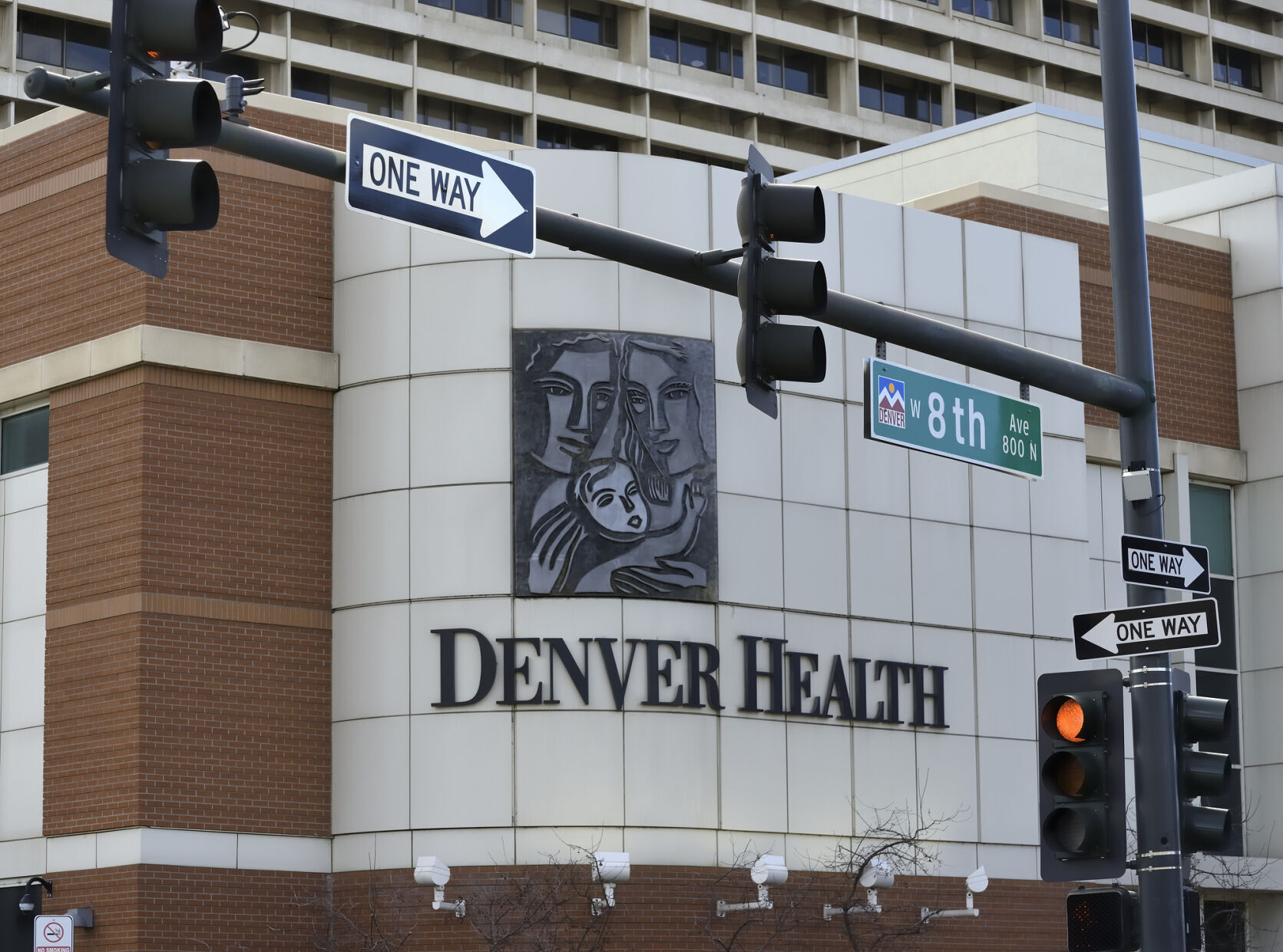
A proposal passed by the Denver City Council safety committee Wednesday would remove the city’s requirement that arrested sex workers receive testing for sexually transmitted infections. This proposal will be sent to the full council for final votes.
Kevin Kelly with the Denver Department of Public Health and Environment said Denver’s testing requirement is drastically outdated as it was written in the city code back in 1973.
“Mandating testing of STIs is something that the research really does not back up,” Kelly said. “Voluntary testing and letting people have autonomy over their bodies is a much better way to addressing sexual health.”
Under the current code, anyone arrested for buying or selling sex has seven days to get tested for STIs at one specific Denver Health clinic. The tests cost $65 each, a price established in the city code even though Denver Health provides non-sex workers with free or low-cost STI testing depending on income.
Kelly said this system presents several barriers for sex workers, as they often cannot afford the STI tests or cannot get to the clinic, which is far from the east and west ends of Colfax Avenue where most arrests take place. In addition, the testing clinic is often full and must turn people away.
Under the current system, only around 33% of arrested sex workers get tested for STIs, Kelly said. Those who don’t get tested have their names added to the Health Order In list and may be arrested again.
If the proposed ordinance is passed, the city STI testing requirement would be repealed and replaced by the state statute. The state statute does not include any specification for required testing for sex workers; however, those arrested for buying sex are still required to get tested.
“We’re focusing in on much more of a public health approach, rather than this kind of punitive approach towards specifically sex workers,” Kelly said.
Under the state statute, arrested sex workers will no longer be subjected to required STI testing. Individuals may still be ordered to get tested by the health department if the department provides medical evidence for why the testing is necessary. In these cases, individuals can challenge the order in court.
This change was suggested by a working group formed in 2019, consisting of former sex worker, city agencies and local nonprofits.
The proposed ordinance has been publicly supported by the Denver Police Department, Denver Health, City Attorney’s Office and multiple advocacy and criminal justice reform organizations. Kelly said the health department has received no opposition during its public outreach process.
One of the main goals in the proposed ordinance is also to address racial disparities in sex work. In Denver in 2019, 43% of women arrested for sex work were Black, even though Black women made up only 4.8% of Denver’s population that year, according to the health department.
“Definitely the most glaring issue with the ordinance is its disproportionate effect on Black women,” Kelly said. “By removing this mandate, we would be removing the chance of Black women being issued this mandate and subsequently arrested for it.”
Kelly said since sex workers are significantly more likely than the general population to experience violent crime, having a warrant out for their arrest due to testing failure prevents sex workers from reporting crimes committed against them.
The proposal was unanimously passed by the safety committee. It will now need to pass two full council votes in the coming weeks before being implemented.



Colorado state Senate: Meet the primary election candidates
Marianne Goodland
marianne.goodland@coloradopolitics.com
Updated 1 hour ago
Colorado’s June 30 primary will feature a slate of state Senate contests, with several incumbents stepping aside and competitive fields emerging in both parties. These are some of the races to watch as voters begin to submit ballots. Senate District...

Top five hot mic moments from world leaders at G7 Summit
David Zimmermann Washington Examiner
davidzimmermannwashingtonexaminer@wpstage.coloradopolitics.com
Updated 39 minutes ago
As the 52nd annual G7 Summit came to a close on Wednesday in France, world leaders not only discussed diplomacy front and center, but also engaged in lighter conversations on the sidelines. There were many hot-mic moments in which President Donald...
Appeals court clarifies offense of impersonating a peace officer
Michael Karlik
michael.karlik@coloradopolitics.com
Updated 4 hours ago
Colorado’s second-highest court clarified this month that a person commits the offense of impersonating a peace officer if they engage in “any conduct” while pretending to be law enforcement. In a case out of El Paso County, Richard James Coulier...

Hickenlooper raises $900K since April, heads into primary with almost $3 million on hand
Ernest Luning
ernest.luning@coloradopolitics.com
Updated 4 hours ago
U.S. Sen. John Hickenlooper raised just over $900,000 for his reelection bid in the 10-week pre-primary reporting period, the Colorado Democrat’s campaign said Wednesday. The campaign finished the period with almost $3 million in the bank, with more than 80%...
Four takeaways from Georgia, DC, Alabama, and Oklahoma primary elections
Rena Rowe, Washington Examiner
rena.rowe.washington.examiner@gazetteedit.wpenginepowered.com
Updated 3 hours ago
Voters across the country delivered a mixed verdict in a series of high-profile primary contests Tuesday, elevating political outsiders, boosting progressive candidates in deep-blue jurisdictions, and offering fresh clues about President Donald Trump’s hold on the GOP ahead of the...

Trump and Obama lock horns as White House tries to sell new Iran deal
NAOMI LIM Washington Examiner
naomi-lim-washington-examiner@coloradopolitics.com
Updated 3 hours ago
Former President Barack Obama‘s reemergence is looming over President Donald Trump‘s peace deal with Iran as the incumbent tries to sell his deal to an increasingly skeptical public after the nearly four-month war. Obama’s return to the headlines as he...

Littleton approves $1M for Starlight affordable housing project
Nicholas Fogleman
nicholas.fogleman@denvergazette.com
Updated 6 hours ago
The Littleton City Council on Tuesday approved a $1 million funding request to support construction of a new affordable housing development known as the Starlight Apartments. The council authorized the contribution from the city’s Affordable Housing Fund for the project,...
Bennet’s gubernatorial ads say U.S. Senate committee paid for them
Marianne Goodland
marianne.goodland@coloradopolitics.com
Updated 1 hour ago
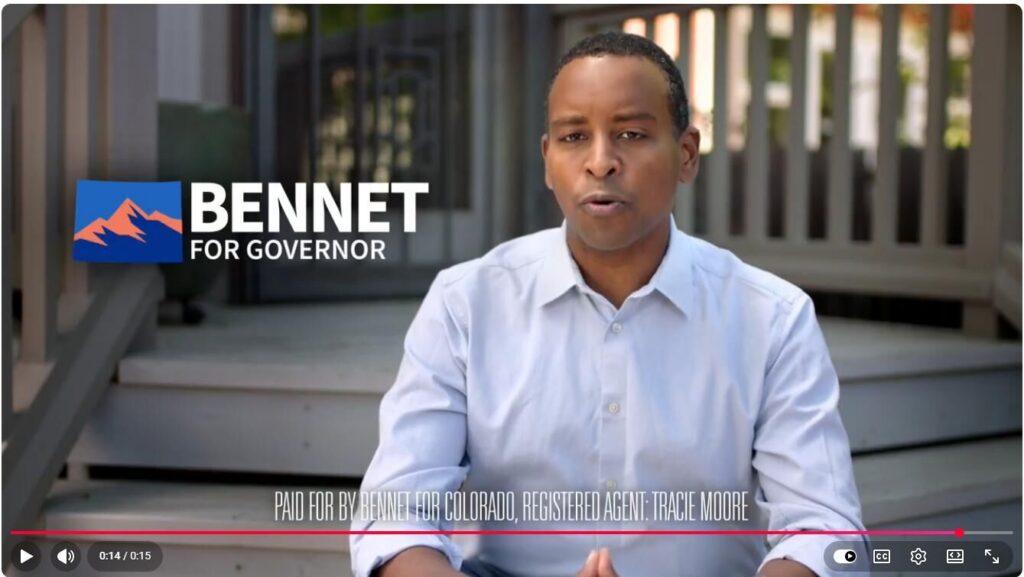
Update: as of Wednesday morning, at least one of the ads, featuring Colorado’s Democratic congressional delegation, has been changed to include the disclaimer “paid for by Bennet for Governor.” A series of TV commercials for U.S. Sen. Michael Bennet’s gubernatorial...

Democratic candidates for the 8th Congressional District: Meet Manny Rutinel and Shannon Bird
Thelma Grimes
thelma.grimes@coloradopolitics.com
Updated 24 hours ago
Colorado’s 8th Congressional District is once more the site of a hard‑fought Democratic primary, with candidates competing for the chance to challenge Republican incumbent Gabe Evans this November. A once‑crowded field has narrowed to state Rep. Manny Rutinel and former...
Colorado Supreme Court reverses 2 Chaffee County judges for imposing fee on habeas petitioner
Michael Karlik
michael.karlik@coloradopolitics.com
Updated 24 hours ago
The Colorado Supreme Court rejected two separate appeals earlier this month from an incarcerated defendant seeking immediate release from prison, but concluded that two Chaffee County judges incorrectly required him to prepay filing fees for his cases. David J. Gottorff...
PREV
PREVIOUS

Denver considers massage business licenses to address illicit massage parlors
In an attempt to address illicit massage parlors in Denver, the City Council is considering requiring licenses for massage businesses. The council’s safety committee approved the proposal Wednesday, moving it to the full council. Illicit massage businesses are businesses that provide sexual services while disguised as legitimate massage parlors. Senior Deputy District Attorney Lara Mullin […]

Colorado Municipal League adds four board members
The Colorado Municipal League elected four new members to his 21-member governing board at its annual meeting held virtually on Sunday. The new board members are Rocky Ford Mayor Susan Jung, Aurora council member Angela Lawson, Arvada council member John Marriott and Durango council member Melissa Youssef. Seven members were elected to another term: Montrose […]