

After years of work, conservation easement fix dies in late Monday committee vote

Reparations for hundreds of landowners deprived of legally-obtained tax credits by the Department of Revenue went down in flames Monday night, when a House Republican put a “poison pill” amendment on Senate Bill 33.
Landowners, some who traveled for hours to see the bill move through the process Monday, were in shock and crying after the hearing.
The bill would have set up a reparations program for hundreds of farmers and ranchers who have been trying to regain tax credits that were taken away between 2003 and 2013 when the Department of Revenue determined, despite numerous appraisals that said otherwise, that the land donated for conservation easements had no value.
The landowners not only lost the tax credits but they also lost free and clear title to their land. Easements are in perpetuity, what Don Brown, a former commissioner of agriculture under Gov. John Hickenlooper and who owned land that was denied tax credits, called a “taking” during testimony in the House Finance Committee on Monday.
In the past year, two people who had their tax credits revoked have died.
After more than a decade of fights over the program, in 2019 the General Assembly authorized a working group, made up of representatives from the land trusts that hold those easements and landowners who lost tax credits. The working group was charged by the General Assembly in a 2019 bill with coming up with a reparations solution.
That solution was contained in Senate Bill 33. The total reparations was initially estimated at $147 million but whittled down to about a third of that during the bill’s trip through the state Senate, and that made a major impact on the bill’s fiscal note. The Department of Revenue, which never sent a representative to testify on the bill, estimated it would take $4 million, extra staff and additional legal help to set up the program. With the claim that perhaps only a third of the reparations would be sought, the fiscal note was also believed to be reduced to a third of its original costs.
At the same time, a bill not authorized by the working group but advanced by the Colorado Cattlemen’s Land Trust to sweeten the deal for those who may want to participate in the easement program in the future moved through the General Assembly and won final approval from the state Senate on Monday. That broke a deal made by the land trusts and the working group to keep the two bills on parallel tracks, hoping that pressure could be applied on the House to keep SB 33 moving through the process.
Eventually, the working group endorsed House Bill 1233 as a sign of good faith.
House Bill 1233 ups the value of tax credits for future easements from 50% of the land value to 90%. Land trust representatives testified that years of negative publicity about the harm done to landowners by the Department of Revenue – which led to suicides, bankruptcies, divorces and foreclosures, according to witnesses – was making the program too dicey for prospective landowners.
Both bills would have tapped into a $45 million annual appropriation of tax credits for conservation easements. SB 33 would have taken $15 million per year for the first two years and $10 million in the third year to make reparations. The rest of the $45 million would go to future easements.
Over the past five years, easement tax credits awarded have ranged from $4.8 million in 2016 to $27.9 million in 2020.
Monday, Sen. Jerry Sonnenberg, R-Sterling, and Senate Minority Leader Chris Holbert of Douglas County pleaded with the Senate to hold off for at least a couple more hours, or better yet, until Tuesday to allow SB 33 to move out of its two committee hearings and onto the House floor. Those pleas fell on deaf ears, including on the sponsors of HB 1233, Sens. Faith Winter of Westminster and Kerry Donovan of Vail. Sonnenberg had referred to Winter as a “rock star” for her work on SB 33, and while she said she would continue to work on the issue she did not join in the request for a delay.
Word in the Capitol Monday was that Gov. Jared Polis did not want the reparations bill on his desk.
Monday afternoon, SB 33 won a 7-4 bipartisan vote from the House Finance Committee. Then came House Appropriations.
Rep. Kim Ransom, R-Littleton, offered an amendment in the committee that tripled the bill’s operational costs, putting them close to the original $4 million estimate.
The amendment was adopted on a 9-2 vote and the committee then voted along party lines to kill the bill.



Colorado Reps. Hurd and Neguse join forces to modernize federal snow-forecasting program
Marianne Goodland
marianne.goodland@coloradopolitics.com
Updated 5 hours ago
A federal snow-forecasting program, to be updated under a bill from Republican U.S. Rep. Jeff Hurd, won approval in the House on Wednesday. HR 3857, which amends the Snowpack Water Supply Forecasting Reauthorization Act, is Hurd’s second bill to pass...
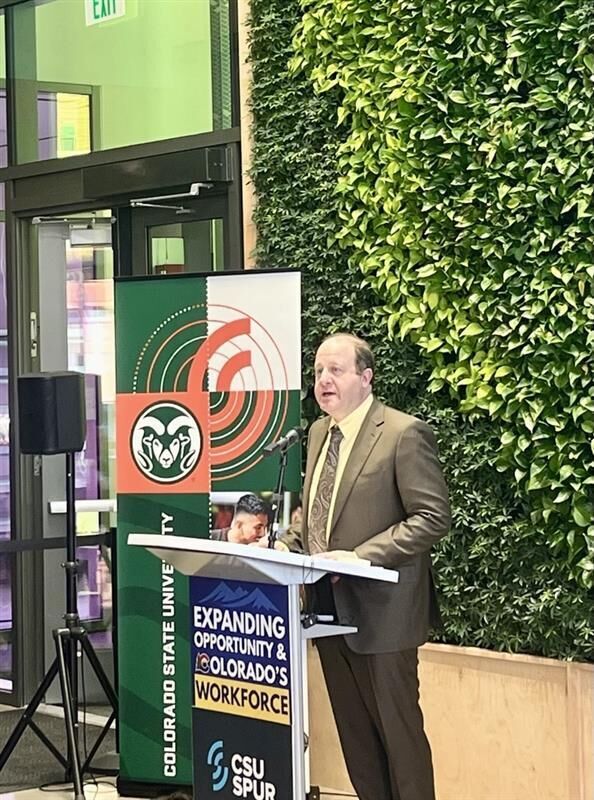
Colorado aims to close talent gap with new workforce development agency, initiatives
Marissa Ventrelli
marissa.ventrelli@coloradopolitics.com
Updated 4 hours ago
Colorado’s education leaders and legislators are planning changes to the state’s workforce development programs – including the creation of a new state agency – to help more students earn college degrees, certifications and apprenticeships. Gov. Jared Polis, House Speaker Julie...
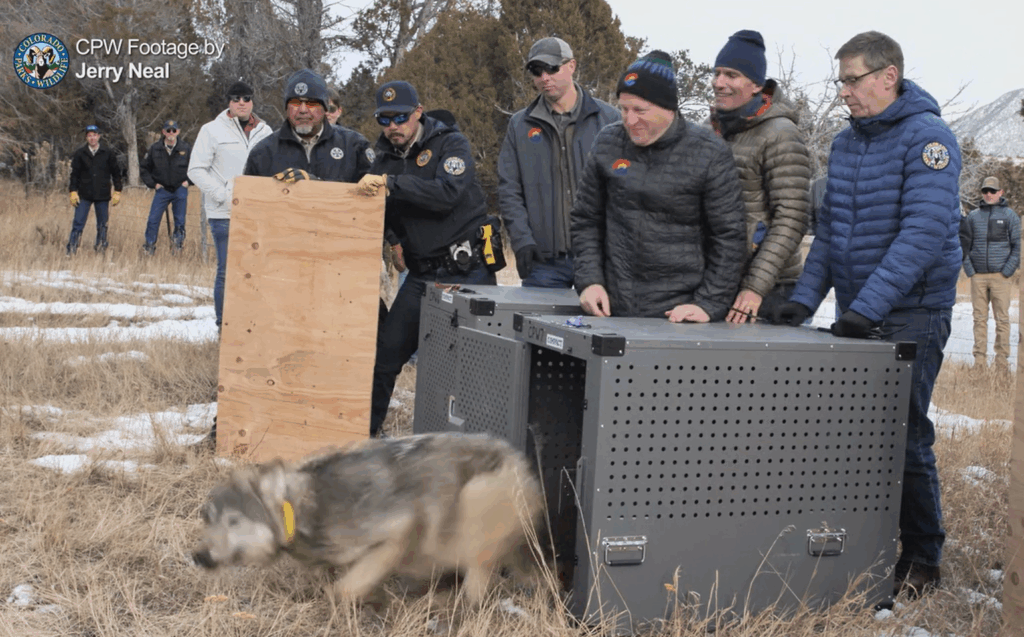
Colorado legislators review wolf program as funding challenges persist
Marianne Goodland
marianne.goodland@coloradopolitics.com
Updated 4 hours ago
Wolves took center stage during a Tuesday review by Colorado legislators of the budget proposal from the Department of Natural Resources, which includes the division that manages the reintroduction program. The Joint Budget Committee reviewed the budget proposal for 2026-27...
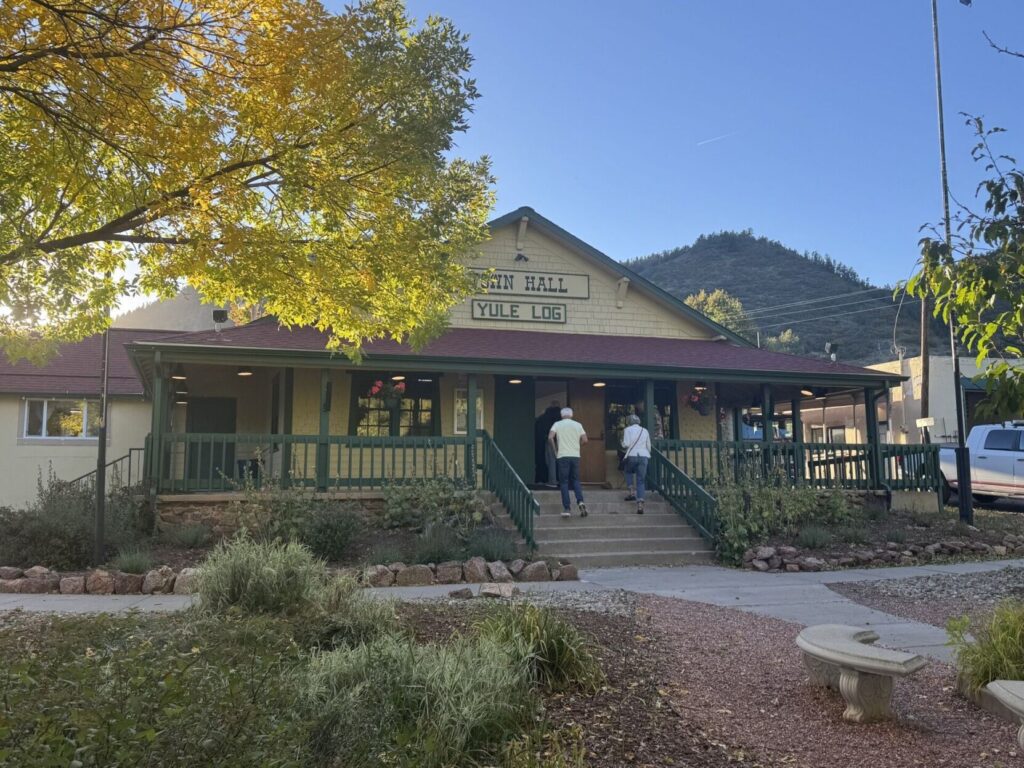
Palmer Lake to discuss Buc-ee’s, recall elections Thursday
Savannah Eller
savannah-eller@coloradopolitics.com
Updated 5 hours ago
The newly-whole Palmer Lake Board of Trustees will have an opportunity Thursday to discuss the setting for two issues going to town voters in the new year. The first is when and how to field a ballot question on the...
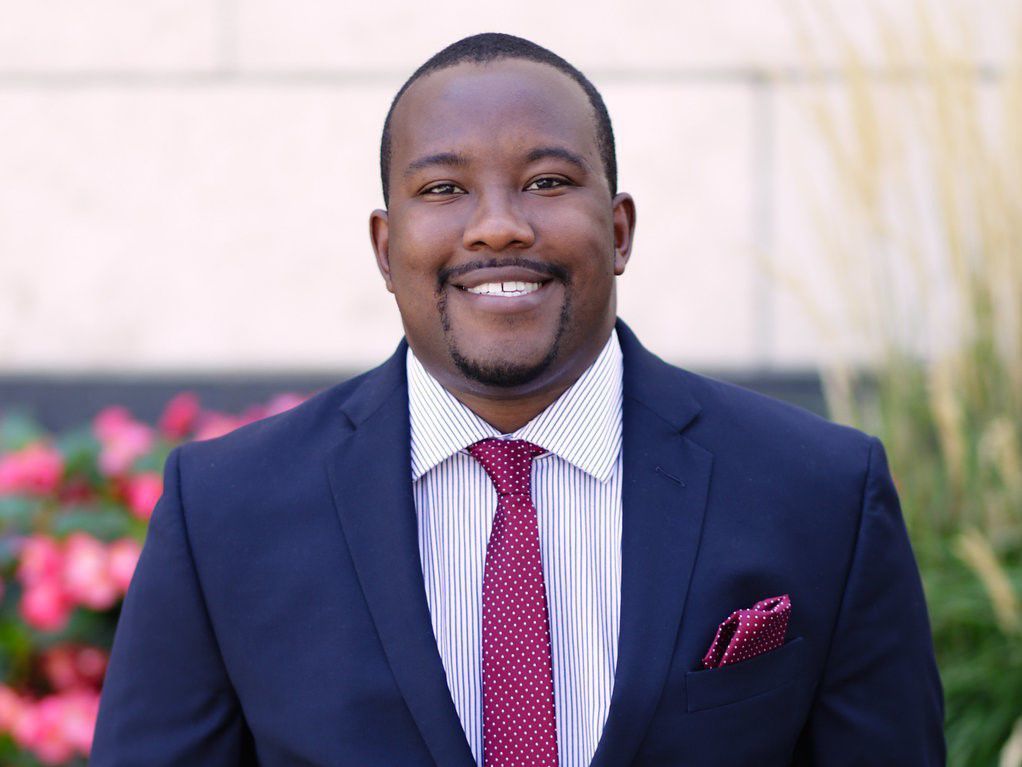
Colorado Parks and Wildlife Commissioner Murphy Robinson resigns
Marianne Goodland
marianne.goodland@coloradopolitics.com
Updated 1 day ago
Murphy Robinson, who has served on the Colorado Parks and Wildlife Commission for just over a year, announced his resignation on Wednesday. In a statement, Gov. Jared Polis thanked Robinson, saying he is “incredibly grateful for Murphy’s service to the...
DOJ launches investigation into Colorado prison, youth facility conditions
Cleo Westin
cleo-westin@coloradopolitics.com
Updated 11 hours ago
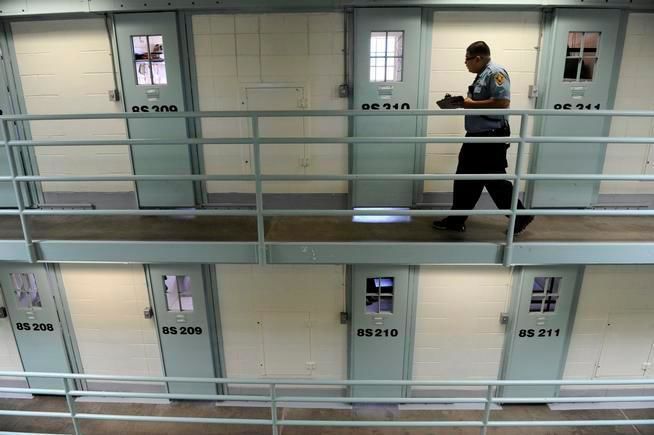
The U.S. Department of Justice has opened an investigation into possible constitutional violations of Colorado prisoners through inadequate treatment and transgender housing policy, according to federal authorities. The department’s letter of notice to Gov. Jared Polis on Monday identified housing...

Colorado Supreme Court’s opinion output drops by two-thirds amid justice’s absence
Michael Karlik
michael.karlik@coloradopolitics.com
Updated 1 day ago
The Colorado Supreme Court has released significantly fewer new opinions in recent months compared to the previous two years, even as the judicial branch insisted that a member’s open-ended absence is not causing delays. Justice Melissa Hart has been on...

Colorado’s universal preschool enrollment begins for upcoming school year
Marissa Ventrelli
marissa.ventrelli@coloradopolitics.com
Updated 1 day ago
Enrollment is now open for Colorado’s universal preschool program, which provides up to 15 hours of free education for four-year-old children across the state. The $344 million program has served nearly 90,000 children since its creation in 2023, the Governor’s...

Divided 10th Circuit rules bank customer must arbitrate discrimination-related claims
Michael Karlik
michael.karlik@coloradopolitics.com
Updated 1 day ago
The Denver-based federal appeals court ruled on Monday that a mandatory arbitration clause in the fine print of a customer’s bank account agreement prohibited her from pursuing claims of racial discrimination in court. Jeanetta Vaughn filed suit against JPMorgan Chase...

Colorado’s federal trial court denies admission to lawyer owing tens of thousands in dues, penalties
Michael Karlik
michael.karlik@coloradopolitics.com
Updated 4 hours ago
Colorado’s U.S. District Court declined last month to allow an attorney to practice before the court due to his failure to pay enrollment fees and penalties to another state’s bar association for years. The federal trial court requires attorneys to...
PREV
PREVIOUS

Senate panels approve revamped greenhouse gas emissions bill with support from the Polis administration
An effort from legislative Democrats to codify sector-specific greenhouse gas emissions targets in state law, add enforcement mechanisms to some of those goals and center the voices of communities disproportionately impacted by climate change is speeding through the legislative process in the final days of the session. And this time, it appears to have the […]

Denver OKs free legal counsel for residents facing eviction
Weeks before the federal eviction moratorium is set to expire, the Denver City Council has approved an ordinance to provide income-eligible residents with free legal representation in eviction cases. Beginning on Sept. 1, renters facing eviction who make less than 80% of the area median income will be eligible for free legal representation. Landlords will […]