

Title Board turns down proposed initiative to abolish vote-by-mail
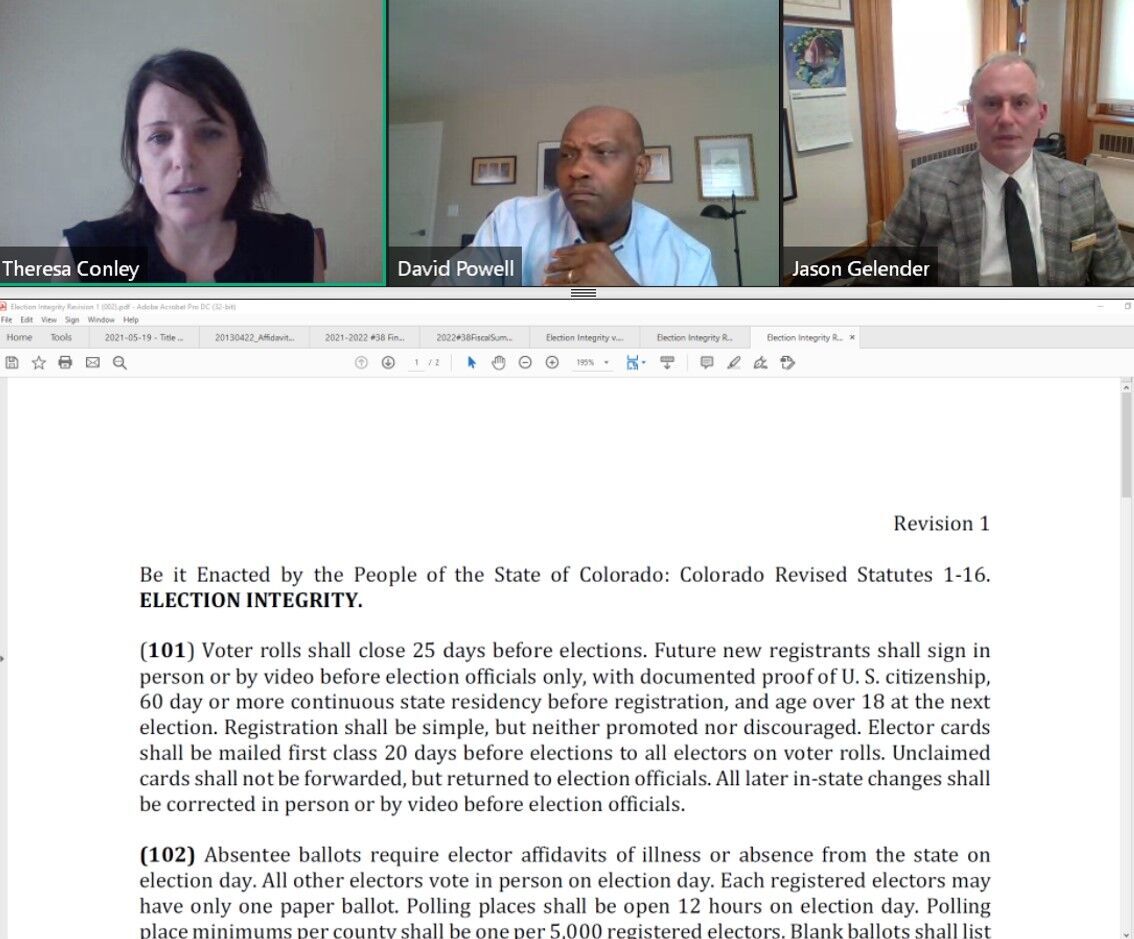
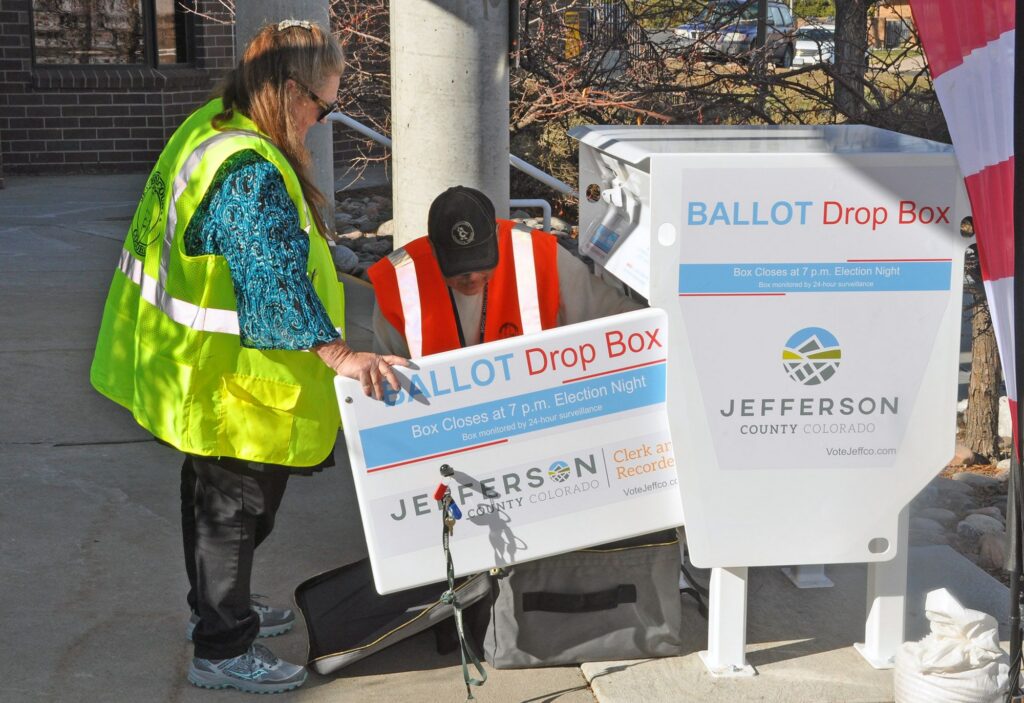
A proposed ballot initiative to require fingerprinted identification cards for voting, abolish universal vote by mail, and prescribe fines and incarceration for failing to follow election law was dismissed on Wednesday after the Title Board determined the initiative’s proponents did not follow the law themselves.
“It is a technicality. I empathize with you,” board Chair Theresa Conley told Initiative #38‘s designated representatives before the board determined it lacked jurisdiction to set a ballot title for the measure to majorly overhaul the state’s voting procedures.
Margot Herzl of Littleton and Anna Omsberg of Bailey, the board determined, failed to follow the proper legal procedure for submitting their original, amended and final versions of Initiative #38 to the Title Board by the deadline. The proponents’ submission conflated an earlier, almost identical version of the measure with the initiative at hand, and the board encouraged the re-submission of a clean version in time for its June 2 meeting.
“It seems like we’re being punished for being too detailed in showing our changes,” Herzl stated. “My perception of the facts is that we did meet our obligations and you’re choosing not to hear this in spite of that.”
“I’m saying you didn’t follow the statutory obligations,” responded Conley, a representative of Secretary of State Jena Griswold. She added the board was being careful to avoid setting a precedent for future faulty submissions, and wanted to avoid potential objections if it were to proceed under questionable circumstances.
Initiative #38 would require 10 days in jail and a $250 fine per instance of an illegally-cast ballot. A “government-issued elector card” with the voter’s fingerprint, among other features, would be required to vote. Mail voting and use of drop boxes would also cease in Colorado were the measure to pass, as would the ability to both register to vote and cast a ballot on Election Day.
The three-member Title Board’s responsibility is to determine whether a ballot initiative encompasses a single subject, as the constitution requires. If so, it sets a title and proponents may begin collecting signatures to place the measure on the statewide ballot. Prior to its appearance before the board, nonpartisan legislative analysts reviewed Initiative #38 and found several provisions lacking in clarity, including the taking and storing of fingerprints for elector cards.


Rural frustration, parental rights shape Scott Bottoms’ pitch ahead of Colorado’s gubernatorial primaries
Thelma Grimes
thelma.grimes@coloradopolitics.com
Updated 5 hours ago
With just weeks before Colorado’s June primary, Republican gubernatorial candidate state Rep. Scott Bottoms is spending nearly all his time on the road — literally crisscrossing the Western Slope and Eastern Plains — in a final push to connect with...
Registered voters on the eve of the 2026 primaries | Cronin & Loevy
Tom Cronin Bob Loevy
tom-cronin-bob-loevy@coloradopolitics.com
Updated 3 days ago
The Colorado Secretary of State’s Office has published the latest voter registration figures for the state and its counties as of June. Colorado ranks among the highest states for independent, or unaffiliated, voters. Only Alaska and Massachusetts have more. New Hampshire, New Jersey, Maine and Oregon also rank highly. So here...
Democratic candidates DeGette, Kiros and James clash in CD1 forum
Marissa Ventrelli
marissa.ventrelli@coloradopolitics.com
Updated 1 day ago
The three Democratic candidates for Colorado’s 1st Congressional District clashed on Friday night over a host of issues, even as they expressed frustration with their party. The candidates — U.S. Rep. Diana DeGette, doctoral student Melat Kiros and university regent...
Rep. Jeff Crank thinks Democrats are too focused on Trump, not enough on Colorado Springs | Vince Bzdek
Vince Bzdek
vince.bzdek@gazette.com
Updated 2 days ago
For U.S. Rep. Jeff Crank, who’s unopposed in the Republican primary for the 5th Congressional District but the main target of both candidates in the lively Democratic primary, the big question in the midterms is not who will stand up...

Bernie Sanders endorses DeGette challenger Melat Kiros in Colorado’s 1st CD Democratic primary
Ernest Luning
ernest.luning@coloradopolitics.com
Updated 4 days ago
U.S. Sen. Bernie Sanders on Friday endorsed congressional candidate Melat Kiros, one of two Democrats challenging 15-term U.S. Rep. Diana DeGette in Colorado’s June primary. Sanders, a Vermont independent who caucuses with the Democrats, called the 29-year-old Kiros “exactly the...
Democratic ballots outpace Republicans’ as Colorado’s primary vote starts to trickle in
Ernest Luning
ernest.luning@coloradopolitics.com
Updated 4 days ago
With less than two weeks left before ballots are due in Colorado’s primary election, election officials have logged in ballots from just under 6% of the state’s 4 million active, registered voters, the Colorado Secretary of State’s Office said Thursday....

Amid public pressure, Colorado candidates tackle social media regulations for minors
Bethany Johnson
bethany.johnson@denvergazette.com
Updated 2 days ago
Following the accidental overdose of her daughter in 2020, Patti Lujan pursued a lawsuit against Snapchat, the social media platform that, she claimed, connected her daughter with a drug dealer. In a news release announcing the lawsuit, Lujan alleged that...
Colorado state Senate: Meet the primary election candidates
Marianne Goodland
marianne.goodland@coloradopolitics.com
Updated 6 days ago
Colorado’s June 30 primary features a slate of state Senate contests, with several incumbents stepping aside and competitive fields emerging in both parties. These are some of the races to watch as voters begin to submit ballots. Senate District 3:...

Hickenlooper raises $900K since April, heads into primary with almost $3 million on hand
Ernest Luning
ernest.luning@coloradopolitics.com
Updated 6 days ago
U.S. Sen. John Hickenlooper raised just over $900,000 for his reelection bid in the 10-week pre-primary reporting period, the Colorado Democrat’s campaign said Wednesday. The campaign finished the period with almost $3 million in the bank, with more than 80%...
Bennet’s gubernatorial ads say U.S. Senate committee paid for them
Marianne Goodland
marianne.goodland@coloradopolitics.com
Updated 6 days ago
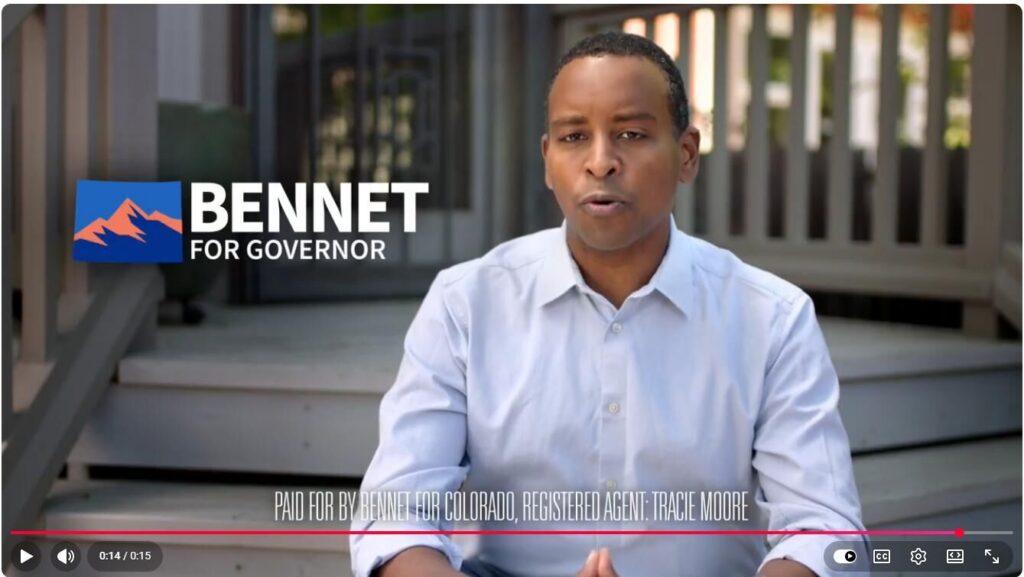
Update: as of Wednesday morning, at least one of the ads, featuring Colorado’s Democratic congressional delegation, has been changed to include the disclaimer “paid for by Bennet for Governor.” A series of TV commercials for U.S. Sen. Michael Bennet’s gubernatorial...
PREV
PREVIOUS
Title Board to consider proposed ballot initiative ending vote-by-mail
A proposed ballot initiative that would do away with mail voting in Colorado, forbid the use of drop boxes and require a fingerprinted “government-issued elector card” when voting will appear before the Title Board on Wednesday. Initiative #38 “significantly increases” costs for elections officials, according to a nonpartisan fiscal analysis. The measure would force county […]

Fox News claims First Amendment protection in lawsuit by Denver's Dominion Voting Systems
Fox News is hoping to bounce the defamation lawsuit filed by Denver-based Dominion Voting Systems on the grounds of constitutional free speech, the company told the courts Monday. The news company says it was only reporting what others were saying about the presidential election. While the news operation differed, the company’s top opinion personalities were […]