

Colorado hospitals launch project to get opioid overdose antidote to patients
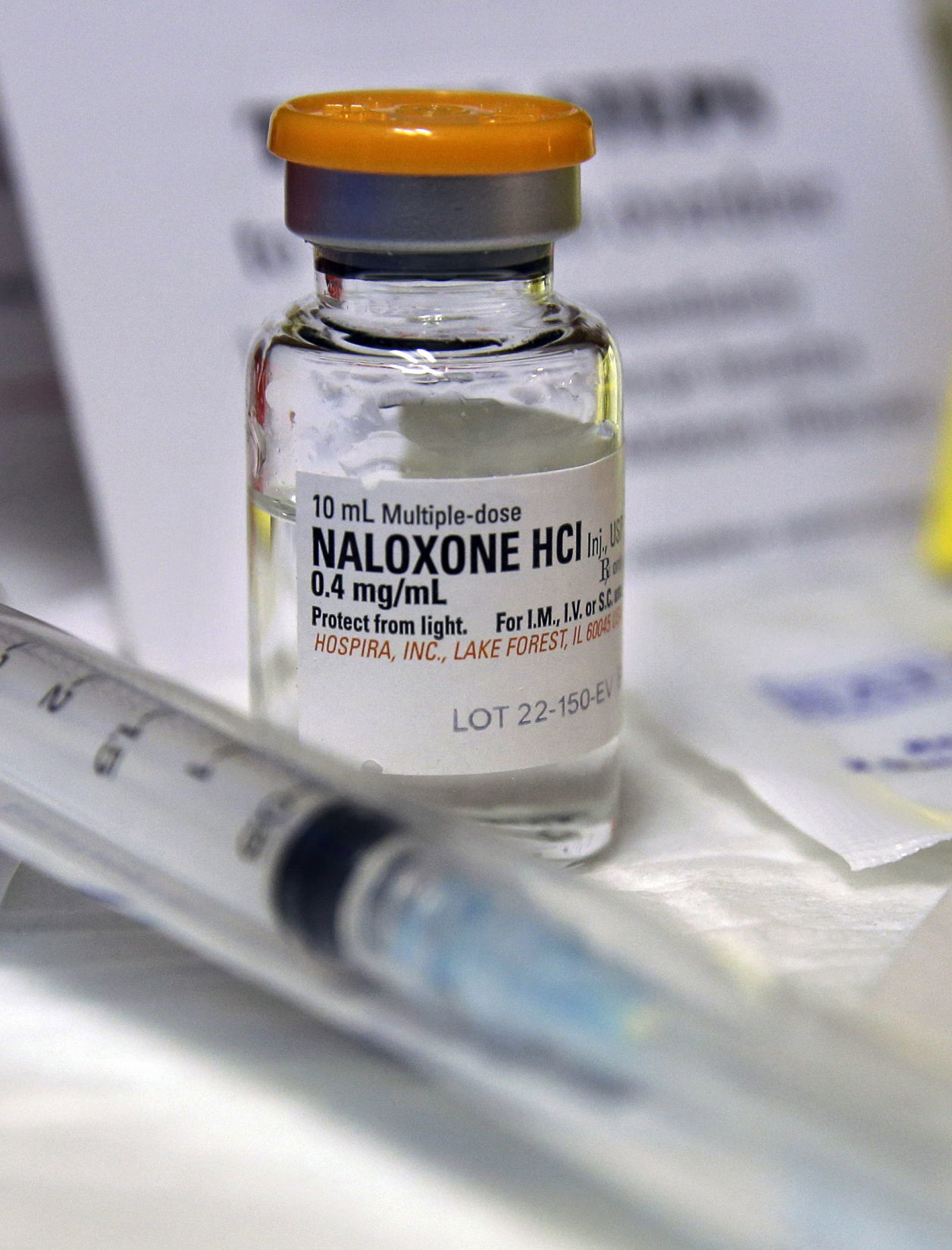
For years, Colorado leaders and health care providers have worked to improve access to naloxone, the nasal spray that can stop opioid overdoses.
Those efforts included giving pharmacists the ability to dole out the antidote, and doctors and providers can write prescriptions for naloxone.
Grant funding has worked to give the medicine to needle exchanges and other services that regularly deal with addicts.
Those strategies have their own issues, said addiction and emergency medicine physician Don Stader.
Grant funding can dry up. The stigma surrounding opioid addiction or misuse can deter those struggling from filling naloxone scripts. Stader said the prescription fill rate is “abysmal” and is as low as 5%.
So he has launched his own effort, the Colorado Naloxone Project, to more efficiently and effectively get the antidote to those who need it.
Through this project, providers can give a naloxone kit — a plastic bag with the spray, rehab information and various instructions — to patients in the emergency room who might be misusing opioids. The kits could also be distributed to patients given a new opioid prescription.
The goal, he said, is to keep patients alive while educating them about the dangers of opioid misuse and giving them resources on how to get help.
Over the past year, as the focus of the medical and public health community has been trained on the pandemic, the opioid epidemic “has spread like a malignant cancer,” Stader said.
The need for this program is as great now as it’s been at any other point.
“The opioid crisis has worsened significantly in the face of COVID,” Stader said. “Not only is the drug supply more dangerous, but the drug use and really substance use across the board is so much higher in our country because of all the stress, the anxiety, the loss of employment and jobs, and the chemical coping that’s oftentimes an unhealthy way that people deal with these stressors.”
Stader’s project, he said, is the first of its kind in the United States.
Holly Monatt, the director of clinical pharmacy services for HealthOne, said she first heard about it in late 2018 or early 2019, when Swedish Medical Center, where Stader is based, piloted it.
At first, they’d either give a kit or a prescription for one, depending on the patient’s ability to access a pharmacy.
But they realized the fill rate of those scripts was poor, so they switched to just handing it out. Still, 85 kits were distributed from Swedish between December 2018 and March 31 of this year.
Sader began looking beyond Swedish. He partnered with various medical and hospital organizations to form the Colorado Naloxone Project.
The long-term goal is to recruit hospitals across the state to participate. So far, HealthOne and Centura have signed on.
Since April 1, 20 kits have been distributed, Monatt said. Hospital data indicates the need is even greater than that.
According to numbers Monatt provided, there were roughly 800 patients in 2020 identified with an opioid use disorder or opioid overdose in HealthOne’s facilities.
The company that makes naloxone donated some of the medicine to the program, Stader said, and he’s working on securing “a much larger donation from the Colorado Office of Behavioral Health, which oftentimes makes bulk purchases of naloxone.”
Previous state legislation requires insurance providers reimburse hospitals for the opioid antidotes, and Stader said the next legislative goal is making Medicaid do the same.
“The biggest innovation that this program is really trying to implement is we are trying to — instead of making this grant-based or instead of making this based on the good will of hospitals who have the funds to afford giving naloxone out, to make this part of the actual medical system,” he said.
“This is part of insurance, and this is part of what all hospitals should be doing and not expected to be doing just based on grant funding or based on their own willingness to give things away for free.”

Colorado justices find ability to extend appeal deadline applies equally to prosecutors, defendants
Michael Karlik
michael.karlik@coloradopolitics.com
Updated 10 minutes ago
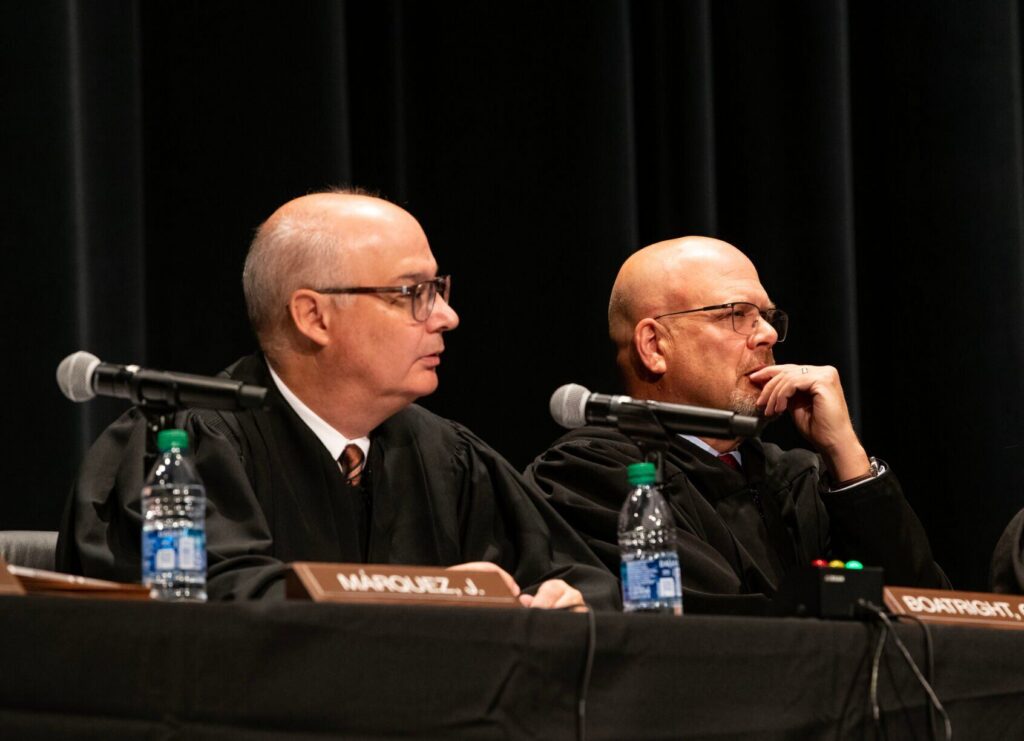
The Colorado Supreme Court decided on Tuesday that prosecutors have the same ability as criminal defendants to freeze their deadline to appeal a trial judge’s ruling when they ask for reconsideration, even though the rules do not explicitly say so....
Colorado’s primary turnout tops 10% as election officials warn it’s too late to mail ballots
Ernest Luning
ernest.luning@coloradopolitics.com
Updated 53 minutes ago
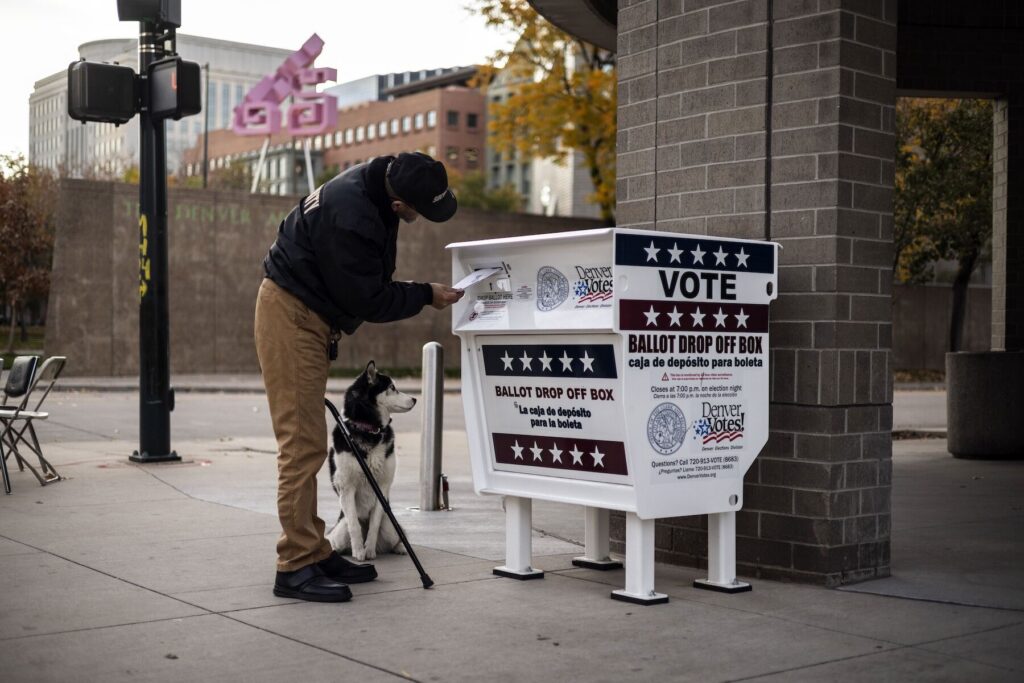
Colorado election officials cautioned on Tuesday that it’s too late to mail ballots for the June 30 primary and urged voters to use drop boxes and their county’s voting centers instead. Secretary of State Jena Griswold said in a release...
Colorado justices confirm leaving-the-scene prosecutions require no proof of driver’s knowledge
Michael Karlik
michael.karlik@coloradopolitics.com
Updated 13 hours ago
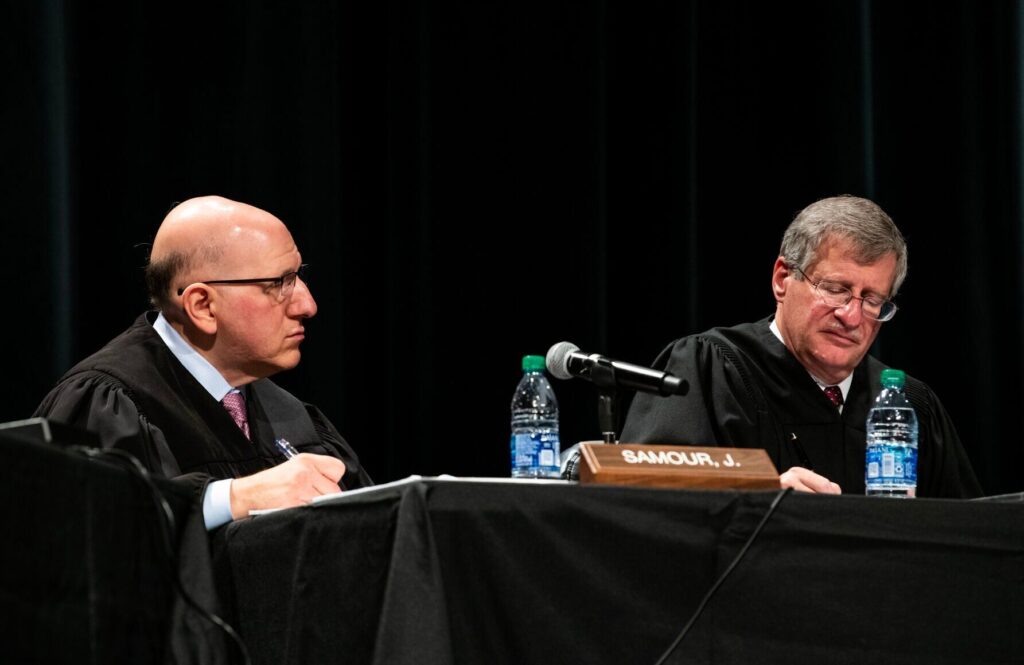
The Colorado Supreme Court confirmed on Tuesday that its 20-year-old decision involving drivers who leave the scene of an accident remains good law and prosecutors do not have to prove that such defendants knew they were involved in an accident....
Aurora sales tax increases will be on November ballot
Kyla Pearce
kyla.pearce@gazette.com
Updated 29 minutes ago
Aurora voters will decide in November whether to raise sales taxes for the first time since 1993 to help pay for infrastructure, transportation and public safety improvements. The City Council cast a final vote Monday night to put three measures...

Road-funding initiative in Colorado qualifies for November ballot
Marissa Ventrelli
marissa.ventrelli@coloradopolitics.com
Updated 17 hours ago
A measure that would dedicate all transportation-related revenue to Colorado’s roads and bridges has officially qualified for the November ballot after it cleared the state’s signature threshold, according to election officials. Backed by the coalition Restore Our Roads, Initiative No....

Judge blocks Colorado’s proposed ban on using SNAP benefits for soda
Marissa Ventrelli
marissa.ventrelli@coloradopolitics.com
Updated 16 hours ago
A federal judge has temporarily blocked Colorado and several other states from enforcing a proposed “Healthy Choice Waiver” that would have barred Supplemental Nutrition Assistance Program (SNAP) recipients from using their benefits to buy soda and other sugary drinks. Under...
Medicaid suspends agency behind ‘The Program,’ citing ‘credible’ fraud allegations
David Migoya
david.migoya@gazette.com
Updated 15 hours ago
The agency overseeing Colorado’s federal Medicaid program has suspended an Aurora home-health agency that is the focus of an investigation into an enterprise that lured dozens of homeless people with promises of free housing and cash and reaped tens of...
Boulder police overreached in interrogating suspect, Colorado Supreme Court finds
Michael Karlik
michael.karlik@coloradopolitics.com
Updated 16 hours ago
Two Boulder detectives violated a man’s constitutional rights by interrogating him at his home using a court order that solely authorized the collection of his DNA evidence, the Colorado Supreme Court concluded on Tuesday. The ruling curtailed the ability of...
Property owners may access evidence before eminent domain decisions, Colorado justices conclude
Michael Karlik
michael.karlik@coloradopolitics.com
Updated 16 hours ago
The Colorado Supreme Court ruled on Tuesday that a Douglas County judge incorrectly believed he lacked the authority to allow a property owner to pursue evidence challenging a government entity’s legal right to take its property through eminent domain. In...
Missy Woods accepts plea deal, avoids trial on 102 felony counts
Jenny Deam
jenny.deam@gazette.com
Updated 17 hours ago
The former top Colorado Bureau of Investigation forensic scientist accused of altering and deleting DNA evidence in scores of criminal cases across the state for years pleaded guilty to four criminal counts Tuesday in Jefferson County. Yvonne “Missy” Woods, 65,...
PREV
PREVIOUS

Rampart High in Colorado Springs produces top competitors in world affairs
Four students from Rampart High School proved their knowledge of national security issues Saturday, ranking third out of 100 teams in a national competition. Peyton Smith, Arez Khidr, Rohan Gohil and Atharva Vispute competed online in Academic World Quest. Leaders of the World Affairs Councils nationwide picked the multiple choice questions. The Colorado Springs chapter […]

NONPROFIT REGISTER | Communications director honored by National Diversity Council with DEI Champion Award
Colorado Nonprofit Association Denver News: Colorado Nonprofit Association communications director Maureen Maycheco has been recognized by National Diversity Council as a DEI Champion awardee for the 2021 National Diversity & Leadership Conference. “Being recognized by the National Diversity Council as a DEI Champion awardee for the 2021 National Diversity & Leadership Conference makes my heart feel full of […]