

Colorado Springs Gazette: Stop predatory lawyers from killing good jobs
As Colorado grapples with the fourth-worst unemployment crisis in the country – as workers wonder how they will support themselves and their children – legislative Democrats want to make things worse for the benefit of their lawyer friends.
Make no mistake about this. Senate Bill 176 would enrich vulturine lawyers at the expense of waiters, construction workers, all varieties of entrepreneurs and small business owners, and practically anyone else who labors to earn an honest wage.
Twenty-four combined House and Senate Democrats want an employment bill so extreme it would make Colorado the last place anyone would want to launch or relocate a company. Though politicians support it to profit predatory law, they dress it up as a concern for oppressed minorities in the workplace.
SB-176 would make it easy for any employee to sue for hurt feelings. The bill would eliminate nearly any traditional protections for employers against frivolous lawsuits or those involving claims more than six months old.
It would change the definition of “employee” so someone hired to paint a house or mow a lawn could easily sue the “employer” for a feeling of harm. Someone who volunteers to shovel a driveway or rake leaves could sue the client for discrimination – real or perceived – claiming discrimination based on race, ethnicity, religion, gender, sexual orientation, etc. Even a volunteer for a volunteer could sue for nearly any reason.
From the bill: “Expands the definition of ’employee’ to include “independent contractors, subcontractors, and their employees; and individuals who offer services or labor without pay…” It expressly includes “unpaid interns” and volunteers, meaning employers would take insane risks by having either.
If passed, plaintiffs’ attorneys would no longer have to show discrimination has been “severe or pervasive.” One employer misstep, or alleged misstep, would be the same as a persistent pattern of abuse. The bill gives employers only 14 days to investigate and respond to allegations. Failure to meet the deadline amounts to a discriminatory or unfair employment practice.
One could not propose a law to give bottom-feeding lawyers – the type who can’t find good clients and offer constructive legal work – an endless vat of potential lawsuits. For example, the bill defines a “hostile work environment” to include any place of employment that adversely affects any “individual’s sense of well-being or safety.” That means all employers are guilty.
Imagine the possibilities. Billy the boss tells employee Isaiah to clean up vomit on aisle nine. The task challenges Isaiah’s sense of well-being because he fears bodily fluids. Isaiah wonders why he got the task. Oh, that’s right, he’s Catholic. Billy is an atheist and probably hates Catholics.
To make sure Isaiah may easily sue, SB-176 eliminates a major obstacle to frivolous claims. Isaiah would no longer have to justify his case to the Colorado Civil Rights Division for an opinion on merits. Traditionally, the civil rights division and associated commission investigate and try to resolve employee complaints to avoid drawn-out, expensive, and groundless litigation that jeopardizes employers and jobs.
To further aid any burdens unpleasant to predacious lawyers, the bill eliminates any potential of confidentiality agreements in settlements. That means more court battles because neither a plaintiff nor defendant would have the motivation of guarding a reputation by settling a dispute. It is all upside for the lawyers at the expense of employers and workers.
With the passage of 176, Isaiah and his lawyer could go directly with a complaint to “any court of competent jurisdiction in the county or district where the alleged discriminatory or unfair employment practice occurred” – without any process to filter bad cases or offer remedies fair to both sides. This ensures the ability of rag-tag attorneys to dredge up cases, trump them up, and bilk clients for fees regardless of the merits of a case.
Incredibly, the bill protects the state from this anything-goes exposure. As the bill states, the changes do not apply to any “applicant for a position in or an employee in the state personnel system.” We’re terribly concerned about the abuse of private-sector employees but of their public-sector peers.
The bill protects the state because proponents know these changes will harm employers and they don’t want to burden the agencies they oversee.
Every important pro-business, pro-worker organization in the state opposes this bill. A long list includes the Colorado Springs Chamber of Commerce, Denver Metro Chamber, the Hispanic Contractors of Colorado, the Colorado Association of School Boards, the Colorado Restaurant Association, the Colorado Civil Justice League, Colorado Counties, Colorado Concern, and more.
Advocates of the bill include the Colorado Plaintiffs Employment Lawyers Association and the Colorado Trial Lawyers Association – two of the Democratic Party’s largest constituent cliques.
Parasitic employment lawyers hurt workers, employers, economies, and communities. They prey on conflicts, real or perceived, and try to make them worse. As purveyors of destruction, they offer no more to employment than vandals offer to art. If they pass SB-176, politicians will help them destroy good jobs and the households they support.


Ex‑Bronco Montee Ball backs bipartisan push at Colorado Capitol for stronger concussion protocols
Marissa Ventrelli
marissa.ventrelli@coloradopolitics.com
Updated 25 minutes ago
With concerns rising about the long‑term effects of head injuries in youth sports, the House Health and Human Services Committee began reviewing a bipartisan bill that would tighten concussion protocols and expand mental health awareness among coaches. Senate Bill 060,...

‘Right to repair’ makes sense for Colorado consumers, but critical infrastructure is different | OPINION
Colorado Politics
colorado-politics@coloradopolitics.com
Updated 12 hours ago
By Chris Bresee For many consumer products, the case for “right to repair” is easy to understand. If a phone, tractor, or household device breaks, people want fair access to the tools, parts and information needed to fix it. But...

Colorado shouldn’t risk cutting off access to earned wage access | OPINION
Colorado Politics
colorado-politics@coloradopolitics.com
Updated 12 hours ago
By Tenisha James I live and work in Connecticut, not Colorado — but what’s happening in your state matters to people like me. I’ve already seen how policies that restrict earned wage access (EWA) can play out in real life. And...

Rural education is an advantage — start funding it that way | OPINION
Colorado Politics
colorado-politics@coloradopolitics.com
Updated 12 hours ago
By Denille LePlatt When people talk about rural schools, the conversation too often starts with struggle. I’d like to start somewhere different: with the 135,000 students across Colorado’s rural communities who show up every day with talent, drive and potential...
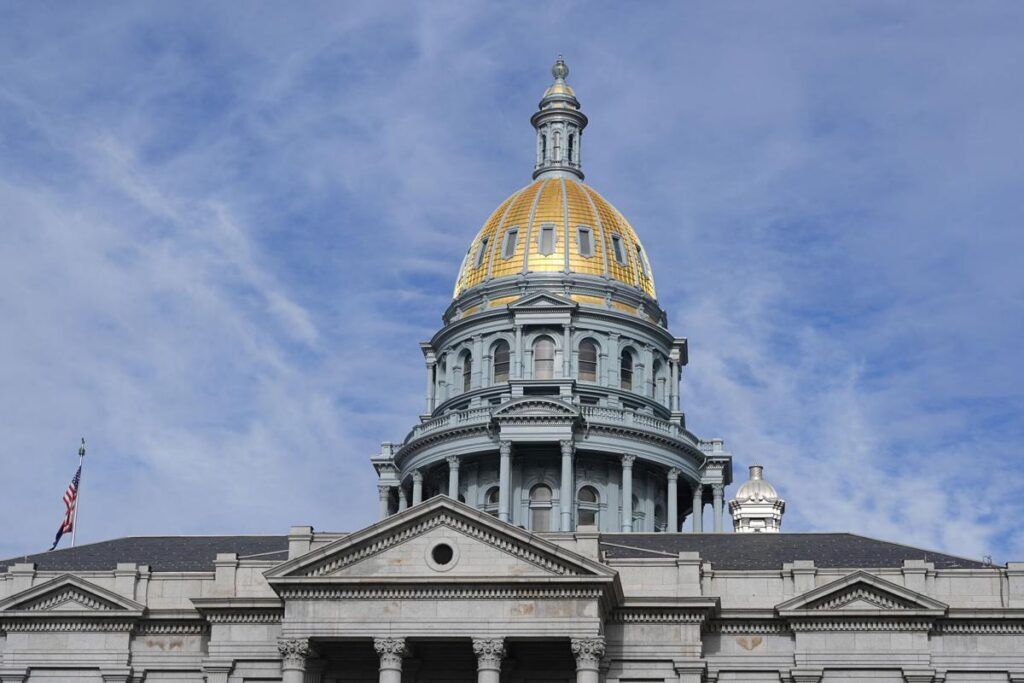
Colorado House passed a bill raising threshold for agriculture overtime by one vote
Marianne Goodland
marianne.goodland@coloradopolitics.com
Updated 56 minutes ago
The bill that would raise the overtime threshold for overtime pay for certain agricultural workers won the narrowest of votes Thursday in the Colorado House. Senate Bill 121 won a 33-32 vote, a dramatic difference from votes cast Wednesday on...
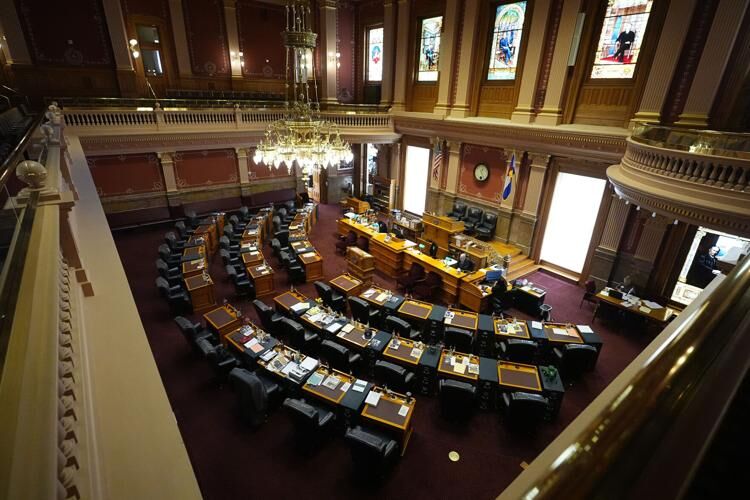
Colorado’s $46.8 billion budget nears finish line
Marianne Goodland
marianne.goodland@coloradopolitics.com
Updated 17 hours ago
The Colorado Senate on Thursday voted largely along party lines to approve $46.8 billion in spending for the next state budget. The spending plan is bigger than what legislators originally approved for the current fiscal year’s budget, driven by increases...
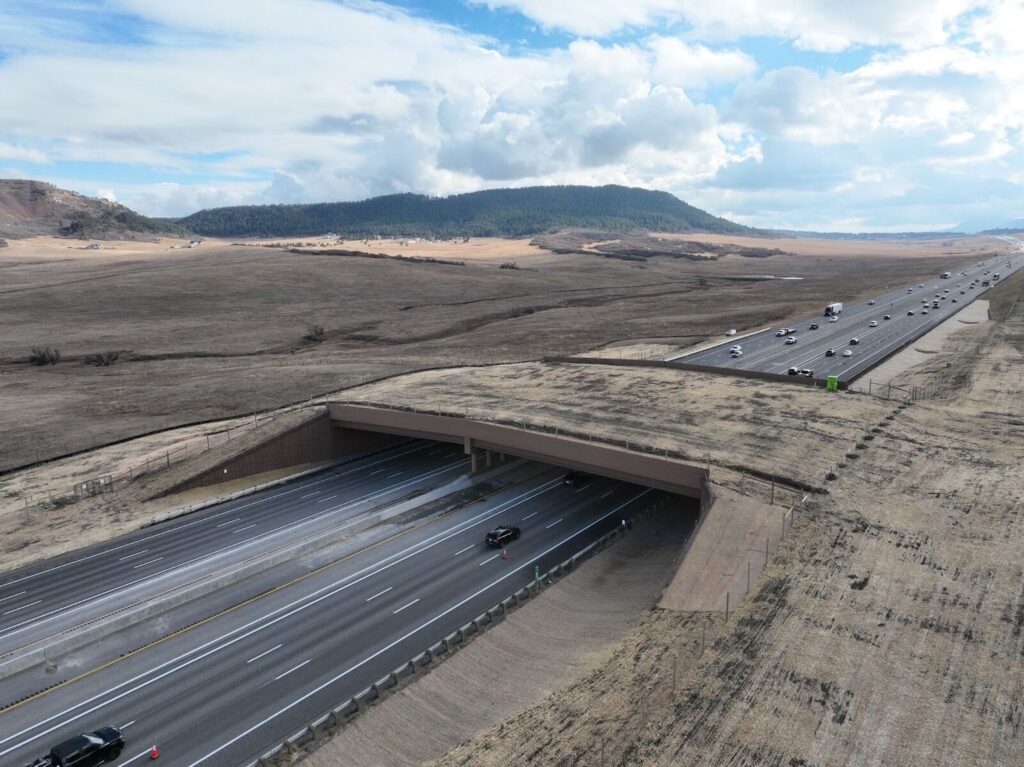
Colorado Senate passes bill for voluntary $5 fee to fund wildlife crossings
Scott Weiser
scott.weiser@gazette.com
Updated 18 hours ago
The Colorado Senate approved bipartisan legislation allowing drivers to voluntarily pay an extra $5 when registering their vehicles to help finance wildlife crossings and reduce the growing number of dangerous collisions between cars and animals on state highways. In 2024...
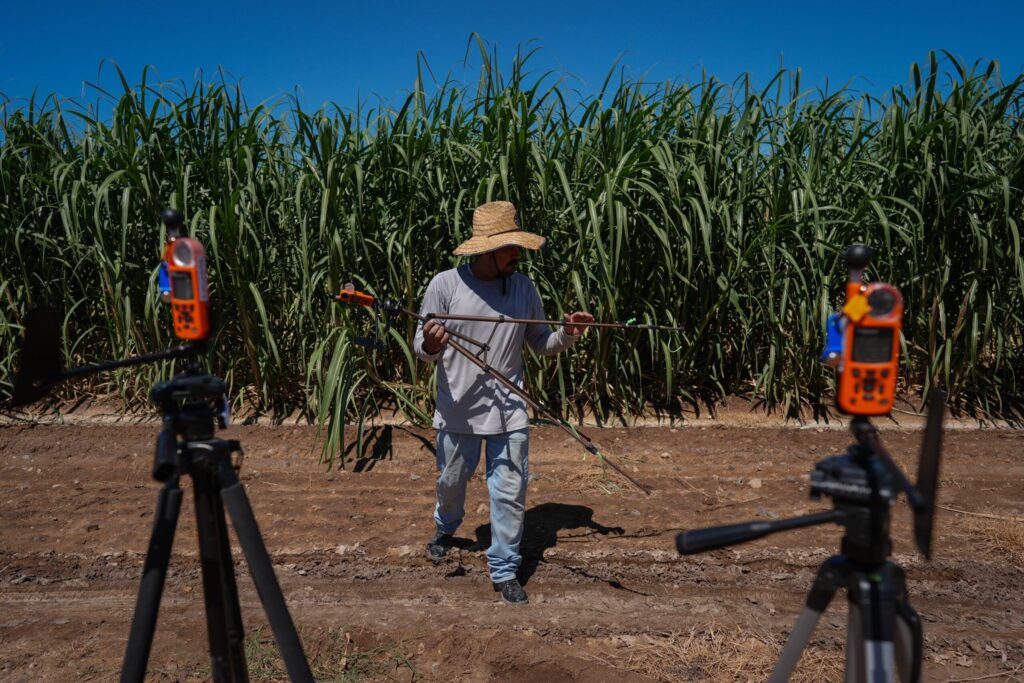
A proposed Democratic bill would make taking Colorado workers’ IDs a crime
Marissa Ventrelli
marissa.ventrelli@coloradopolitics.com
Updated 19 hours ago
After a narrow 6–5 vote, a bill to bar employers from taking workers’ identification documents is moving to the full Colorado House, sparking questions about how often such intimidation occurs and whether a new state law is necessary. House Bill...
House rejects effort to withdraw US forces from the Iran war as Republicans stick with Trump
Kevin Freking
kevin.freking@associatedpress.com
Updated 23 hours ago
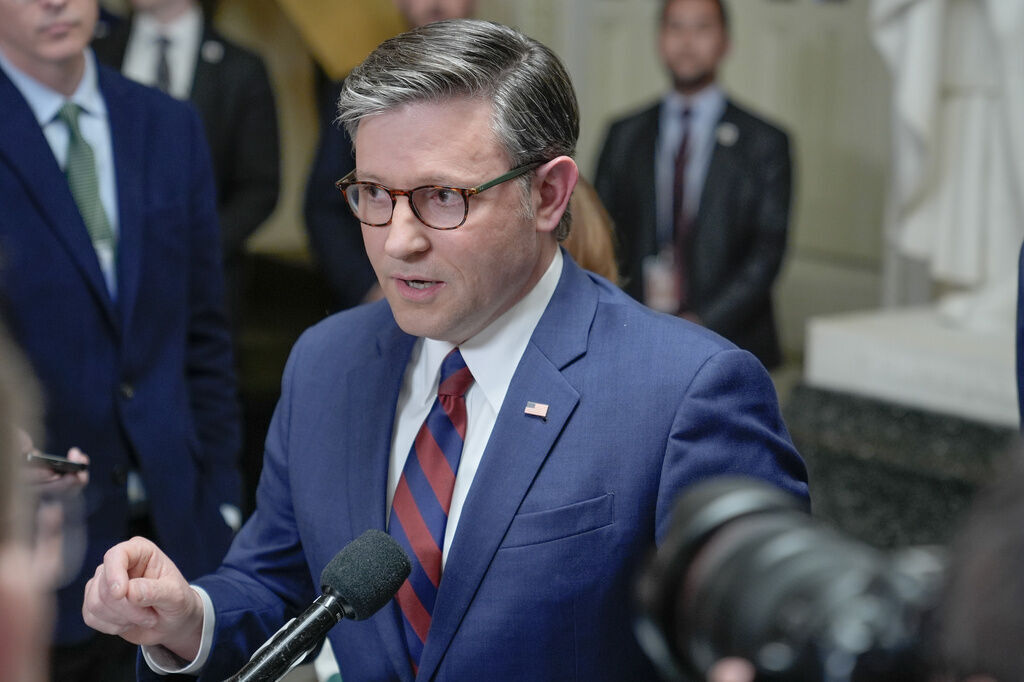
WASHINGTON (AP) — The House rejected a resolution Thursday requiring President Donald Trump to withdraw U.S. forces from the war with Iran unless Congress authorizes military action. It was the latest such vote that fell short of passage as Republicans...
9 Colorado hospitals at risk of closing due to Medicaid cuts
Nico Brambila
nico.brambila@denvergazette.com
Updated 23 hours ago
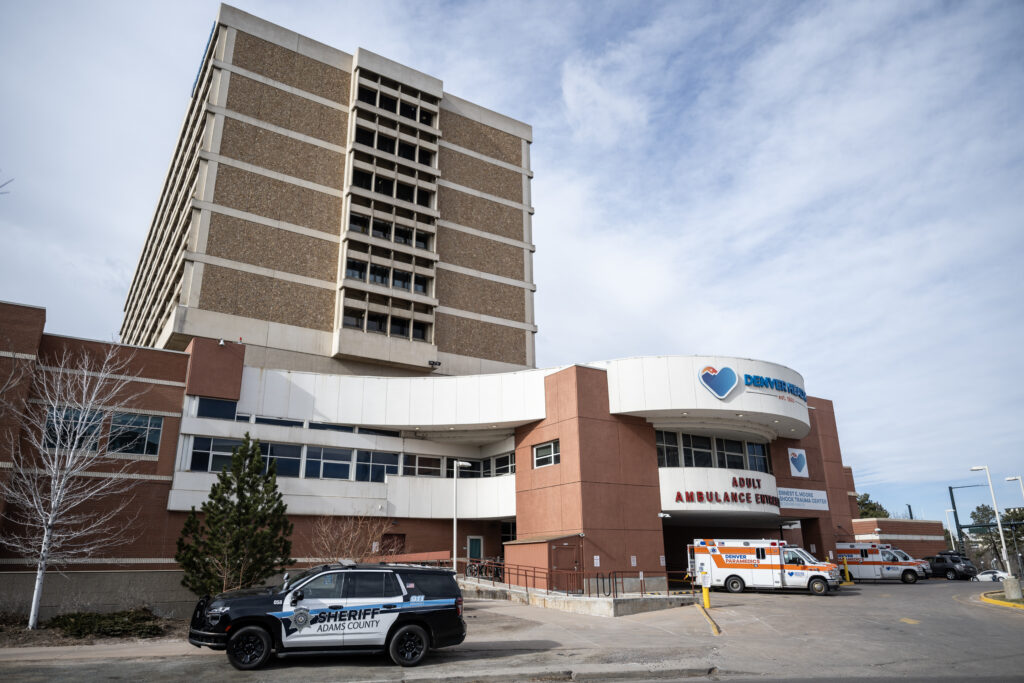
The $900 billion in Medicaid cuts over the next decade could threaten the viability of more than 400 hospitals nationally and at least nine in Colorado, a new report has found. The hospitals span the Front Range and rural communities,...