

DENVER COUNCIL SPOTLIGHT | Councilwoman Amanda Sandoval talks her past, present and future in District 1
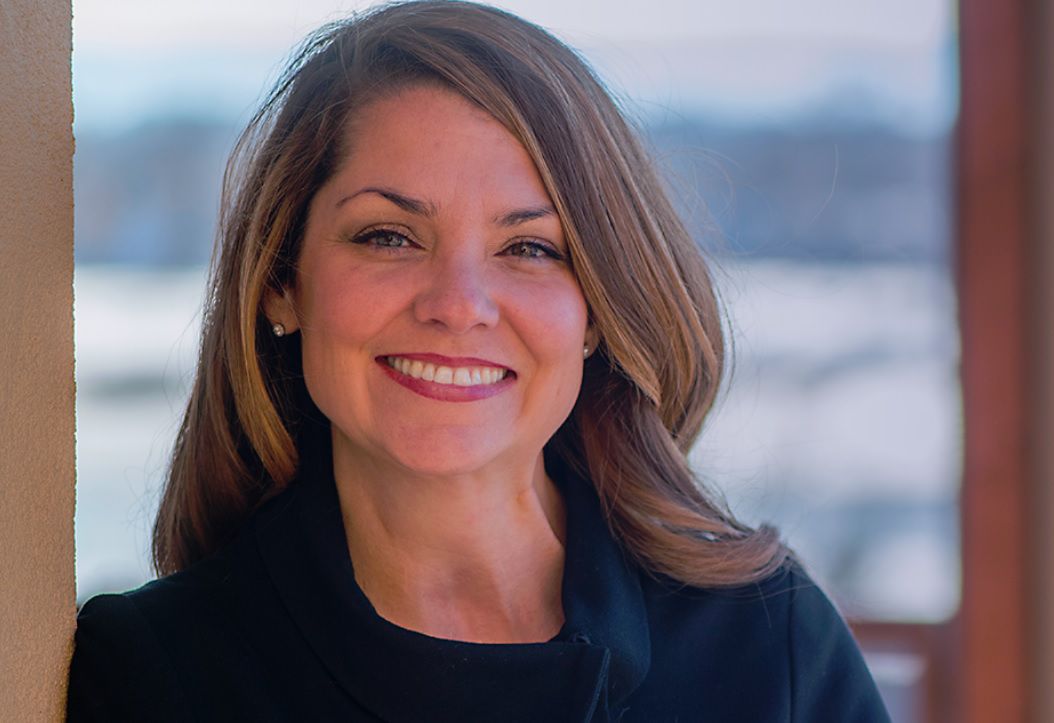
Northwest Denver, encompassed in District 1, is one of the most treasured and fastest-changing parts of the city, consisting of the Berkeley, Chaffee Park, Highland, Jefferson Park, Regis, Sloan’s Lake, Sunnyside, West Highland and West Colfax neighborhoods.
While the district boasts many of Denver’s attractions – including the Downtown Aquarium, Children’s Museum, Regis University and Berkeley, Rocky Mountain and Sloan’s Lakes – its representative, Councilwoman Amanda Sandoval, loves it for much more.
Sandoval was born and raised in District 1, graduating from North High School and working at her family’s restaurant La Casa de Tamales in Berkeley. Even after attending Metro State University and going to Washington, D.C., on fellowship, she returned to the district where she now raises a family of her own.
Sandoval was elected to the Denver City Council to represent District 1 in 2019. Now, nearly two years into her term, she talked about her home district and her time as a City Council member.
What made you want to become your district’s city council representative?
I started in a council office in 2012. I worked for former (District 9) Councilwoman Judy Montero and then for my predecessor Councilman Rafael Espinoza. When he decided not to run for re-election, he asked if I would run because I had helped run his office for 3½ years. It was really the love of my neighborhood and the love of serving the people of northwest Denver.
I wanted to work on land use issues, which I am currently doing. I’ve been really successful in bringing forward new tools in the tool box for land use and making sure that the people in northwest Denver who felt like they hadn’t had representation for a long time had a voice in the process.
How have you seen District 1 change over the years?
It’s changed a lot. The built environment has changed, we’ve lost a lot of the Latino population, displacement and gentrification have taken place. And at the same time, a lot of good things have taken place.
People have a real passion for their parks and open space. Lots of new, smaller restaurants have popped up. As property rates have gone up, people who have invested in their property for a long time are able to hopefully have leverage against their house and access to other types of capital. But at the same time, the high costs of living in northwest Denver have also made it unattainable for a lot of people who grew up in northwest Denver.
Northwest Denver plays a vital role in all of Denver. What’s good for northwest Denver is good for Denver and what’s good for other districts is also good for northwest Denver. It just makes Denver an even better place to live.
How has your experience as a council member been so far?
Very unique. I have served in the council under a pandemic for longer than I served in person. We’ve had to pivot and learn how to do all of our work virtually, which I think is very challenging when you’re supposed to be representing the people and have direct access to the people you represent. It has its really good moments and it has its really challenging moments.
One of the most rewarding things that I’ve been doing is working on equity vaccine clinics with four other Latinas. That’s been so rewarding – offering people appointments when it’s been so challenging to find access to the vaccine, especially in the minority community. My next favorite thing is changing the name of Columbus Park. Since the ’60s, the park had been referred to as La Raza Park and I was able to lead that change. It passed in December, so now I never have to write the name “Columbus” for anything in my council district again.
Denver city and county expecting over $310 million in federal COVID relief
A challenge is not being able to develop relationships with some of my colleagues and constituents. Every Friday, I used to host office hours at a coffee shop and have people drop in to talk directly. I’m not able to do that, everything has to be via computer which I don’t feel is equitable for people who don’t have access to technology. I’m missing out on meeting with my community authentically and where they are, which I believe leaders are supposed to do.
At the same time, I love the opportunity. I’m very blessed to be serving in this capacity, especially right now. It’s an honor to be here.
As a council member, what are your priorities for the future?
I’m adding zoning to allow accessory dwelling units in areas of northwest Denver. I’m working on inequities with the vaccine, so making vaccines accessible to the minority population. I’m working on supporting our small, local businesses who were impacted so greatly by COVID. And making sure that our children who have been working and going to school remotely for so long thrive in this upcoming year.
Denver’s Sloan’s Lake neighborhood could be rezoned for ‘granny flats’
The biggest legacy I could leave is making sure whoever comes after me is prepared and has a good infrastructure and resources to navigate democracy. And that, though we may not always agree on everything and my constituents may not always agree on how I vote or what I do, hopefully I’ve approached things in a thoughtful, meticulous manner that got good, lasting results.
A lot of the policies that I develop and land use tools that I develop will impact the future generations of Denverites and that’s what I’d like my legacy to be. Making a difference for the next generations.
This interview has been edited for length and clarity.

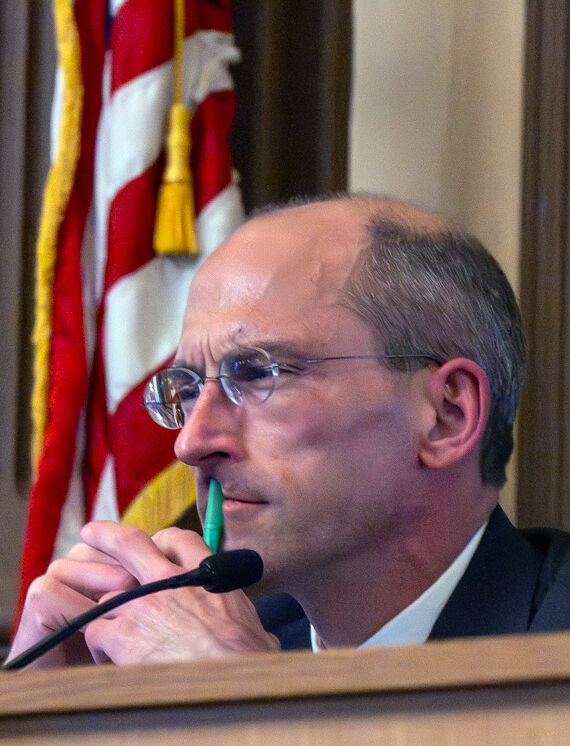
Colorado Sen. Mike Weissman calls for cold water on heated hate speech
Marianne Goodland
marianne.goodland@coloradopolitics.com
Updated 1 hour ago
Likening the recent record-setting warm temperatures to hot political rhetoric, Colorado Sen. Mike Weissman, D-Aurora, pleaded for an end to death threats and other hate speech directed at lawmakers of both parties. “The increasingly tragic reality of our politics, however, like...
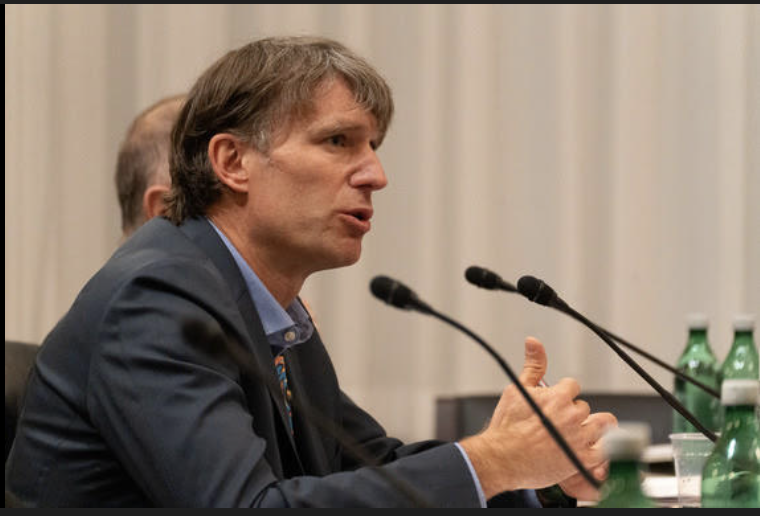
Ethics panel dismisses complaint against Colorado agency chief Dan Gibbs
Marianne Goodland
marianne.goodland@coloradopolitics.com
Updated 2 hours ago
A state ethics panel has dismissed a complaint against Dan Gibbs, executive director of the Colorado Department of Natural Resources. The complaint, filed in December 2021 by the Republican-affiliated group Defend Colorado, alleged Gibbs awarded the think tank Keystone Policy...
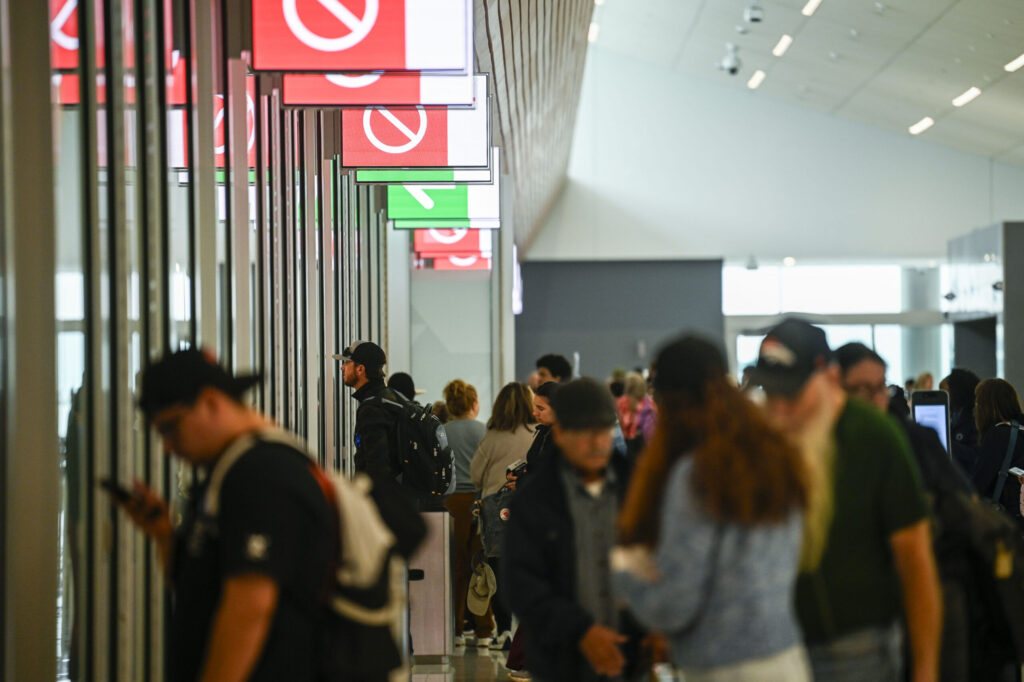
Denver airport hasn’t had notice ICE agents will assist TSA yet. Wait times are short, though
Bernadette Berdychowski
bernadette.berdychowski@denvergazette.com
Updated 1 hour ago
As President Donald Trump deployed immigration agents to help U.S. airports manage hours‑long security lines during the partial government shutdown, Denver International Airport remained relatively calm on Monday. At the nation’s third‑busiest airport, TSA PreCheck lanes remained open to start...
Appeals court recognizes longer window to sue insurers for withholding policy details
Michael Karlik
michael.karlik@coloradopolitics.com
Updated 4 hours ago
Colorado’s second-highest court split with its own prior decision earlier this month and concluded injured motorists have two years, not one, to sue insurance companies for withholding relevant information about an at-fault driver’s policy. In 2019, Colorado lawmakers enacted a measure to...

Trump open to $5 billion ICE funding cut if SAVE Act package passes
Zach LaChance, Washington Examiner
zach.lachance.washington.examiner@gazetteedit.wpenginepowered.com
Updated 5 hours ago
President Donald Trump signaled he is open to a $5 billion funding cut for U.S. Immigration and Customs Enforcement if the Senate passes the Save America Act, along with other amendments. “I don’t think we should make any deal with...

Appeals court decides free speech cases, error-prone judge reversed again | COURT CRAWL
Michael Karlik
michael.karlik@coloradopolitics.com
Updated 5 hours ago
Welcome to Court Crawl, Colorado Politics’ roundup of news from the third branch of government. The state’s Court of Appeals decided multiple cases implicating free speech rights, plus Colorado’s most error-prone judge was reversed on appeal yet again. Heard on...
It’s time to let unaffiliated voters caucus | Vince Bzdek
Vince Bzdek
vince.bzdek@gazette.com
Updated 6 hours ago
There’s no getting around it: Colorado’s 3,000 county caucuses, which just wrapped up recently, left half the electorate out in the cold. Since unaffiliated voters now make up 51% of all Colorado voters, a majority of Colorado electors are barred...

With new medical school set to open, Feinstein will step down as UNC president
Hap Fry, Special to The Gazette
hap-fry@gazette.com
Updated 1 day ago
GREELEY • Dr. Andrew “Andy” Feinstein, the charismatic president of the University of Northern Colorado, has announced that he will step down from his leadership role just on the cusp of what is perhaps his signature accomplishment being realized. He’ll...
Governor warns energy development both a boon and a risk to Colorado | A LOOK BACK
Rachael Wright, Special to Colorado Politics
rachael.wright@coloradopolitics.com
Updated 5 days ago
Forty-Five Years Ago This Week: “The real opportunity and the dangers before us are both real,” said Gov. Dick Lamm in his January state of the state address before the Colorado General Assembly. Lamm argued that energy development would continue...
A Mile High, again: Capitol M | Week of March 21, 2026
Marianne Goodland
marianne.goodland@coloradopolitics.com
Updated 5 days ago
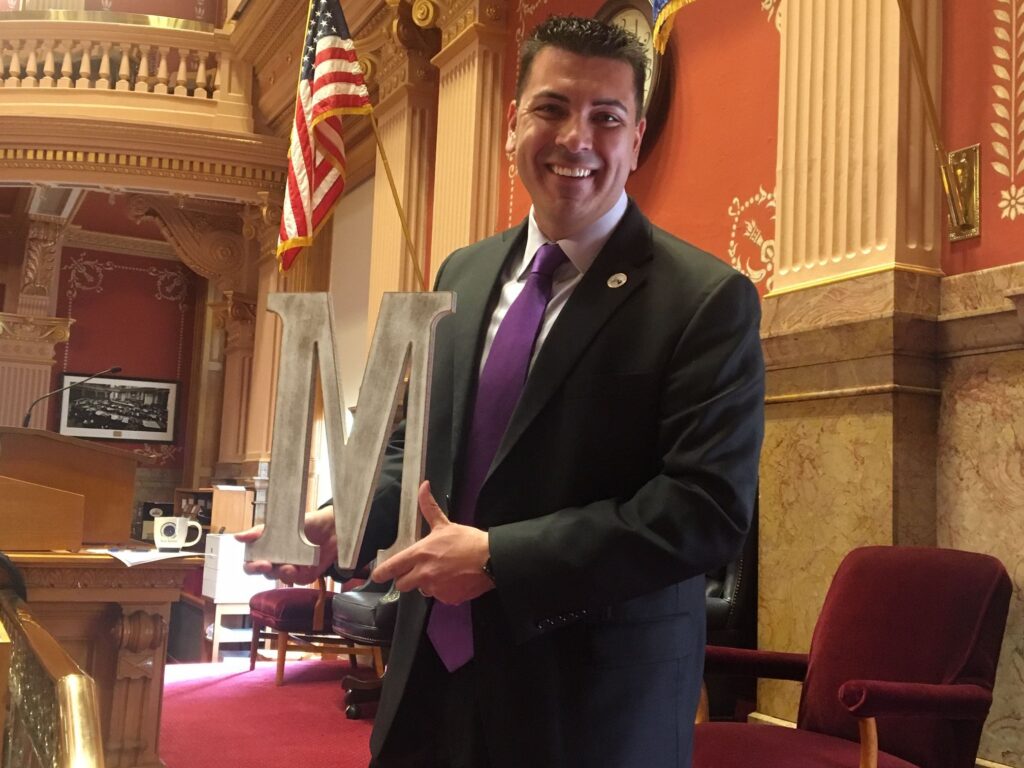
The lighter side of the Capitol, usually…. Local Journalism Day, except they forgot their very own local journalists. The state Senate on Thursday, March 19, passed a resolution recognizing Local Journalism Day. Everyone voted for it, which is good, because...
PREV
PREVIOUS
INSIGHTS | Colorado teeters at the edge of reason
This isn’t just about one school where they did a boneheaded thing with all kinds of consequences. This is about getting ourselves together, Colorado. When it comes to being reasonable, we’re fraying at the edges. Bonehead Middle School is just one example. On Aug. 27 Isaiah Elliott and a classmate were horsing around during their […]
State officials, lawmakers to hold statewide listening tour on how to spend federal stimulus dollars
Gov. Jared Polis, State Treasurer Dave Young and legislative leaders intend to conduct a statewide listening tour to solicit input on how to spend billions in federal stimulus dollars headed Colorado’s way. The tour will start in Pueblo on March 28, with a second stop in Grand Junction to follow. Additional stops for the two-week […]