

COVID: THE LONGEST YEAR | An oral history through the eyes of Coloradans who lived it

After a slow and steady build up, the coronavirus and its effects blazed into Colorado last March. Within three weeks of the state identifying its first case, Gov. Jared Polis had issued a stay-at-home order, schools had closed, nursing homes had locked down and masks became ubiquitous.
The impacts of the pandemic have continued to define Colorado and the rest of the country. What many thought would last a matter of weeks has dragged on, at what seems like a snail’s pace, for 12 months. It’s spanned the end of one presidency and the beginning of another. Many restaurants’ temporary closures became permanent, 30,000 students have left Colorado’s public education system, and many families have been reduced to Zoom holidays and window visits at nursing homes.
March 2020 has become a cultural curse, a month that wouldn’t end.
A year later, we spoke to roughly two dozen public health officials, nurses, doctors, families, teachers, transportation officials, restaurant owners, law enforcement officials and others to reconstruct those early weeks of the pandemic through the eyes of Coloradans who lived it.
“We knew it was coming,” said Bob McDonald, the executive director of Denver’s Department of Public Health and Environment. “What we didn’t know was: How bad will it get?”
The buildup
In the weeks and days before Colorado identified its first case, word of the novel coronavirus’s spread in China trickled and then rushed into the minds of the public. Few, if any, predicted what this pneumonia-like infection would become. Many said their first awareness of the virus was when it spread into a nursing home outside of Seattle, the United States’ first outbreak.
Jon Samet, dean of Colorado School of Public Health and COVID modeler: Certainly by mid-February, the cases out in Washington state – it became apparent this pandemic was going to reach us because it was reaching everywhere.
Brittnee Fransua, nursing home administrator: From the moment that I heard about that nursing home in Washington getting ravaged by the virus, it was: The virus could get into our building at any minute. Some of these residents have been in our building for 10-plus years, and it could affect them and take them away from us and take them away from their families.
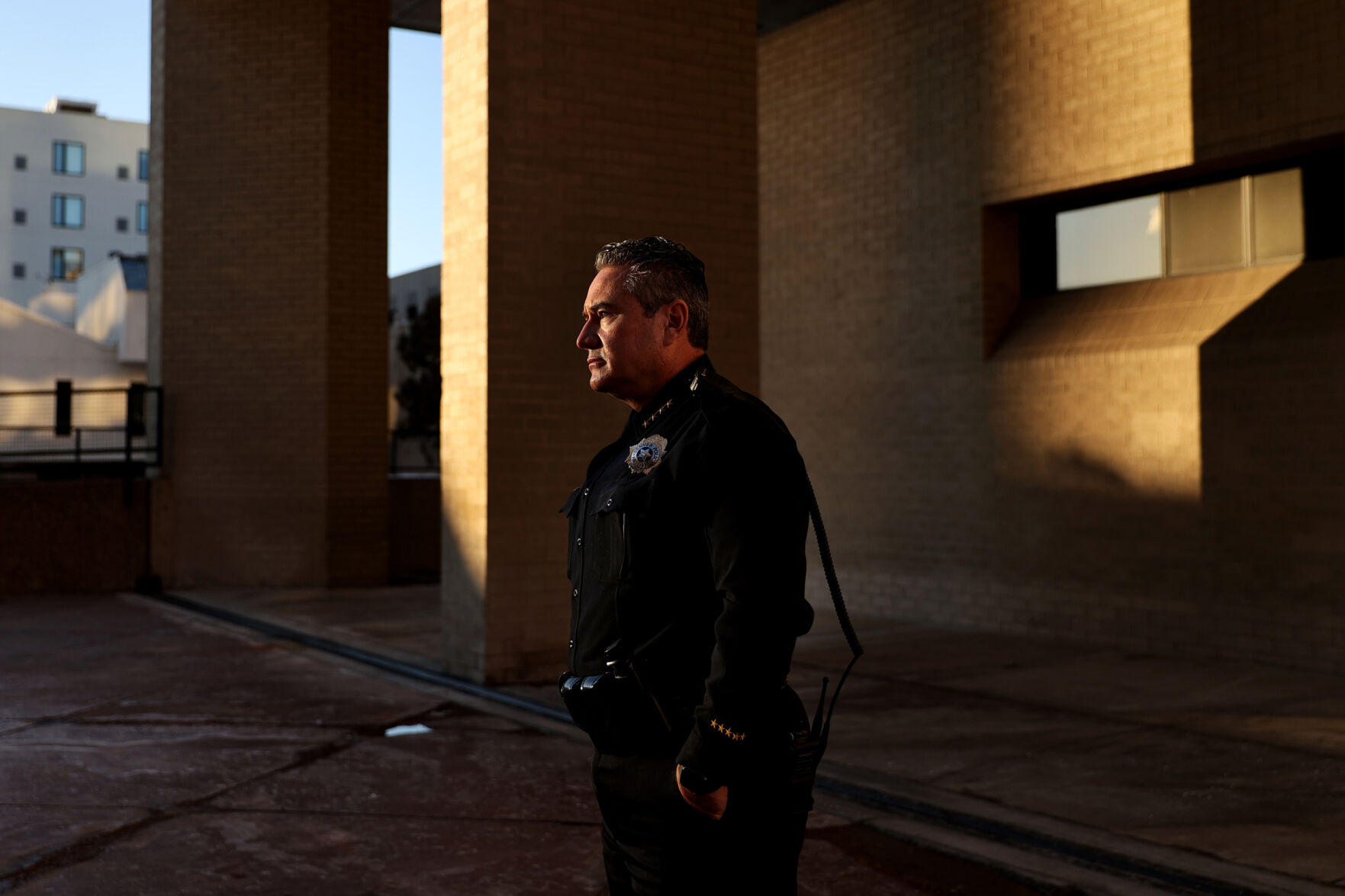
Paul Pazen, Denver police chief: Our very first action was, “Hey, this looks like it’s coming. Let’s develop a (safety) plan for Denver Health.” This was late January, early February, when we first started talking about what a pandemic would do to our city. And some of those initial thoughts were, O.K., I’m a parent, right? My kid is sick; there is nobody that’s going to keep me from going to the hospital, right? If the hospital is already overwhelmed, how do we have a safety plan for the hospital to make sure that they’re able to do their work? So our very first conversation was, “All right, let’s start looking at a safety plan for the hospital just in case they get overwhelmed.”
Eric France, Colorado’s chief medical officer: In some ways, it felt like we were quickly getting prepared for the real possibility that our hospitals would be overrun and our ICUs would be overrun.
Scott Vargo, Summit County manager: We were dealing, actually in February and early March, in Summit County with a mumps outbreak that had taken place in one of the ski resorts. We were focused on that, and it was kind of interesting that we were dealing with that and we were talking about the coronavirus and there was some planning going on, but we were far more focused on the infectious disease that was going on within Summit County at the time. Now, it so pales in comparison to what COVID turned into.
Karmen Kirtley, Denver Public Schools teacher: I wasn’t afraid. I thought it was really strange, like a flu or a pneumonia.
Katrina Doyle, nurse, Highlands Ranch ICU: I think at that time, just like anybody else in the area, there’s a sense of not-reality. That’s happening over there, I’m seeing it in a video, I don’t see it in my day to day. Maybe it won’t be that bad here. We’re a country that has really good health care. Maybe it won’t be that bad.
By early March, it became clear that COVID would spread. Planning began as counties stood up their emergency operations centers, and health officials began taking stock of their protective gear. Panic and confusion slowly began to rise among the public.
McDonald: There was still much we didn’t know. The CDC was saying face coverings don’t matter that much. As the science improved, their guidance improved. You can only prepare so much for something you know so little about.
Lisa Filipczak, head of contact tracing and investigation, Denver Public Health: I remember those days. We were getting so many phone calls from people about lots of worries. “I received a package from China, do I need to be worried?”
Jeff Buck, Denver Public Schools teacher: We started making face coverings. We got out the sewing machine and started sowing masks because we couldn’t find masks.
Pazen: Typically, officers know exactly what they signed up for, and they’ll do whatever it takes to keep their community safe; they’ll put others ahead of themselves; they’ll put themselves in harm’s way in order to protect others. This one just was different because not only are those individual officers who are heading towards danger, they also recognize, “I could be bringing this home unknowingly, and putting my loved ones at risk as well.”
Fransua: My residents with some of their family members were in the middle of bingo and I went and announced to them in the middle of bingo that we did not take the decision lightly, but for the safety of all interested parties, visitation wasn’t allowed at this time.
Joni Reynolds, program director for Gunnison County Public Health: I described it in my mind as being in the middle of a storm, and I just really had no idea of both the intensity and the duration of the storm. I thought it was unlikely that it would last for an extended period, meaning months, but I really didn’t know what to expect.
Burman: A lot of our conversations in the early part of 2020 were about the delays in testing. It’s terrifying, quite frankly, to face an epidemic and not be able to test or be able to test at very low volumes.
First case and road to shutdown
On March 5, Colorado reported its first two cases. One was a non-Coloradan who’d traveled to Summit County, and the other was a woman in Douglas County. Those cases were quickly followed up by infections in Denver and El Paso counties. The poor messaging coming from the federal government frustrated health officials, as did the chronic shortage of testing supplies and protective gear.
Emily Travanty, state laboratory director: I remember that day very clearly. I even know which of the many instruments in the lab that sample was run on. My lead scientists were inside of the laboratory, and they were watching the curve on the instrument starting to rise for the positive. They sent me a Google chat and said, “We need a virologist in here right away.” We have controlled access into the doors to the lab. I started trying to open the door without badging my badge access so I was just pulling on the door. … We watched as it went to the completion of the cycle.
Vargo: Myself and (Summit County) Commissioner Elizabeth Lawrence were down in Denver for a Colorado Association of Ski Town meetings. The governor had actually come and was doing a brief address to that group. … I got a phone call from — I think it was our public health director letting me know that we had gotten the positive result, and then I began to work with (Department of Natural Resources executive director) Dan Gibbs really briefly; he was working with other folks within state government who were getting wind of the same thing.
McDonald: I was deployed to the (emergency operations center), it’s where all the decision-making occurred. I was there for I think 90 shifts or so in three months.
Tyler Brown, Arapahoe County sheriff: I moved my permanent operation down into the emergency operation center. We were talking to school district leaders, local government officials, obviously the cities we provide emergency management services for, and inside of that just, the staff of the emergency operation center. … It was just constant phone calls and constant two to three minute meetings with emergency operation staff. Name a government entity or community partner and we spoke with them that day.

Johnny Qualley, Appaloosa Bar and Grill owner: We have a lot of international customers being so close to the Convention Center, so I’d been tracking this since January. When I saw that first convention cancelled in early March, I knew we were in trouble. I had 50 events booked that month, about $750,000 worth of business, that just evaporated over the course of two weeks.
Pazen: It was on a Sunday afternoon, I believe, or Sunday, late morning, that the call came out of the first confirmed case (in Denver). … I remember the call fairly well. The individual wanted to go back to Japan, had traveled from Japan to Denver, and was tired of being in quarantine and made threats that he was going to go to DIA and jump on a plane and go back to Japan.
McDonald: I don’t know that there was any one particular day that I thought, “Boy this was serious now.” I think every day it would get worse. Every morning, I’d look to see how many more cases there were. It was this slow escalation that — “Boy, we’re going to be in the (emergency operations center) for quite some time.”
Kirtley: The last time Ira (Kirtley’s partner) and I went to dinner was on his birthday on the 11th. And I said, “Do you think we should even be here?” He said, “Well we won’t do it again.” That was the point. His birthday dinner was the point we never went out again.
Samet: We all had to adapt to new work scenarios. Realistically, we had to be concerned about your health, whether you had toilet paper. There was a whole lot of new stuff going on. We didn’t really understand the modes of transmission or the sense that you might touch a doorknob and get sick. It was a lot to adapt to for all of us at all levels.
Reynolds: Going home those first few days, thinking, “This was a dream and it would end relatively soon,” to the realization that this chaos that I was in the middle of was not only going to be enduring but there was a need for me to be centered and for me to provide some direction to this team.
Fransua: It was very chaotic in the beginning after that time because we have regulation change after regulation change from local government entities, from state government entities to federal government intenties. Sometimes all three of those didn’t correspond to each other, and they were literally changing every 24 to 48 hours. … I did have people questioning their future or career in long-term care.
Travanty: We received the initial CDC test and started working on bringing that up. There were some problems with that initial test (the CDC would later recall it). That was a frustration, that we weren’t able to get it going as fast as we wanted to. At the time, we didn’t have anywhere near as many tests as we needed.
The state laboratory operated 8 to 5, five days a week. The very first thing we did was add weekends and expand our hours. And then we went to two shifts. Then we went to three shifts, 24/7.
Filipczak: I remember talking to a home health care provider that couldn’t procure masks for her staff, and I didn’t have a lot of options to help her, and I of course felt terrible about that. There was a nationwide shortage. Her team of course was scared. We had very few testing options for people, which was super frustrating. Providers had short tempers, we were getting yelled at, unfortunately. But understandably. They were frustrated that their patients couldn’t get tested.
Reeves: Dad was moved from the assisted-living into a rehab facility on March 17. That was the day they shut down visits. I knew I wouldn’t be able to visit him there. At the same time, the assisted-living center where mom was, they shut down visits. I thought, “This is going to be two, three weeks. We’ll just talk on the phone until then.”

Erin Trujillo, ICU clinical coordinator, North Suburban Medical Center: I was at work the day we got our first positive. It was a realization that, OK, it’s here, it’s game time. That first patient did really well. But just in a matter of weeks after that, the patients we had were increasingly sick, and we were over capacity. It just kind of hit us.
Shutdowns and first wave
Three weeks after the first cases were identified in Colorado, Polis issued his shutdown order. Schools had closed, as had most public-facing businesses. Every test had to be processed by the CDC, and states were competing with each other for protective gear. Then the first wave hit hospitals.
Tiffany Cunningham, respiratory therapist, North Suburban Medical Center: I knew that I had a job to do, that’s what I wanted to do, and I wanted to be at work every day to hopefully try to make a difference. A lot of us in our department were working five or six 12-hour shifts a week, just because we were so short. And we needed so many hands on deck and we almost couldn’t keep up with the demand because the way we treated the virus at the beginning is different than now.
France: Any delays meant that numbers would get quite high before they would start to slow down. The information from China about how serious it was, and the people that were dying (were) older folks. We had the experience of the nursing home in Washington state, where so many people were very, very sick and dying.
Tobias George, nurse practitioner, Denver Health: You have the conversation with (patients) when they’re coming in: “What’s your code status, you’re really sick right now, we’ll probably put you on a ventilator, here’s what that’s going to look like.” The question they always ask you, “Do you think I’m going to live, do you think I’m going to make it, and how long do you think I’m going to have to be here? “
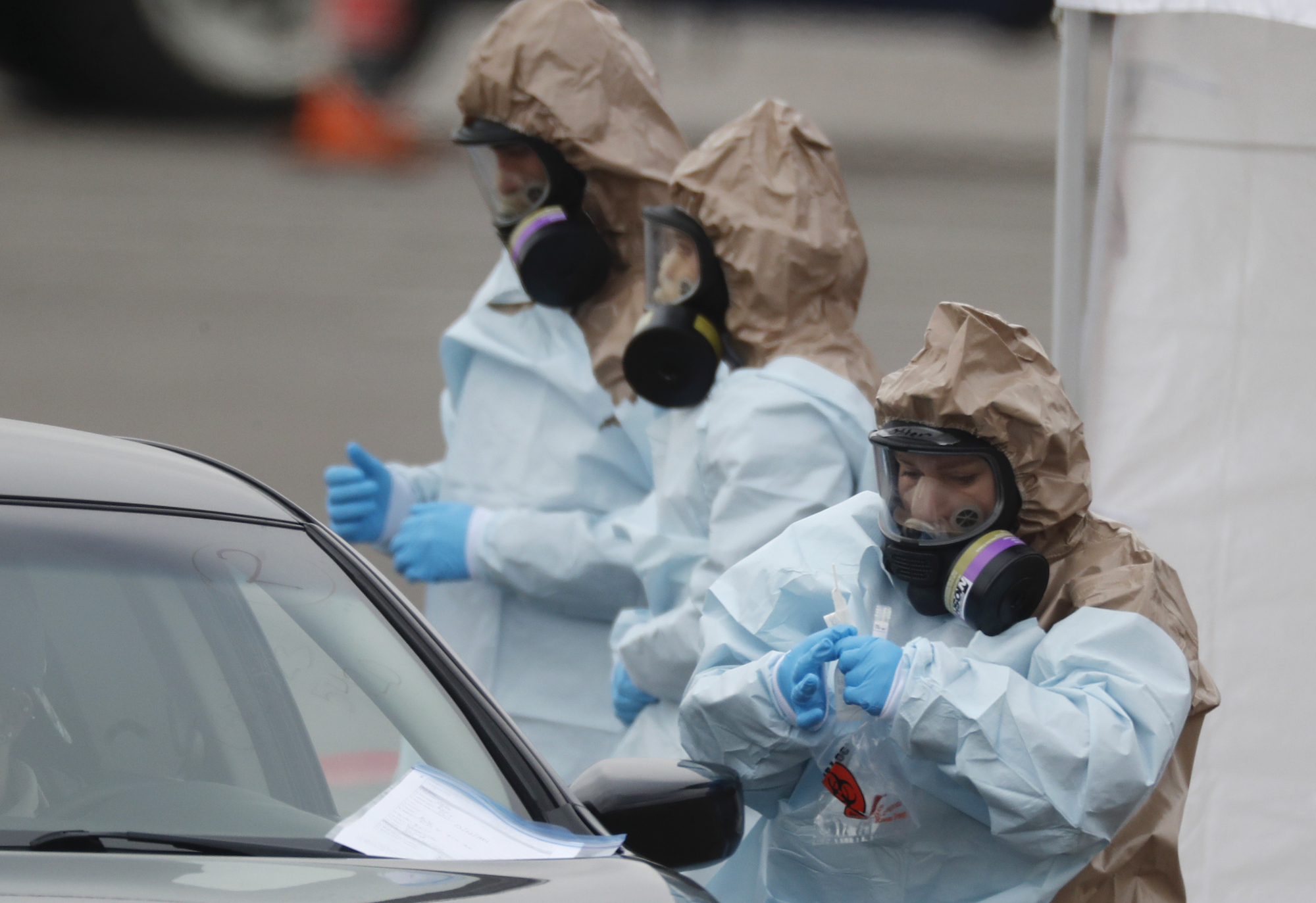
Reynolds: It was later in March when we’d set up the testing, and we were doing testing in the parking lot in March in Gunnison. It’s just an image that’s hard to portray. This is a cold place with frequent storms, and we had a parking lot with folks with full personal protective equipment, with N95 (masks), and then their winter gear over them, out in the snow trekking from car to car and trying to come inside to warm up.
We had one particular day where the team, the EMS team, had to intubate several patients in one day. They don’t intubate several patients in a year. That was a tipping point for us.
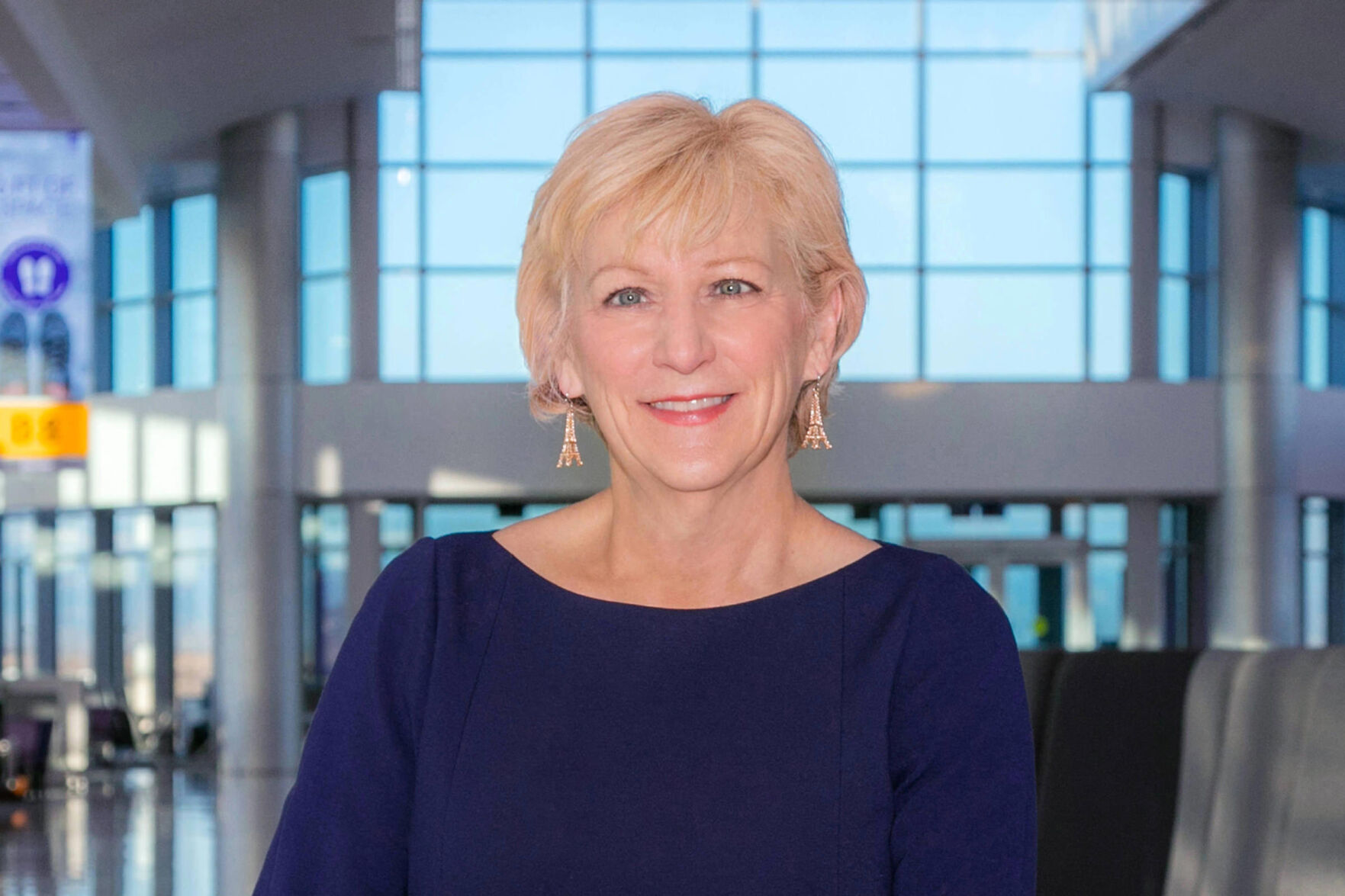
Kim Day, CEO of Denver International Airport: I remember the afternoon in March when our executive team realized we needed to divide into two sections and keep isolated from each other. We were trying to figure out what a schedule would be, who would come in on what day. I had the sense then that life had changed.
Chris Fuselier, Blake Street Tavern owner: I really started thinking about it when the mayor canceled the St. Patrick’s Day Parade because that is our second busiest day at Blake Street. It’s normally a $100,000 day, and I penciled that it was canceled in early March and that had me really concerned. … On Monday the 16th – I call it “D-Day” for restaurants – was the last night we were open because the next day we were closed by the city.
Vargo: We shut down just before the busiest weeks of spring break, in March and early April. That was crushing to a lot of small businesses and industry. And then again, having restaurants closed, lodging closed, essentially through the end of May, was incredibly impactful for our business community.
France: You look at different states and find the best practice is to take your best shot. I think that whole time, we took a series of bets and we had to act quickly. We better do this now because if we don’t, it could be really bad in the next three to four weeks. So let’s pull the trigger. You didn’t really have all the information you necessarily needed, but you didn’t have the opportunity or the luxury of time.
Qualley: We had stopped ordering food, but we still had a lot of inventory. We turned Appaloosa into kind of a grocery store and just opened up and let everyone take the food, rather than let it go to waste. The hardest part, though, was laying off 75 humans. I had to lay off every single person, except myself – but I stopped paying myself. I told them all to go get unemployment. I was the one doing the crying, though.
Michelle Jeske, city librarian, Denver Public Library: At that point, when we didn’t know how long it was going to be, we began focusing our attention to helping customers understand what they could still do at the library. But I would say the biggest focus was on staff and helping them process what was happening. Our executive team started having daily COVID meetings and communications with staff trying to convey what we were learning, planning and trying to figure out how to stand up services for customers.
Burman: Of course, there was a lot of planning and a lot of discussions with schools in that same time period. The schools were getting ready for spring break, and the questions were: close early, or wait till spring break? How much is this going to be like influenza?
Kirtley: We could talk about going back to school as much as we want, but we’re not going back.
Reeves, whose mother has dementia: She watched the news but couldn’t process it. So I couldn’t explain to her why I wasn’t coming to see her anywhere. She didn’t know. It would be 101 days before I saw my mom again.
McDonald: I was talking with regional partners about, should we have a shutdown? Should we close things up? Should we issue a face-covering order? And I remember talking with (Denver Mayor Michael Hancock) about those controls, and the one thing I think that helped us out at that time to understand this better was that the mayor authorized that very early on, authorized face coverings order and authorized closing things very early on so it didn’t get out of control.
Day: Everyone realized that this shutdown meant that we were all going to lose revenue, and that we were losing passengers. So everyone tried to minimize their staff, minimize the scope of work. We reduced our costs by over $50 million by eliminating some bussing and renegotiating contracts. It devastated the industry to say the least. We were estimating a shortfall of revenue of $400 million for 2020. We came in a little less than that, but still that’s the difference in the revenue when you have no passengers.
Travanty: There was stress because everyone felt very strongly about trying to keep our (testing) turnaround time as low as possible, so we could get results back so decisions could be made by local public health agencies or the Governor’s Office or whoever needed that information. We tracked that turnaround time on the white board in the lab and would talk about it daily.
Brown: The biggest thing we had to be flexible with is the constant changing state that we’re in. Different protocols coming out, and we’re used to having pretty set protocols in terms of how we respond. But this is something we had to be pretty fluid with in our response. I think that’s been the toughest part. We just didn’t know. Usually when we have a serious incident, we know what the desired outcome is and what we need to do to get to that point, but [the] uncertainty of the event itself did not lend itself to how we normally respond to situations.
End of March
By the time March ended, it had become clear that the pandemic would not be a flash in the pan. Hundreds of thousands of infections would follow, as would thousands of deaths and hospitalizations. Polis’s stay-at-home order would later expire, but the masks and various business restrictions have remained in place ever since.
Steven Thai, senior at the University of Colorado-Boulder: One of my hometown friends Cody Lyster passed away near the beginning. He was 21. After that death, it got scary. I realized anything can happen, anyone can go. It was April 7 and my roommates and I were on the roof watching the sunset when my roommate Jordan got a call from one of our friends telling us that Cody died. I had known Cody for years, and it was strange to think he wasn’t a part of my life anymore because of the pandemic. I was devastated. After Jordan told us, we all just sat on the roof in silence all night.
Fransua: Several staffers had bags in their cars and were ready if they had to stay here and ready their residents. I had several staff volunteer to work the COVID unit to help take care of a positive resident, help take care of them and (nurse) them back to health. They didn’t want to lose anyone to the pandemic. They didn’t want to lose anyone to this horrible virus. So they volunteered themselves to help in any way they could.
Fuselier: What’s crazy was that day (March 23) the mayor made an announcement at 1 p.m. Not only were bars going to be shut down, but he was going to close liquor stores and weed places, dispensaries, but we were going to be allowed to sell alcohol to go. So my bar manager said, “We better order a bunch of liquor because they’re going to be closed because they’re not essential businesses.” But three hours later the mayor changed his mind … But what happened was there were literally lines two blocks long to get into liquor stores and dispensaries because there was a panic.
Madison Moon, senior at Rangeview High School in Aurora: Because of anxiety issues, I was online schooled for six years until I switched to public school for my sophomore year. I only had a year and a half of public school before COVID hit, and I had to return online. I feel like I went backward with my progress. Going to public schools was one of my biggest accomplishments and I was really looking forward to being in high school in person. Especially because I feel like I developed a lot of social anxiety during quarantine, like I lost all the progress I had made and developed more anxiety than I had before.
Day: The worst day was (April 15), when we dipped to – are you ready for this – six percent of our normal traveler traffic. If you went to the airport, it was empty. It was almost like 9/11-type empty. It was ominous, quite honestly.
Reynolds: I thought at the time about the trauma we were experiencing, and I talked about that, collective community trauma and how that is impacting individuals and often fueled some of the responses we saw and that sometimes were pretty uncivil. The Texas attorney general filed a letter directed toward me, saying I was violating the Texans’ constitutional rights to come here and access their property. I’ll just describe it as a bulls-eye that was on me that was getting arrows shot at it from really different sources.
Pazen: We didn’t know what to compare it to with regards to global pandemic, but we did recognize that there was likely an economic crisis brewing. And so what we did is we had our crime analysts look at the Great Recession, the 2009, 2010, 2011 numbers.
We weren’t expecting homicides to go up the way that they did in 2020, or shootings to go up. Because actually, in 2008, 2009, 2010, we actually had pretty low years for shootings and homicides. … To me, it tells us that there are other issues at play, right? You cannot just say violent crime and the economy correlate.
Darin Parker, deputy chief, Aurora Police Department: We worked with our IT department; they really stepped up and helped us to figure out a plan to enable our department members to work remotely. We implemented online reporting, which we already had, but we asked our community members to take advantage of that more frequently than we had in the past. Telephone reporting, same thing.
Things like the online reporting and telephone reporting, the more that we implemented that and [they were] used by the community … officers [weren’t] as visible perhaps, as they were prior to the pandemic, right? They’re not driving around from call to call. Only the most serious traffic offenses, you know, were the ones that were getting stopped, that type of thing. … I believe that, you know, high visibility of officers is a factor – certainly not the only factor, but a factor – in deterring crime. If people see police officers out there, I believe there’s a certain amount of them that’ll make a different decision regarding their intention to commit crime.
Qualley: We lost one of our most beloved employees (to the coronavirus). That happened early on (April 8), so that kept us vigilant. I mean knowing someone who died, especially on your team, is pretty brutal.
Burman: (There was) the realization early on that this illness was going to hit low-income, minority, often immigrant communities very hard. Really every aspect of the illness. It would become the perfect, prototypical example of health disparities.
Jeske: It became pretty clear after several weeks that it was going to go on for a while. … At the same time, we did a ton of outreach where our book mobiles started going out and handing out free water; free books, not just library books, but books to keep; and continued going to meal sites, rec centers and at schools and, once it was safe, at older adult living facilities, so there was a lot of outreach.
Moon: By April, the effects COVID had on my mental health impacted me pretty negatively. The scariest part is how much you rely on the social aspects of life and how if you’re not following the same routine, how badly that can affect you and it did affect me. By the end of April, I got really suicidal. Everything that was providing me with a purpose just disappeared.
Surviving 2020 and looking forward
Which March done, Colorado settled in for what would be another year — and counting — of COVID and the restrictions it brought with it. Twelve months later, Coloradans reflect on the successes and the struggles.
Filipczak: I just remember the feelings of intensity and the workload and the stress around that time. It was very intense, but it also was, in a way, a great time for public health because our team really delivered and responded to these demands, and I think that’s what I’ll remember.
Qualley: I call it the “Rona Coaster” — there are ups and downs almost daily. We lost $4.5 million in 2020. … The only thing I’m confident in is that things will change. But our team (now back up to 26 staffers) keeps adapting. I’m most proud of our team – nobody is going to quit.
Jeske: Some things like curbside pick up, which has become really popular will probably be here to stay, and although the virtual programs won’t replace in-person programs, it’ll be a nice accompaniment to reduce barriers for people with transportation challenges or disabilities.
Pazen: If (in) 2020 the only challenge we faced was global pandemic, I would have taken it. And I think that the proactive efforts, the leaning forward that we had, some of the background information really helped us prepare for this; that daily communication on it really helped us. … We know that we have to go out and do this work. There’s no working from home with 911 response.
Thai: It’s frustrating. It seems like nothing’s changing. My class dynamic has been terrible. It feels like I’m in a simulation. I wake up, walk two feet to my desk and open my laptop to go to class. After class, I stay on my laptop to do homework until it’s time to go back to bed. I miss interacting with classmates. I’m really just ready to graduate and be done. I’m ready to get out of here, I’m not even concerned about the graduation ceremony (which is going to be all virtual). I wouldn’t even feel comfortable having a graduation. … I wish I could’ve had my senior year in the traditional sense where you go to school, you go to sports events and you graduate. I would’ve loved that.
Day: We’re about 15% above the national average (on passenger volume). And that’s because we’re a domestic hub. All those gateway, coastal airports, lost all of their international traffic and are really suffering. But we lost 4% of our traffic, which is international, and domestic fell, but it’s coming back up. So we’re recovering quicker. I think as we get vaccinated you’re going to see people getting back on planes
Moon: I was really sad last week because I’ve been thinking a lot about how I’m going to be done in school in late April. Our school didn’t manage to hold a prom, we didn’t have any sports events or anything. I’m coming to the conclusion that high school will be done in a few weeks. That’s that, and my senior year was literally just me sitting behind a computer. Nothing I was looking forward to came true.
McDonald: One of the things that stands out to me is just how resilient society can be. It’s been a very challenging 12 months for so many people in so many different ways, we’ve been hearing confusing messaging. This is the first pandemic for all of us, at least of this magnitude. And we’ve all gone through days where things have been disheartening and confusing. But there was no doubt in my mind that we would get through it, and we’re starting to pull out of it now.

At Colorado’s 150th anniversary, leaders offer birthday wishes
Thelma Grimes
thelma.grimes@coloradopolitics.com
Updated 25 minutes ago
As Colorado’s 150th anniversary approaches, leaders from across the state reflect on the spirit that binds the plains, mountains, Western Slope and Front Range — a shared commitment, they underscored, to opportunity, community, stewardship and personal freedom. Their tributes highlight...
Fauci’s private COVID-19 diaries: Six takeaways on fame, prize money and the lab leak debate
The Washington Examiner
the-washington-examiner@coloradopolitics.com
Updated 3 hours ago
Anthony Fauci’s private writings from 2020 and beyond portray a public health official who was fixated on his growing celebrity while privately grappling with a pandemic response he believed was chaotic, leaderless and consumed by internal rivalries. The writings of...

Denver City Council sends Xcel franchise deal to voters
Deborah Grigsby
deborah.smith@denvergazette.com
Updated 3 hours ago
This November, Denver voters will decide whether to renew the city’s longstanding franchise agreement with Xcel Energy. Members of the Denver City Council approved on Monday sending a proposed 20-year franchise agreement with Xcel that would deliver more than $180...

Denver weighs permanent restriction on low-level traffic stops
Deborah Grigsby
deborah.smith@denvergazette.com
Updated 3 hours ago
A Denver City Council committee is considering permanently limiting certain types of low-level traffic stops used to investigate unrelated crimes and requiring better public reporting about why such stops happen. Members of the Budget and Policy Committee on Monday were...
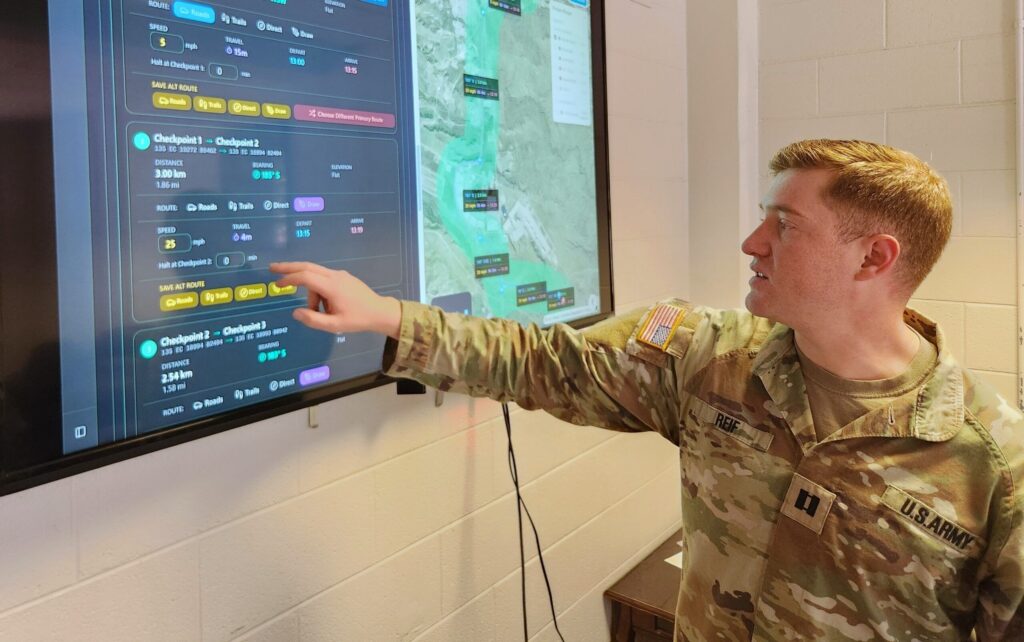
Fort Carson soldiers develop app to plan convoys as part of Next Generation Command and Control
Mary Shinn
mary-shinn@coloradopolitics.com
Updated 3 hours ago
Planning the details of a military convoy with numerous vehicles, personnel, weapons, radios and other details can take a platoon leader three days. In addition to plotting a safe route, leaders need to map out checkpoints to track the convoy’s...
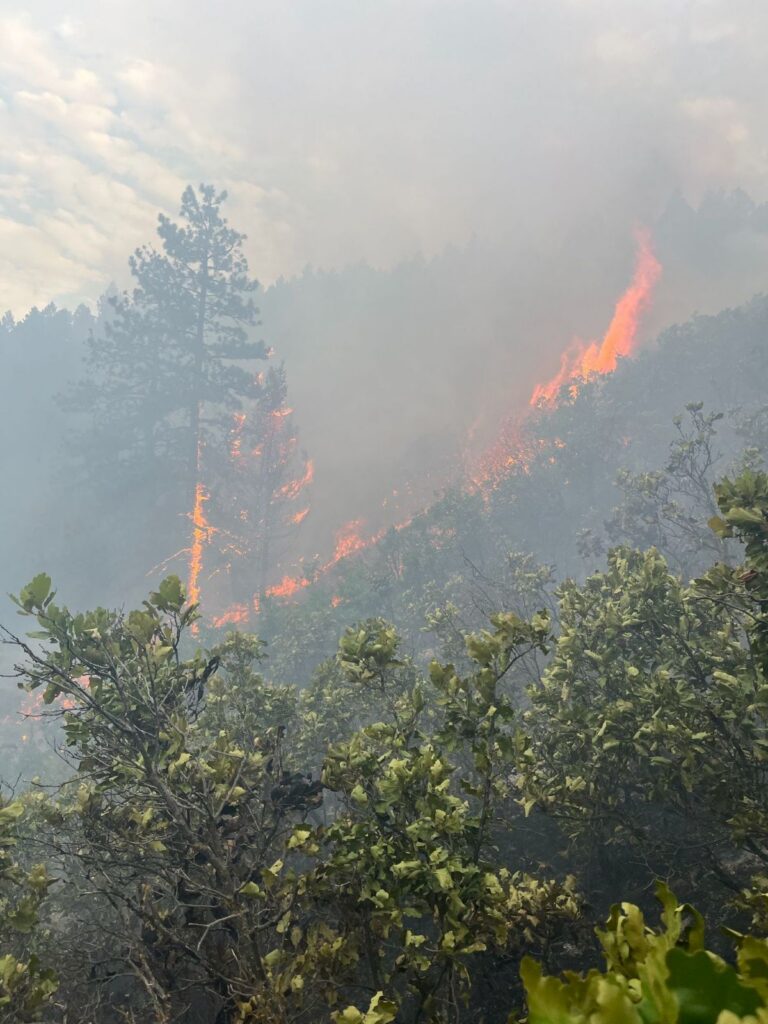
Penley fire near Sedalia reaches 75% containment
Nicholas Fogleman
nicholas.fogleman@denvergazette.com
Updated 3 hours ago
Fire crews battling the Penley fire west of Sedalia made significant progress overnight, holding the wildfire at about 3 acres and reaching 75% containment Monday, according to Douglas County officials. The fire, which sparked Sunday west of Sedalia, prompted evacuation...
Colorado board permits state to appeal injunction against arthritis drug price cap
Marissa Ventrelli
marissa.ventrelli@coloradopolitics.com
Updated 2 hours ago
A Colorado board voted Friday to allow the Attorney General’s Office to fight an injunction against a price cap on a drug that treats arthritis. A U.S. district court judge had granted the company Amgen a preliminary injunction, temporarily blocking...
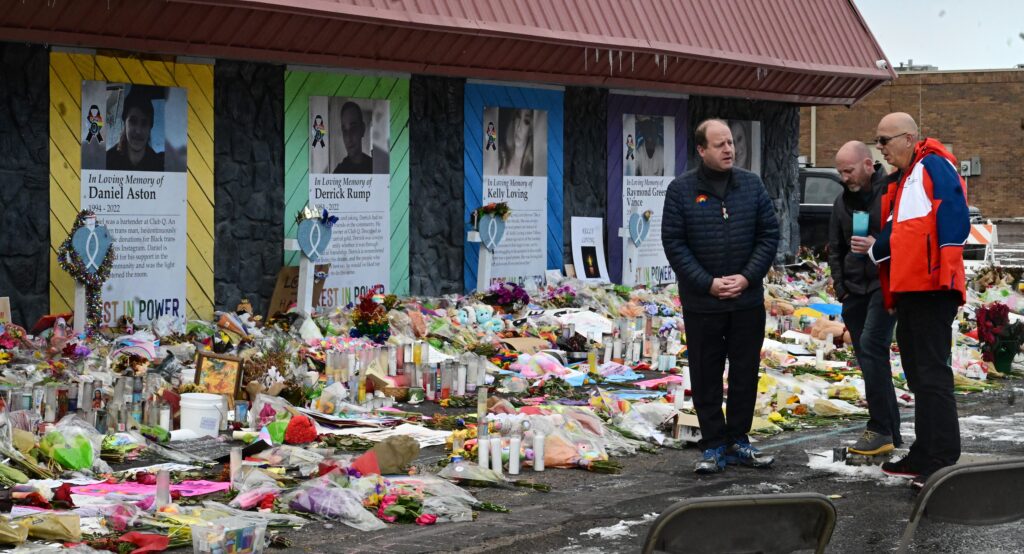
Federal judge rejects constitutional claims, ‘expressions of hatred’ by Club Q defendant
Michael Karlik
michael.karlik@coloradopolitics.com
Updated 18 hours ago
A federal judge rejected a defendant’s claims that he received constitutionally ineffective assistance of counsel while facing federal hate crime and firearms charges for murdering five people at a Colorado Springs LGBTQ nightclub in 2022. Anderson Lee Aldrich is serving...
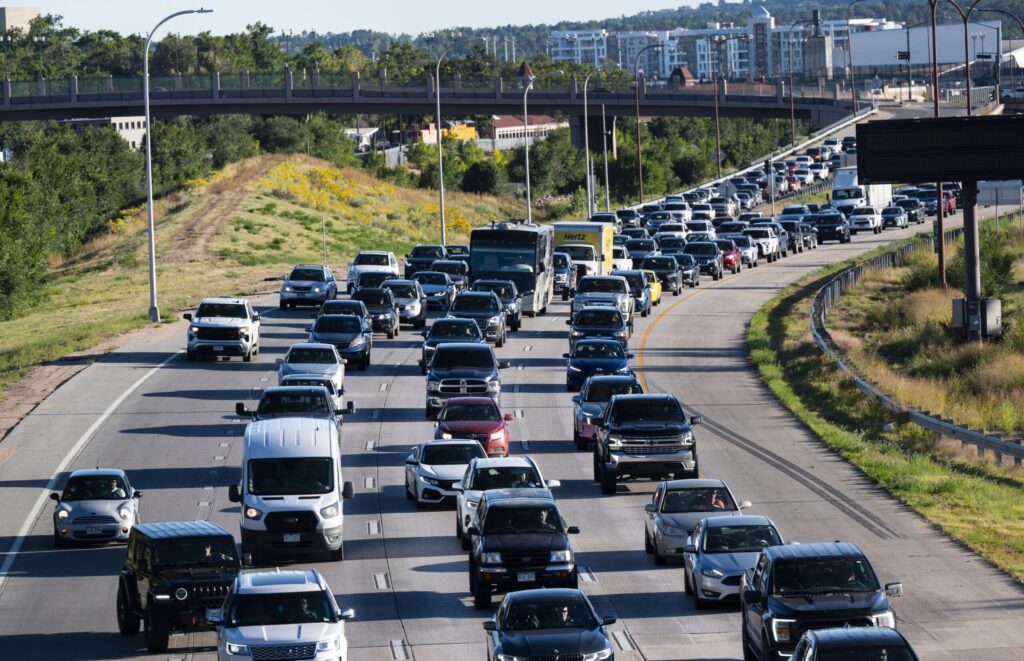
Divided 10th Circuit upholds Colorado congestion fee on car rentals
Michael Karlik
michael.karlik@coloradopolitics.com
Updated 14 hours ago
The Denver-based federal appeals court concluded on Monday that a 2024 “congestion impact fee” that lawmakers imposed on short-term vehicle rentals did not conflict with a federal prohibition on certain airport-related charges. Beginning in the 1970s, Congress began limiting the...
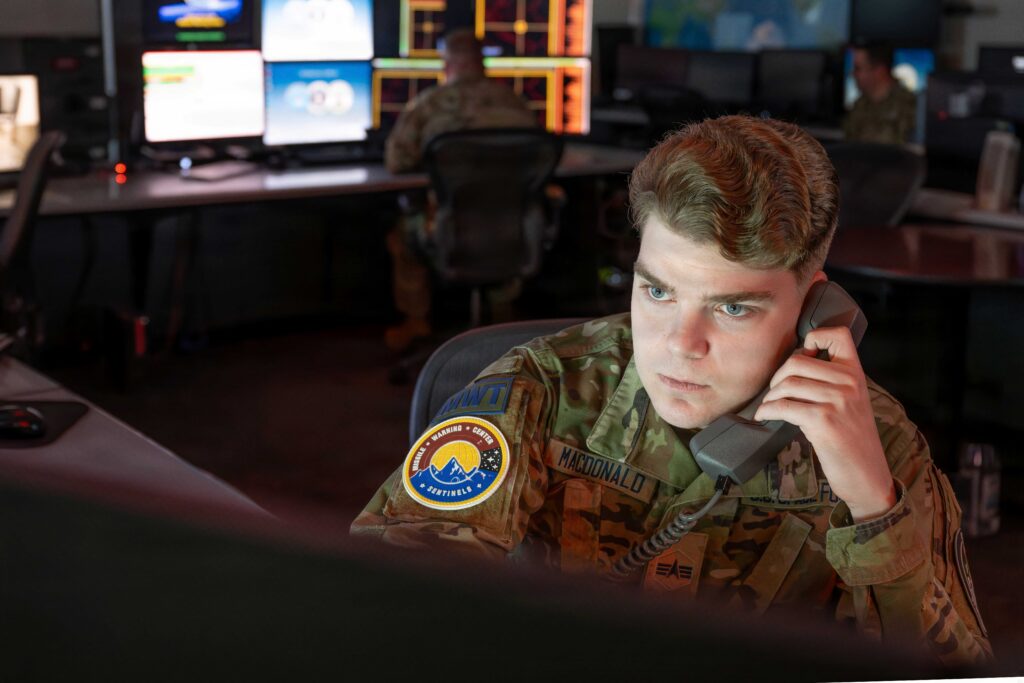
Space Force should measure workforce needs as it prepares to double in size, GAO report says
Mary Shinn
mary-shinn@coloradopolitics.com
Updated 24 hours ago
The Space Force needs more people. It’s just not precisely sure how many more. A Government Accountability Office report released earlier this month found that the youngest and smallest military branch does not have a process to consistently or accurately...
PREV
PREVIOUS

Court: Juror who could not 'be objective' not basis for reversing Pueblo murder conviction
A juror in Pueblo told the judge she could not be objective, could not mentally function during the murder trial, and cried to a court employee while saying the defendant was “just a kid.” The judge refused to remove her from the jury, and last week the Colorado Court of Appeals agreed with that decision. […]

Colorado, feds, team up on regenerative agriculture
When he first started farming in 1987, Curtis Sayles went through a new pair of cowboy work boots every year. These days, he’s still wearing a pair he bought three years ago. The difference? Sayles stopped using harsh fertilizers on his fields that ate through the leather of his boots. Sayles, a fourth-generation farmer with […]