

OUT WEST ROUNDUP | Audit finds wildfire risk at Los Alamos wildfire; Boise ‘camping lawsuit’ settled
NEW MEXICO
Audit raises concerns about wildfire risks at nuclear lab
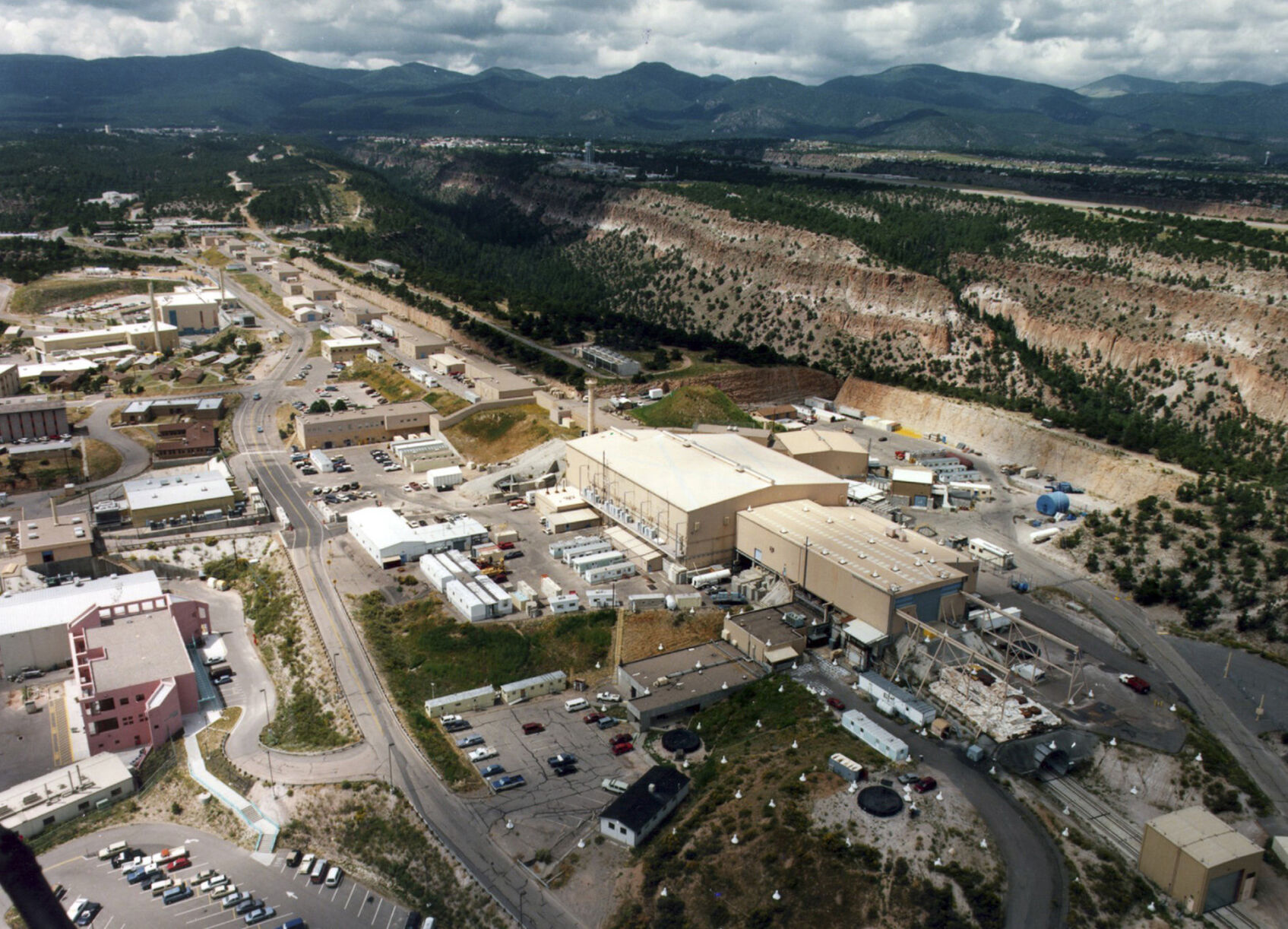
ALBUQUERQUE – One of the nation’s premier nuclear laboratories isn’t taking the necessary precautions to guard against wildfires, according to an audit by the U.S. Energy Department’s inspector general.
The report comes as wildfire risks intensify across the drought-stricken U.S. West. Climatologists and environmentalists have been warning about worsening conditions across the region, particularly in New Mexico, which is home to Los Alamos National Laboratory and where summer rains failed to materialize last year and winter precipitation has been spotty at best.
The birthplace of the atomic bomb, Los Alamos has experienced hundreds of millions of dollars in losses and damage from major wildfires over the last two decades. That includes a blaze in 2000 that forced the lab to close for about two weeks, ruined scientific projects, destroyed a portion of the town and threatened tens of thousands of barrels of radioactive waste stored on lab property.
Watchdog groups say the federal government needs to take note of the latest findings and conduct a comprehensive review before the lab ramps up production of key plutonium parts used in the nation’s nuclear arsenal.
The audit released this month found that cutting back vegetation along power lines and other measures to reduce the risk of catastrophic fires were not always done, increasing the potential for another devastating fire like the Cerro Grande Fire in 2000.
Lab spokesman Peter Alden Hyde said that since the audit was conducted in late 2018 and early 2019, the lab has adopted “an aggressive approach” to wildfire management on its 39-square-mile campus.
Legislature explores changes to state’s minimum wage
SANTA FE – The minimum wage for working high school students in New Mexico would rise by $2 to $10.50 an hour under a bill endorsed Feb. 18 by the New Mexico Senate.
The state currently provides a lower minimum wage of $8.50 to people 18 and under.
The initiative from state Sen. Jeff Steinborn of Las Cruces would guarantee the same statewide minimum wage for adults and youths who stay in school. It won Senate endorsement on a 26-15 vote and now moves to the House for consideration.
Reforms adopted in 2019 gradually raise the statewide minimum wage to $12 by 2023.
President Joe Biden is proposing to raise the federal minimum wage requirement for most workers to $15 an hour from $7.25.
Advocates for New Mexico’s current discount minimum wage argue that it helps small businesses provide part-time work that might not otherwise be available to young people.
A competing bill from Democratic state Rep. Patricia Roybal Caballero would raise the minimum hourly wage for students and tipped employees who are a mainstay of the hospitality industry to $15 an hour by 2024.
IDAHO
Boise settles controversial homeless camping lawsuit
BOISE – The city of Boise will settle Martin v. Boise, the “camping lawsuit” that came from city enforcement of an ordinance that banned people who are homeless from sleeping in public.
Under the agreement, the city will not cite or arrest people when no shelter is available, the city said Feb. 8 in a news release. The city will also amend ordinances that guide police citations for public sleeping, and the Boise Police Department will undertake additional training to make sure people who are homeless aren’t cited when no shelter is available.
The settlement will cost Boise about $1.8 million, including $1.3 million to create new overnight shelters or rehabilitate old shelter spaces, $435,000 for the plaintiffs’ attorneys, and $5,000 in damages to the plaintiffs.
The lawsuit was focused on a Boise ordinance, first adopted in 1922, that banned people from sleeping in public places. The original lawsuit was filed in 2009 on behalf of Robert Martin and five other people who were then homeless or had been recently, and who had been cited for violating the ordinance.
The 9th U.S. Circuit Court of Appeals ruled in September 2018 that cities cannot prosecute people for sleeping on the streets if there is nowhere else for them to go, saying that violates the Eighth Amendment and amounts to unconstitutional cruel and unusual punishment. The city later asked the U.S. Supreme Court to take up its appeal, but the court declined to hear it.
Under the new ordinances, police would be required to confirm that a shelter has appropriate space for a specific person before issuing a citation. People who choose not to go to a shelter when space is available could still be cited.
ARIZONA
Court rules against Apaches in bid to halt proposed mine
FLAGSTAFF – A federal judge has rejected a request from a group of Apaches to keep the U.S. Forest Service from transferring a parcel of land to a copper mining company.
Apache Stronghold made the request as part of a lawsuit it filed against the Forest Service earlier this year. It’s the latest attempt to preserve the land in eastern Arizona that Apaches consider sacred because of the spiritual properties there at least temporarily while the court hears arguments on the merits of the case.
U.S. District Judge Steven Logan said Feb. 12 that because the group is not a federally recognized tribe with a government-to government relationship with the United States, it lacks standing in arguing that the land belongs to Apaches under an 1852 treaty with the U.S.
The land known as Oak Flat is set to be transferred to Resolution Copper by March 16, 60 days after the Forest Service published an environmental impact statement as mandated by Congress in a provision of the must-pass defense bill in 2014.
Apaches call the mountainous area Chi’chil Bildagoteel. The land near Superior has ancient oak groves, traditional plants and living beings that tribal members say are essential to their religion and culture.
Logan acknowledged the mine would make Oak Flat inaccessible as a place of worship and “close off a portal to the Creator forever and will completely devastate the Western Apaches’ spiritual lifeblood.” But he said the group didn’t meet the standard for proving violations of the Religious Freedom Restoration Act.
Resolution Copper, a joint venture of global mining giants BHP and Rio Tinto, has said it would not deny Apaches access to Oak Flat after it receives the land and for as long as it’s safe. But, eventually, the mine would swallow the site.
UTAH
Measure to retire Native school mascots fails in House
SALT LAKE CITY – The Utah House failed to pass a resolution that would have encouraged schools to retire Native American mascots.
Several conservative state lawmakers spoke against the resolution, with one questioning whether legislators were being overly sensitive and if animal mascots would next be considered too controversial, The Salt Lake Tribune reports.
The measure was defeated mostly along party lines, with only a few Republicans voting in favor. The nonbinding resolution would not have forced schools to retire their mascots.
Democratic Rep. Elizabeth Weight, the resolution’s sponsor, said the resolution was intended to start conversations about the hurtful use of Indigenous imagery.
Weight began drafting the resolution while her alma mater in northern Utah, Bountiful High School, reexamined its mascot, “The Braves.”
The Bountiful student body has for decades worn red face paint and feathers to school events. Football games have included students doing a “tomahawk chop” and calling the entrance of other teams, “The Trail of Tears,” a reference to the forced relocation of thousands of Native Americans in the 1800s that resulted in at least 3,000 deaths.

Colorado Parks and Wildlife Commissioner Murphy Robinson resigns
Marianne Goodland
marianne.goodland@coloradopolitics.com
Updated 4 hours ago
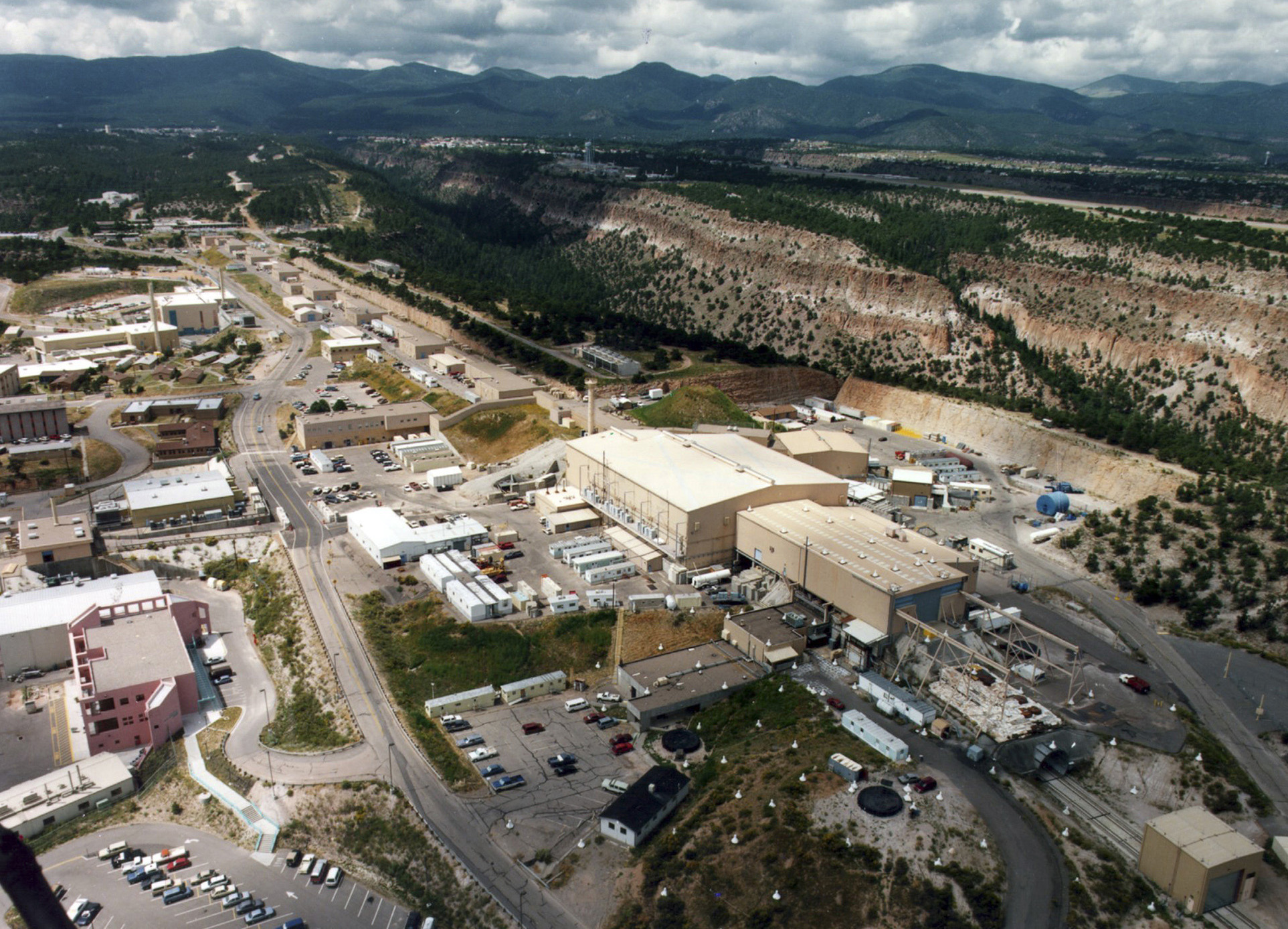
Murphy Robinson, who has served on the Colorado Parks and Wildlife Commission for just over a year, announced his resignation on Wednesday. In a statement, Gov. Jared Polis thanked Robinson, saying he is “incredibly grateful for Murphy’s service to the...

Colorado Supreme Court’s opinion output drops by two-thirds amid justice’s absence
Michael Karlik
michael.karlik@coloradopolitics.com
Updated 6 hours ago
The Colorado Supreme Court has released significantly fewer new opinions in recent months compared to the previous two years, even as the judicial branch insisted that a member’s open-ended absence is not causing delays. Justice Melissa Hart has been on...

Adams County officials call for resignation of county treasurer after ‘inappropriate behavior’
Kyla Pearce
kyla.pearce@gazette.com
Updated 6 hours ago
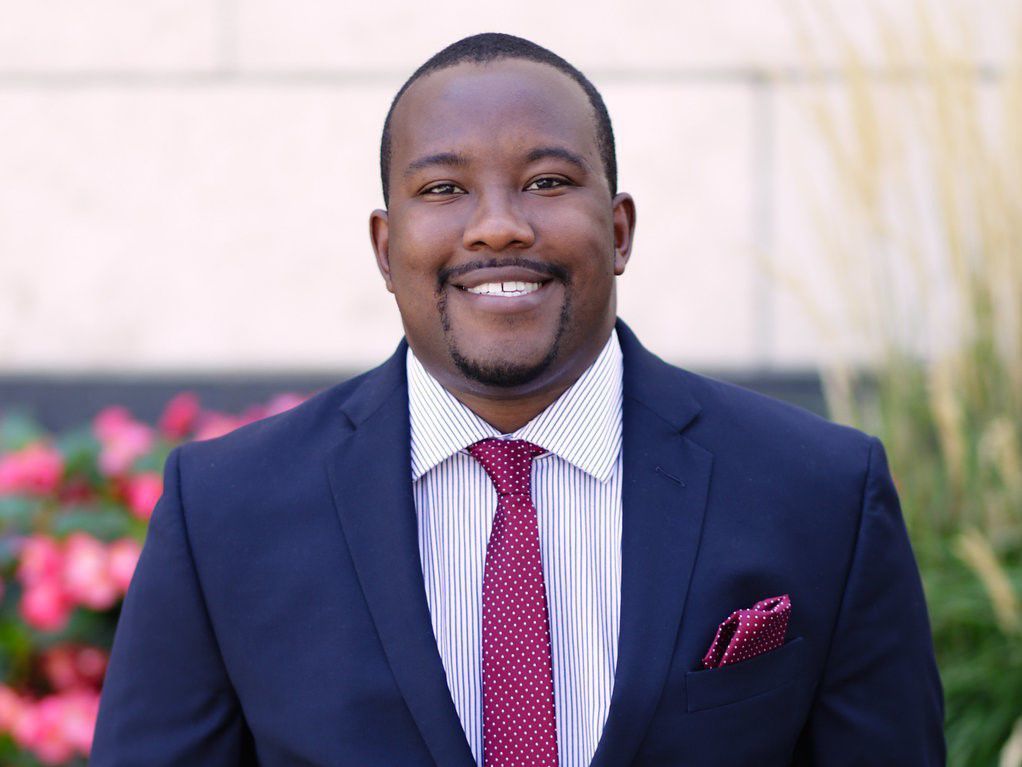
Adams County Commissioners requested the resignation of the county’s treasurer after multiple allegations of inappropriate behavior toward staff members. Treasurer Alex Villagran has declined to step down. An independent investigation by Employment Matters LLC Flynn Investigations Group found multiple allegations...

Aurora’s consent decree monitor reviews fatal pursuit crash, notes ‘inherent risk’ of police chases
Kyla Pearce
kyla.pearce@gazette.com
Updated 7 hours ago
Two people died in a crash that resulted from an Aurora police pursuit last week, which the city’s decree monitor is reviewing. The monitor said the incident underscores the “inherent risks” of pursuits. Meanwhile, the city police department said it...

Colorado’s universal preschool enrollment begins for upcoming school year
Marissa Ventrelli
marissa.ventrelli@coloradopolitics.com
Updated 6 hours ago
Enrollment is now open for Colorado’s universal preschool program, which provides up to 15 hours of free education for four-year-old children across the state. The $344 million program has served nearly 90,000 children since its creation in 2023, the Governor’s...

Divided 10th Circuit rules bank customer must arbitrate discrimination-related claims
Michael Karlik
michael.karlik@coloradopolitics.com
Updated 6 hours ago
The Denver-based federal appeals court ruled on Monday that a mandatory arbitration clause in the fine print of a customer’s bank account agreement prohibited her from pursuing claims of racial discrimination in court. Jeanetta Vaughn filed suit against JPMorgan Chase...

Colorado’s federal trial court denies admission to lawyer owing tens of thousands in dues, penalties
Michael Karlik
michael.karlik@coloradopolitics.com
Updated 8 hours ago
Colorado’s U.S. District Court declined last month to allow an attorney to practice before the court due to his failure to pay enrollment fees and penalties to another state’s bar association for years. The federal trial court requires attorneys to...
Douglas County businesses to pay fines for unreported thefts under proposed ordinance
Noah Festenstein
noah.festenstein@denvergazette.com
Updated 5 hours ago
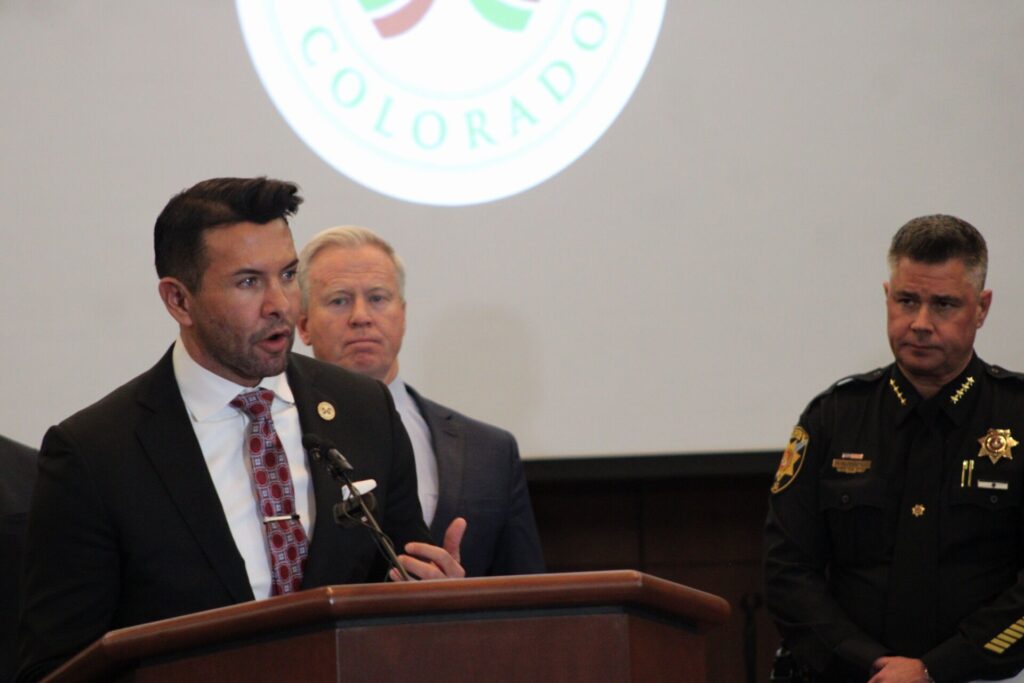
Douglas County commissioners on Tuesday advanced an ordinance aimed at curbing retail theft by penalizing businesses that refuse to report shoplifters to law enforcement. The proposal is notable in that it shifts the onus of responsibility to businesses. Officials said...

Federal judge labels appeal ‘frivolous,’ state Supreme Court to hold arguments | COURT CRAWL
Michael Karlik
michael.karlik@coloradopolitics.com
Updated 13 hours ago
Welcome to Court Crawl, Colorado Politics’ roundup of news from the third branch of government. A federal judge deemed a government defendant’s appeal “frivolous,” and the state Supreme Court will have an abbreviated oral argument schedule next week. Heard on...

Humane Colorado bids fond farewell to its CEO at Celebration of Compassionate Leadership | NONPROFIT REGISTER
Joanne Davidson Special to Colorado Politics
joanne-davidson-special-to-colorado-politics@coloradopolitics.com
Updated 15 hours ago
HUMANE COLORADO Denver News: Veterinarian Apryl Steele is not one to toot her own horn, so the general public might have no idea of the depth and scope of the role she has played in elevating the standard of care for companion animals and for expanding the socially...
PREV
PREVIOUS

Denver poised to invest $100 million-plus in 16th Street Mall upgrades
To so many Denver residents, workers and visitors, the 16th Street Mall is the heart of Denver. Considering how many count on its vibrancy to earn a living, the upcoming $100 million-plus renovation project brings both the hope of rejuvenation and some fears of disruption. “My heart is here in the 16th Street Mall. I adore […]

By the numbers: Pandemic crushes downtown Denver crowds
Though the 16th Street Mall improvement project signals better times for the 39-year-old corridor, it had to have experienced its worst year in 2020. The COVID-19 pandemic shut the mall down like it has never been before. The Regional Transportation shuttles stopped running April 5 after some 145,000 employees that usually work downtown stayed home under […]