

Denver restaurant program gets preliminary approval as coronavirus cases tick upward

Denver has received state approval for a program to allow qualified restaurants to open up more indoor dining, Mayor Michael Hancock said Thursday, though the city must see its coronavirus metrics improve before that program can be utilized.
The 5-Star program was launched by the state last month as a way to reward businesses who implement stronger health measures. If counties are given the go-ahead by the state, then they can begin accepting applications from businesses like restaurants; for that qualify, they can allow for more people to eat or shop inside.
Denver received their “contingent” approval, Hancock said, though no restaurants have applied yet. But in order to actually implement the program, Denver needs to lower its two-week cumulative case load. That number has been steadily chugging downward since its peak of more than 1,300 cases in mid-November. It had dropped to 438 cases last week but has climbed back up again; it’s now hovering around 500 cases.
In order to qualify, that figure has to drop to 350 or below, and it needs to keep that metric there for at least a week, said Bob McDonald, the executive director of the county’s Department of Public Health and Environment. Now that two weeks have passed since the holidays, Denver’s beginning to see the impacts of potential New Years and Christmas gatherings.
It’s unclear how significant — if at all — those events will be on Denver’s COVID numbers. The numbers climbed for a few days on end but are still well below the peak of late 2020.
Though vaccines have started to be distributed in more numbers statewide, Colorado is still some time away from feeling the benefits of those inoculation figures in its COVID metrics, McDonald said. He emphasized that while limited and inconsistent vaccine distribution are making for somewhat slow-going, Coloradans will need to take the vaccine in large numbers for its benefits to be felt on a community-wide basis.
“There’s no way we’re getting out of this pandemic unless a high percentage of our population gets vaccinated,” he said. “There’s absolutely no way of getting back to some sense of normalcy and getting back to the lives we enjoyed before hte pandemic unless a large percentage of the population gets vaccinated.”
Hancock said that 3.5% of Denver has received a first dose. Currently, Denver – and the rest of the state – is shifting its full vaccination focus to those residents who are 70 or older. In a few weeks, that priority will broaden to include those older than 64.
Hancock said that the city will primarily be using existing infrastructure to distribute the vaccine here, and he said that smaller, community-based sites will be utilized, particularly in under-served areas. Still, some institutions – like UCHealth – are planning mass clinics in Denver, though such efforts aren’t being directed by city health officials.
McDonald said that while large vaccine sites have the benefit of being able to handle large numbers of people, they have barriers for lower-income communities: They’re harder to get to, and they’re harder to register for.
To better address those concerns, Hancock signed on a to letter along with three dozen other American mayors asking the incoming Biden administration to give vaccines directly to cities so they can be administer inoculations to under-served communities.
Judy Shlay, who runs Denver Public Health, said that her system has vaccinated 5,000 personnel, 2,000 of which have received their second dose. Nearly 2,000 Denver first responders have been inoculated thus far, plus more than 1,000 residents over the age of 69.


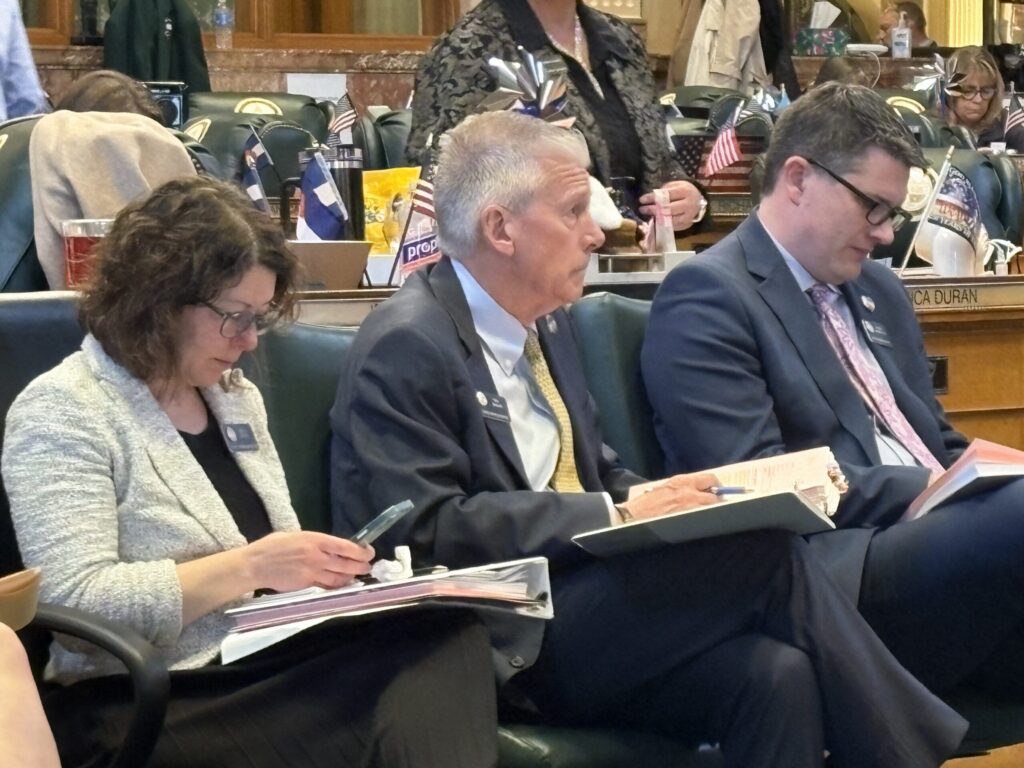
Colorado lawmakers grapple with spending cuts amid $1 billion-plus deficit
Marianne Goodland
marianne.goodland@coloradopolitics.com
Updated 11 hours ago
The battle over Colorado’s budget for next year — which stalled in the House over a procedural maneuver — entered a more difficult phase on Thursday, when legislators grappled with hundreds of millions of dollars in proposed reductions to balance...

New rules for private judges in Colorado include discipline oversight, campaign contributions
David Migoya
david.migoya@gazette.com
Updated 13 hours ago
The Colorado Supreme Court recently determined the state’s private judges — retired jurists appointed to oversee civil cases that rarely get public scrutiny — can now make political contributions freely and without reserve, overruling a prohibition that had been in...

Colorado bill reshaping RTD board advances
Marissa Ventrelli
marissa.ventrelli@coloradopolitics.com
Updated 14 hours ago
A proposal to reshape the Regional Transportation District’s leadership easily cleared a committee vote Wednesday, advancing the bill sponsors say is needed to revive a transit system still struggling to regain riders and public trust. Critics have countered that, while...

Colorado Democrat John Hickenlooper pulls in nearly $1.4M in 1st quarter, heads into primary with $4M
Ernest Luning
ernest.luning@coloradopolitics.com
Updated 11 hours ago
U.S. Sen. John Hickenlooper’s campaign raised nearly $1.4 million in the first quarter of 2026 and plans to report more than $4 million on hand heading into Colorado’s June primary, the first-term Democrat’s campaign said Thursday. That brings Hickenlooper’s total...

Republican Ron Hanks plans ‘grassroots’ primary challenge to US Rep. Jeff Hurd in Colorado’s 3rd CD
Ernest Luning
ernest.luning@coloradopolitics.com
Updated 14 hours ago
Colorado Republican Ron Hanks, a former state lawmaker, plans to challenge first-term U.S. Rep. Jeff Hurd in the 3rd Congressional District primary by seeking a spot on the June ballot at the GOP’s district assembly in Pueblo on Friday, Colorado...
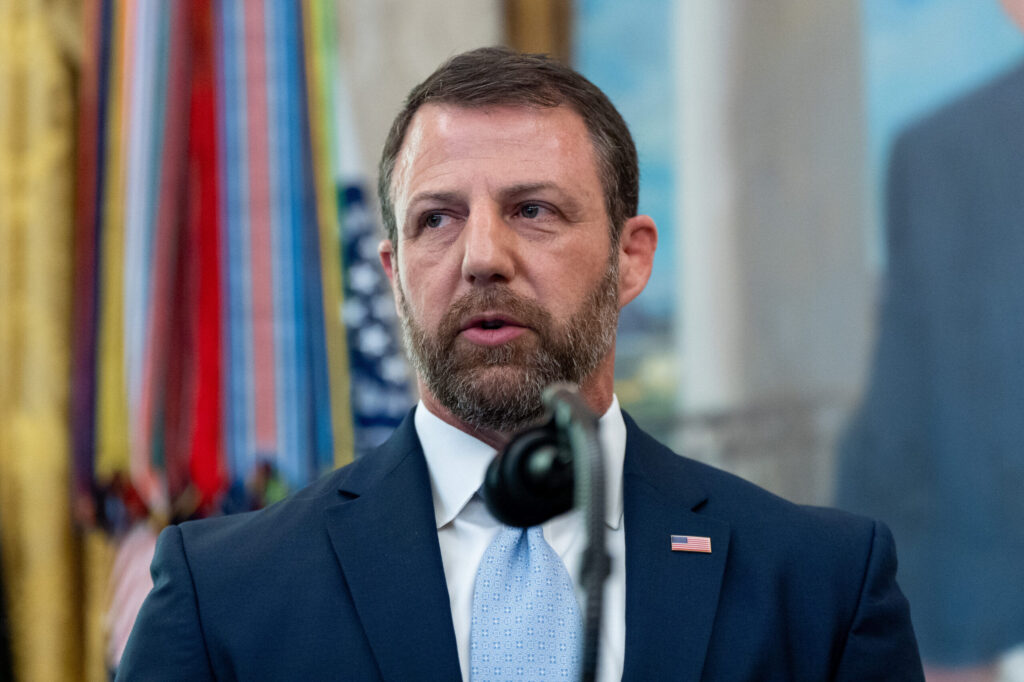
Five ways Mullin is already pushing DHS in a new direction
Anna Giaritelli Washington Examiner
anna-giaritelli-washington-examiner@coloradopolitics.com
Updated 17 hours ago
The Trump administration’s newest Cabinet secretary, Markwayne Mullin, has already begun to implement major changes across the Department of Homeland Security Mullin replaced President Donald Trump’s first DHS secretary, Kristi Noem, and was an unexpected pick to lead the department...
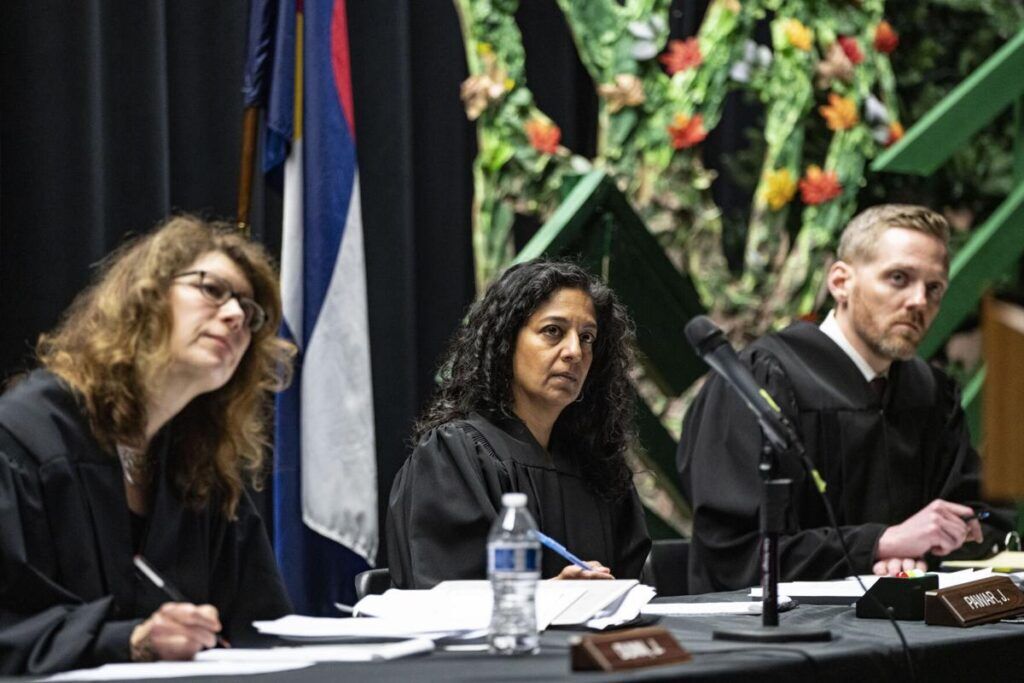
Appeals court finds Prowers County judge incorrectly analyzed firetruck collision lawsuit
Michael Karlik
michael.karlik@coloradopolitics.com
Updated 18 hours ago
Colorado’s second-highest court directed a Prowers County judge last month to take a second look at whether a firetruck operator and the county itself can be held liable for a collision with a motorist. Donald Williamson was driving through a...
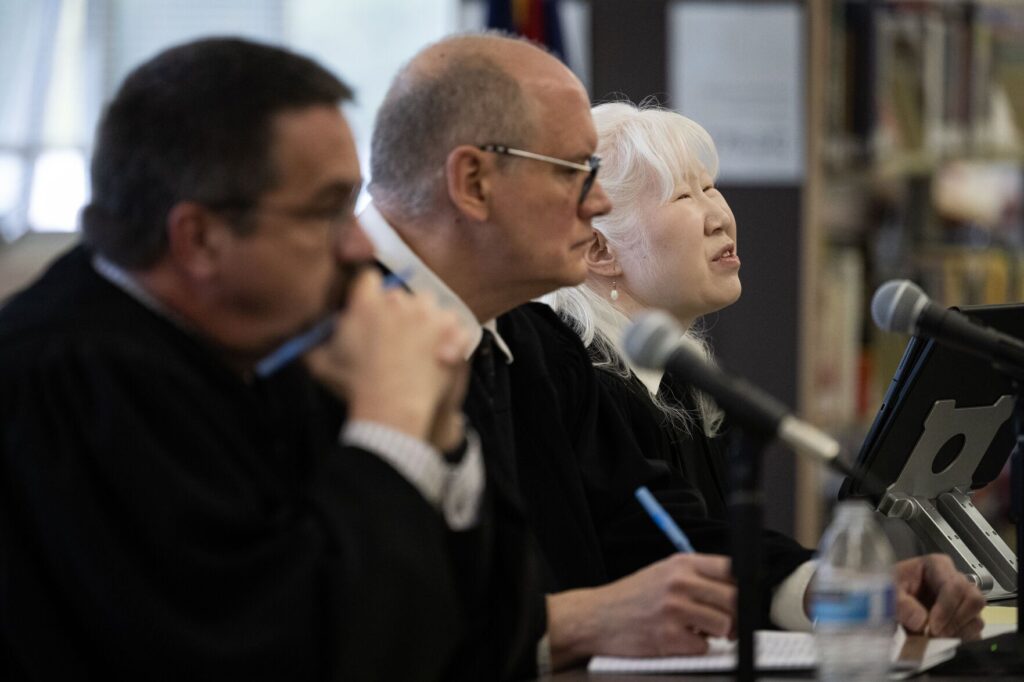
Appeals court reverses assault convictions after jury received no definition of ‘harm’
Michael Karlik
michael.karlik@coloradopolitics.com
Updated 19 hours ago
Colorado’s second-highest court reversed an Arapahoe County defendant’s assault convictions last week, concluding the trial judge neglected to define a key, ambiguous term for jurors. Police officers arrested David Cristobal Aragon at a house party for allegedly violating a restraining...
Colorado counties cannot challenge state law restricting immigration contracts, appeals court says
Michael Karlik
michael.karlik@coloradopolitics.com
Updated 15 hours ago
Colorado’s second-highest court ruled on Thursday that counties lack standing to challenge a 2023 state law that restricts their ability to contract with the federal government or private entities for immigration detention. A three-judge Court of Appeals panel agreed with...

Wayne Williams joins city as Colorado Springs Mayor Mobolade’s new chief of staff
Brennen Kauffman
brennen-kauffman@coloradopolitics.com
Updated 16 hours ago
Wayne Williams will be the next chief of staff for Colorado Springs Mayor Yemi Mobolade, turning the two former election opponents into partners in city government. The two officially announced the hire Thursday, citing Williams’ decades of experience with city,...
PREV
PREVIOUS

Hancock, 35 other American mayors ask Biden administration to give vaccines directly to cities
In an effort to better distribute the coronavirus vaccine to under-served communities, Denver Mayor Michael Hancock and counterparts from 35 other cities asked the incoming Biden administration to distribute the vaccine directly to cities, rather than to states. “We hope to work closely with you to ensure your administration can meet its stated goal of […]

New Colorado unemployment insurance tech is better at flagging fraud
Officials at the Colorado Department of Labor and Employment have been purging fraudulent claim numbers from data reported to the public, which is good news that the new unemployment claims aren’t as high as originally thought. But there’s bad news in the fact thieves are still trying to game the system and have succeeded in […]