

State unemployment claims hit nearly 9-month high as CARES Act expires
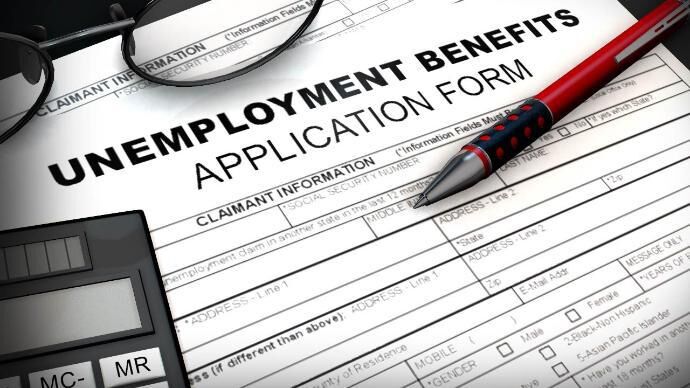
Initial unemployment claims skyrocketed in Colorado with the highest weekly increase since April, according to data released Thursday by the Colorado Department of Labor and Employment.
For the week ending Jan. 2, initial weekly unemployment claims reached 41,439, the highest number of claims in nearly nine months and an increase of more than 16,000 from the week previous.
This is the 11th week in a row that initial unemployment claims have increased.
Denver County made up the plurality of initial claims, accounting for 3,986 or over 15% of claims for the week ending Dec. 19. Denver is followed by El Paso County with 3,359 claims.
Continued unemployment claims also increased for the fifth consecutive week, reaching 109,373 claims for the week ending Dec. 26. This comes after 19 straight weeks of decrease from July to November.
No pandemic unemployment claims were filed for the week ending Jan. 6 because of the expiration of the CARES Act on Dec. 26.
The department attributes the increase of weekly claims to this expiration.
Fraudulent Colorado unemployment claims spike
“As reported earlier this week, the increase in reports of UI fraud is likely connected to the expiration of CARES Act programs,” the department said, adding it, “will be conducting further detailed analysis on the increase.”
Pandemic unemployment assistance was extended through March 13 through the the Continued Assistance Act; however, the department said it will be “several weeks” before it can implement the continued programs.
During the last week of the program ending on Dec. 26, there were 19,555 initial pandemic unemployment claims in Colorado, the third-highest number of weekly claims in the program’s history.
Colorado had the second-worst unemployment recovery in the country last week, according to a WalletyHub study.
The state’s health care and social assistance industries appear to be being hit the hardest, making up 11.2% of initial unemployment claims for the week ending on Dec. 19.
They are followed by education workers with 10.8% of claims and construction workers with 10.4%.


State Supreme Court oral arguments, 10th Circuit nominee recuses from cases | COURT CRAWL
Michael Karlik
michael.karlik@coloradopolitics.com
Updated 29 minutes ago
Welcome to Court Crawl, Colorado Politics’ roundup of news from the third branch of government. The state Supreme Court will hear its last set of oral arguments this week before breaking for the summer, and the nominee for a vacancy...
‘Peaking at the right time’: Barbara Kirkmeyer is confident as ballots go out
Thelma Grimes
thelma.grimes@coloradopolitics.com
Updated 3 hours ago
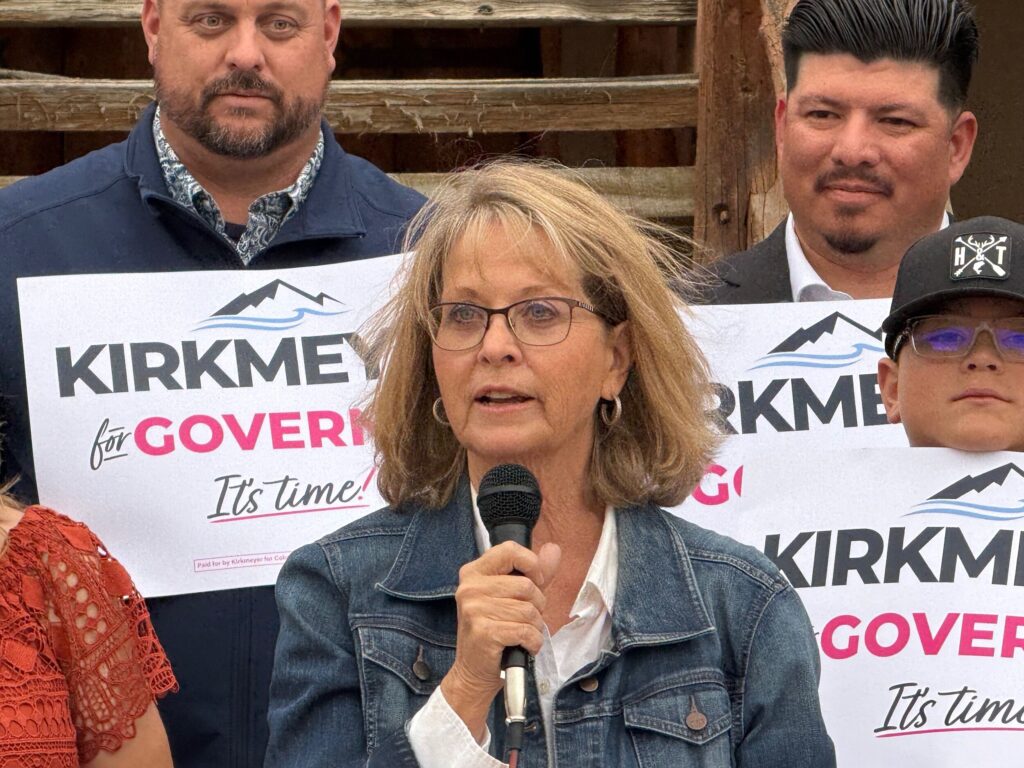
Calling 2026 an “interesting” year, Sen. Barbara Kirkmeyer said the race for the Republican nomination has taken her from a “bizarre debate” to a broader effort to maintain the party’s integrity, while making the case that she’s ready to lead...
Sheehy calls for Rubio to take over Iran negotiations if Vance can’t swing it
Claire Carter, Washington Examiner
claire.carter.washington.examiner@gazetteedit.wpenginepowered.com
Updated 1 hour ago
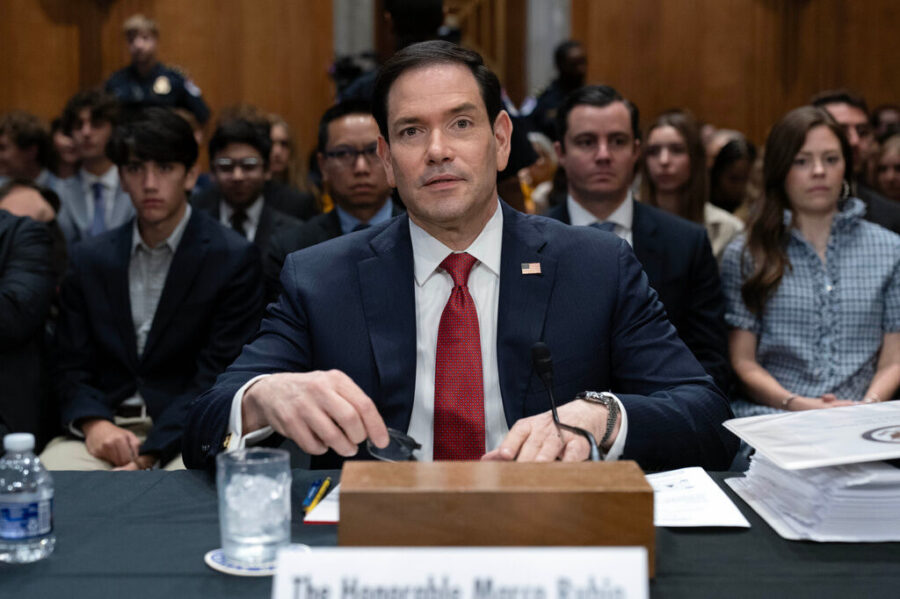
Sen. Tim Sheehy (R-MT) on Monday suggested Secretary of State Marco Rubio should be waiting in the wings to handle negotiations with Iran if Vice President JD Vance can’t get a long-term agreement with Tehran over the finish line. Vance...
Rural frustration, parental rights shape Scott Bottoms’ pitch ahead of Colorado’s gubernatorial primaries
Thelma Grimes
thelma.grimes@coloradopolitics.com
Updated 3 hours ago
With just weeks before Colorado’s June primary, Republican gubernatorial candidate state Rep. Scott Bottoms is spending nearly all his time on the road — literally crisscrossing the Western Slope and eastern plains — in a final push to connect with...

Appeals court adopts federal standard for jail deaths under Colorado law
Michael Karlik
michael.karlik@coloradopolitics.com
Updated 5 hours ago
Colorado’s second-highest court decided last month that the standard used by federal courts for assessing whether government officials may be liable for constitutional violations upon the death of a jail detainee also applies to claims made under the Colorado Constitution....

District court judges weighing Trump policies face repeated slap downs by appeals courts
Kaelan Deese, Washington Examiner
kaelan.deese.washington.examiner@gazetteedit.wpenginepowered.com
Updated 51 minutes ago
Federal district court judges reviewing President Donald Trump’s immigration agenda and other contested policies are increasingly being checked by appeals courts, raising questions as to whether some members of the federal judiciary are implementing the law or seeking partisan ends....
Registered voters on the eve of the 2026 primaries | Cronin & Loevy
Tom Cronin Bob Loevy
tom-cronin-bob-loevy@coloradopolitics.com
Updated 2 days ago
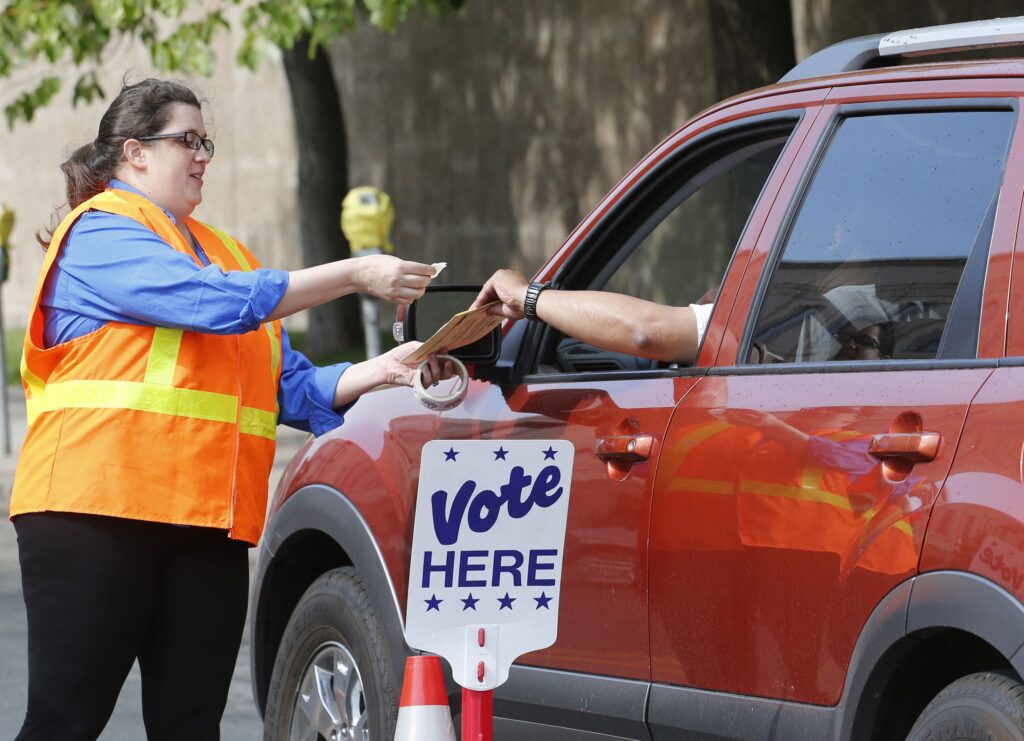
The Colorado Secretary of State’s Office has published the latest voter registration figures for the state and its counties as of June. Colorado ranks among the highest states for independent, or unaffiliated, voters. Only Alaska and Massachusetts have more. New Hampshire, New Jersey, Maine and Oregon also rank highly. So here...
A decade after Standing Rock protests, Dakota Access oil pipeline segment gets OK | OUT WEST ROUNDUP
The Associated Press
the-associated-press@coloradopolitics.com
Updated 5 days ago
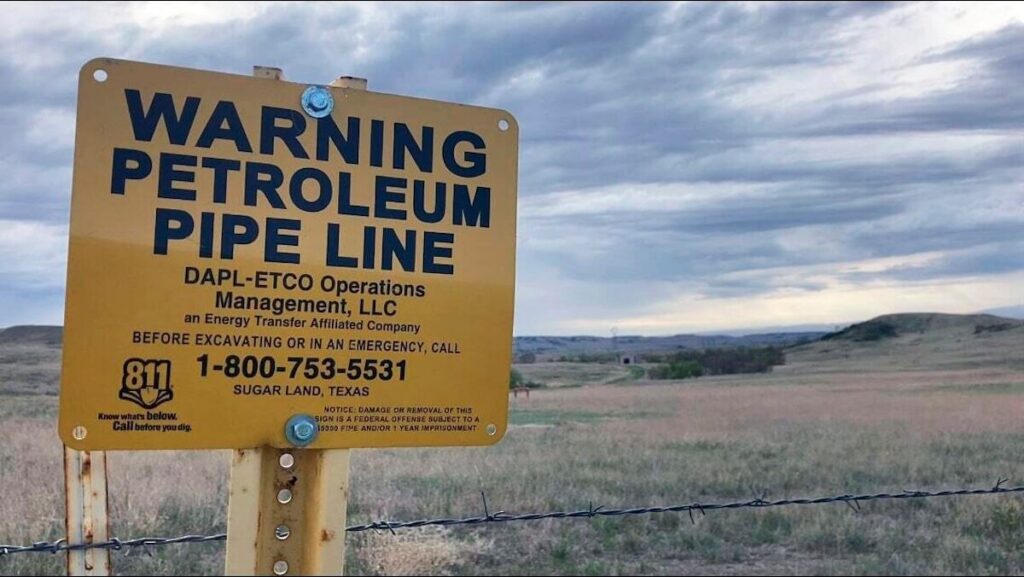
NORTH DAKOTA Pipeline segment OK’d BISMARCK — Federal officials on May 21 gave final approval for the Dakota Access oil pipeline to continue operating its contentious Missouri River crossing, an outcome that comes nearly a decade after boisterous protests against...
Rep. Jeff Crank thinks Democrats are too focused on Trump, not enough on Colorado Springs | Vince Bzdek
Vince Bzdek
vince.bzdek@gazette.com
Updated 22 hours ago
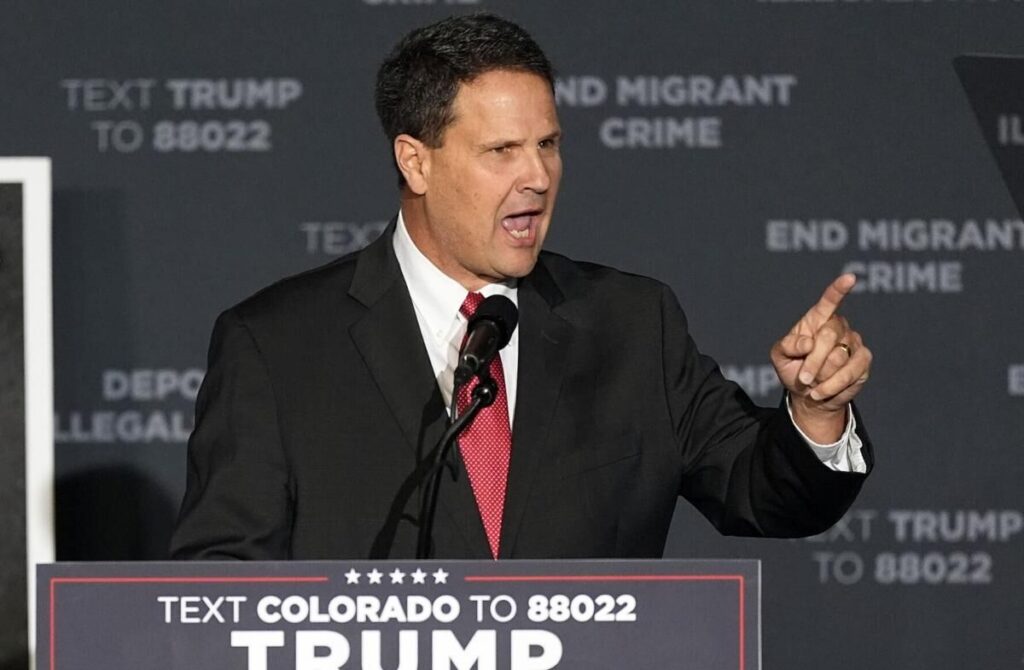
For U.S. Rep. Jeff Crank, who’s unopposed in the Republican primary for the 5th Congressional District but the main target of both candidates in the lively Democratic primary, the big question in the midterms is not who will stand up...
Colorado Politics Calendar June 22-28
Rachael Wright, Special to Colorado Politics
rachael.wright@coloradopolitics.com
Updated 5 days ago
CoPo’s weekly political calendar will help you find political and public-policy events throughout Colorado. It includes candidate and issue campaign events, public policy meetings, court hearings, state and local party conventions, assemblies, debates, rallies, parades, speaking engagements, traveling dignitary appearances,...
PREV
PREVIOUS

INSIGHTS | Time for lawmakers to prove their value to communities of color
One thing Democrats should have learned this year is that Latino voters aren’t as into them as they would like. After the election, Bloomberg News pulled back the curtain on the assumption that voters of color would leap into the questionably loving arms of the left. Donald Trump, after all, characterized undocumented immigrants as gang […]

Larimer County offers COVID relief payments for small businesses
In partnership with local governments, Larimer County is offering one-time COVID-19 relief funds for small businesses that have been financially impacted by pandemic-related public health orders. Businesses must have experienced at least a 20% revenue reduction and include restaurants, bars, breweries, wineries, distilleries, fitness clubs, sports centers, caterers and movie theaters. Fort Collins, Loveland and […]