

Court: Temporary tags must go in same location as permanent license plates

Temporary license plates must be in the same location as permanent tags, not elsewhere on the vehicle, the Colorado Court of Appeals ruled for the first time on Thursday.
Colorado law requires that, as of July 1, 2016, the Department of Revenue must manufacture temporary tags that comply with requirements for permanent rear license plates. Among the features, rear plates must be no lower than 12 inches from the ground, clearly visible, and mounted on – or within 18 inches of – the rear bumper.
“In our view, the only reasonable reading of these statutory provisions is that temporary plates must be fastened in the same location as the permanent rear license plate,” wrote Judge Michael H. Berger for the three-member appeals panel.
A spokesperson for the Colorado State Patrol said the agency will evaluate the decision to determine what, if anything, will change for law enforcement.
“We have to look more into things before we issue any training updates to our members,” said Sgt. Blake White.
The decision arose from the case of Andrew James Hayes, who was the passenger in a car that police stopped for lack of a visible license plate. Upon pulling over the vehicle, the officer saw a temporary tag in the rear window and subsequently learned Hayes had an outstanding warrant.
During booking, police found a plastic bag with methamphetamine. Prosecutors charged him with possession of a controlled substance, but Hayes claimed the evidence constituted a violation of the Fourth Amendment’s prohibition on unreasonable searches and seizures. The officer, Hayes argued, lacked reasonable suspicion to continue the traffic stop after he saw the temporary plate because its placement did not violate the law.
In 2006, the U.S. Court of Appeals for the 10th Circuit, based in Colorado, ordered suppression of evidence in a similar circumstance, in which a Kansas state trooper found cocaine in a vehicle he pulled over for not being able to read the Colorado temporary license plate in the rear window. The ruling came 11 years after the Colorado Supreme Court reached the same conclusion involving a traffic stop in El Paso County.
However, those cases pertained to the visibility of the license plates. As Berger observed in Hayes’s case, the “question presented here is whether the law in effect at the time of the stop required the temporary plate to be affixed in the same location required for a rear license plate.”
The trial court denied Hayes’s motion and a jury convicted him. In deciding the vehicle in which Hayes was riding had improperly placed the temporary plate, the appellate panel upheld the constitutionality of the police stop and, therefore, Hayes’s conviction.
Judge Neeti Vasant Pawar agreed with the conclusion, but wrote separately to say the law’s wording is slightly ambiguous.
The language, she explained, “tells the DMV how to make temporary registration number plates; it says nothing about how or where vehicle owners or drivers must display them.”
However, in looking at the 2015 change in the temporary plate law, Pawar discovered the bill summary described an intent for temporary tags to go on “the rear of the vehicle where permanent license plates are placed.” She therefore concluded the law change also created an obligation for drivers to place the temporary plates accordingly.
The case is People v. Hayes.


Colorado measure adding ID checks to mail-in voting qualifies for ballot
Marissa Ventrelli
marissa.ventrelli@coloradopolitics.com
Updated 10 hours ago
A ballot initiative that would require voters to include additional information on mail-in ballots has qualified for the November election, according to the Secretary of State’s Office. Backed by El Paso County Treasurer Chuck Broerman and former Deputy Secretary of...
Colorado election website error exposes personal data of confidential voters
Marissa Ventrelli
marissa.ventrelli@coloradopolitics.com
Updated 11 hours ago
A system update accidentally lifted protections on confidential records in Colorado, exposing dozens of voters’ personal information, according to the Secretary of State’s Office. The limit that normally blocks access to confidential voter profiles was inadvertently disabled during an update...
PUC adds weekly comment after killing private talks
Scott Weiser
scott.weiser@gazette.com
Updated 11 hours ago
The Colorado Public Utilities Commission will take public comment at the start of every commissioner’s weekly meeting beginning Sept. 9 as part of its new transparency mandate, the commission announced, expanding a slot previously limited to the second Wednesday of...
10th Circuit overturns framework for sentencing probation violators by 11-1
Michael Karlik
michael.karlik@coloradopolitics.com
Updated 12 hours ago
In a rare decision by all 12 of its full-time judges, the Denver-based federal appeals court ruled in a lopsided vote on Friday that one of its members created a sentencing process for probation violators that was out of step...
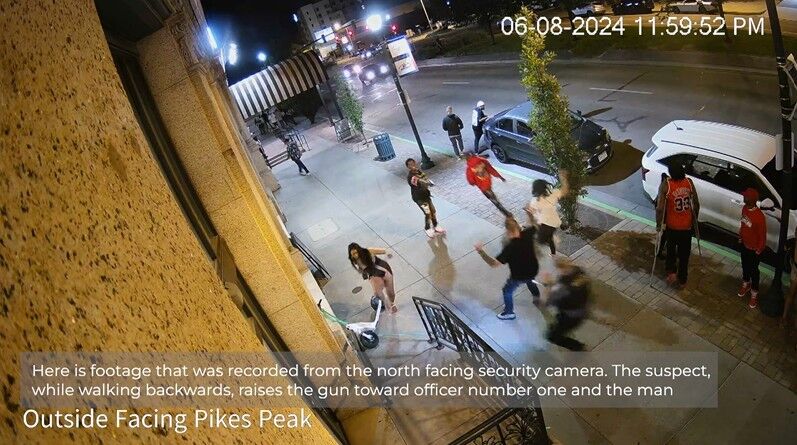
Federal judge dismisses excessive force lawsuit against Colorado Springs, officer
Michael Karlik
michael.karlik@coloradopolitics.com
Updated 10 hours ago
A federal judge concluded last week that a Colorado Springs police officer could not be held liable for shooting a suspect three times after the man menaced two victims with a gun and fled the scene. Al’morion Germany was involved...
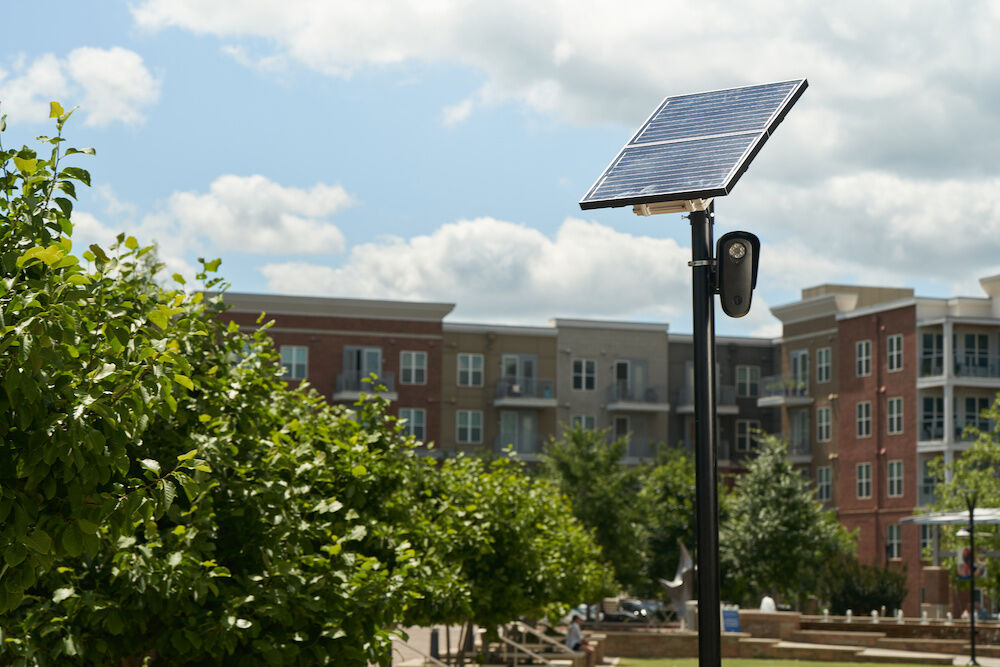
DeFlock started from one man’s curiosity — now Flock cameras are a midterm issue
Claire Carter
claire.carter@washingtonexaminer.com
Updated 14 hours ago
Will Freeman wasn’t looking to start a national movement when he launched DeFlock after noticing Flock Safety’s automatic license plate readers along the side of the road. The software engineer was driving across the country in 2024 when the cameras...

Aurora student journalist cleared of disciplinary charges after ignoring ‘gag order’
Kyla Pearce
kyla.pearce@gazette.com
Updated 11 hours ago
A Community College of Aurora student who accused the college of putting an “unconstitutional gag order” on his student-run publication was cleared of disciplinary charges against him. CCA student Andrew Green tried to register his independent student publication, called “FoxTalk,”...
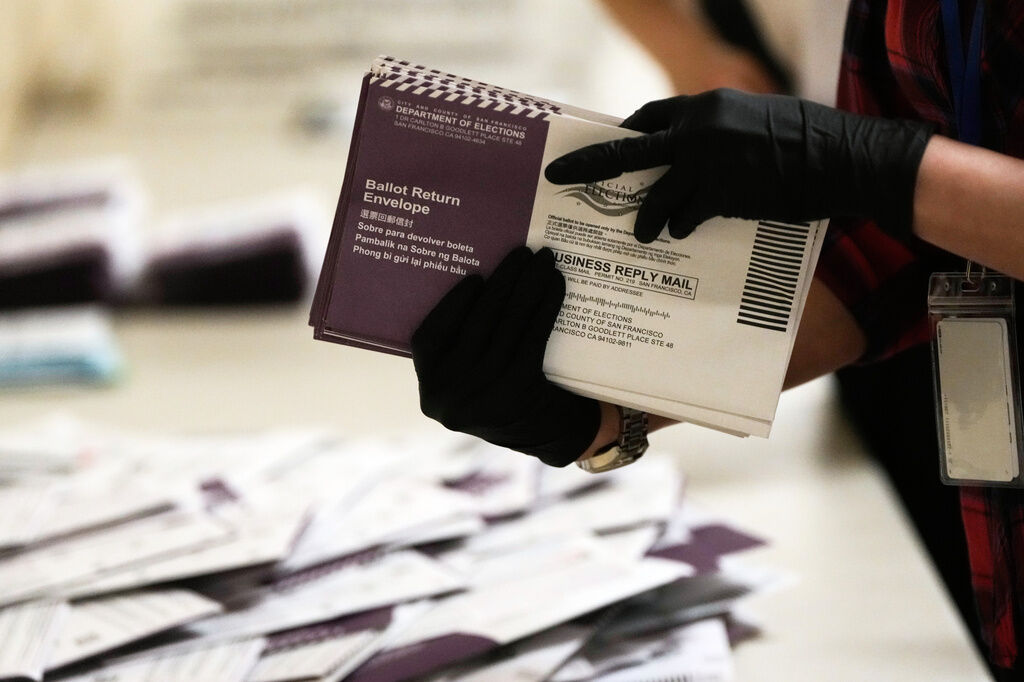
Colorado leaders cheer court decision to block Trump’s mail ballot order in a ruling that’s likely to be swiftly appealed
Thelma Grimes
thelma.grimes@coloradopolitics.com
Updated 12 hours ago
A federal judge on Thursday halted — at least for now — attempts to implement President Donald Trump’s executive order that seeks to restrict the mailing of ballots to American citizens on an eligible voters list. The move stalled the...

Healthcare Freefall: AI arms race hits rural healthcare as hospitals fight to keep up
Thelma Grimes
thelma.grimes@coloradopolitics.com
Updated 16 hours ago
Editor’s Note: Colorado’s healthcare system is entering a period of accelerating instability — a “tsunami,” as multiple leaders describe it — driven by collapsing hospital finances, shrinking Medicaid reimbursements, disappearing services and a political fight over who is responsible for...
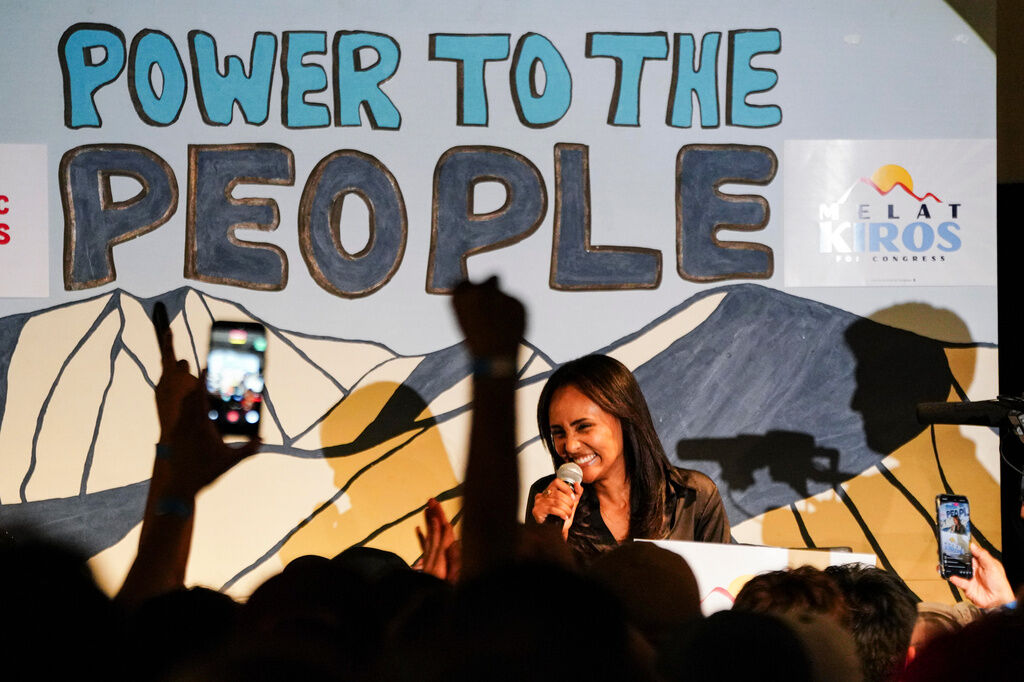
House will vote to denounce socialism
Lauren Green
lauren-green@coloradopolitics.com
Updated 19 hours ago
The House of Representatives is set to vote next week when lawmakers return to condemn and denounce “socialism in all its forms,” specifically pointing to the growing Democratic Socialists of America organization. The House voted to condemn socialism last year,...
PREV
PREVIOUS

Record visitation at Colorado state parks in 2020 spells 'high-use' fees
FRANKTOWN – Inside Castlewood Canyon State Park, where worldly troubles seem to float away with the creek and with the clouds out to snowcapped peaks beyond, a certain reality occurred to Trevor Girten. “Prices are only going up it seems,” he said Friday on his first hike of the new year. That was the case […]

A LOOK BACK | Whistleblower outs alleged Department of Revenue fraud
A weekly dive into the pages of Colorado Politics’ predecessor, The Colorado Statesman, which started in 1898: Forty Years Ago This Week: Whistleblower George Lanes, a former employee of the Colorado Department of Revenue, wrote publicly about the personal fallout he had experienced after spotlighting revenue officials’ failure to deposit tax funds. Lanes wrote to The Colorado […]