

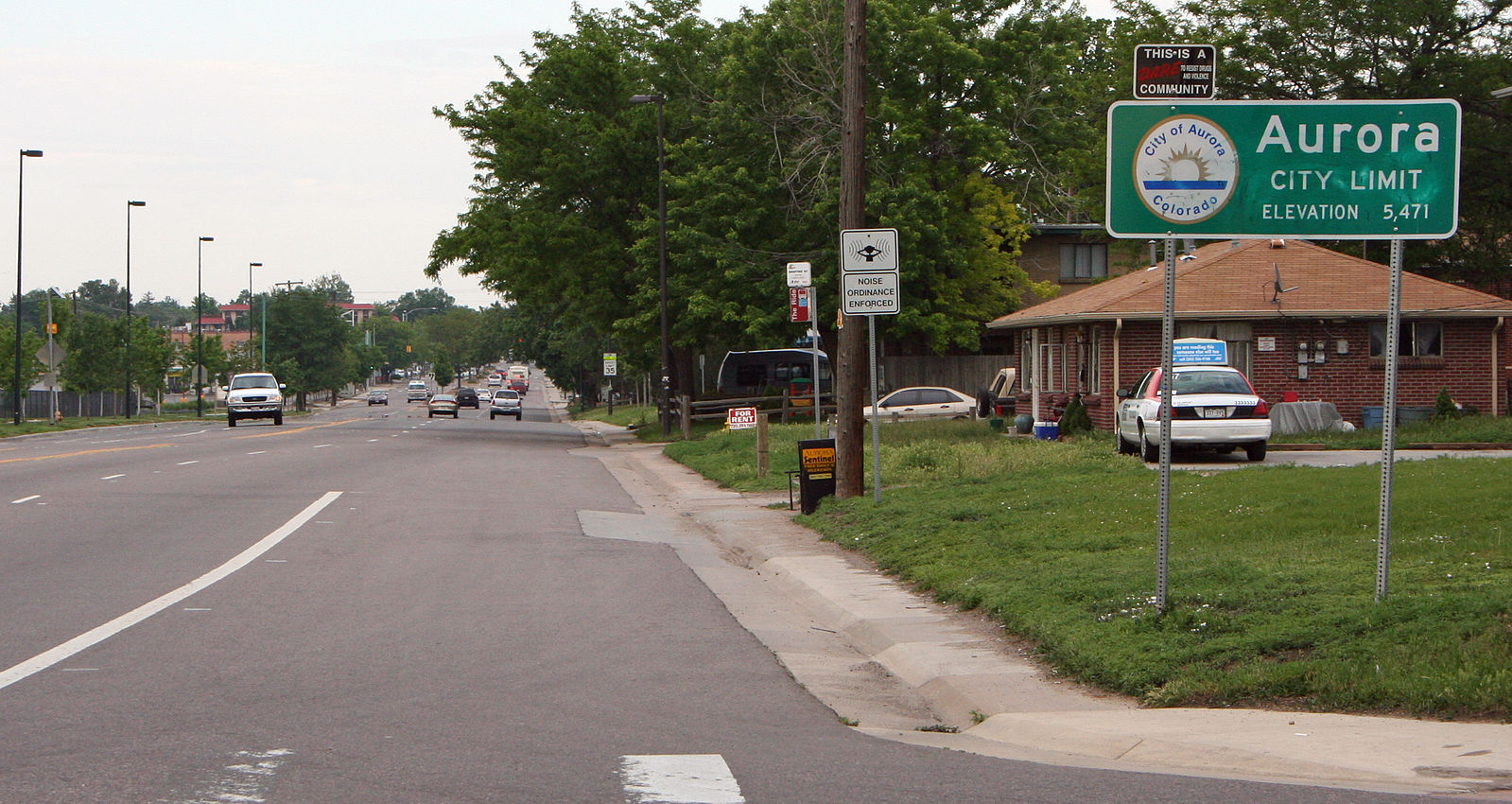
Aurora Mayor Mike Coffman lays out city’s immigration and diversity plan

The city of Aurora rolled out a 10-year plan to make immigrants and refugees feel not only welcome but a critical part of the city, as well.
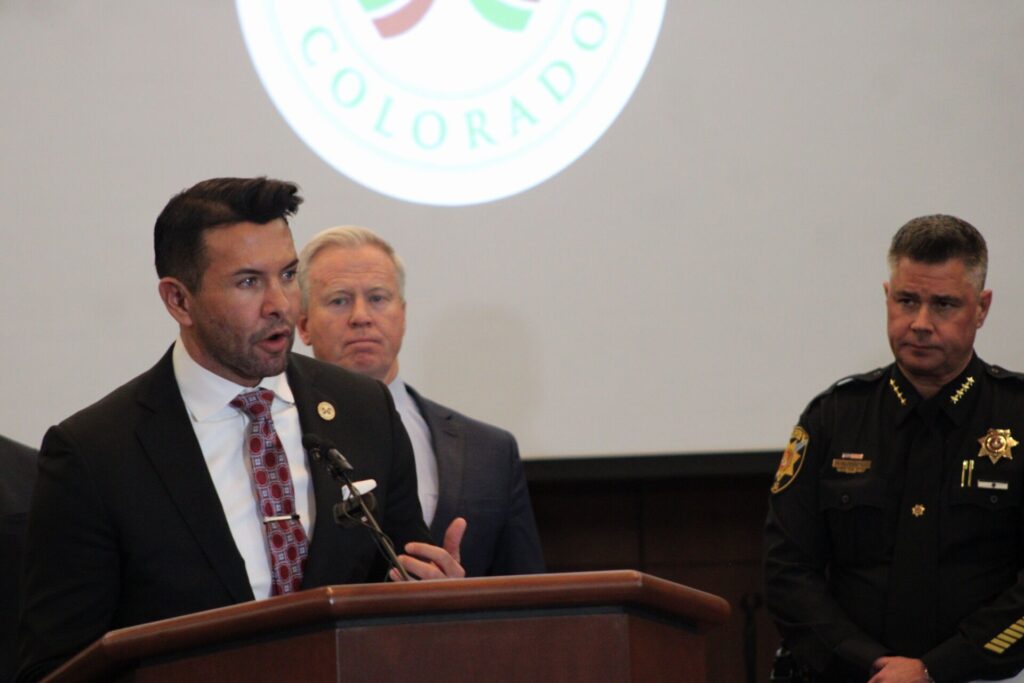
Mayor Mike Coffman, a champion of diversity and legal immigration as a Republican congressman until 2018, spoke with reporters and a community leaders in a webinar Tuesday.
Aurora is the most diverse city in Colorado and one of leaders nationally. The often-noted fact is the local school systems serves students who speak 140 languages and about 1 in 5 residents were born outside the United States.
Now, Aurora is the only city in the state that has a formal immigration and integration plan, and, again, one of the few nationally.
That plan, called “Aurora is Open to the World,” is available by clicking here.
Coffman described the city’s diversity as a hallmark, not a setback.
“Our goal, certainly, is to help them achieve the American dream through access to resources and assistance to assistance in terms of starting a small business,” Coffman said. “There’s also an international component to this in terms of making Aurora an economic center and cultural center internationally.”
That’s already paying off, he said, attracting not only the attention of international companies that could become local employers, but also the city’s first diplomatic outpost, the Consulate of El Salvador. Coffman said South Korea, hopefully, will be the next to locate in the sunrise city.
The plan promises to work on a lot:
- Immigrant entrepreneurship
- Housing and home ownership
- Job skills and certifications
- English language skills (including online courses)
- Relationships with police and fire departments
- Preventive health care and healthy lifestyles
- Promotion of international business relations
- Leadership development
- Integrate immigrants into the “cultural life of the city”
Aurora is often lumped in with Denver and Boulder by opponents of illegal immigration as a “sanctuary city,” a safe place for undocumented people to live and work.
Coffman said the city doesn’t fit under that description when it comes to law enforcement. The city hold undocumented people 72 hours, as the law prescribes, before they’re transferred to a county facility. Aurora also makes its lists of inmates available to federal agencies.
“We are not an immigration enforcement entity,” he said. “Our law enforcement is not dedicated to that purpose. That is a federal responsibility.”
Rodolfo Cardenas, a Spanish-language radio host on KNVR Hispanic Radio, asked about city police’s sometimes rocky relationship with communities of color.
Coffman said those “reforms and restructuring” are covered in their own plan for the police department to take on cultural bias and competency training. That plan is available by clicking here.
“We have a goal, and it will take some time, to make our police department more reflective of those communities they serve,” he said.
The city has been at this awhile, creating the Office of International and Immigrant Affairs in 2015. Last year the office began managing a citywide language access plan.
“I’m always in awe of immigrant-refugee communities and their desire to make something extraordinary out of their lives that they were not able to do in the country they came from,” Coffman said.

Colorado Parks and Wildlife Commissioner Murphy Robinson resigns
Marianne Goodland
marianne.goodland@coloradopolitics.com
Updated 2 hours ago
Murphy Robinson, who has served on the Colorado Parks and Wildlife Commission for just over a year, announced his resignation on Wednesday. In a statement, Gov. Jared Polis thanked Robinson, saying he is “incredibly grateful for Murphy’s service to the...

Colorado Supreme Court’s opinion output drops by two-thirds amid justice’s absence
Michael Karlik
michael.karlik@coloradopolitics.com
Updated 3 hours ago
The Colorado Supreme Court has released significantly fewer new opinions in recent months compared to the previous two years, even as the judicial branch insisted that a member’s open-ended absence is not causing delays. Justice Melissa Hart has been on...
Adams County officials call for resignation of county treasurer after ‘inappropriate behavior’
Kyla Pearce
kyla.pearce@gazette.com
Updated 3 hours ago
Adams County Commissioners requested the resignation of the county’s treasurer after multiple allegations of inappropriate behavior toward staff members. Treasurer Alex Villagran has declined to step down. An independent investigation by Employment Matters LLC Flynn Investigations Group found multiple allegations...

Aurora’s consent decree monitor reviews fatal pursuit crash, notes ‘inherent risk’ of police chases
Kyla Pearce
kyla.pearce@gazette.com
Updated 5 hours ago
Two people died in a crash that resulted from an Aurora police pursuit last week, which the city’s decree monitor is reviewing. The monitor said the incident underscores the “inherent risks” of pursuits. Meanwhile, the city police department said it...
Colorado’s universal preschool enrollment begins for upcoming school year
Marissa Ventrelli
marissa.ventrelli@coloradopolitics.com
Updated 4 hours ago
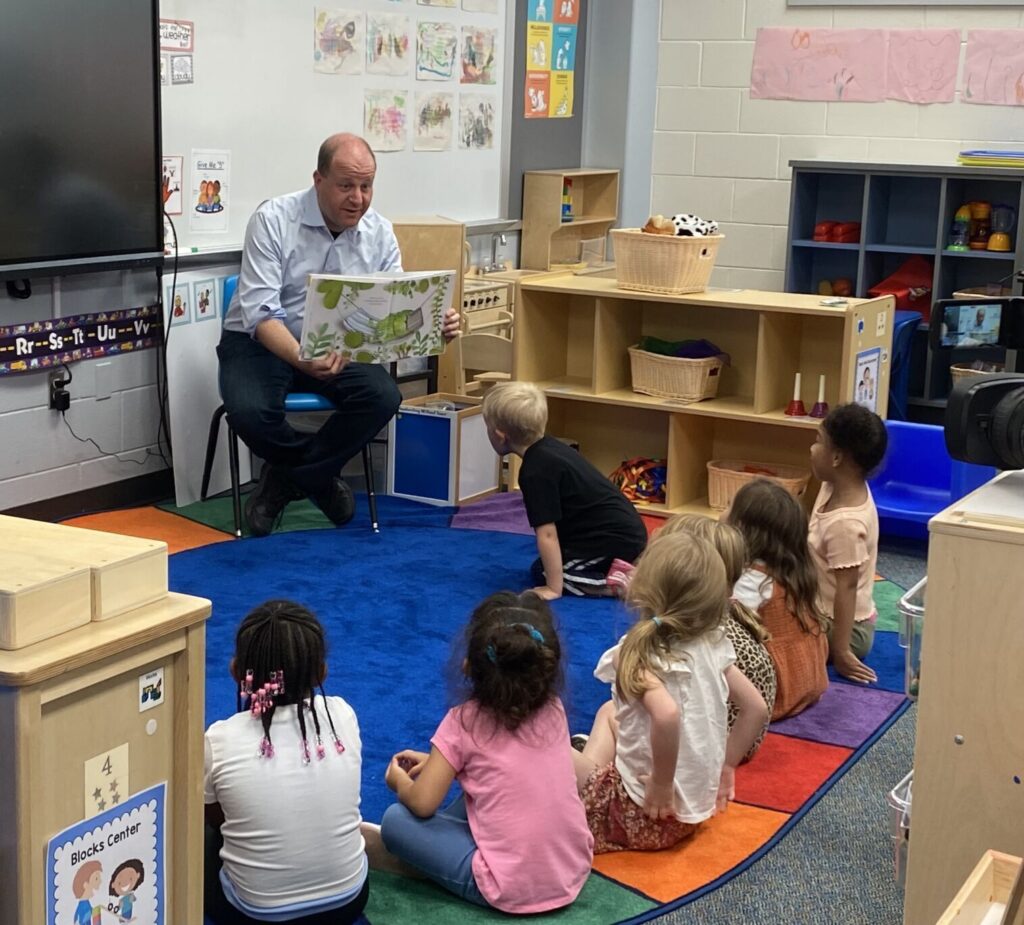
Enrollment is now open for Colorado’s universal preschool program, which provides up to 15 hours of free education for four-year-old children across the state. The $344 million program has served nearly 90,000 children since its creation in 2023, the Governor’s...

Divided 10th Circuit rules bank customer must arbitrate discrimination-related claims
Michael Karlik
michael.karlik@coloradopolitics.com
Updated 4 hours ago
The Denver-based federal appeals court ruled on Monday that a mandatory arbitration clause in the fine print of a customer’s bank account agreement prohibited her from pursuing claims of racial discrimination in court. Jeanetta Vaughn filed suit against JPMorgan Chase...

Colorado’s federal trial court denies admission to lawyer owing tens of thousands in dues, penalties
Michael Karlik
michael.karlik@coloradopolitics.com
Updated 5 hours ago
Colorado’s U.S. District Court declined last month to allow an attorney to practice before the court due to his failure to pay enrollment fees and penalties to another state’s bar association for years. The federal trial court requires attorneys to...
Douglas County businesses to pay fines for unreported thefts under proposed ordinance
Noah Festenstein
noah.festenstein@denvergazette.com
Updated 2 hours ago
Douglas County commissioners on Tuesday advanced an ordinance aimed at curbing retail theft by penalizing businesses that refuse to report shoplifters to law enforcement. The proposal is notable in that it shifts the onus of responsibility to businesses. Officials said...

Federal judge labels appeal ‘frivolous,’ state Supreme Court to hold arguments | COURT CRAWL
Michael Karlik
michael.karlik@coloradopolitics.com
Updated 10 hours ago
Welcome to Court Crawl, Colorado Politics’ roundup of news from the third branch of government. A federal judge deemed a government defendant’s appeal “frivolous,” and the state Supreme Court will have an abbreviated oral argument schedule next week. Heard on...

Humane Colorado bids fond farewell to its CEO at Celebration of Compassionate Leadership | NONPROFIT REGISTER
Joanne Davidson Special to Colorado Politics
joanne-davidson-special-to-colorado-politics@coloradopolitics.com
Updated 12 hours ago
HUMANE COLORADO Denver News: Veterinarian Apryl Steele is not one to toot her own horn, so the general public might have no idea of the depth and scope of the role she has played in elevating the standard of care for companion animals and for expanding the socially...
PREV
PREVIOUS

Feds rule out death penalty for Planned Parenthood shooter Dear
Federal prosecutors will not pursue the death penalty against admitted Planned Parenthood shooter Robert Lewis Dear Jr., the U.S. Attorney’s Office announced Wednesday. The decision – relayed without explanation in a one-sentence legal filing – comes days after the five-year anniversary of the Nov. 27, 2015, rampage at Colorado Springs’ lone Planned Parenthood clinic, which […]

Boulder County Housing Helpline provides over $1 million in COVID-19 emergency assistance
More than 400 households in Boulder County have received over $1 million in assistance from the county’s Housing Helpline since April. Those working for the help line have been connecting with residents to help them with rental assistance, landlord support, free mediation and legal services and financial coaching, according to a news release. “Access to […]