

Applications for redistricting commissions due Tuesday

With just days to go, the pool of applicants for the state’s two redistricting commissions are far short of the 2,100 applicants suggested by the ballot initiatives that put those commissions into place.
Applications are due Tuesday, according to Julia Jackson of the Legislative Council.
The two commissions – one for congressional, the other for legislative – will come up with the maps that will be used for congressional and legislative races for the next decade.
The commissions were approved by voters through two ballot measures in 2018, Amendments Y and Z, which were referred to voters by the General Assembly.
As of Monday, the the Independent Congressional Redistricting Commission has received 349 applications, and the Independent Legislative Redistricting Commission has received 234 applications. However, the laws suggest a pool of at least 1,050 for each commission, meaning the pool is short more than 1,500 applications.
A breakdown of the applicant demographics, provided by Legislative Council, shows the applicant pool skews male for both panels, at 63% for the Congressional commission and 57% for the legislative panel. Women make up just 31% of the Congressional applicants and 37% for the legislative group. Both applicant pools are overwhelmingly white and most applicants are at least 60 years of age.
Each commission is to be made up for 12 members, four from the two top political parties and four unaffiliated members.
Once the application process is over, nonpartisan commission staff will review all applications to make sure they meet minimum qualifications. That includes:
- Voting in the last two general elections (2016 and 2018)
- Affiliated with the same political party or unaffiliated for the last five years
- Congressional commissioners cannot have been a candidate for federal office within the last five years nor an employee of a member or candidate for Congress within the last three years
- Legislative commissioners cannot have been a candidate for the General Assembly within the past five years nor an employee of a member or candidate for the legislature within the past three years.
- Commissioners also cannot be professional registered lobbyists with the last three years, and cannot have been a municipal, county, state or federal elected official in Colorado within the last three years.
- A commissioner appointed to one commission cannot serve on the other.
Once the applications have been reviewed by the Legislature Council staff, a three-member panel of retired judges, appointed no later than Jan. 5 by the Chief Justice of the Supreme Court, will randomly pick up to 300 applicants. The law requires those decisions to be unanimous. Those applicants must be affiliated with the state’s largest party, the second largest, and then unaffiliated.
By Jan. 25, the judges’ panel must hold a public meeting and randomly select applicants. From the first pool, which the law says should be 300 from the largest political party, 300 from the second largest and 450 unaffiliated candidates, the pool is whittled down to 150 applications, 50 from each group. The judges’ panel then would randomly select six commissioners from that group. The other six would come from the same pool, but the initial selection – 10 applicants – would be made by legislative leaders. The judges’ panel would then pick four from that pool and two additional unaffiliated applicants. The congressional commissioners must be selected by March 1; the legislative members by March 16.
The legislative commissioners are required to start meeting by March 30; the Congressional commission is expected to start meeting by March 15.
All meetings of both commissions are open to the public.

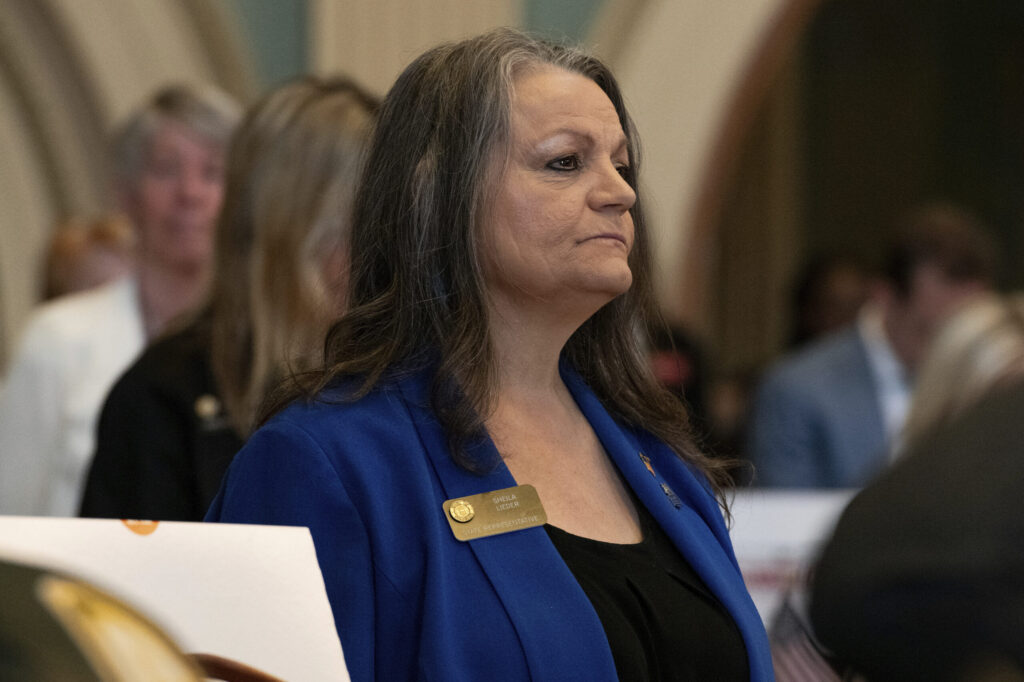
Colorado lawmaker, House leaders named in workplace-retaliation lawsuit
Marianne Goodland
marianne.goodland@coloradopolitics.com
Updated 3 hours ago
A former legislative aide has filed a lawsuit alleging she was mistreated, illegally directed to perform campaign work and harmed by a House leadership structure she says was fragmented, politicized and ineffective at protecting employees. The lawsuit, filed by Jennifer...
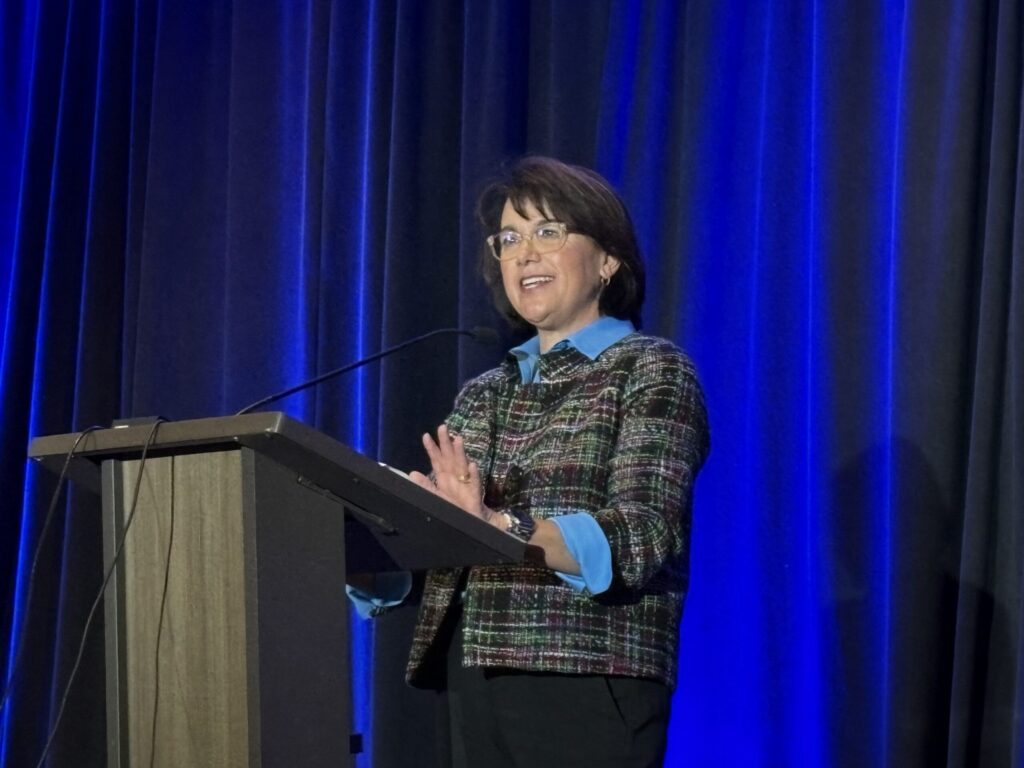
Democratic candidate in Colorado’s 4th CD urges long-term water planning
Marianne Goodland
marianne.goodland@coloradopolitics.com
Updated 3 days ago
The Democrat hoping to become the next representative of Colorado’s 4th Congressional District on Thursday made her case on the final day of Colorado Water Congress in Steamboat Springs. Eileen Laubacher, who spent 34 years in the U.S. Navy and...

Democratic gubernatorial candidate Phil Weiser promises to appoint rural outreach director, water adviser
Marianne Goodland
marianne.goodland@coloradopolitics.com
Updated 4 days ago
Democratic gubernatorial candidate and current Attorney General Phil Weiser told the Colorado Water Congress Thursday he intends to appoint a rural outreach director and a water policy adviser should he win the election in November. Weiser’s speech at the Steamboat...
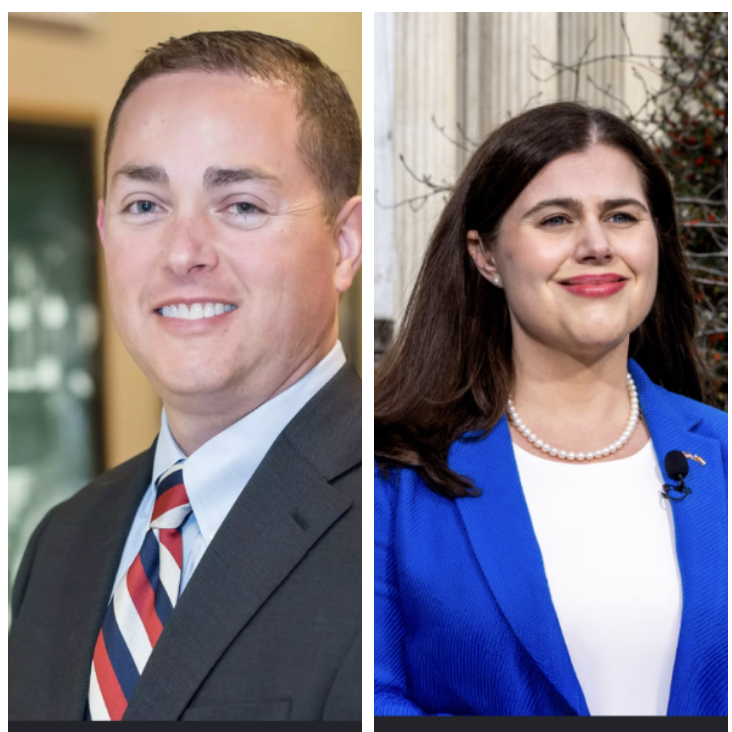
Attorney general candidates present priorities at Colorado Water Congress
Marianne Goodland
marianne.goodland@coloradopolitics.com
Updated 4 days ago
The two major-party candidates for attorney general — Republican Michael Allen, the district attorney for Teller and El Paso counties, and Democratic Secretary of State Jena Griswold — on Thursday outlined their priorities at the Colorado Water Congress. Griswold attended...
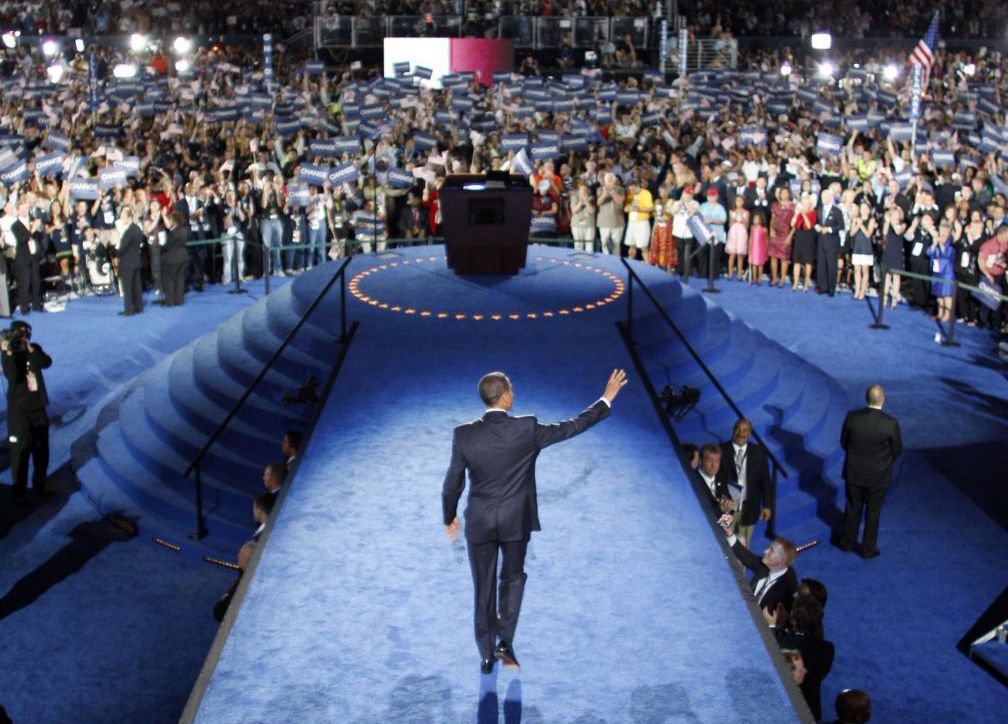
Denver named finalist for 2028 Democratic Convention site
Thelma Grimes
thelma.grimes@coloradopolitics.com
Updated 5 days ago
The Mile High City competes with Boston and Philadelphia The list of cities being considered to host the 2028 Democratic National Convention has narrowed even further, with Denver making the cut as one of the final three, along with Boston...
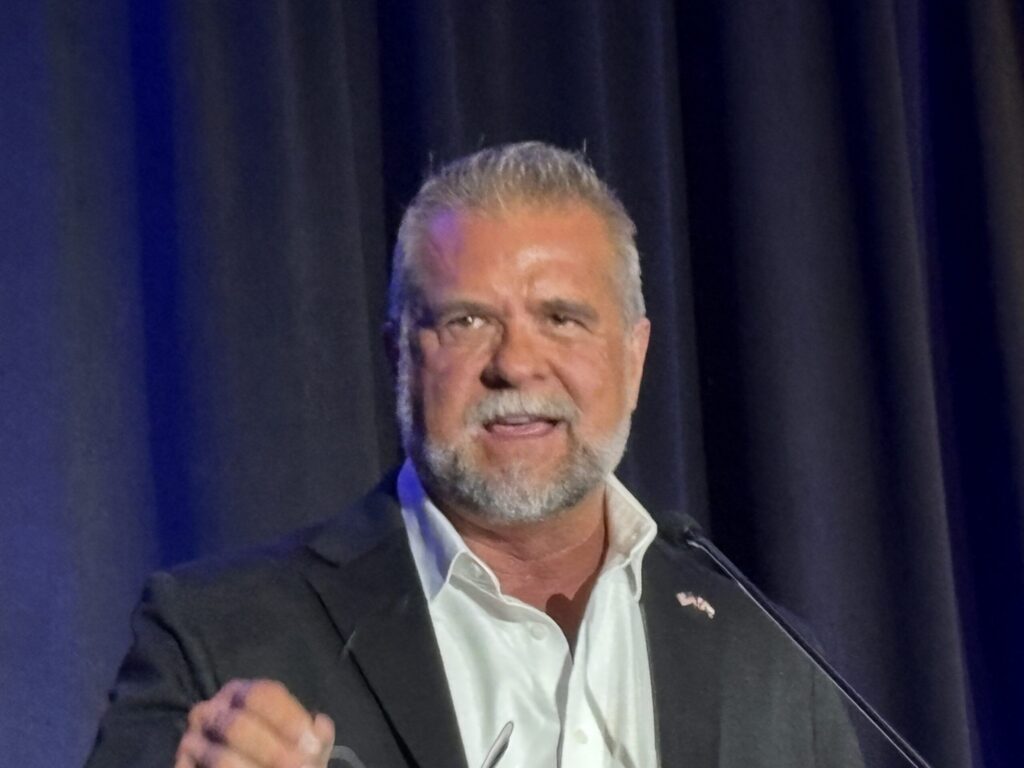
GOP gubernatorial candidate Victor Marx pushes aggressive water-storage expansion at Colorado Water Congress
Marianne Goodland
marianne.goodland@coloradopolitics.com
Updated 5 days ago
Victor Marx, the Republican nominee for governor, took the spotlight Wednesday during the opening day of the Colorado Water Congress, laying out how he says the state should approach its water future. Marx told the standing-room-only audience in Steamboat Springs...

U.S. Rep. Lauren Boebert stresses storage, forest health and Upper Basin rights at Colorado Water Congress
Marianne Goodland
marianne.goodland@coloradopolitics.com
Updated 5 days ago
Republican U.S. Rep. Lauren Boebert used her brief Wednesday appearance at Colorado Water Congress to tout her record on delivering water projects for the state and her district. Boebert, who is running for her second term representing the 4th Congressional...
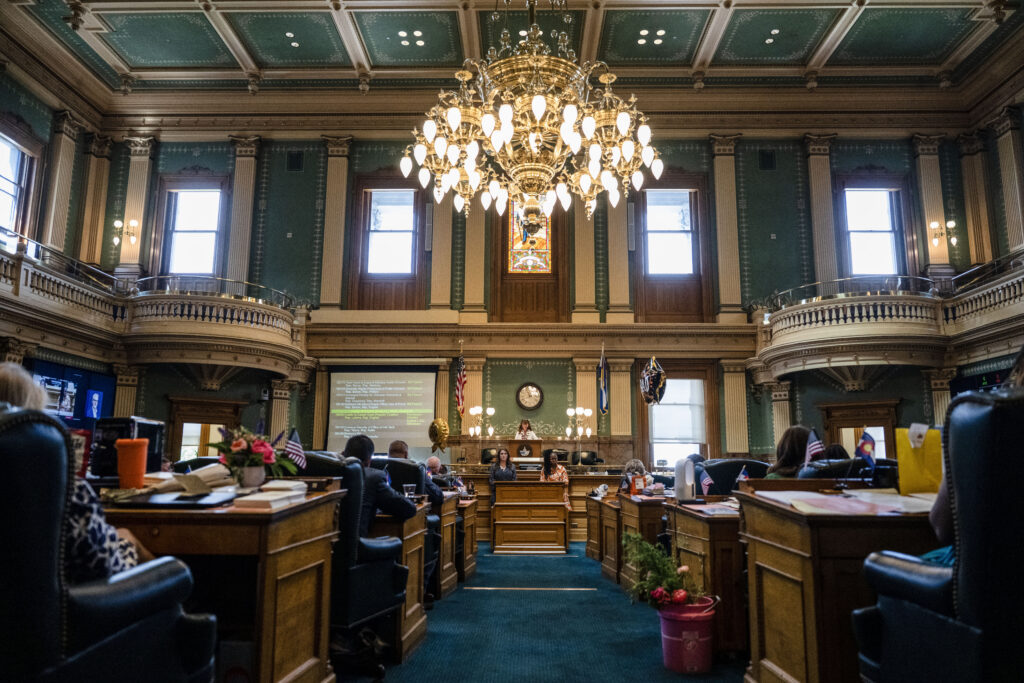
Colorado House Democrats’ caucus finances under scrutiny as ethics case against leader advances
Marianne Goodland
marianne.goodland@coloradopolitics.com
Updated 3 days ago
Democratic lawmakers told a legislative ethics panel that a leader’s management of caucus finances left them with unanswered questions, disputed reimbursements and a breakdown in communication that ultimately triggered a formal complaint. The House Ethics Committee is examining a complaint...

Colorado lieutenant governor candidate Markert says early discipline and key mentors set his course
Marianne Goodland
marianne.goodland@coloradopolitics.com
Updated 1 week ago
Editor’s note: This is the first installment in a three-part series examining Colorado’s candidates for lieutenant governor. In this piece, Colorado Politics speaks with George Markert, the Republican running mate to gubernatorial candidate Victor Marx. Marx is competing against Democrat...
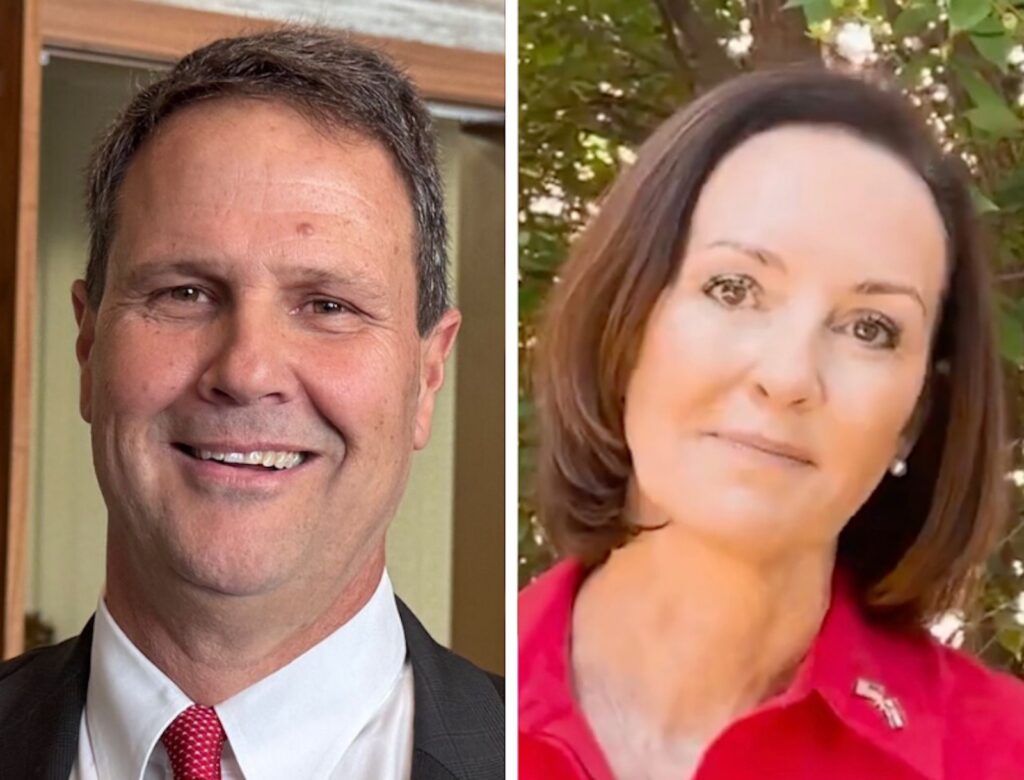
Jeff Crank, Jessica Killin set to face off in 2 debates in Colorado’s 5th Congressional District
Ernest Luning
ernest.luning@coloradopolitics.com
Updated 2 weeks ago
Republican U.S. Rep. Jeff Crank and Jessica Killin, his Democratic challenger, have agreed to debate twice in the weeks leading up to the general election in Colorado’s 5th Congressional District, their campaigns have said. Crank is seeking a second term...
PREV
PREVIOUS
Coronavirus in Colorado: The latest numbers
There are now 9,707,096 coronavirus cases in the U.S. and 235,761 deaths, according to Johns Hopkins University. The latest COVID-19 numbers in Colorado (Updated on Nov. 6): – 121,006 cases, including 21,546 in Denver County – 1,279,847 people tested – 2,353 deaths among cases, including 455 in Denver County – 1.94% fatality rate in the […]
ELECTION 2020 | The race in charts: Results from the Colorado contests
The reporters and editors of Colorado Politics, the Colorado Springs Gazette and the Denver Gazette kept their trained eyes on the field as Election Night turned into judgment day for politicians and causes on the 2020 ballot. Find heatmaps of the county-by-county vote in turnout, president and U.S. Senate. There are also tables on all […]