

FIRE LINES | Mike Lester, state forester: ‘Invest in our forests’
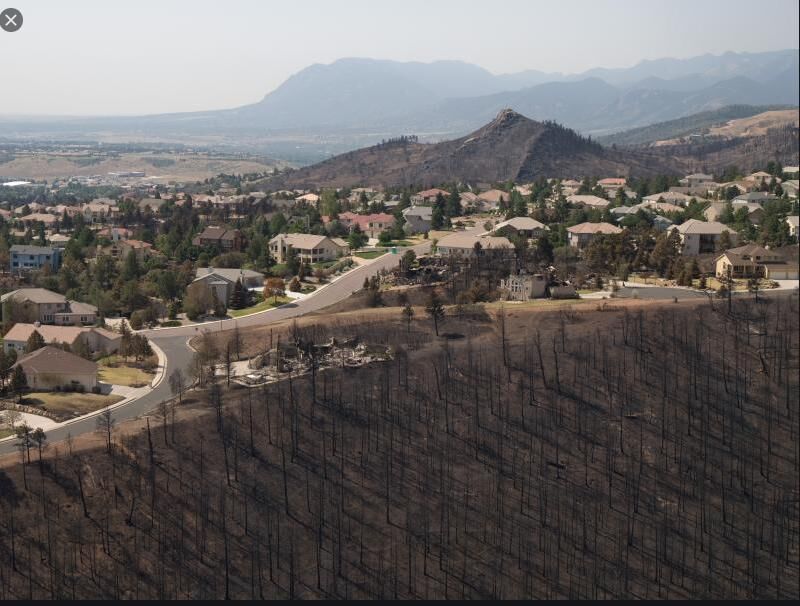
This is the first in a series of conversations with experts on the science and policies regarding fires.
Mike Lester, Colorado’s state forester and director of the Colorado State Forest Service at Colorado State University, views the East Troublesome fire and the others that have devastated Colorado this fall as an investment.
“We need to invest in our forests,” he recently told Colorado Politics. “When we total up the bill for this fire season, that’s an investment,” but maybe not the kind most people would want to make.
Nobody plans to have wildfires like this, and the choice is to invest in forest health or invest in fighting the wildfires. “Nothing is free,” he said.
What should be the investment: getting the “fuel load” — millions of trees ripe for fires — down, and getting forests back to their natural state.
“We’ve become so effective at suppressing wildfires” that the fuel load just continues to build. Instead of a light- to moderate-intensity fire, Colorado ends up with catastrophic fires.
There’s no question that fire seasons are getting longer and the opportunity for those catastrophic fires is growing. “If you had told me five years ago we’d have fires this big in October, I wouldn’t have believed it,” Lester said.

Mike Lester, Colorado state forester. Photo courtesy Council of Western State Foresters.

He noted that 64% of Colorado’s lands are federally managed. Over the last dozen years, the feds — everyone’s “favorite whipping boy, but they don’t deserve it” — have been as aggressive as they can be with a limited budget to manage forest health. “I have a lot of admiration for them. They’re asked to do the job with both hands tied behind their backs,” and that’s regardless of who sits in the White House or who controls Congress.
Those efforts also come despite the growing integration of people into wildlands. Those lands aren’t far from civilization anymore, with decent-sized towns in the middle of forests, Lester said.
Another problem: a lack of a sound forest products industry — a fancy way to say timber mills — and that’s not easily solvable. Colorado has just one, in Montrose, and the cost of transporting timber devastated by beetle kill is not profitable. “You have to pay people to take the timber off the land” rather than someone wanting to buy that timber, he explained. The only other nearby mill is in southern Wyoming, but it’s not large enough to cover the volume of timber that could come from Colorado forests.
Lester said there are lots of arguments about what causes these wildfire events, which he says is kind of silly. “We know why”: changes in the distribution of trees and insect species.
Take the mountain pine beetle, which eats ponderosa and lodgepole pines. That’s the insect that has destroyed 5 million acres of trees since the mid-1990s. Winter weather and cold temperatures in the 30- to 35-below-zero range used to keep the beetles in check, Lester said. But Colorado no longer gets that cold at the elevations where the beetles live.
What’s to be done? Lester said that collaboration among a lot of agencies — not just between the state and the feds — is the best solution at hand for now. That now includes the US Forest Service, the Bureau of Land Management, the USDA’s Natural Resources Conservation Service, the Colorado Department of Natural Resources, Denver Water, Colorado Springs Utilities, Northern Water and even some non-agency groups like the Coalition for the Upper South Platte.
That kind of collaboration is essential, given the shortage of financial resources, even before the economic downturn due to the pandemic.
There’s also the issue of climate change. “It’s very real,” Lester said. In the wildfires, climate change has manifested itself with a longer fire season and greater propensity for drought.
“This is what grabs us by the throat,” he said.
What Lester and his team will be watching for once the fires are out is what happens to the soil. There will be a lot of it sliding down hills, and that will take two to four years to stabilize, he said.
The danger is that some of that sliding soil will head toward reservoirs, hence the involvement of water utilities and providers. Lester said that silt and debris will cover roads and fill reservoirs, which becomes an expensive problem to mitigate.
Regenerating the forests will also be difficult. When hundreds of thousands of acres of trees burn, that also burns the seeds that would help the forests rebuild on their own. As a result, people have to step in, and it will take centuries for those trees to come back.
Lester pointed to the Hayman fire from 2002, which burned more than 138,000 acres. The US Forest Service has been replanting in the area, at about 1,000 acres per year. “You’re talking hundreds of years to regenerate these forests,” Lester said.
The other impact is to the species that call those forests home, and their native habitat is now gone. “Clean air, clean water, habitat, all the things that forests do can’t happen if the trees aren’t there.”
“We’ve known for quite some time” that these wildfires weren’t going to hold off forever,” Lester said. He likened it to Hurricane Katrina and the failure of levees to hold back the floods. “They knew the levees had problems,” but there were a lot of other things that got the priority for funding.
“Fire is a part of our ecosystem” and it’s not necessarily a bad thing when the forests are in decent health. But the wildland-urban interface makes the stakes higher, Lester said.
Colorado Politics Must-Reads:

Colorado Supreme Court upholds child abuse convictions despite faulty jury instruction
Michael Karlik
michael.karlik@coloradopolitics.com
Updated 2 hours ago
The Colorado Supreme Court decided on Monday that a San Miguel County jury properly convicted a defendant of child abuse resulting in death, even though the instructions potentially allowed jurors to avoid finding that the child abuse resulted in death....
Gov. Polis asks residents not to use fireworks as wildfires burn
Rachael Wright, Special to Colorado Politics
rachael.wright@coloradopolitics.com
Updated 7 minutes ago
While Gov. Jared Polis said he will not issue a statewide fire ban, Colorado’s top political leader urged residents against using fireworks as the country heads into the July 4 weekend. “We are encouraging the people of Colorado to exercise...
Trump says communism greater threat than WWI, WWII, 9/11, and Pearl Harbor
Naomi Lim
naomi-lim@coloradopolitics.com
Updated 2 hours ago
President Donald Trump compared the rise of socialism to the Sept. 11 terrorist attacks. Trump was asked about the possible rise of more socialist candidates after three candidates New York City Mayor Zohran Mamdani endorsed last week won their Democratic...

GOP doubles down on SAVE America Act after Supreme Court allows mail ballots to be counted late
Lauren Green
lauren-green@coloradopolitics.com
Updated 2 hours ago
Congressional Republicans continue to push the voter identification bill — that has left Washington in grid lock for months — after the Supreme Court ruled states can count mail-in ballots that arrive after Election Day. The 5-4 decision rejected a...

US and Iran to cease strikes and discuss Strait of Hormuz this week: Report
Carter Schroppe
carter.schroppe@washingtonexaminer.com
Updated 4 hours ago
Officials from the United States and Iran will meet in Qatar this week to discuss the Strait of Hormuz after agreeing to “halt strikes” following a weekend of intermittent fighting between the two countries. The meeting, scheduled for Tuesday in...
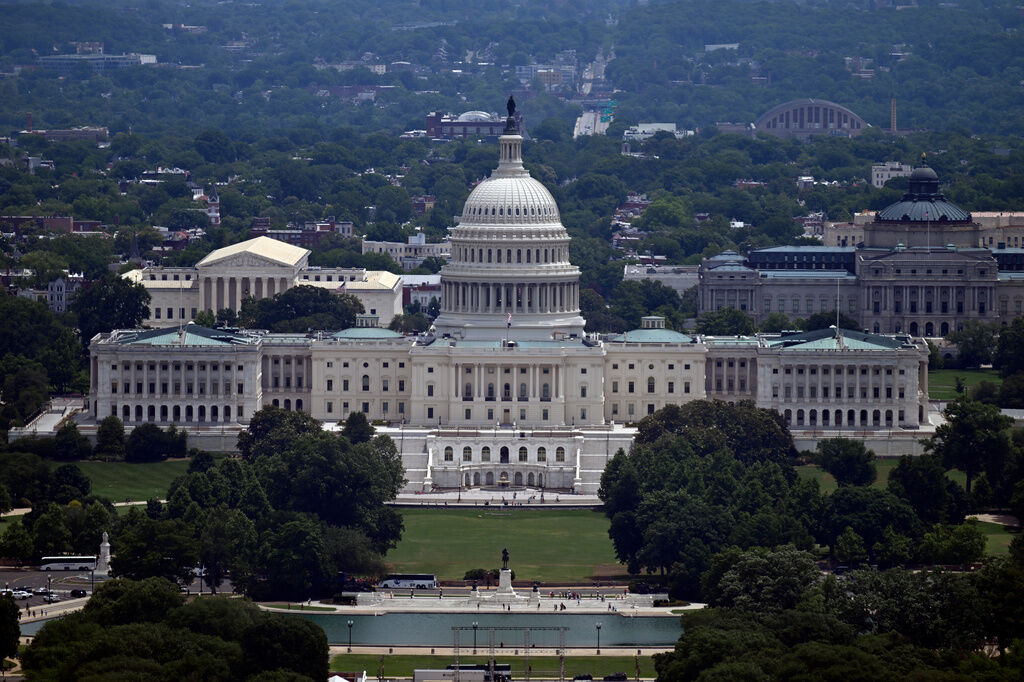
Congress is struggling to get its work done and a new report argues for 21st-century upgrades
Kevin R. Kosar
kevin-r-kosar@coloradopolitics.com
Updated 4 hours ago
The news coming from Capitol Hill over the past couple of weeks has left much to be desired. Congress has had difficulty discharging its lawmaking duties. The Senate’s appropriations committee is at loggerheads over how much spending to authorize. The...
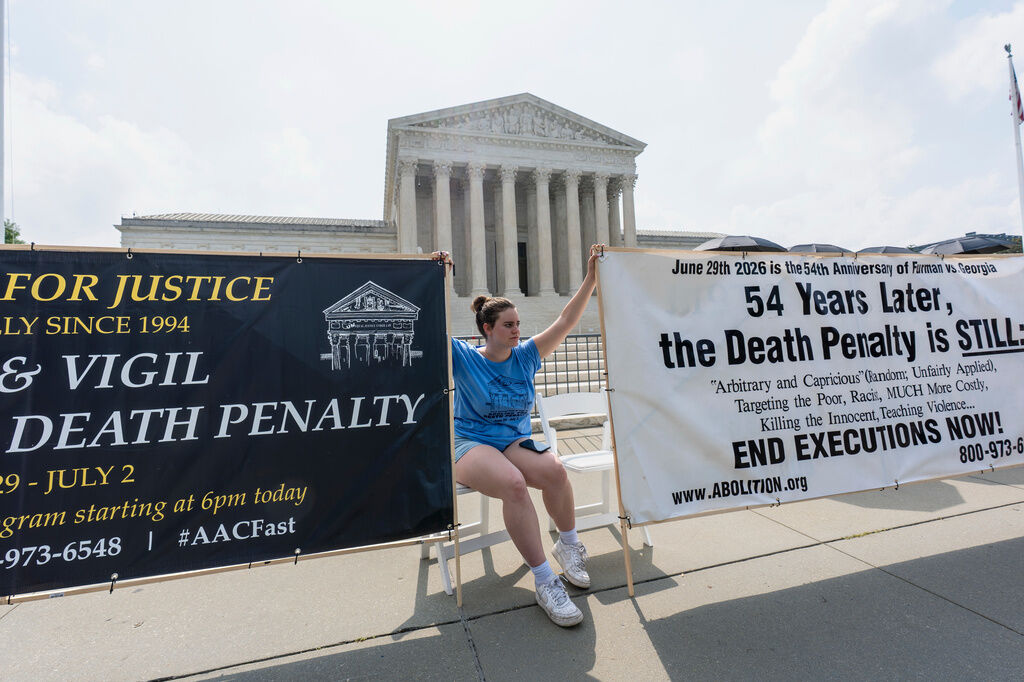
Supreme Court rules constitutional privacy protections apply to cellphone users location history
The Associated Press
the-associated-press@coloradopolitics.com
Updated 4 hours ago
WASHINGTON (AP) — The Supreme Court held Monday that constitutional privacy protections extend to cellphone location information, ruling in the case of a bank robber whose identity was discovered through a geofence warrant. Justice Elena Kagan wrote for the 6-3...
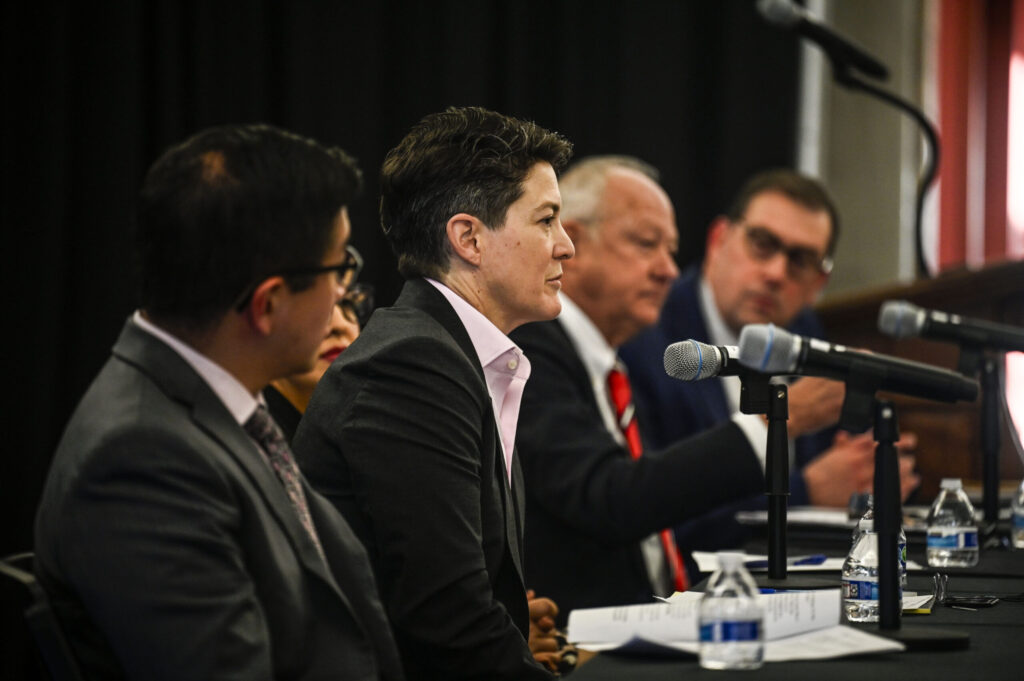
Colorado justices say group that spent $4M on ballot initiatives does not have to disclose donors
Michael Karlik
michael.karlik@coloradopolitics.com
Updated 5 hours ago
The Colorado Supreme Court ruled on Monday that an organization that spent $4 million to advocate on ballot initiatives in the 2020 election is not required to disclose its donors and spending. The Supreme Court acknowledged that multiple factors suggested...
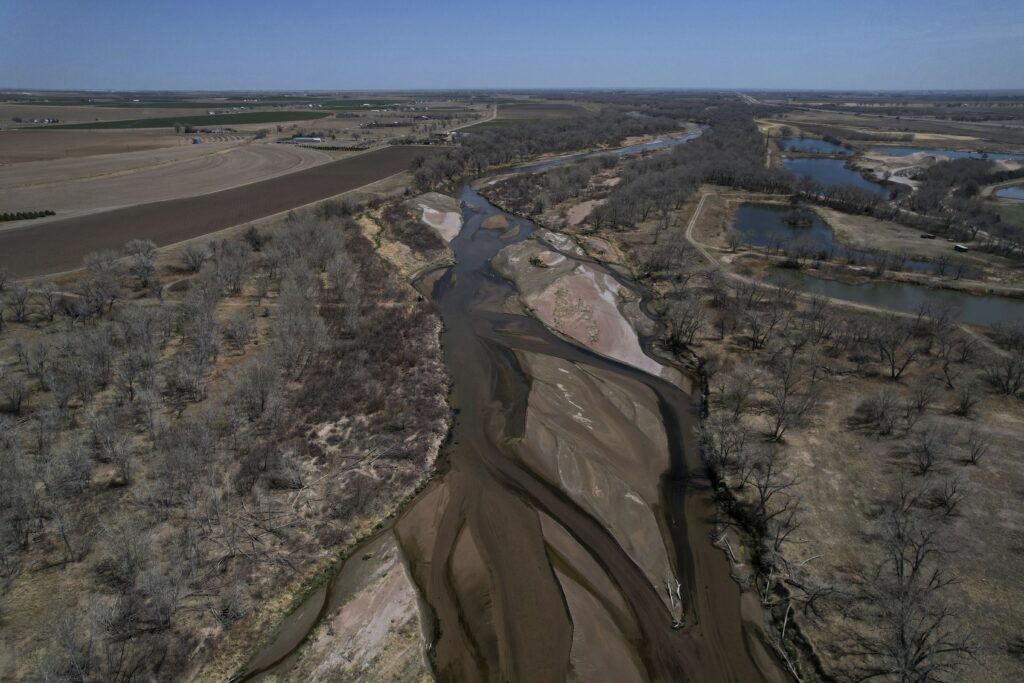
Colorado–Nebraska water clash heads to US Supreme Court as canal fight intensifies
Marianne Goodland
marianne.goodland@coloradopolitics.com
Updated 48 minutes ago
The U.S. Supreme Court on Monday agreed to hear Nebraska’s lawsuit against Colorado over the Perkins County canal, a move that advances a legal dispute likely to take years to resolve. The proposed Perkins County canal would run through land...

Supreme Court rules states can count late-arriving mailed ballots, rejecting Trump-led challenge
The Associated Press
the-associated-press@coloradopolitics.com
Updated 8 hours ago
WASHINGTON (AP) — The Supreme Court on Monday ruled that states can count ballots that arrive after Election Day, a persistent target of President Donald Trump. The 5-4 decision rejected a Republican-led attack on laws in more than half the...
PREV
PREVIOUS

Coronavirus in Colorado: The latest numbers
There are now 8,937,926 coronavirus cases in the U.S. and 228,602 deaths, according to Johns Hopkins University. The latest COVID-19 numbers in Colorado (Updated on Oct. 29): – 98,710 cases, including 18,037 in Denver County – 1,175,350 people tested – 2,236 deaths among cases, including 449 in Denver County – 2.27% fatality rate in the […]

Judge directs watchdog group, Adams County to reach solution over inmate mail
A prison watchdog group and Adams County will have an opportunity to resolve allegations that the county jail is censoring mail to inmates, after a federal judge directed them to clear up any misunderstanding of jail policies. “Especially when litigation is complicated by pandemic-related issues, it seems like this is a perfect case to create […]