

Can Colorado afford President Trump’s directives on unemployment insurance?
Update: CBS News reported Tuesday morning that the Trump administration is dropping the $100 match from states, based on comments from White House economic advisor Larry Kudlow.
NEW: Trump economic adviser Larry Kudlow says WH is now going to eliminate state cost-sharing requirement to offer $300/wk in supplemental unemployment benefits … Kudlow says he believes all 50 states should be able to qualify for this new benefit, retroactive to Aug 1 …
— Steven Portnoy (@stevenportnoy) August 11, 2020
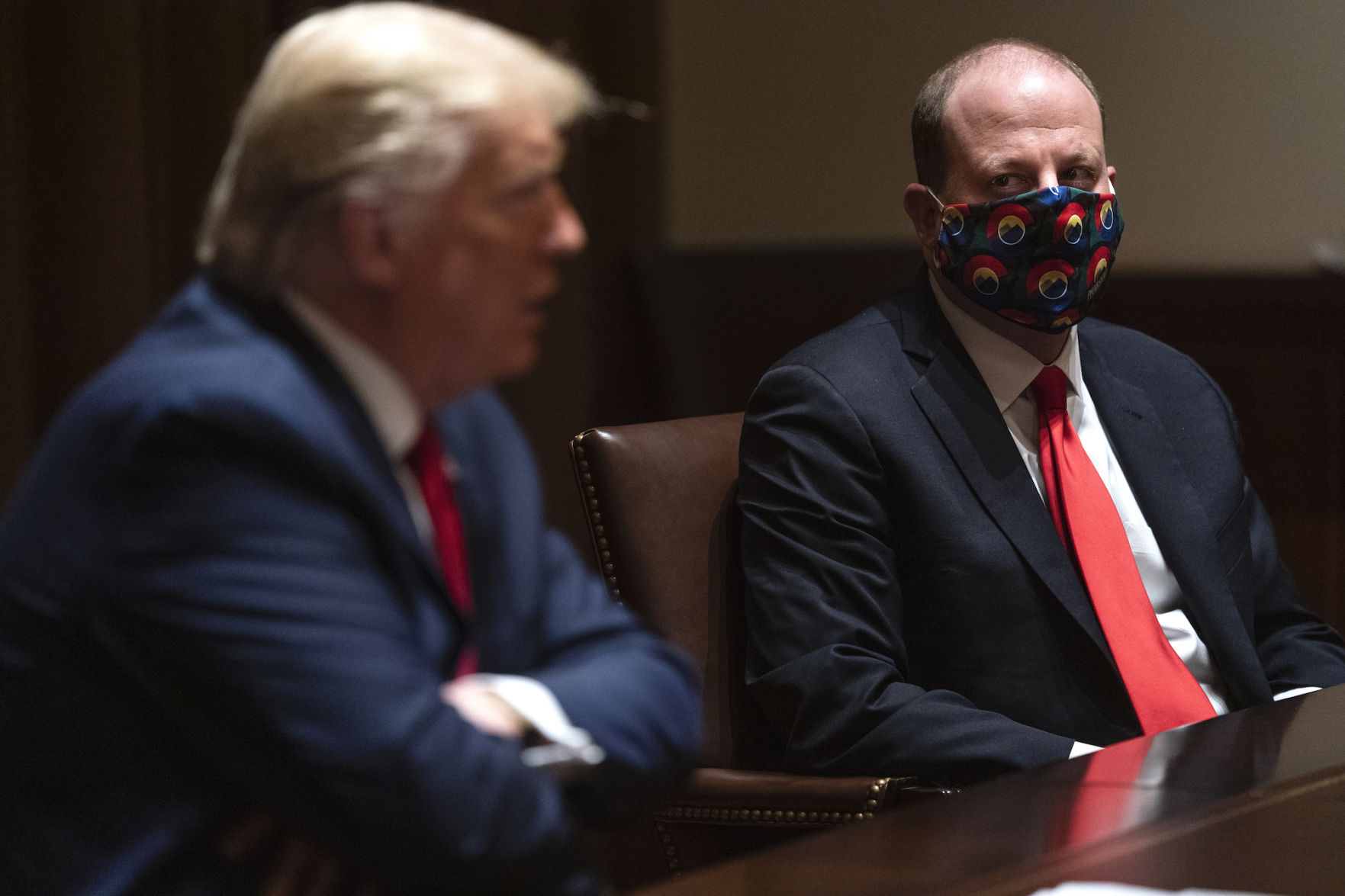
In the wake of Congress being able to hammer out a new deal over coronavirus aid, one of the orders President Trump signed over the weekend would provide $400 per week to the unemployed. Among the big questions coming out of that action: how would it work and can states afford it?
The order, the president claimed, was tied to previous federally-funded pandemic-related unemployment aid that provided $600 per week each to more than 30 million unemployed. Only $300 would be federally-funded. The last $100 was to come from the states, already severely cash-strapped due to the pandemic.
Colorado’s state budget for 2020-21 was cut by $3 billion in general funds, about 25% of the general fund budget. That included major cuts to K-12 education and higher education. In addition, the state’s unemployment insurance fund is nearing insolvency, although the state would still continue to pay out benefits.
Trump intends to tap $44 billion from a Disaster Relief Fund that would normally cover disaster aid due to hurricanes, tornadoes and wildfires. The president’s memo states the funding will last until December, but the amount provided will cover only about five weeks. Once the DRF drops below $25 billion, the states are expected to pick up the rest of the cost, the memo states.
FEMA claimed Sunday that the aid would be distributed by each state’s unemployment insurance infrastructure, but Michele Evermore, a senior policy analyst at the National Employment Law Project, told USA Today that “states can’t use their current unemployment insurance infrastructure to pay a benefit that isn’t authorized by Congress.” That means that Colorado’s Department of Labor and Employment would have to set up a whole new system to distribute those dollars.
In a statement Monday, the state department of labor said, “We are still awaiting technical guidance from the US Department of Labor on options for implementation within the states. Among the executive order provisions is the expectation that states provide 25% of the additional $400 weekly benefit. Until more information is provided regarding financing and state options regarding the $100 state contribution, we are unable to comment on the viability of implementation of this assistance program within the state of Colorado. “
According to the department, 310,912 Coloradans filed for unemployment benefits for the week ending August 1, 2020. That $100 per person would cost the state $31.1 million per week.
U.S. Rep. Joe Neguse of Lafayette said the executive orders place “undue burdens on states” to extend needed unemployment benefits, and threaten “the viability of Social Security in order to provide an inefficient and lackluster fix to the economic crisis. Senate Republicans must return to the negotiating table, so Congress can provide the American people the full relief they need.”
The order raises questions about legality, according to the Washington Post; the power of the purse is controlled by Congress. Only Congress can make changes to taxes or spending, although opinions vary about whether or not the DRF can be used for unemployment. The statute, according to law professor Daniel Hemel at the University of Chicago, appears to allow those funds to be used for any disaster, and COVID-19 would qualify.
Gov. Jared Polis said Monday afternoon that “there’s no way we could cover more than two or three weeks, tops” of that $100 per person match, due to budgetary constraints, and even that amount would be difficult. Polis suggested, however, that the plan could buy Congressional and White House negotiators more time to strike a deal on unemployment and other needed assistance.
Others, including Speaker of the House Nancy Pelosi and Republican Sen. Ben Sasse of Nebraska, claim the orders issued over the weekend are unconstitutional. And a court challenge is likely, although Treasury Secretary Steve Mnuchin said Sunday on Fox News that the memos were approved by the Office of Legal Counsel. “If Democrats want to challenge us in court and hold up unemployment benefits to those hard-working Americans that are out of a job because of COVID, they’re going to have a lot of explaining to do,” Mnuchin said.
In addition to the unemployment memo, the president signed a memo deferring — not canceling — payroll taxes for those who make less than $100,000 annually. Critics claim this will defund Social Security, and those taxes will still be due at some future date.
Sasse, in a statement Sunday, said “the pen-and-phone theory of executive lawmaking is unconstitutional slop. President Obama did not have the power to unilaterally rewrite immigration law with DACA, and President Trump does not have the power to unilaterally rewrite the payroll tax law. Under the Constitution, that power belongs to the American people acting through their members of Congress.”
Another memo defers student loan payments until the end of the year. And the fourth, an executive order on evictions, merely suggests that his cabinet “consider” whether evictions are necessary to deal with the pandemic. Critics say the order doesn’t actually do anything to stop them. The secretaries of health and human services and the treasury are also directed to look for money for housing assistance but none is promised.
Both Democratic and Republican governors have so far been non-committal about the unemployment aid. Ohio Gov. Mike DeWine, a Republican, while praising the president for “moving the ball forward,” could not say whether his state could afford. it. A spokesman for Maryland’s Republican Gov. Larry Hogan, who has been critical of Trump’s handling of the pandemic, had a response similar to the one from Colorado’s DOLE, stating he would wait for federal guidance.
Democratic governors in Virginia, Pennsylvania and Louisiana said they were still reviewing the order.
A statement Monday afternoon from the National Governors Association sided with governors who question whether they can afford the $100 per person in unemployment funds.
“The best way forward is for the Congress and the Administration to get back to the negotiating table and come up with a workable solution, which should provide meaningful additional relief for American families,” said the statement, issued by NGA chair Gov. Andrew Cuomo of New York and vice-chair Gov. Asa Hutchinson of Arkansas. “NGA has requested $500 billion in unrestricted state aid and NGA continues to urge Congress and the White House to reach a quick resolution to provide immediate assistance to unemployed Americans. This resolution should avoid new administrative and fiscal burdens on states. It is essential that our federal partners work together to find common ground to help restore our nation’s health and protect our economy.”

Colorado Politics Calendar July 27-Aug. 2
Rachael Wright, Special to Colorado Politics
rachael.wright@coloradopolitics.com
Updated 5 days ago
CoPo’s weekly political calendar will help you find political and public-policy events throughout Colorado. It includes candidate and issue campaign events, public policy meetings, court hearings, state and local party conventions, assemblies, debates, rallies, parades, speaking engagements, traveling dignitary appearances,...
The through line from Donald Trump to Victor Marx | SONDERMANN
By Eric Sondermann
by-eric-sondermann@coloradopolitics.com
Updated 5 days ago
Over 10 years ago, before Donald Trump could ever defeat Hillary Rodham Clinton, he had to first engineer a hostile takeover of the Republican Party. Prior to his descent of that golden escalator, the previous seven Republican presidential nominees had...

Colorado districts prepare for school year amid mental health cuts. But will less cellphone distractions help?
Marissa Ventrelli
marissa.ventrelli@coloradopolitics.com
Updated 3 days ago
The signs of a new school year are everywhere — buses in the shop, teachers unpacking boxes, families ticking through supply lists — but behind the familiar rituals, Colorado districts are preparing for a year defined less by routine than...
Armstrong staffer considers congressional bid, DeGette angers rural communities with wilderness act | A LOOK BACK
Rachael Wright, Special to Colorado Politics
rachael.wright@coloradopolitics.com
Updated 3 days ago
Forty-five years ago this week: If the lines were drawn just right, Republican Sen. Bill Armstrong stood the chance of losing his office manager, Ruth Fountain. Fountain admitted she was seriously thinking about running for Colorado’s new congressional seat in...
10th Circuit dismisses woman’s lawsuit following 10-year attempt to undo restraining order
Michael Karlik
michael.karlik@coloradopolitics.com
Updated 2 days ago
The Denver-based federal appeals court rejected a woman’s challenge on Friday to a restraining order imposed on her more than a decade ago, finding that she cannot credibly claim she will be prosecuted for violating the restraining order through her...
10th Circuit dismisses woman’s lawsuit following 10-year attempt to undo restraining order
Michael Karlik
michael.karlik@coloradopolitics.com
Updated 2 days ago
The Denver-based federal appeals court rejected a woman’s challenge on Friday to a restraining order imposed on her more than a decade ago, finding that she cannot credibly claim she will be prosecuted for violating the restraining order through her...
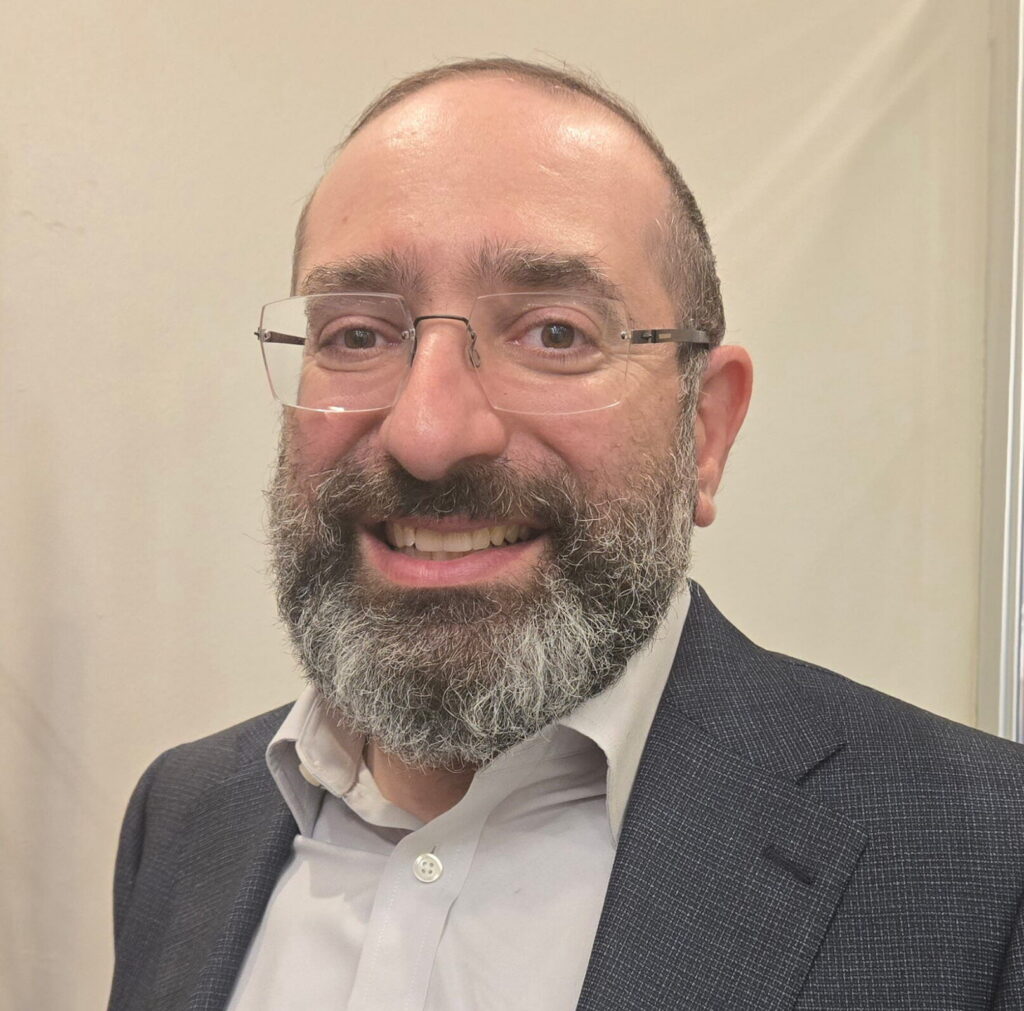
Surprise candidate Shimon Blau cleared to face off against Melat Kiros in November
Ernest Luning
ernest.luning@coloradopolitics.com
Updated 2 days ago
Unaffiliated congressional candidate Shimon Blau, a Denver doctor, has qualified by petition for the general election in Colorado’s 1st District, where Democrat Melat Kiros defeated 15-term U.S. Rep. Diana DeGette in last month’s primary, the Colorado Secretary of State’s Office...
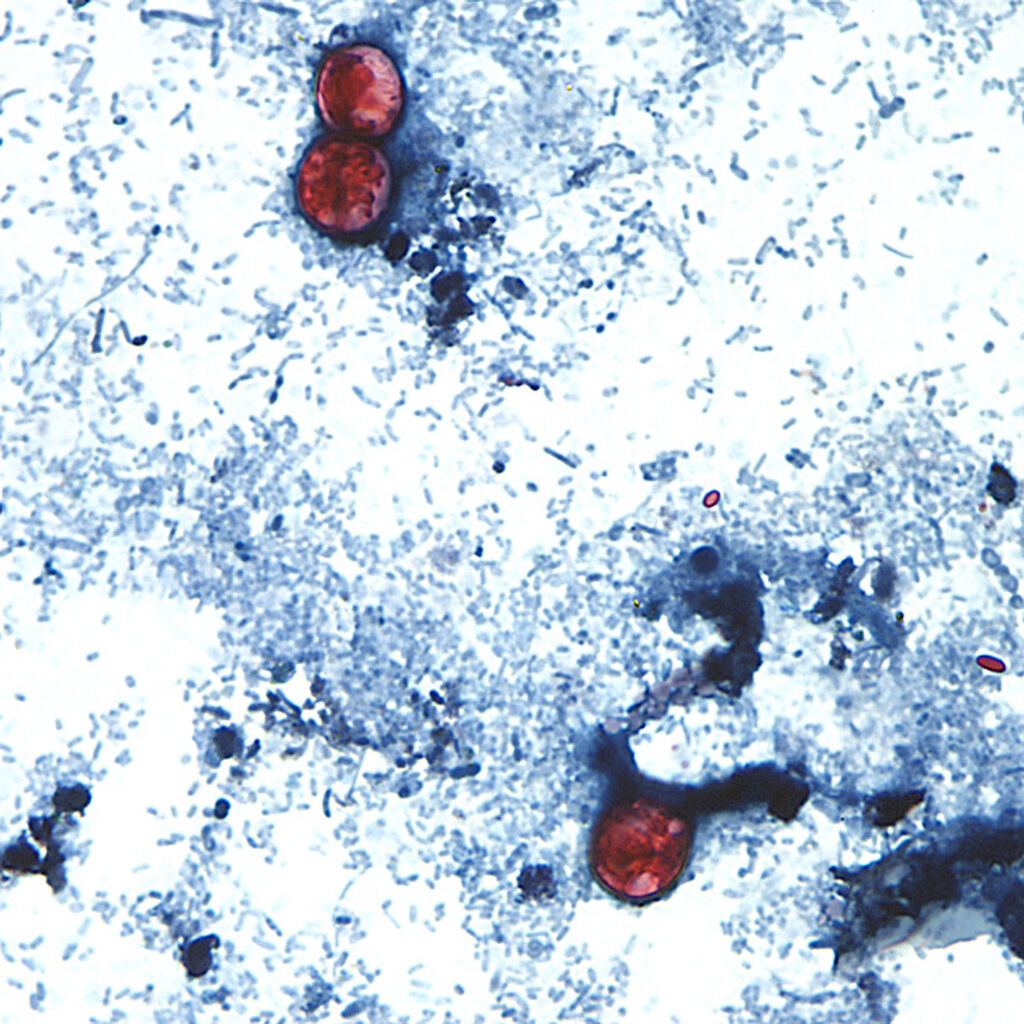
Colorado produce not tied to nationwide cyclospora outbreak, agriculture officials say
Marissa Ventrelli
marissa.ventrelli@coloradopolitics.com
Updated 2 days ago
There is no indication that the recent outbreak of cyclospora, a fecal parasite that has contaminated food and water across nearly every state, can be linked to produce grown in Colorado, according to the state’s Department of Agriculture. “Colorado growers...

UNC opens College of Osteopathic Medicine
Marissa Ventrelli
marissa.ventrelli@coloradopolitics.com
Updated 2 days ago
The University of Northern Colorado held a grand opening for its new College of Osteopathic Medicine on Friday, with Gov. Jared Polis in attendance to celebrate the culmination of a two-year, $127.5 million project. The project was funded through legislation...
Colorado equal pay law does not require plaintiffs to allege gender-based retaliation, appeals court finds
Michael Karlik
michael.karlik@coloradopolitics.com
Updated 1 day ago
The 2019 Colorado law aimed at rooting out pay discrimination on the basis of sex does not require a plaintiff to allege their employer retaliated against them for sex- or gender-related reasons, the state’s second-highest court decided on Thursday. Lawmakers...
PREV
PREVIOUS

Q&A with Murphy Robinson, public safety chief
Brief bio: Executive director of the Department of Public Safety for the City and County of Denver, since May. Had been interim director since January. Previously Denver’s chief operating officer, 2019-2020; also has served as executive director of Denver’s Department of General Services and as Denver’s deputy mayor. Was assistant city manager of Englewood, 2015-2017, […]

Former employees may sue Colo. Springs contractor under whistleblower law, 10th Circuit rules
Four former employees are allowed to sue a Colorado Springs-based defense contractor for terminating their employment in violation of federal whistleblower protections, the U.S. Court of Appeals for the 10th Circuit ruled on Friday. “Thus, the district court erred in concluding that … whistleblowing activity was not protected,” wrote Judge Nancy L. Moritz for the […]