

Colorado joins lawsuit to halt ICE directive on international students

Colorado is party to a new lawsuit filed Monday challenging the U.S. Immigration and Customs Enforcement decision that international students cannot live in the United States and only take classes online in the fall, despite the circumstances brought by the COVID-19 pandemic.
“Active students currently in the United States enrolled in such programs must depart the country or take other measures, such as transferring to a school with in-person instruction to remain in lawful status or potentially face immigration consequences,” the July 6 message from ICE reads.
The lawsuit in the U.S. District Court in Massachusetts, brought by 17 states and the District of Columbia, asks the federal court to postpone the implementation of the decision while the case is underway, and to declare the directive invalid.
“ICE offered no rationale for this abrupt reversal of the March 13 Guidance, which had explicitly allowed exemptions to in-person learning requirements ‘for the duration of the emergency’ our States and schools continue to face,” the lawsuit alleges.
Attorney General Phil Weiser’s office reported that the loss of all international students at the University of Denver would result in a $40 million reduction in revenue to the school.
On March 13, ICE announced that it would permit international students with visas to count online classes toward their studies. The attorneys general allege that their states’ colleges relied on that guidance when crafting intricate details for how to resume operations for the fall semester either in person, online or through a combination of learning methods. The lawsuit further claims that there was no basis for ICE to make the sudden decision that it did.
“Choosing to retain plans that greatly limit in-person instruction or eliminate it altogether will leave our students defenseless against the July 6 Directive’s requirement that they depart to study remotely in their home countries – insofar as they are able – or disenroll from school altogether. This would be a huge loss of financial, human, and cultural capital for our schools,” the lawsuit argues.
Referencing a statement from Acting Deputy Secretary of Homeland Security Ken Cuccinelli that the July 6 announcement would “encourage schools to reopen,” the attorneys general countered that “Coercing schools into holding more in-person classes in the fall – regardless of the schools’ assessment of the health and safety risks of doing so – harms the Plaintiff States’ ability to regulate their institutions and protect the public.”
An ICE representative said the agency could not comment on pending litigation.


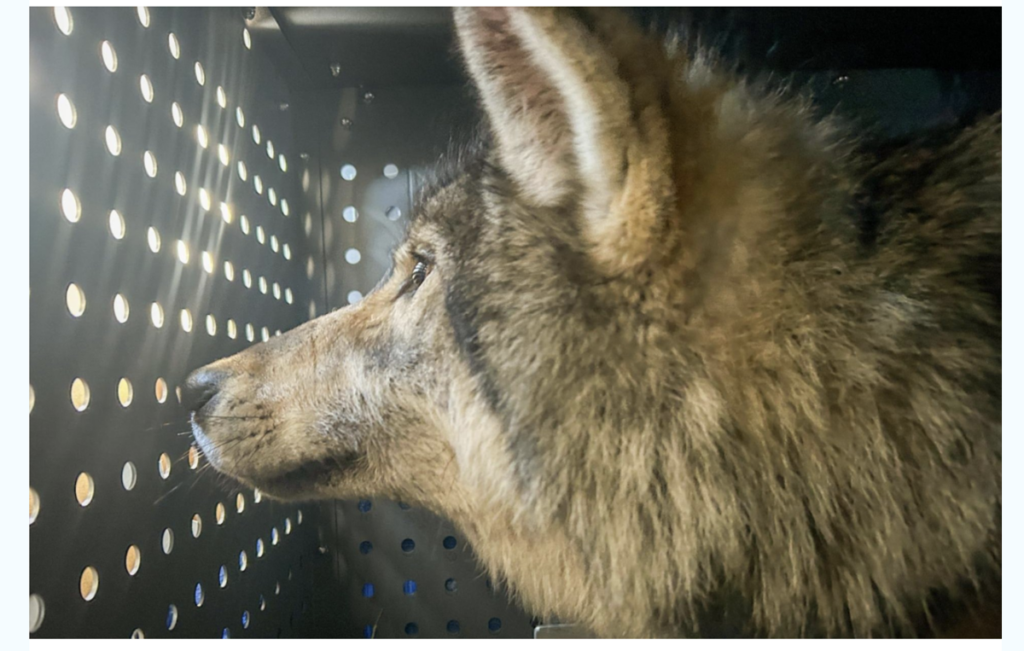
CPW commissioner pushes for tougher penalties after hunter accidentally kills Colorado wolf
Marianne Goodland
marianne.goodland@coloradopolitics.com
Updated 12 minutes ago
Colorado wildlife officials on Wednesday revisited the agency’s handling of violations involving protected species, prompting renewed debate over whether current penalties are sufficient. Colorado Parks and Wildlife Commissioner Rebecca Niemiec on Wednesday urged the agency to impose stronger penalties —...
Appeals court rejects CDOT employee’s discrimination, retaliation claims
Michael Karlik
michael.karlik@coloradopolitics.com
Updated 2 hours ago
Colorado’s second-highest court agreed last week that a Colorado Department of Transportation employee had not shown that his employer discriminated and retaliated against him due to his religion and national origin. Ayman Salloum, who described himself as a 70-year-old Muslim...

Denver planning $50M improvements to Sloan’s Lake
Nicole C. Brambila
nicole-c-brambila@coloradopolitics.com
Updated 2 hours ago
Plans call for sediment removal in the urban lake Denver plans to sink $50 million dollars into Sloan’s Lake. Improvements, that is. Mayor Mike Johnston and Councilmember Amanda P. Sandoval announced the project launch not quite on the lake’s shores,...

CPW chair’s unilateral comment changes spark backlash from fellow commissioners
Marianne Goodland
marianne.goodland@coloradopolitics.com
Updated 4 hours ago
A decision to cap public comment, announced last week by Colorado Parks and Wildlife Commission Chair Jay Tutchton, set off a lively discussion at Wednesday’s meeting. In the end, Tutchton’s unilateral decision to cut public comment and to change who...

Colorado enacts new penalties for violent crimes and updates race categories on state forms
Marissa Ventrelli
marissa.ventrelli@coloradopolitics.com
Updated 2 hours ago
A trio of new laws, two regarding increased penalties for violent crimes and one establishing new requirements for government-issued forms, go into effect on Sept. 1. Here’s a breakdown of what they do. The bill: Senate Bill 25-050 What it...

US Mint releases commemorative Trump $1 coin for purchase
Claire Carter
claire.carter@washingtonexaminer.com
Updated 4 hours ago
The U.S. Mint released a commemorative $1 coin on Wednesday, celebrating America’s 250th anniversary and bearing President Donald Trump’s face. The coins became available for purchase at noon on the Mint’s website, with 100 coins costing $154.50 or a roll...

Douglas County sheriff warns of scam impersonating officer
Nicholas Fogleman
nicholas.fogleman@denvergazette.com
Updated 2 hours ago
The Douglas County Sheriff’s Office is warning residents about an ongoing scam in which a caller impersonates a sheriff’s office commander in an attempt to solicit payment. Officials said the scammer is posing as Sheriff’s Office Commander Chad Walker and...
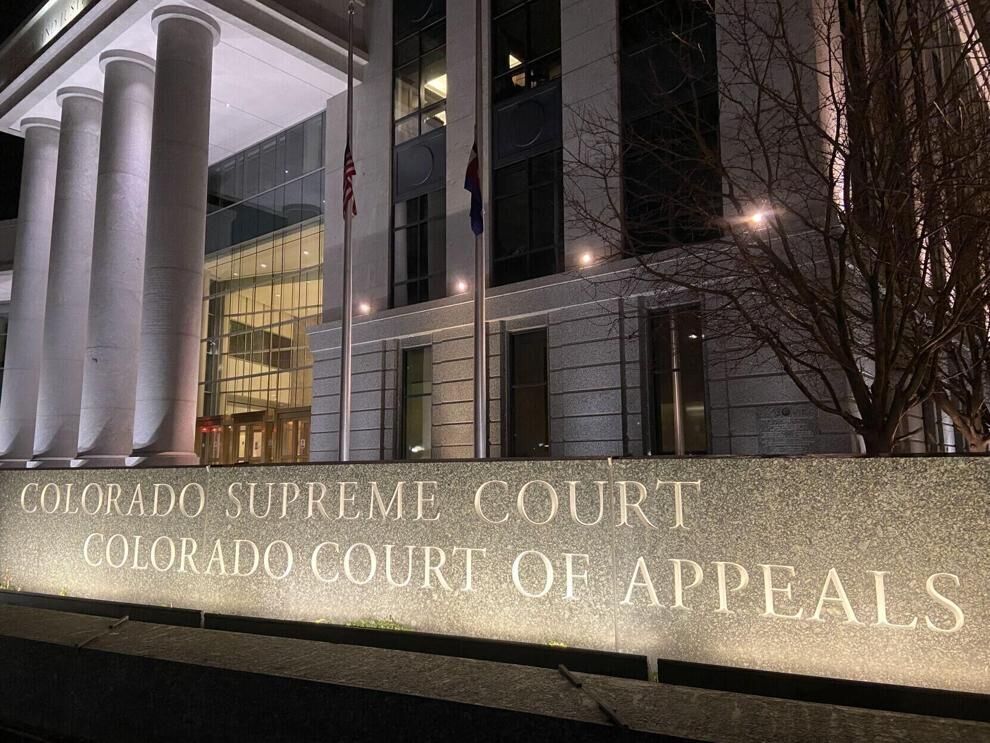
Colorado judges may use professional name in lieu of legal name, ethics panel says
Michael Karlik
michael.karlik@coloradopolitics.com
Updated 57 minutes ago
Colorado’s Judicial Ethics Advisory Board concluded on Tuesday that members of the bench may go by a professional name, rather than their legal name, so long as their intent is not to deceive. The board, which consists of judges, attorneys...

House adopts Republican U.S. Rep. Jeff Crank’s resolution condemning socialism, mostly along party lines
Ernest Luning
ernest.luning@coloradopolitics.com
Updated 3 hours ago
The U.S. House on Tuesday approved a resolution sponsored by U.S. Rep. Jeff Crank to condemn socialism in a largely party-line vote that the Colorado Republican characterized as a chance for lawmakers to “stand firm” against an ideology making inroads...
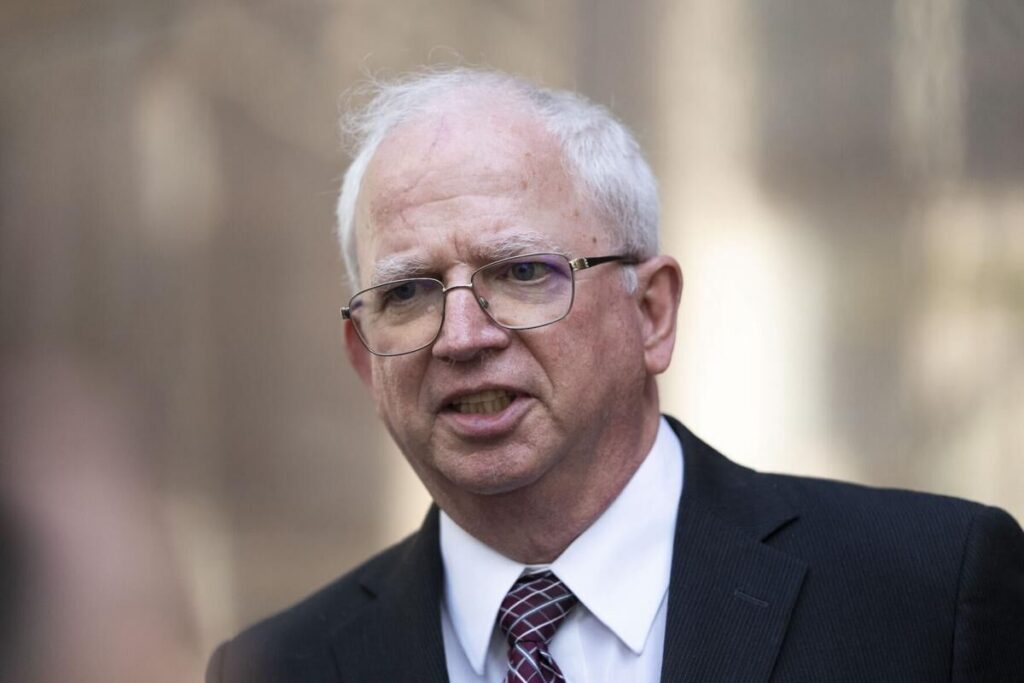
Colorado’s federal court confirms John Eastman cannot practice due to disbarment
Michael Karlik
michael.karlik@coloradopolitics.com
Updated 1 day ago
Colorado’s federal trial court confirmed last week that attorney John C. Eastman, who devised a plan for President Donald Trump to remain in office despite losing the 2020 election, cannot practice in the state’s U.S. District Court due to his...
PREV
PREVIOUS

National gun control groups throw weight behind Hickenlooper
One of the most prominent national gun control advocacy groups will be spending big to support Democratic U.S. Senate candidate John Hickenlooper, and another has endorsed the former Colorado governor, who is challenging Republican U.S. Sen. Cory Gardner. Giffords PAC, the group founded by former Democratic Rep. Gabrielle Giffords of Arizona, has reserved $1.25 million […]

Gov. Jared Polis signs four pro-LGBTQ bills into law
In a Monday bill signing at the LGBTQ Community Center of Colorado, Gov. Jared Polis – the country’s first openly gay governor – signed into law four bills tied to LGBTQ issues. Senate Bill 221 would limit the use of the gay and transgender panic defense legal strategy. The bill had an odd trip through the […]