

TRAIL MIX | Brace yourself: Attack ads are already muddying up the Senate race
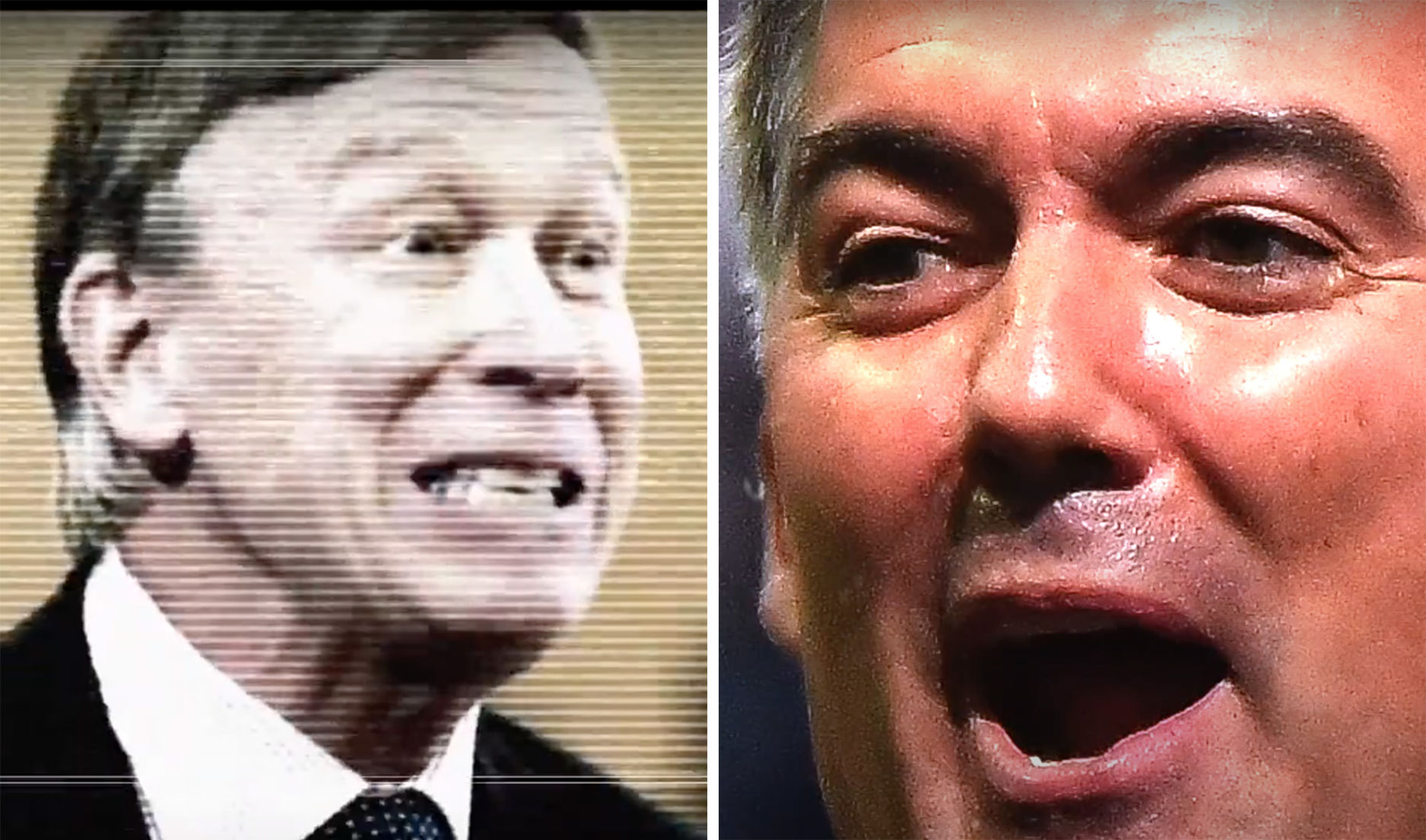
“If your ears are ringing and your eyes are bleeding now, just wait.”
Local TV newscasters might not have been quite that graphic in recent years, but that’s the message they conveyed warning viewers about the sheer volume of negative ads filling up station breaks as Election Day approached.
Brace yourselves.
While Colorado doesn’t hold the battleground status it’s enjoyed for the last three presidential elections, it’s the site of a key U.S. Senate race between Republican incumbent Cory Gardner and his Democratic challenger, former Gov. John Hickenlooper. It could determine which party wields the gavel after the November election – and both sides have already sunk millions into the contest, with nearly four months to go.
It usually isn’t until closer to Labor Day that the onslaught of negative ads start to inundate viewers. This year, however, they started in June, in the run-up to the Democrats’ primary between Hickenlooper and former state House Speaker Andrew Romanoff, and they show no sign of letting up.
It’s been six years since Coloradans statewide were subjected to this level of menacing tones and scary depictions of politicians.
Sure, Democrat Jared Polis and Republican Walker Stapleton faced their share of negative ads in last cycle’s gubernatorial battle – the Polis campaign at one point even got a TV station to pull an ad run by a secretive group of Stapleton backers – but viewers probably saw more ads attacking Hickenlooper and Gardner during the last week of June than they saw in the last month of the 2018 election.
The stakes, simply put, are higher, with control of the Senate in the balance and national interests prepared to pony up what it takes to win it.
This year more closely resembles the 2014 contest between Gardner and then-U.S. Sen. Mark Udall, the Democratic incumbent he unseated by about 2 percentage points in one of the closest and most expensive races in the country that year.
In that election, independent expenditures topped $70 million, with the vast bulk of it going toward advertising. The totals spent in opposition to the candidates outweighed spending in support of either of them by more than three to one.
For the first time in a Colorado Senate election – the first mid-term after Supreme Court rulings had given the green light to unlimited spending in federal elections by outside groups – the outside spending positively swamped what the candidates spent, though they certainly pulled their weight, with Udall shelling out about $20 million and Gardner spending about $12 million. (In the previous Senate race, in 2010, outside spending totaled about $35 million, and the two nominees spent about $18 million, including the costs of protracted, hard-fought primaries.)
The biggest spenders in 2014 were the Democratic Senatorial Campaign Committee, which spent nearly $10 million to trash Gardner and around $650,000 to make Udall look good, followed by Republican-aligned Crossroads GPS, which spent its entire $8.6 million budget in Colorado going afer Udall.
NextGen Climate – billionaire Tom Steyer’s organization – spent $7 million soiling Gardner and about $400,000 supporting Udall. The National Republican Senatorial Committee spent $6 million against Udall and just $300,000 boosting Gardner, while the national Democrats’ Senate Majority PAC dumped $5 million into negative ads aimed at Gardner and $900,000 on positive ads about Udall.
The 2016 Senate race between Michael Bennet, the Democratic incumbent, and Darryl Glenn, his Republican challenger, didn’t draw nearly as much independent spending for several reasons, primarily because Bennet wasn’t considered as vulnerable as Udall and because national Republicans pretty much abandoned Glenn after the conservative underdog won the nomination.
That year, outside spending in the Senate race totaled $4.5 million, just barely more than the $3.8 million Glenn managed to spend, but far short of the $16.2 million spent by Bennet, who won by about 5 percentage points.
So far in this year’s race, Gardner and Hickenlooper have spent about the same, at least through the pre-primary campaign finance period, with Hickenlooper spending $6.6 million and Gardner spending $6.4 million. Only about $7 million has been reported spent so far by outside groups, though most of it has been focused on Hickenlooper, with $2.5 million spent to bring him down and $3 million spent to prevent that from happening. Unreported, dark money groups have spent millions drubbing Gardner since last fall, and others have just started lashing Hickenlooper.
There’s nothing unusual about negative ads flooding the airwaves in a high-stakes race. In 2014, the Udall campaign aired its first TV ad blasting Gardner in April, shortly after the then-congressman jumped in the race and secured the nomination, beginning what would be a steady drumbeat aimed at the then-Republican congressman’s changing positions on abortion and contraception.
But the sheer number of attack ads clogging the airwaves, digital platforms and other venues the year this early appears to be unrivaled.
So far, the candidates themselves have aired mostly positive ads, starting in mid-May when Gardner went on the air with an ad about his work during the early days of the coronavirus pandemic. He has stayed on the air since, briefly rotating in an ad that mocked Hickenlooper’s protests that he wasn’t cut out for the Senate but then returning to positive territory this week with an ad about conservation legislation he steered through the Senate.
Hickenlooper has done the same, not even mentioning Gardner in an ad that began airing this week about the Trump administration’s attempts to overturn the Affordable Care Act, though outside groups are making sure that Gardner’s vow to overturn Obamacare is in front of voters.
Continuing an attack it started during the Democratic primary, the National Republican Senatorial Committee released an ad blasting Hickenlooper for an array of public-private partnerships established during his years as governor, or what the GOP group calls “pay-to-play on steroids.”
It’s an attempt to build on a portrait the NRSC and other GOP-aligned groups are assembling of Hickenlooper as “the most corrupt Governor in Colorado history.” They also cite a ruling in June by the state’s Independent Ethics Commission that Hickenlooper violated a state gift ban when he accepted a rides on a private plane and in a fancy car.
The ethics panel also found Hickenlooper in contempt for defying a subpoena to testify on the complaints, which were launched more than a year ago by Republican operatives.
Whether Hickenlooper’s violations peg him as the state’s “most corrupt governor” could be open to question. After Republicans began hurling the charge, Westword reporter Conor McCormick-Cavanaugh did some digging and came up with Clarence Morley, who served a term as governor in the 1920s, belonged to the Ku Klux Klan and was later sentenced to five years in prison for mail fraud offenses committed after he was in office.
As for the attacks on Hickenlooper’s character, a spokesman for the Democrat’s campaign said: “Republicans know they can’t defend Cory Gardner’s toxic record of standing with President Trump and are desperate to distract voters from Gardner and Trump’s failed response to the coronavirus pandemic.”
And that’s the gist of ads that will likely continue to pummel Gardner into November: Gardner, who ran on his willingness to stand up to Republicans – “When my party is wrong, I’ll say it,” he vowed in a 2014 ad – has instead bound himself lightly to the deeply unpopular Trump.

Colorado justices weigh constitutionality of unique disclosure requirement for ballot measures
Michael Karlik
michael.karlik@coloradopolitics.com
Updated 16 hours ago
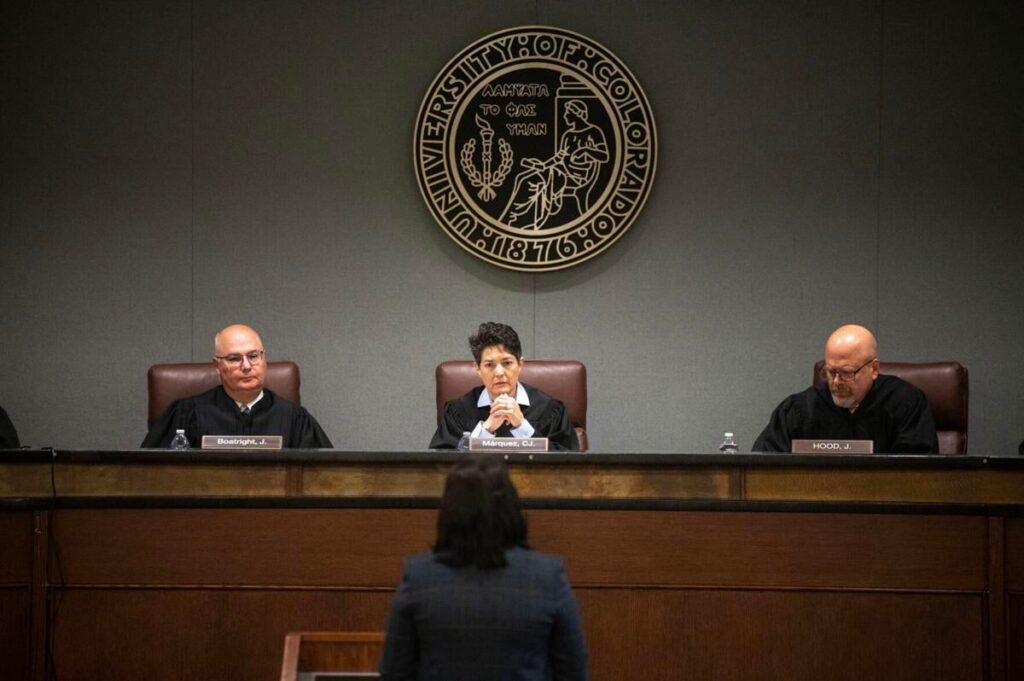
Members of the Colorado Supreme Court considered on Tuesday whether a unique feature of the state’s campaign finance system categorically violates the First Amendment by requiring the disclosure of a ballot measure committee’s legal representative on advertisements. No on EE...
Republicans Scott Bottoms, Victor Marx win spots in Colorado gubernatorial primary at party assembly
Ernest Luning
ernest.luning@coloradopolitics.com
Updated 2 days ago
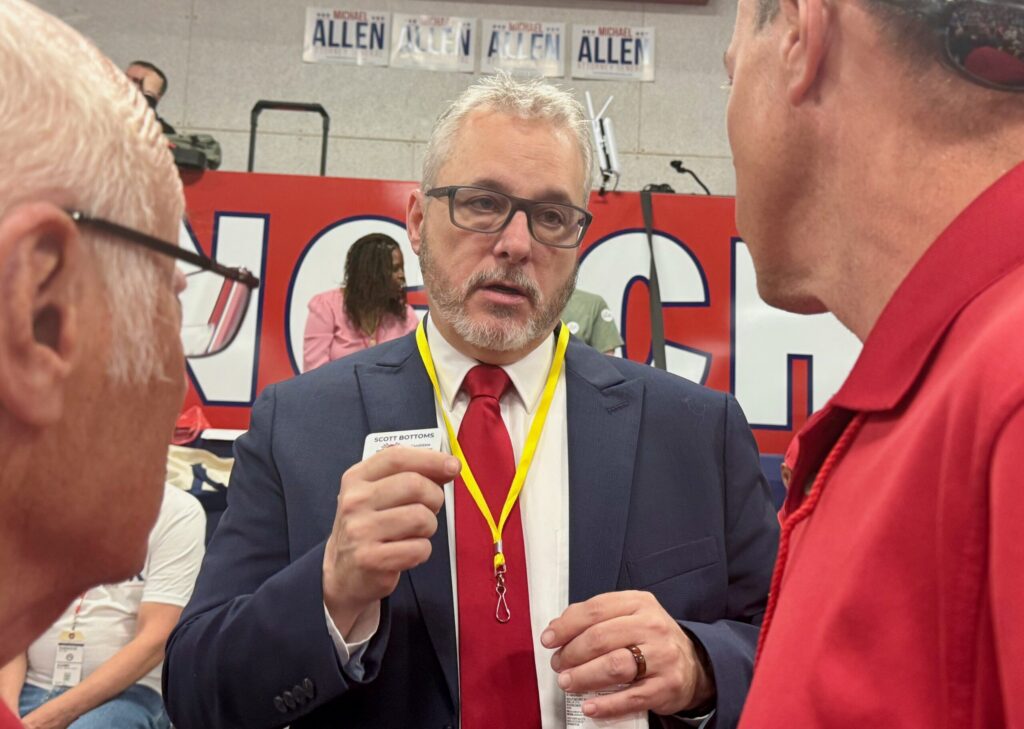
Two Christian ministry leaders from Colorado Springs qualified Saturday for the Republican gubernatorial primary ballot at the Colorado GOP’s state assembly in Pueblo in a party meeting that dragged late into the night. State Rep. Scott Bottoms, an Assemblies of...
Colorado House finishes work on 2026-27 state budget, finally
Marianne Goodland
marianne.goodland@coloradopolitics.com
Updated 4 days ago
The House on Saturday, after four days of work – it usually takes two – finished up their work and voted on the $46.8 billion 2026-27 state budget, as contained in House Bill 1410 and 64 accompanying measures designed to...
What you need to know about the Colorado legislature reading a 661-page bill aloud
Marianne Goodland
marianne.goodland@coloradopolitics.com
Updated 4 days ago
A rarely used procedural move by a Republican legislator threw the Colorado House into an extended slowdown, after she invoked her right to have a nearly 700-page state budget bill read aloud in full. Once Rep. Brandi Bradley, R‑Roxborough Park,...
Colorado GOP votes down bid to ask court to prevent unaffiliated voters from voting in June primary
Ernest Luning
ernest.luning@coloradopolitics.com
Updated 5 days ago
Members of the Colorado Republican Party’s executive committee rejected a proposal Thursday night to seek an emergency injunction in federal court to prevent unaffiliated voters from participating in the state’s upcoming June primary election. The proposed motion, backed by Colorado...

Colorado Democrat John Hickenlooper pulls in nearly $1.4M in 1st quarter, heads into primary with $4M
Ernest Luning
ernest.luning@coloradopolitics.com
Updated 5 days ago
U.S. Sen. John Hickenlooper’s campaign raised nearly $1.4 million in the first quarter of 2026 and plans to report more than $4 million on hand heading into Colorado’s June primary, the first-term Democrat’s campaign said Thursday. That brings Hickenlooper’s total...
Republican Ron Hanks plans ‘grassroots’ primary challenge to US Rep. Jeff Hurd in Colorado’s 3rd CD
Ernest Luning
ernest.luning@coloradopolitics.com
Updated 3 days ago
Colorado Republican Ron Hanks, a former state lawmaker, plans to challenge first-term U.S. Rep. Jeff Hurd in the 3rd Congressional District primary by seeking a spot on the June ballot at the GOP’s district assembly in Pueblo on Friday, Colorado...
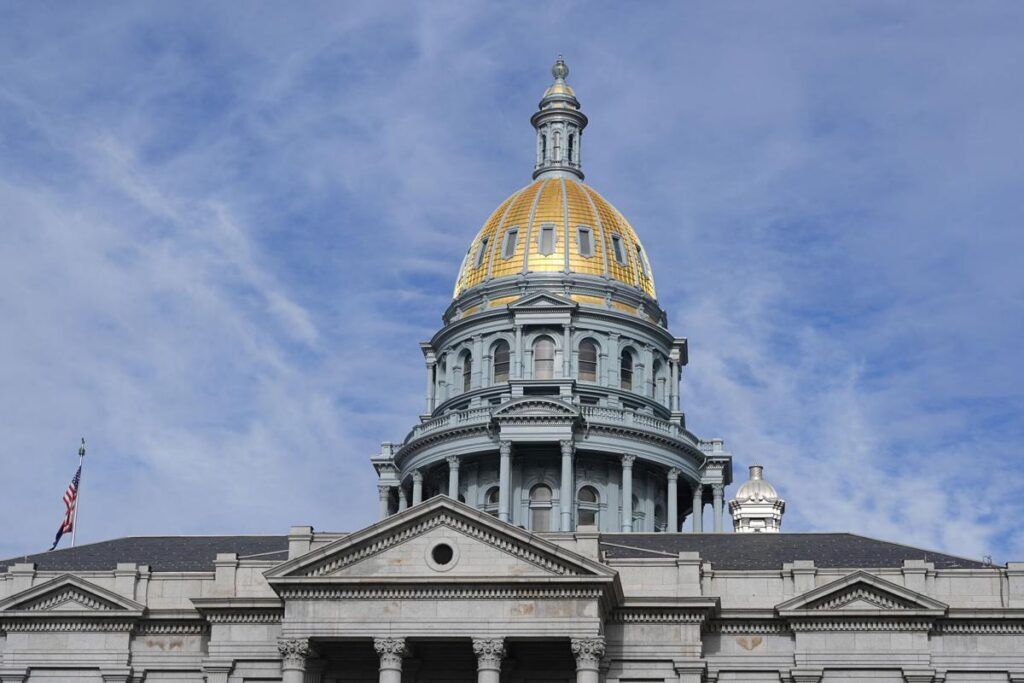
House GOP stalls Colorado budget debate by forcing full reading of 661-page bill
Marianne Goodland
marianne.goodland@coloradopolitics.com
Updated 6 days ago
A procedural battle at the Colorado Capitol boiled over on Wednesday night, when a House Republican demanded the 661‑page state budget be read aloud in full — a move that delayed the advance of the proposed $46.8 billion spending plan....
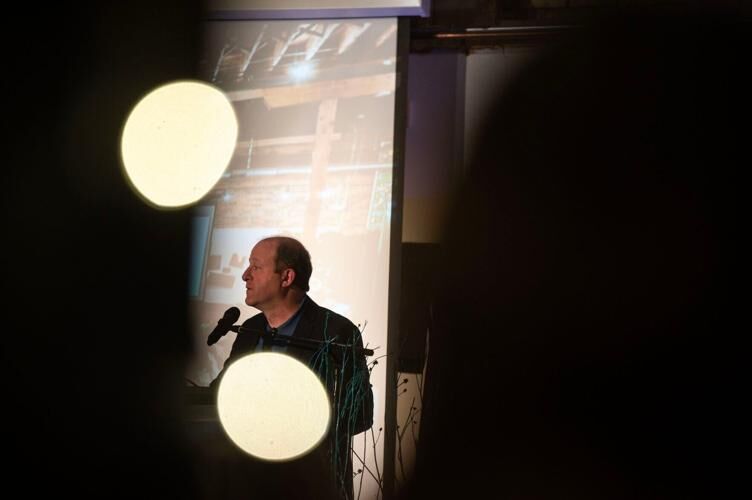
Poll: Colorado Gov. Jared Polis loses support among Democrats
Marissa Ventrelli
marissa.ventrelli@coloradopolitics.com
Updated 6 days ago
Gov. Jared Polis is losing steam among members of his party, particularly progressive Democrats, according to a recent poll. Other statewide Democrats also saw their favorability ratings drop, though relatively stable compared to the governor’s numbers, the poll conducted by...
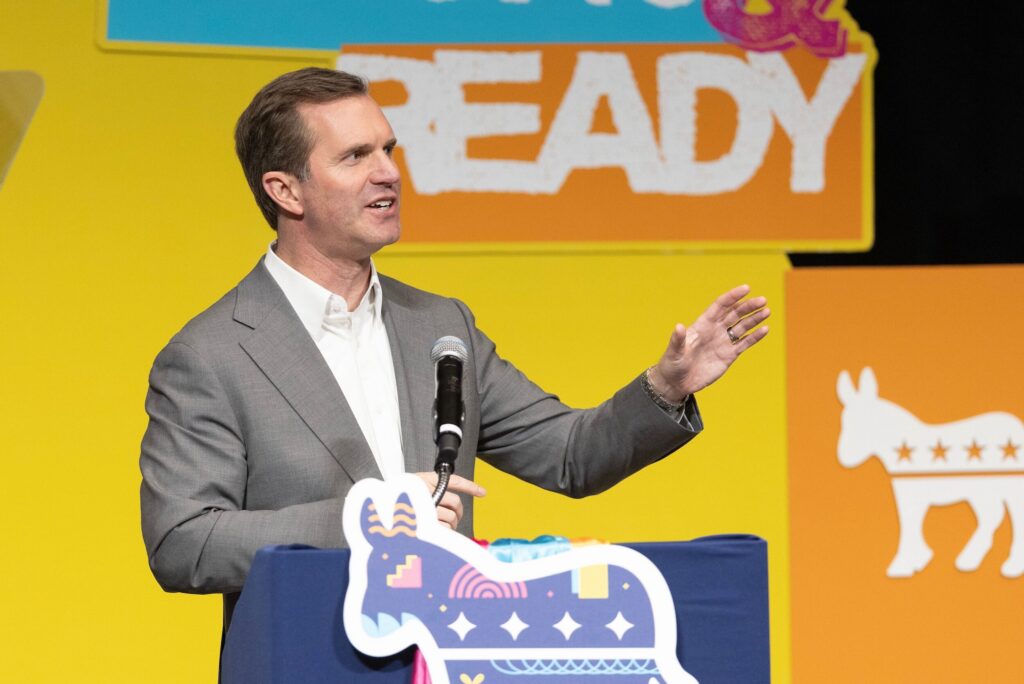
Kentucky Gov. Andy Beshear set to headline Colorado Democrats’ annual fundraising dinner
Ernest Luning
ernest.luning@coloradopolitics.com
Updated 2 weeks ago
Kentucky Gov. Andy Beshear, one of the Democrats’ top 2028 presidential prospects, is scheduled to deliver the keynote address at the Colorado Democratic Party’s annual fundraising dinner in June in Denver, the party said Friday. Serving his second term as...
PREV
PREVIOUS
Black Lives Matter comes to Greenwood Village
Greenwood Village is 84% white, less than 3% Black and about 5% Hispanic. But on Thursday, the latest edition of Black Lives Matters protests came to this community of just over 15,000, where the median income is more than $127,0000 and the median home price is just shy of $900,000. Marchers briefly shut down South […]
Dougxit: Douglas County to exit Tri-County Health Department
In retaliation for a public health directive to wear face coverings to reduce the number of Coloradans dying and ill from COVID-19, the Board of Douglas County Commissioners has ordered the county’s attorney to withdraw the jurisdiction from the regional health department. “We question the enforceability and efficacy of the mask mandate order, believing that […]