

Hearsay statement in government report is grounds for new trial, Court of Appeals rules

Secondhand, unsubstantiated statements are not admissible as evidence, even if they are within official reports that are exempt from the rules against hearsay, a Colorado Court of Appeals panel ruled on Thursday.
The case involved an anonymous witness’s statement to a law enforcement officer investigating a traffic accident, which turned out to be a key detail corroborating one party’s version of events.
In November 2015, Celena Esther Jean Bernache was driving toward Fountain when Gary Brown struck her vehicle with his. Brown claimed he had a medical emergency while driving that prompted the collision. A corporal with the Fountain Police Department who responded to the accident spoke to a witness who left the scene before providing their identifying information.
The witness said that right before the accident, Brown “‘[s]tiffen[ed] up’ and lean[ed] towards the right like he was having a heart attack.” The corporal included that statement in his report.
When Bernache sued Brown, she attempted to have the witness’s statement excluded. The El Paso County District Court judge overruled her, citing that police records were exempt from a rule against hearsay evidence.
The jury ultimately sided with Brown.
In examining the court’s evidentiary ruling, the three-member appellate panel noted that Colorado law allows certain public records as evidence if the source of information is trustworthy. However, writing for the court, Judge Terry Fox explained that individual statements within such a report can be deemed hearsay.
“Considering that the witness made the statement after the accident and that [the corporal] recorded no other observations about the witness’s demeanor, there is simply not enough evidence in the record for us to conclude that the witness statement is an excited utterance,” Fox wrote, referring to one of the admissible categories of hearsay evidence.
The court looked to the actions of the General Assembly from decades in the past, determining that the legislature chiefly allowed state reports as evidence to avoid having government employees appear in person to offer testimony. In doing so, Fox wrote, the General Assembly never intended that the contents of such reports could go unchallenged.
“Thus, we do not believe the legislature, in reducing the burden on public record custodians and other state officials, intended to allow admission of otherwise inadmissible hearsay statements merely because they appear in an official state record,” she concluded.
The panel ordered a new trial because the anonymous witness’s statement was the strongest evidence for Brown’s claim that a medical emergency contributed to the accident. This was especially apparent because Brown had no memory of how the accident occurred, and multiple jurors referred to the witness’s words when asking the trooper about his actions.
Bernache also appealed on the grounds that one of the jurors knew the Fountain corporal and told Bernache’s lawyers after the trial that she took his testimony seriously because “she knew how he thought and worked.” Because the appellate panel ordered a new trial, it did not address the propriety of the juror’s participation in the case.
The case is Bernache v. Brown.


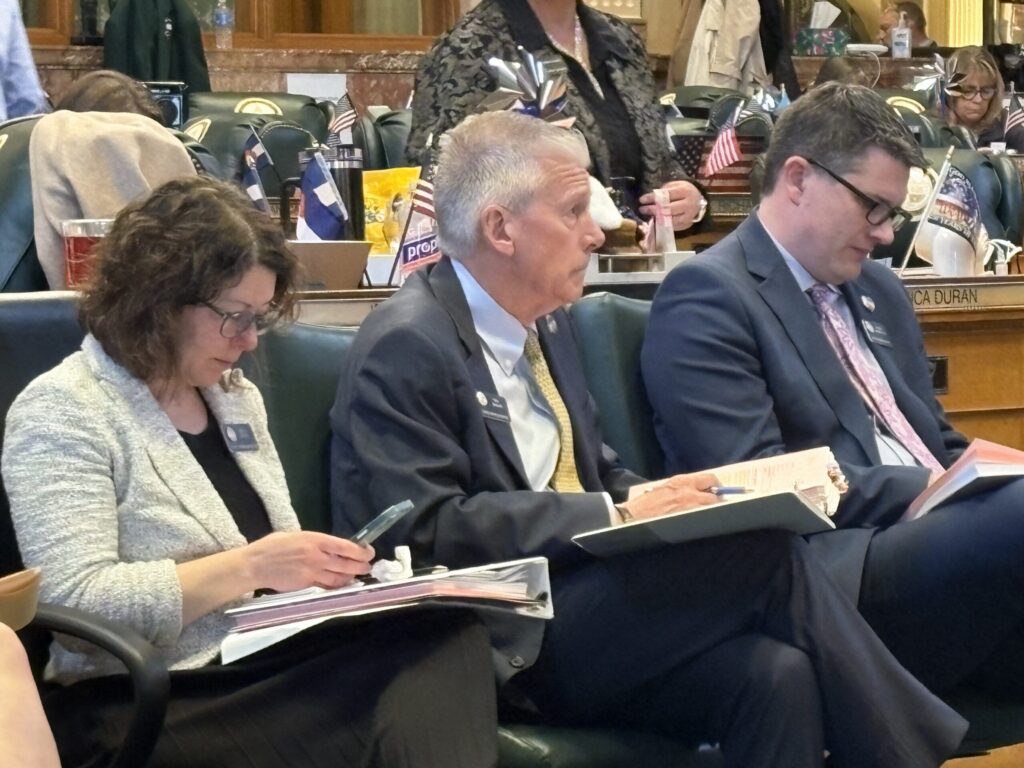
Colorado lawmakers grapple with spending cuts amid $1 billion-plus deficit
Marianne Goodland
marianne.goodland@coloradopolitics.com
Updated 12 hours ago
The battle over Colorado’s budget for next year — which stalled in the House over a procedural maneuver — entered a more difficult phase on Thursday, when legislators grappled with hundreds of millions of dollars in proposed reductions to balance...
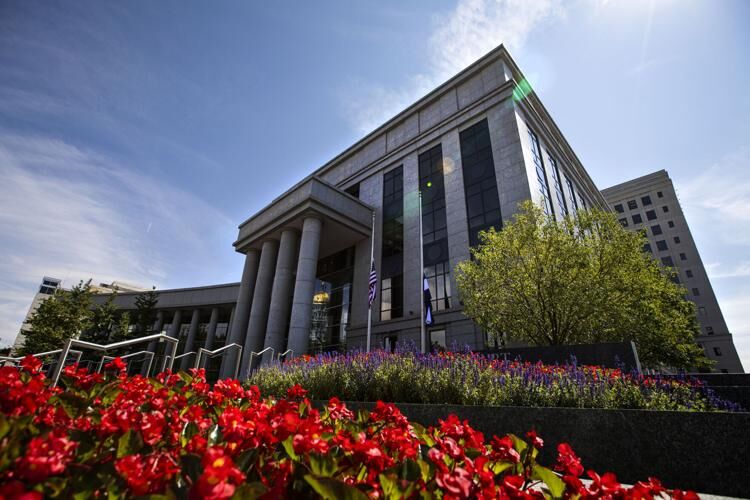
New rules for private judges in Colorado include discipline oversight, campaign contributions
David Migoya
david.migoya@gazette.com
Updated 15 hours ago
The Colorado Supreme Court recently determined the state’s private judges — retired jurists appointed to oversee civil cases that rarely get public scrutiny — can now make political contributions freely and without reserve, overruling a prohibition that had been in...
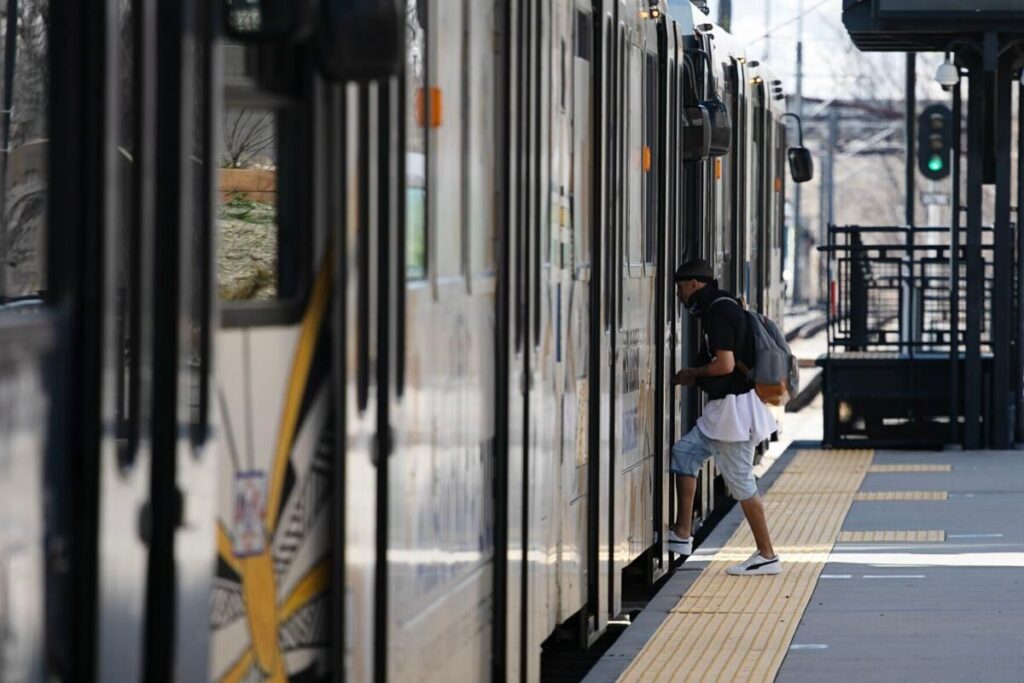
Colorado bill reshaping RTD board advances
Marissa Ventrelli
marissa.ventrelli@coloradopolitics.com
Updated 15 hours ago
A proposal to reshape the Regional Transportation District’s leadership easily cleared a committee vote Wednesday, advancing the bill sponsors say is needed to revive a transit system still struggling to regain riders and public trust. Critics have countered that, while...

Colorado Democrat John Hickenlooper pulls in nearly $1.4M in 1st quarter, heads into primary with $4M
Ernest Luning
ernest.luning@coloradopolitics.com
Updated 12 hours ago
U.S. Sen. John Hickenlooper’s campaign raised nearly $1.4 million in the first quarter of 2026 and plans to report more than $4 million on hand heading into Colorado’s June primary, the first-term Democrat’s campaign said Thursday. That brings Hickenlooper’s total...
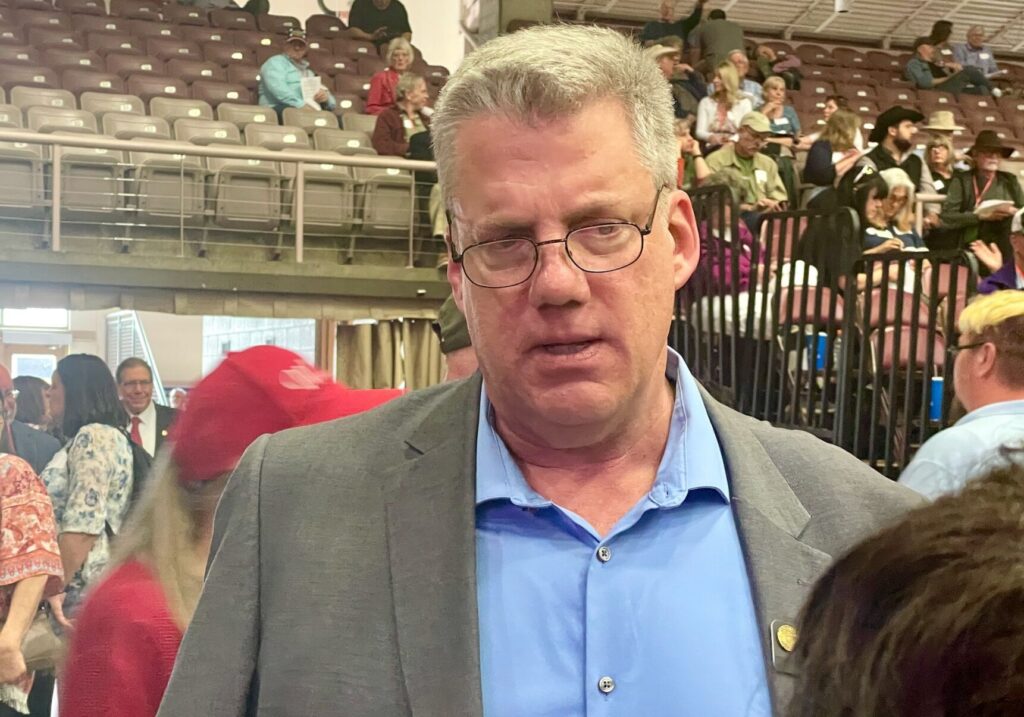
Republican Ron Hanks plans ‘grassroots’ primary challenge to US Rep. Jeff Hurd in Colorado’s 3rd CD
Ernest Luning
ernest.luning@coloradopolitics.com
Updated 16 hours ago
Colorado Republican Ron Hanks, a former state lawmaker, plans to challenge first-term U.S. Rep. Jeff Hurd in the 3rd Congressional District primary by seeking a spot on the June ballot at the GOP’s district assembly in Pueblo on Friday, Colorado...
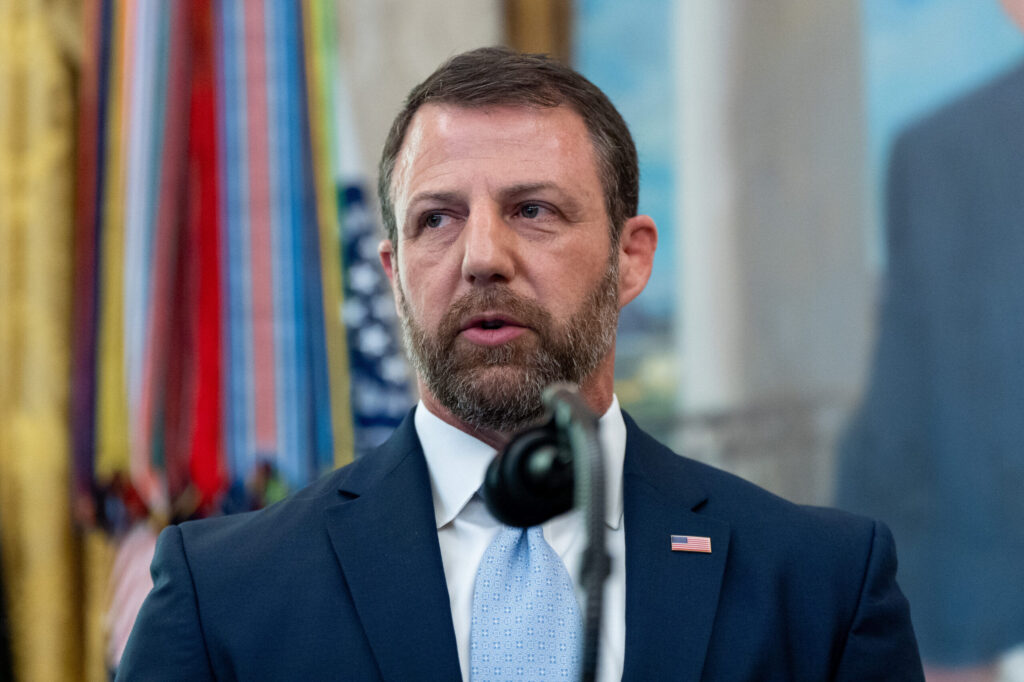
Five ways Mullin is already pushing DHS in a new direction
Anna Giaritelli Washington Examiner
anna-giaritelli-washington-examiner@coloradopolitics.com
Updated 19 hours ago
The Trump administration’s newest Cabinet secretary, Markwayne Mullin, has already begun to implement major changes across the Department of Homeland Security Mullin replaced President Donald Trump’s first DHS secretary, Kristi Noem, and was an unexpected pick to lead the department...
Appeals court finds Prowers County judge incorrectly analyzed firetruck collision lawsuit
Michael Karlik
michael.karlik@coloradopolitics.com
Updated 19 hours ago
Colorado’s second-highest court directed a Prowers County judge last month to take a second look at whether a firetruck operator and the county itself can be held liable for a collision with a motorist. Donald Williamson was driving through a...
Appeals court reverses assault convictions after jury received no definition of ‘harm’
Michael Karlik
michael.karlik@coloradopolitics.com
Updated 21 hours ago
Colorado’s second-highest court reversed an Arapahoe County defendant’s assault convictions last week, concluding the trial judge neglected to define a key, ambiguous term for jurors. Police officers arrested David Cristobal Aragon at a house party for allegedly violating a restraining...
Colorado counties cannot challenge state law restricting immigration contracts, appeals court says
Michael Karlik
michael.karlik@coloradopolitics.com
Updated 16 hours ago
Colorado’s second-highest court ruled on Thursday that counties lack standing to challenge a 2023 state law that restricts their ability to contract with the federal government or private entities for immigration detention. A three-judge Court of Appeals panel agreed with...
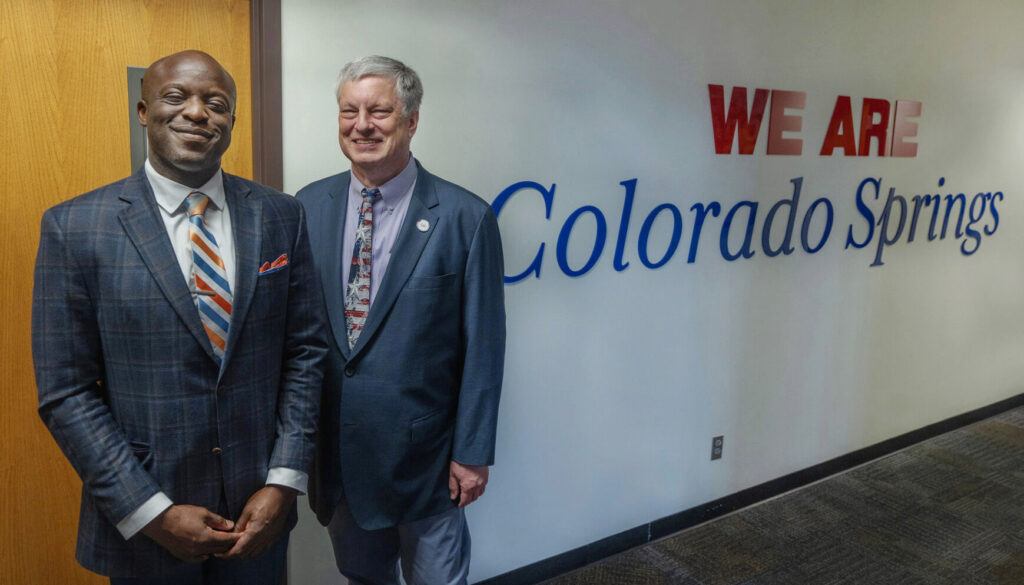
Wayne Williams joins city as Colorado Springs Mayor Mobolade’s new chief of staff
Brennen Kauffman
brennen-kauffman@coloradopolitics.com
Updated 18 hours ago
Wayne Williams will be the next chief of staff for Colorado Springs Mayor Yemi Mobolade, turning the two former election opponents into partners in city government. The two officially announced the hire Thursday, citing Williams’ decades of experience with city,...
PREV
PREVIOUS

Following Boebert win, more election forecasters nudge 3rd CD toward Democrats
National political analysts Inside Elections and Sabato’s Crystal Ball say Republican chances of keeping Colorado’s 3rd Congressional District in the GOP column have diminished since gun-rights activist and first-time candidate Lauren Boebert toppled U.S. Rep. Scott Tipton, a five-term incumbent, in last week’s Republican primary. The two nonpartisan election forecasters join the Cook Political Report, […]
State officials release new coronavirus web app to track actions that affect COVID spread
Since early in the novel coronavirus pandemic, a team of University of Colorado and Colorado State University researchers has been scrutinizing the numbers of COVID-19 cases, hospitalizations and deaths, then modeling the possible ways the virus could continue to spread, depending on the effectiveness of preventative measures, like school closures, mask requirements and the statewide […]