

2020-21 State budget reaches the finish line, heads to governor
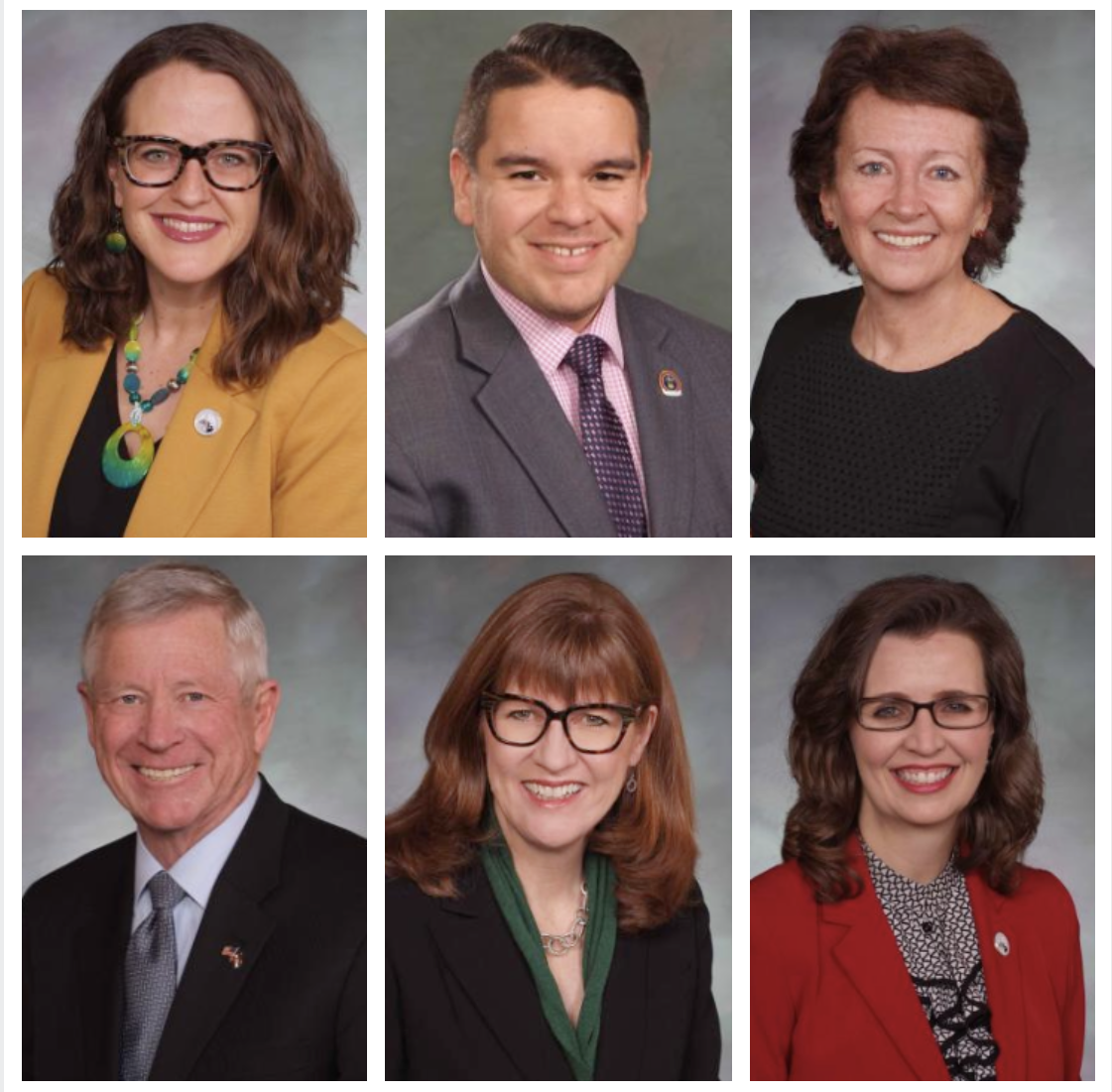
The state Senate late Friday night adopted changes made to the 2020-21 state budget as contained in House Bill 1360 and readopted it on a 24-11 vote. The House had taken that action earlier in the evening, and so the budget bill now heads to the governor for signing.
The 2020-21 budget of $30.3 billion reflects a cut of $3.3 billion in general fund dollars, due to the pandemic-induced recession and dramatic decreases in income and sales tax, including oil and gas taxes. That $3.3 billion is about 10% of the entire budget but 25% of the general fund dollars, the discretionary dollars that lawmakers use to implement new programs and fund existing ones, such as K-12, higher education and services to seniors, those with disabilities and corrections.
Sen. Dominick Moreno, a Commerce City Democrat and vice-chair of the Joint Budget Committee that crafted the original bill, told lawmakers that the one thing they were able to preserve was $162 million for the senior and disabled veterans homestead exemption.
Among the cuts: $621.6 million to K-12 education, which is contained in the School Finance Act, House Bill 1418. The House Friday night adopted an amendment from the Senate and re-passed the bill on a 39-22 vote. While Republican Rep. Richard Holtorf of Akron was the only member of his caucus to vote for the bill when it was in the House earlier in the week, he voted against it Friday.
That budget also cut $598 million, or about 58% of the general fund support for higher education, and a $50 million payment for the Department of Transportation, which had said they could cover that cost out of existing revenues.
State agencies were ordered to cut their personal services line by 5%. That applies to salary, health, life and dental benefits for state employees, although how agencies manage that 5% cut is up to them. The JBC also eliminated salary increases for state employees.
A $225 million annual payment to help pay down some of the unfunded liability for the Public Employees’ Retirement Association was suspended in 2020-21.
The Senate also gave final approval to House Bill 1383, which lowers the general fund reserve to 2.86%. That reserve is something of a rainy day fund, and according to Sen. Jerry Sonnenberg, a Sterling Republican, lowering the reserve allows the state to preserve the senior/disabled veterans homestead exemption.
The reserve “is the reason we have been able to weather the storm,” Moreno said.
The budget cutting started shortly after an updated forecast from state economists on May 12. Another revenue forecast is scheduled for June 19.
The budget is the only constitutional requirement for the General Assembly, and was the biggest reason for bringing lawmakers back on May 26, as it had to be completed by the end of June.


Federal judge hears arguments about Colorado’s 3-day gun purchase waiting period
Michael Karlik
michael.karlik@coloradopolitics.com
Updated 1 hour ago
A federal judge heard arguments on Monday about the constitutionality of a 2023 Colorado law that generally imposes a three-day waiting period on firearm purchases after the initiation of a background check. The test that the U.S. Supreme Court created...
U.S. Supreme Court clears way for Trump mail voting order in advance of midterms
Wire Services
wire-services@coloradopolitics.com
Updated 3 hours ago
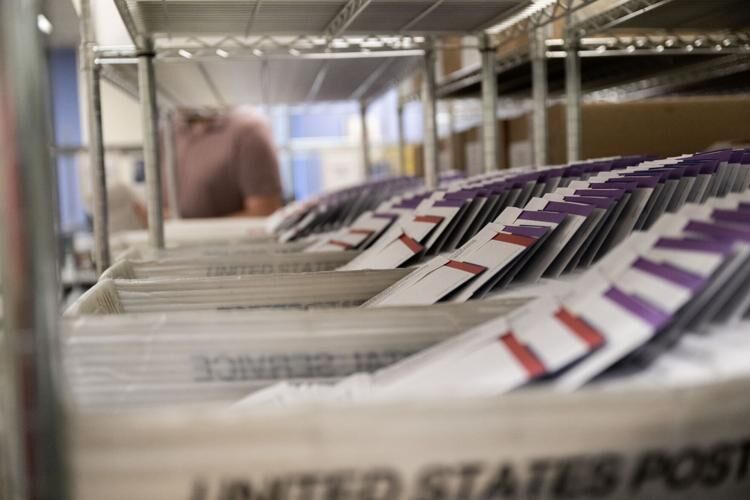
WASHINGTON • The U.S. Supreme Court on Monday cleared the way for President Donald Trump to move ahead with an executive order that seeks to restrict the mailing of ballots to American citizens in an eligible voters list. The executive...
Colorado Supreme Court intervenes in Weld County prosecution dismissed due to Missy Woods misconduct
Michael Karlik
michael.karlik@coloradopolitics.com
Updated 2 hours ago
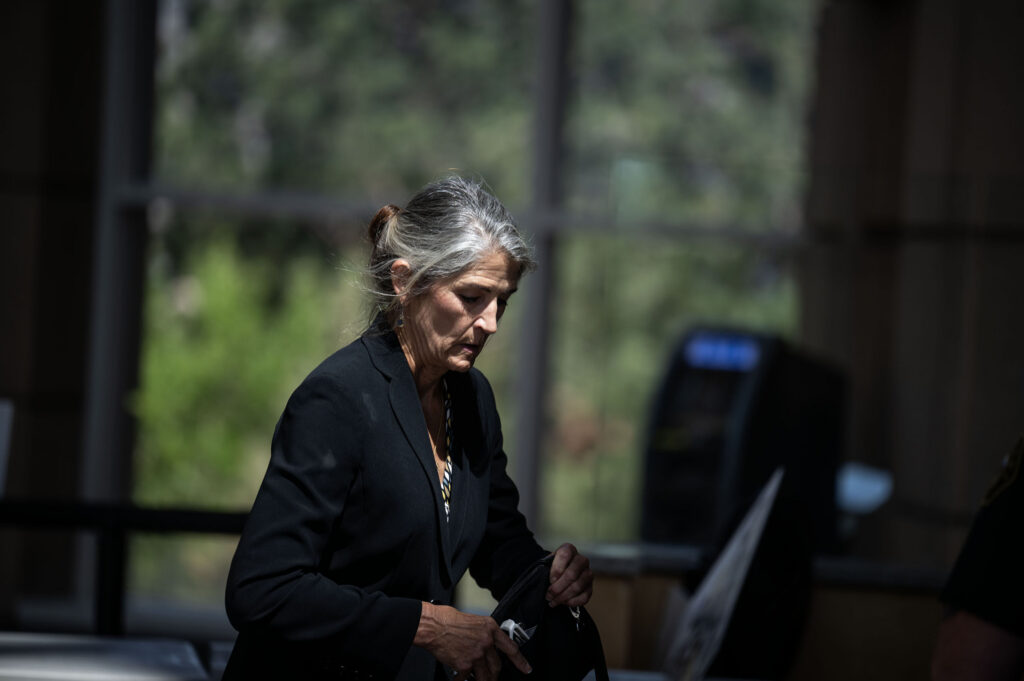
The Colorado Supreme Court ordered a Weld County trial judge last week to respond to the district attorney’s claim that he improperly dismissed a criminal case because of “outrageous” conduct by the Colorado Bureau of Investigation. Daniel Lee Eatinger stood...

Trump opens ‘economic D-Day’ offensive against Iran as war nears six-month mark
Christian Datoc
christian-datoc@coloradopolitics.com
Updated 7 hours ago
President Donald Trump is seeking to increase the financial pressure on Iran with new secondary sanctions on nations and foreign actors propping up the regime’s economy as the war between the United States and Tehran nears the six-month mark. Treasury...

Trump announces 50% tariffs on Canadian cars, auto parts, and steel
Naomi Lim
naomi-lim@coloradopolitics.com
Updated 7 hours ago
President Donald Trump escalated the trade war with Canada after talks collapsed last week, announcing Monday that the United States would impose 50% tariffs on cars, trucks, automotive components, and steel starting Jan. 1, 2027. “Canada has been ripping off...
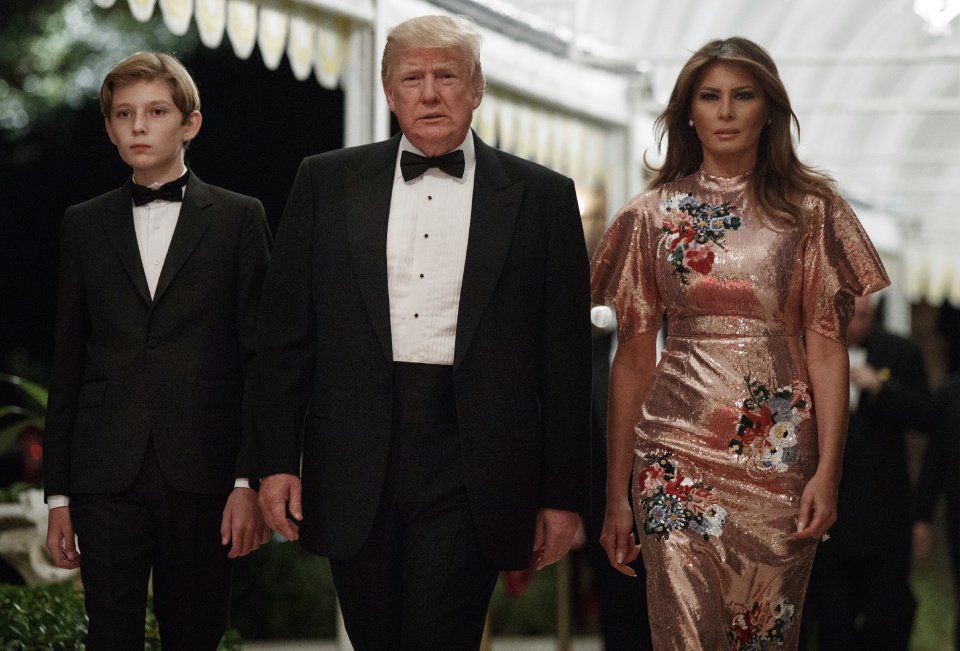
Iran puts out propaganda video tracking Barron Trump’s location, offering $10 million for his assassination
Timothy Nerozzi
timothy-nerozzi@coloradopolitics.com
Updated 9 hours ago
The Islamic Revolutionary Guard Corps is putting a hit out on President Donald Trump’s son, Barron Trump, with an inflammatory video claiming to track his location. State-run television in Iran is broadcasting a propaganda video claiming to show the locations...

Nevada sues Trump administration over Colorado River cuts
Marianne Goodland
marianne.goodland@coloradopolitics.com
Updated 56 minutes ago
On Monday, the state of Nevada filed a lawsuit against the Trump administration and Interior Secretary Doug Burgum, seeking to block the Colorado River management plan. On Friday, Burgum released a “record of decision” that would reduce water allocations to...

Healthcare Freefall: Longer drives, fewer options for maternity care in Colorado
Thelma Grimes
thelma.grimes@coloradopolitics.com
Updated 11 hours ago
Editor’s Note: Colorado’s healthcare system is entering a period of accelerating instability — a “tsunami,” as multiple leaders describe it — driven by collapsing hospital finances, shrinking Medicaid reimbursements, disappearing services and a political fight over who is responsible for...
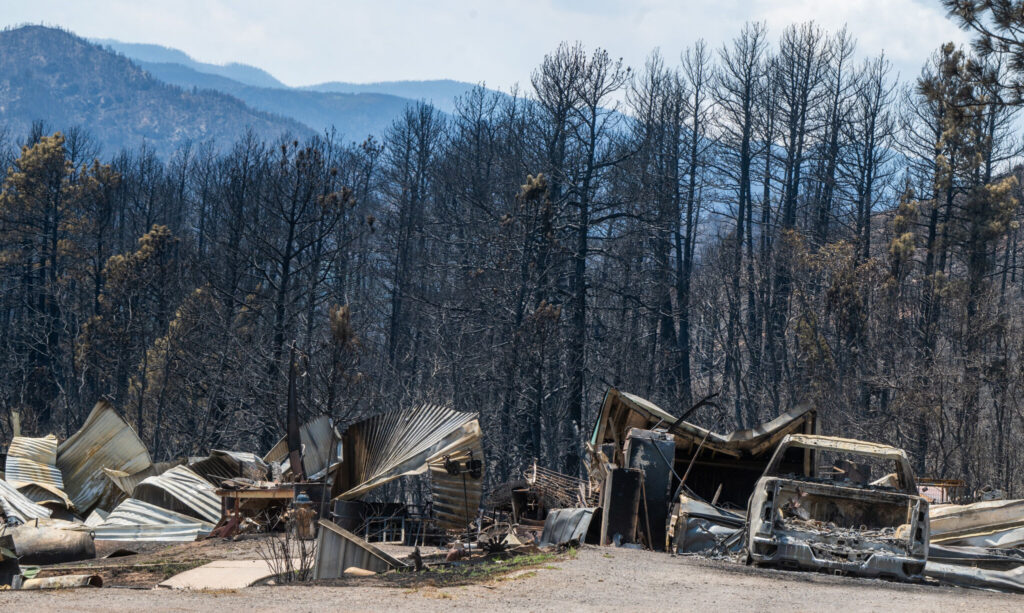
Polis requests federal disaster declaration for Colorado wildfires and floods
9News
9news@coloradopolitics.com
Updated 5 hours ago
On Sunday, Gov. Jared Polis officially requested a Major Disaster Declaration from President Donald Trump and the Federal Emergency Management Agency to support recovery from two wildfires and the subsequent flooding and debris flows on both burn scars. Polis requested a declaration...

US strikes another boat in eastern Pacific, killing two, Pentagon says
The Associated Press
the-associated-press@coloradopolitics.com
Updated 12 hours ago
U.S. forces have struck another vessel in the eastern Pacific, killing two people the Pentagon says were trafficking drugs. The U.S. Southern Command announced the strike in a social media post early Monday. The death toll from the Trump administration’s...
PREV
PREVIOUS
House approves police accountability bill in 52-13 vote, one step away from Polis signature
In a bipartisan vote of 52-13, the House of Representatives gave final approval to a package of reforms to disclose, deter and discipline excessive uses of force by police officers, an effort to halt further slayings at the hands of law enforcement. “There’s nothing new about black and brown Coloradans feeling a target on their backs,” […]

As the sex abuse statute of limitations bill falters again, echoes of 2006 defeat
History repeated itself on Friday when the legislature killed a bill to give childhood victims of sexual abuse more time to sue their perpetrators and the insitutions that harbored them – the first such measure that came close to passage since 2006. At that time, and still, victims generally had only six years after they turned […]