

10th Circuit upholds drunk driving evidence in repeated offender’s murder trial

The U.S. Court of Appeals for the 10th Circuit has ruled that the introduction of a man’s other drunk driving convictions as evidence during trial for a similar drunk driving offense was permissible.
“The facts and circumstances of these two convictions demonstrate,” wrote Judge Allison H. Eid, that the defendant “must have been aware of at least two propositions prior to his August 2016 arrest: (1) that drinking compromised his ability to safely operate a vehicle and (2) that driving while intoxicated could place others’ lives at risk.”
In August 2016, Timothy Amos Merritt was driving drunk within the Ute Mountain Ute Reservation in Southwest Colorado, traveling down the road in the opposite direction near the Utah border. He crashed into a family’s vehicle, which was unable to swerve in time. Cecil Vijil died, while his wife and son survived with injuries. Because Merritt was an American Indian and the crime occurred on tribal reservation, he incurred federal charges of second degree murder and assault.
Two officers at the scene both noticed Merritt’s apparent intoxication, even though he denied that he had been drinking. Police found two empty beer cans and 15 full cans in Merritt’s truck, and a toxicology analyst testified at his trial that Merritt’s blood alcohol content was more than twice the legal limit several hours after the crash. Merritt admitted that his intoxication level was “a 5 on a scale of 1 to 10.”
Prosecutors introduced evidence of Merritt’s three other drunk driving incidents at trial, including one that took place three months after Vijil’s killing while Merritt was released on bond. After a jury convicted him, Merritt argued on appeal that the court should not have allowed testimony about the other violations.
Eid, writing for the three member panel, explained that second degree murder convictions require a showing of malice aforethought, meaning that Merritt knew his conduct posed a risk of death or serious harm but that he did not care. Prosecutors intended for the other convictions to show that Merritt knew he posed a danger by weaving and driving down the opposite lane after he had been drinking.
“[I]f the government had only been permitted to inform the jury of Merritt’s record – stripped of any details,” Eid wrote, “the only inference that arises is an impermissible one: Merritt has a propensity to drive while intoxicated, and he acted in accordance with this character trait when he killed Cecil Vijil.” However, elaborating on the circumstances of the other incidents revealed that Merritt demonstrated a disregard for safety each time he was apprehended for driving drunk.
The court rejected Merritt’s contention that he was so drunk during the other incidents that he lacked the proper consciousness to understand the risks. It also dismissed the notion that the graphic details of his other arrests were “inflammatory” and meant to establish “callousness” of character for the jury. Instead, the court found the details to be illustrative of Merritt’s attitude toward his conduct.
“Vomiting out the window helps refute Merritt’s own contention that habitual drinkers necessarily tolerate alcohol better than others,” Eid wrote.
Finally, the court upheld the prosecutors’ introduction of his drunk driving arrest after murdering Vijil, saying that because there was “overwhelming evidence of guilt” in the other instances, the addition of the November 2016 arrest did not substantially affect the verdict.
The case is United States of America v. Timothy Amos Merritt.



Overdose deaths from opioids dip in America — but not in Colorado, study says
Jacob Mauk
jacob.mauk@denvergazette.com
Updated 11 hours ago
Overdose deaths from opioids rose in Colorado, diverging from the national trend, which has been decreasing, according to a new study from a think tank. In its new report, the Common Sense Institute said synthetic opioid overdose deaths in Colorado...
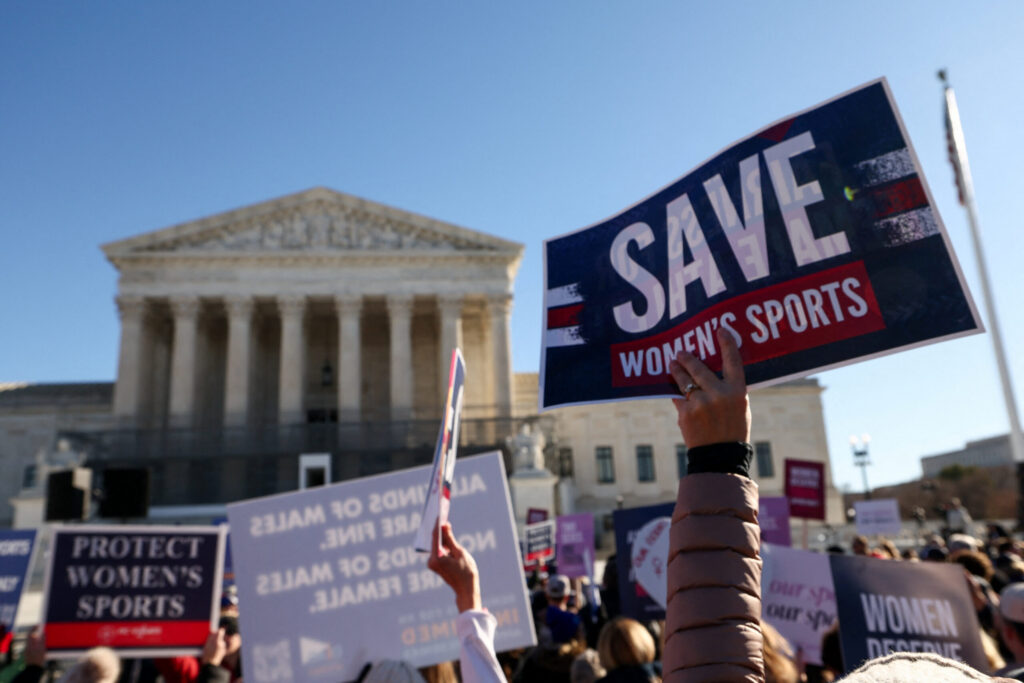
Colorado voters will decide whether transgender students can join girls’ sports
Marissa Ventrelli
marissa.ventrelli@coloradopolitics.com
Updated 13 hours ago
A ballot initiative that would require student athletes to only join sports teams that correspond to their biological sex has qualified for the November ballot, the latest development in the culture war being waged in school districts, in the courts...
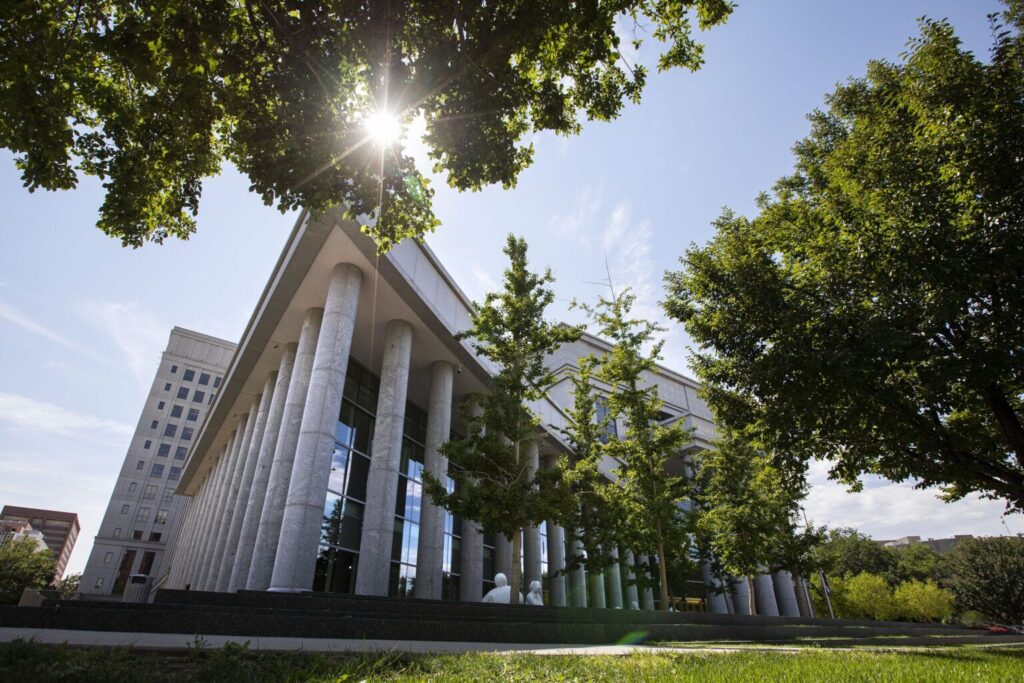
Error-prone Douglas County judge triggers another reversal of criminal convictions
Michael Karlik
michael.karlik@coloradopolitics.com
Updated 16 hours ago
Colorado’s second-highest court overturned a defendant’s Douglas County convictions on Thursday due to the error of a judge whose actions have triggered a disproportionate number of reversals to convictions and sentences in recent years. Since 2021, the Court of Appeals...
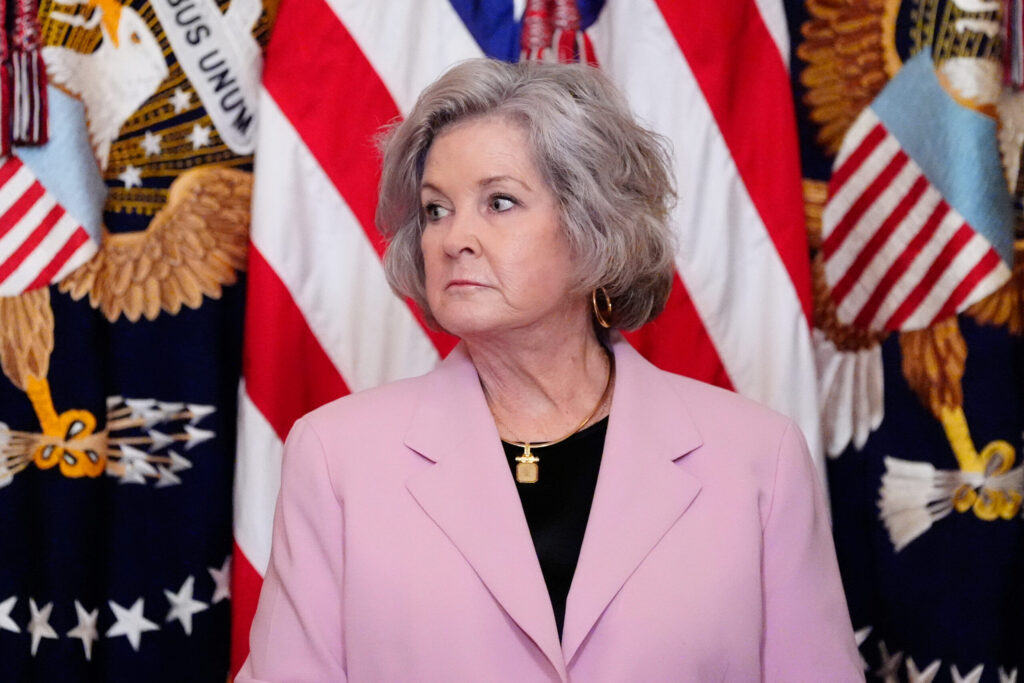
Susie Wiles diagnosed with ‘early stage’ breast cancer: Trump
David Zimmermann Washington Examiner
davidzimmermannwashingtonexaminer@wpstage.coloradopolitics.com
Updated 18 hours ago
President Donald Trump announced White House chief of staff Susie Wiles has been diagnosed with “early stage” breast cancer and that she decided to take on the illness immediately. Wiles will not step down from her administrative role at this...
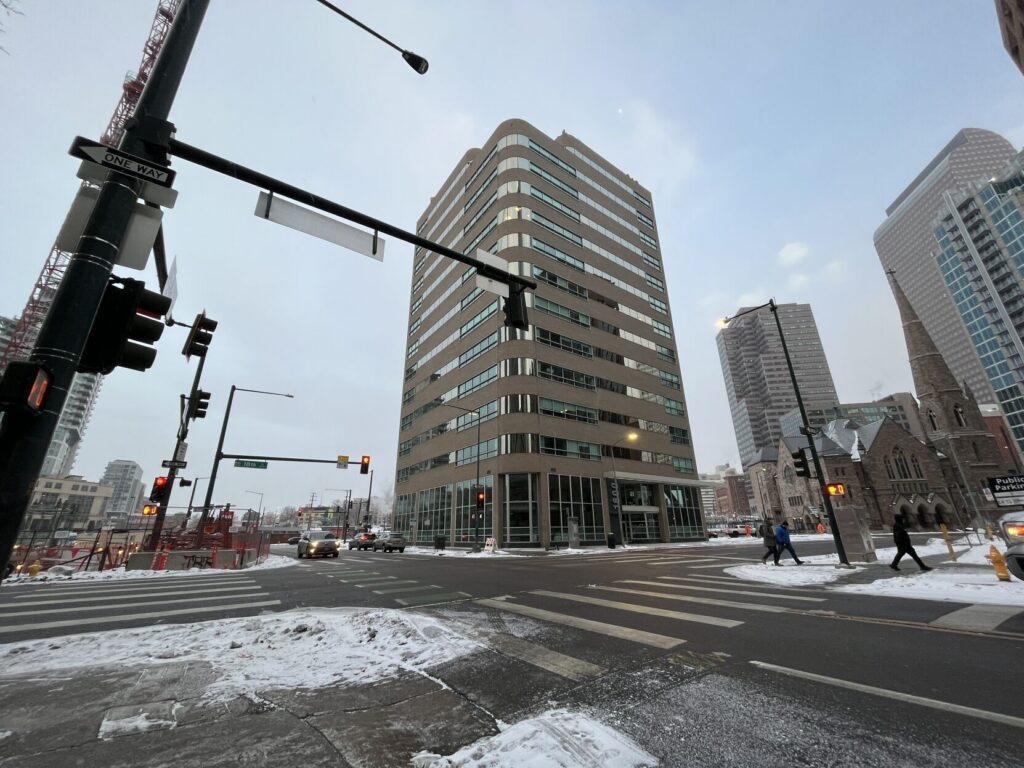
Hacked crosswalks in Denver sound anti-Trump messages
Deborah Grigsby
deborah.smith@denvergazette.com
Updated 12 hours ago
Denver pedestrians got a surprise this weekend when the audio messages from push-button speakers on some crosswalks were mysteriously replaced with anti-President Donald Trump messages. “The walk signal is on, Trump … (reference to the Iran school that was bombed),”...

Federal judge formalizes injunction blocking USDA’s ‘pilot project’ for Colorado food assistance
Michael Karlik
michael.karlik@coloradopolitics.com
Updated 16 hours ago
A federal judge formalized his order on Monday to prevent the U.S. Department of Agriculture from requiring Colorado to participate in a food assistance “pilot project,” finding that it violates the law, the U.S. Constitution, and “the bounds of reasoned...

Colorado justices speak about inner workings of court, analysis of appellate opinions | COURT CRAWL
Michael Karlik
michael.karlik@coloradopolitics.com
Updated 21 hours ago
Welcome to Court Crawl, Colorado Politics’ roundup of news from the third branch of government. Members of the state Supreme Court provided an inside look at the workings of their institution, and a Colorado Politics analysis found that some appellate...
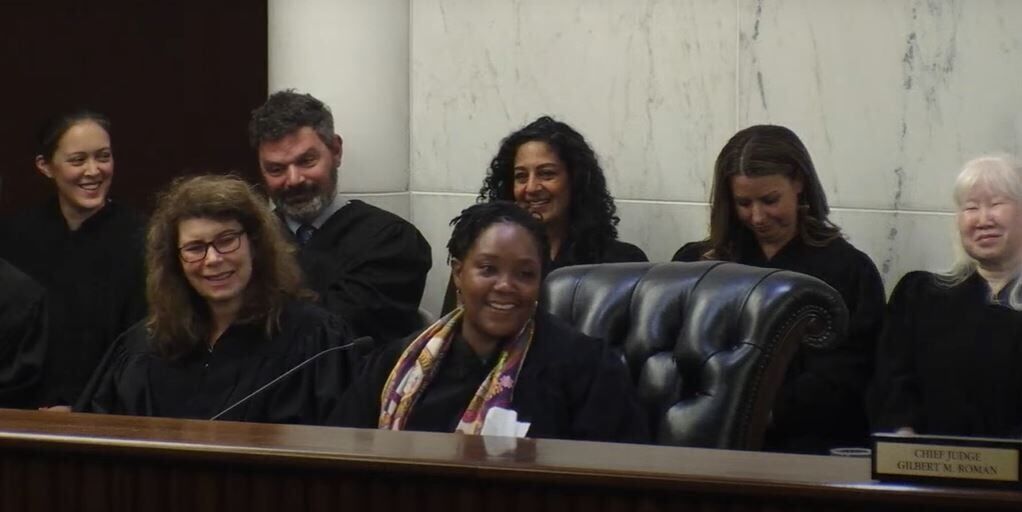
Appeals court finds no requirement for different judge to handle attorney-client conflict hearings
Michael Karlik
michael.karlik@coloradopolitics.com
Updated 22 hours ago
Colorado’s second-highest court rejected a defendant’s argument on Thursday that a judge improperly heard about a potential conflict between himself and his lawyer right before sentencing, and the man’s reaction could have “tainted” the sentencing decision. In September 2023, Anthony...
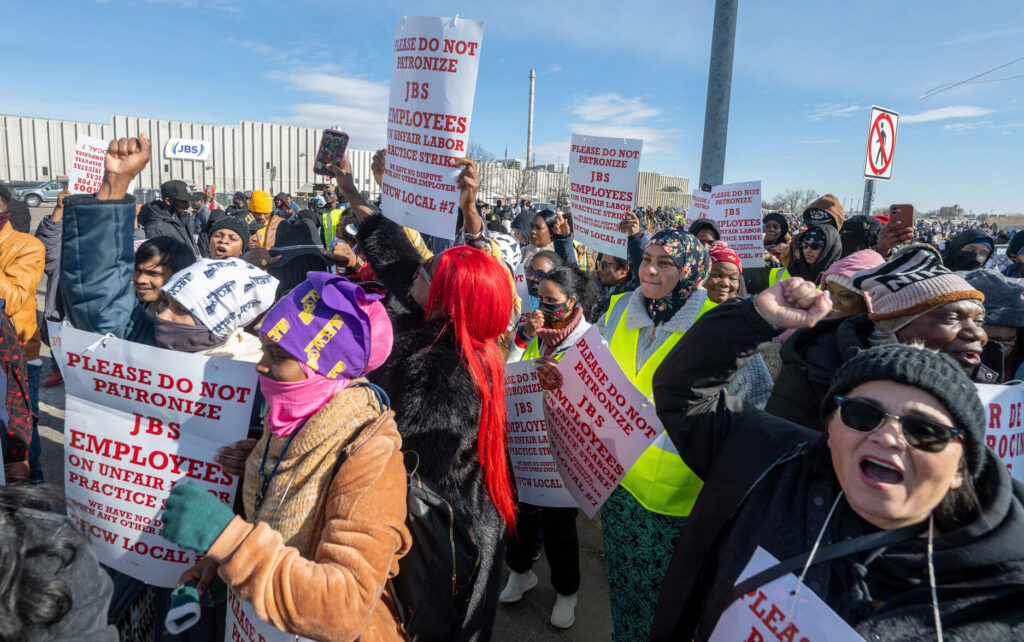
3,800 Colorado workers are on strike at JBS, one of the largest meatpacking plants in the US
Brittany Peterson
brittany.peterson@associatedpress.com
Updated 15 hours ago
GREELEY, Colo. (AP) — About 3,800 workers at one of the nation’s largest meatpacking plants went on strike Monday in Colorado in what union representatives said was the first walkout at a U.S. beef slaughterhouse in four decades. Hundreds of...
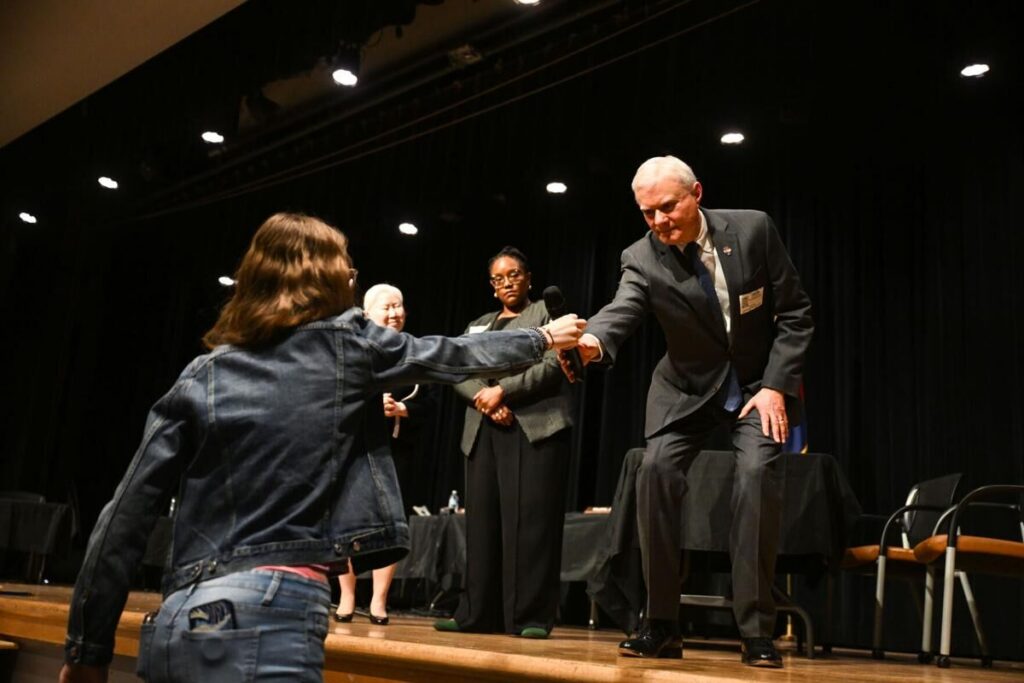
The influencers? Some Colorado appeals judges outpace colleagues in setting legal precedent
Michael Karlik
michael.karlik@coloradopolitics.com
Updated 21 hours ago
A handful of judges on Colorado’s second-highest court are producing substantially more precedent-setting opinions than their colleagues, which create binding interpretations of the law that reach beyond individual cases. The Court of Appeals issues approximately 1,700 opinions each year. A...
PREV
PREVIOUS

'I thought I was going to die': Denver safety director Murphy Robinson talks about the time a trooper put a gun to his head
When asked to recount a turbulent interaction with police that has had the greatest influence on his life, Murphy Robinson, Denver’s newly appointed safety director, had to think. “I have many,” he said, but one encounter sticks out most. Around 2009 when he was attending college in Cincinnati and had recently become a police officer, […]

Denver expands free COVID-19 testing sites for June
Denver will offer free COVID-19 testing at five additional locations during the month of June, which were identified by the city’s Racial Equity Council as benefiting underserved communities. The council provides guidance for ensuring access to healthcare in communities of color and for health equity. Its members include the Center for African American Health, Denver […]