

Weiser files suit against Trump Administration for water rule
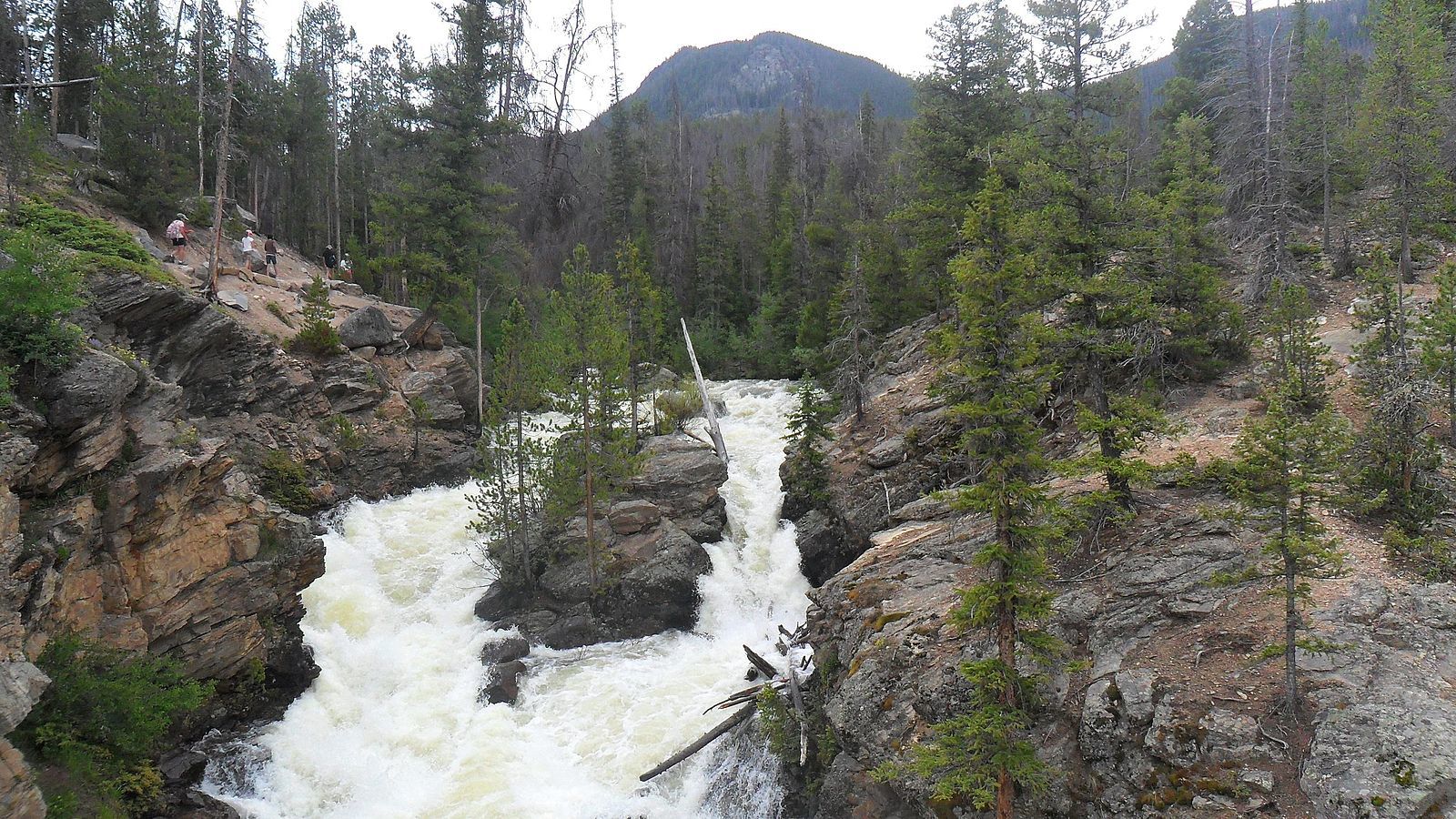
Attorney General Phil Weiser has filed a lawsuit against the U.S. Environmental Protection Agency challenging a regulation that removes some water bodies from federal oversight and, according to Weiser, “ignores sound science.”
The EPA’s Navigable Waters Protection Rule, published in April, will remove federal protections from some wetlands and streams. As Weiser contends in his lawsuit, the narrowed definition of “waters of the United States” would render a “substantial portion of Colorado’s ephemeral streams and wetlands without the federal regulatory protections that the State has relied on for many years and jeopardize the integrity and quality of Colorado’s waters.”
The new rule does not include ephemeral streams that exist due to snow melt or precipitation. The Clean Water Act of 1972 makes it illegal to discharge pollutants into the waters of the United States, without defining what the phrase encompasses. Under the Obama Administration, a proposal of the rule had an expanded definition of navigable waters, on the grounds that some smaller bodies could be polluted in a way that reaches drinking water.
“The federal government’s proposed new definition of ‘waters of the United States’ conflicts with the text of the Clean Water Act, contravenes controlling Supreme Court precedent, contradicts the Act’s objective, and ignores sound science,” Weiser wrote in the lawsuit. He added that the narrowed scope of protected waters would deny the state federal resources in preventing pollution.
The Trump Administration’s rule has found some support within Colorado. U.S. Rep. Doug Lamborn explained that it “restores the federal-state partnership that Congress originally intended under the Clean Water Act and returns jurisdiction to State and local authorities, who are better able to manage their own waters.”

Judge allows Trump to refile $15 billion lawsuit against the New York Times
Emily Hallas
emily-hallas@coloradopolitics.com
Updated 22 minutes ago
A federal judge declined to dismiss President Donald Trump’s multibillion-dollar lawsuit against the New York Times on Monday, giving him roughly four weeks to amend his case after the outlet moved to toss it on First Amendment grounds. District Judge...

Gov. Polis celebrates Colorado’s first‑place education ranking from U.S. News
Marianne Goodland
marianne.goodland@coloradopolitics.com
Updated 26 minutes ago
Colorado has something to celebrate this week, in addition to its sesquicentennial (150th) birthday on Saturday. U.S. News & World Report on Tuesday gave Colorado its top ranking for education efforts from pre-K to postsecondary. Gov. Jared Polis celebrated the...
Denver detox center did not violate man’s rights with 10-hour hold, 10th Circuit says
Michael Karlik
michael.karlik@coloradopolitics.com
Updated 47 minutes ago
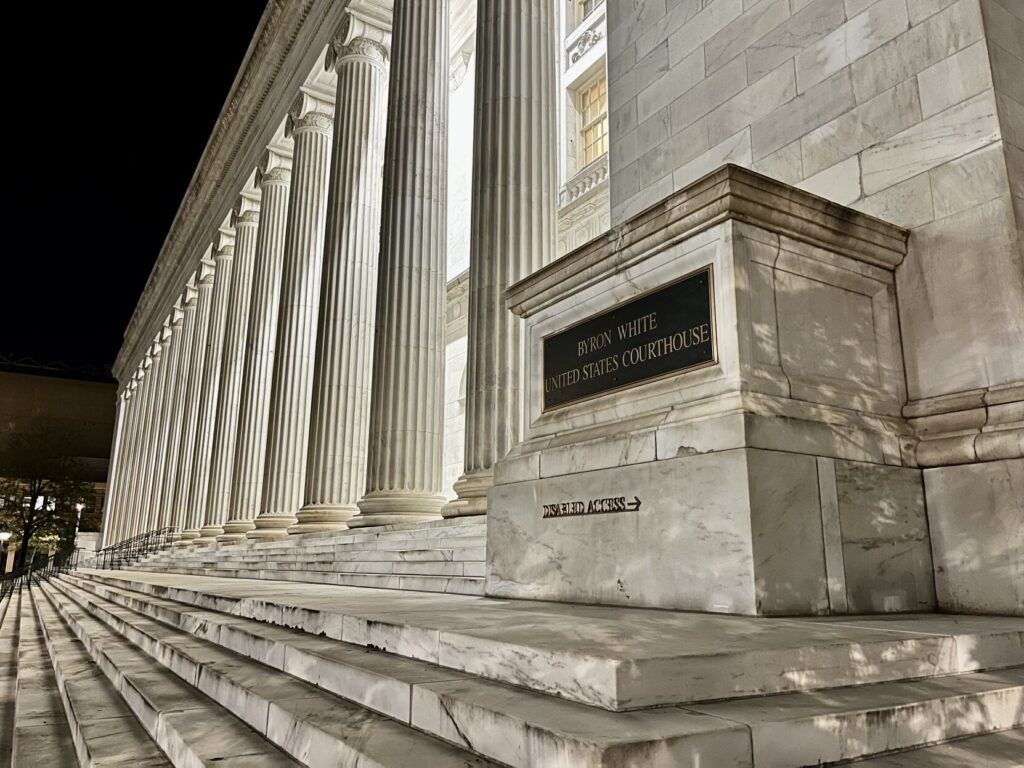
The Colorado-based federal appeals court concluded on Tuesday that Denver’s detoxification facility did not violate a man’s rights by holding him against his will for 10 hours until his blood alcohol content was projected to reach zero. Unusually, Brian Garrett’s...
Federal judge clarifies ex-GOP treasurer candidate’s burden to prove defamation claims
Michael Karlik
michael.karlik@coloradopolitics.com
Updated 28 minutes ago
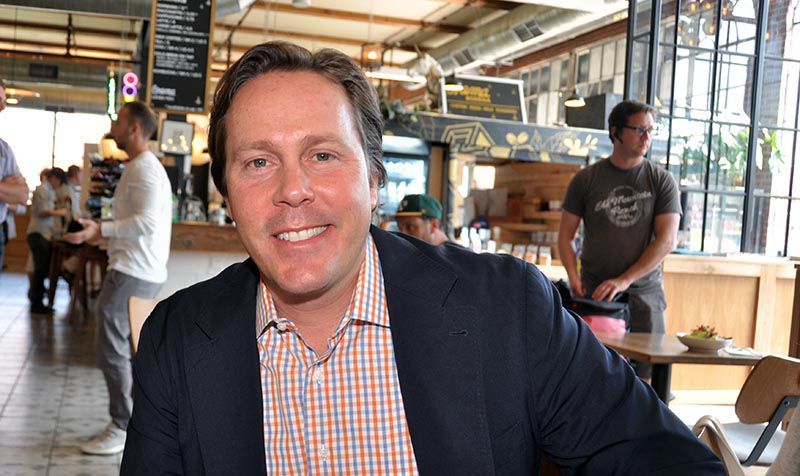
A federal judge clarified last week that businessman and former Republican statewide candidate Brian Watson will need to surmount a higher hurdle in proving his claim that a party guest’s alleged description of him as a “criminal” amounted to defamation....

Denver City Council sends Xcel franchise deal to voters
Deborah Grigsby
deborah.smith@denvergazette.com
Updated 2 hours ago
This November, Denver voters will decide whether to renew the city’s longstanding franchise agreement with Xcel Energy. Members of the Denver City Council approved on Monday sending a proposed 20-year franchise agreement with Xcel that would deliver more than $180...
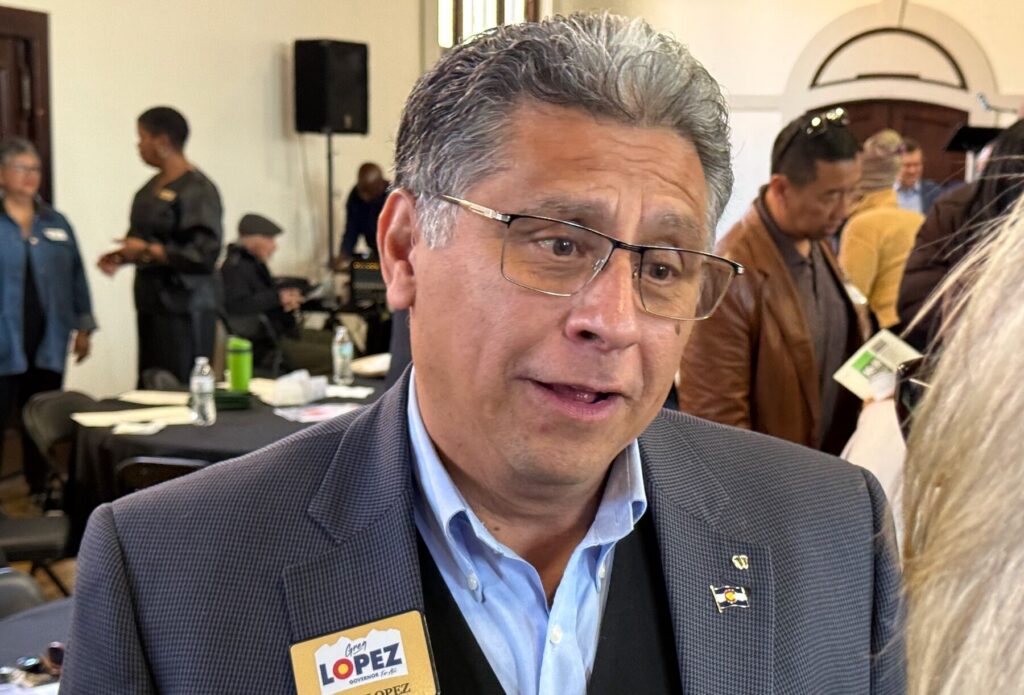
Independent gubernatorial candidate Greg Lopez, a former GOP congressman, qualifies for Colorado ballot
Ernest Luning
ernest.luning@coloradopolitics.com
Updated 36 minutes ago
Unaffiliated gubernatorial candidate Greg Lopez, a former Republican congressman from Elizabeth who left the GOP to run as an independent, has qualified for the ballot by submitting enough petition signatures, the Colorado Secretary of State’s Office said Tuesday. He’ll face...

At Colorado’s 150th anniversary, leaders offer birthday wishes
Thelma Grimes
thelma.grimes@coloradopolitics.com
Updated 4 hours ago
As Colorado’s 150th anniversary approaches, leaders from across the state reflect on the spirit that binds the plains, mountains, Western Slope and Front Range — a shared commitment, they underscored, to opportunity, community, stewardship and personal freedom. Their tributes highlight...
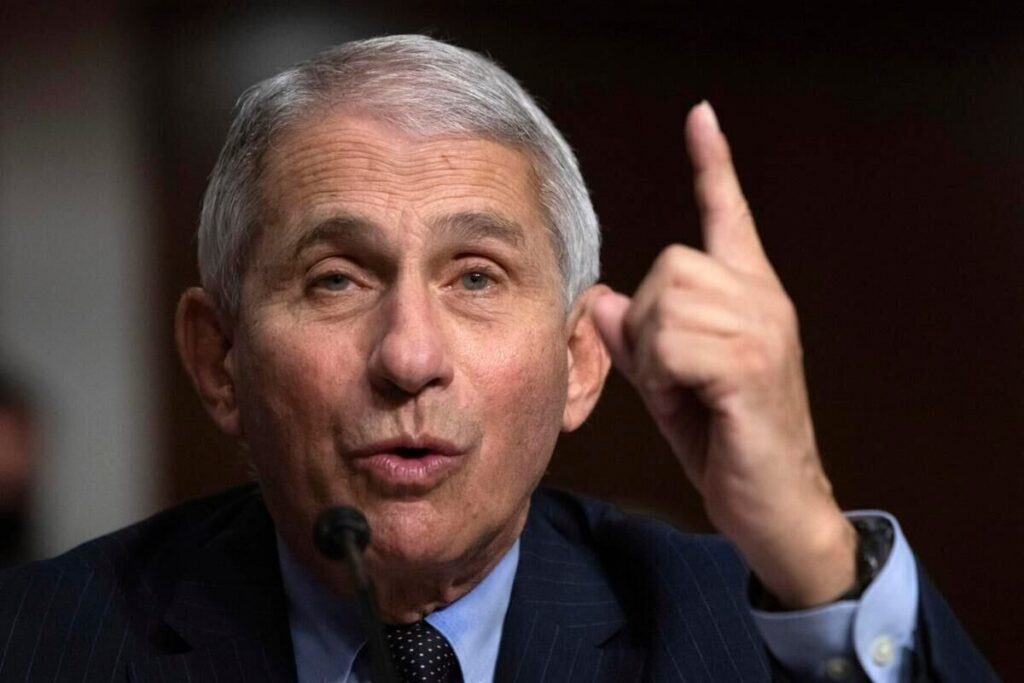
Fauci’s private COVID-19 diaries: Six takeaways on fame, prize money and the lab leak debate
The Washington Examiner
the-washington-examiner@coloradopolitics.com
Updated 7 hours ago
Anthony Fauci’s private writings from 2020 and beyond portray a public health official who was fixated on his growing celebrity while privately grappling with a pandemic response he believed was chaotic, leaderless and consumed by internal rivalries. The writings of...

Denver weighs permanent restriction on low-level traffic stops
Deborah Grigsby
deborah.smith@denvergazette.com
Updated 7 hours ago
A Denver City Council committee is considering permanently limiting certain types of low-level traffic stops used to investigate unrelated crimes and requiring better public reporting about why such stops happen. Members of the Budget and Policy Committee on Monday were...
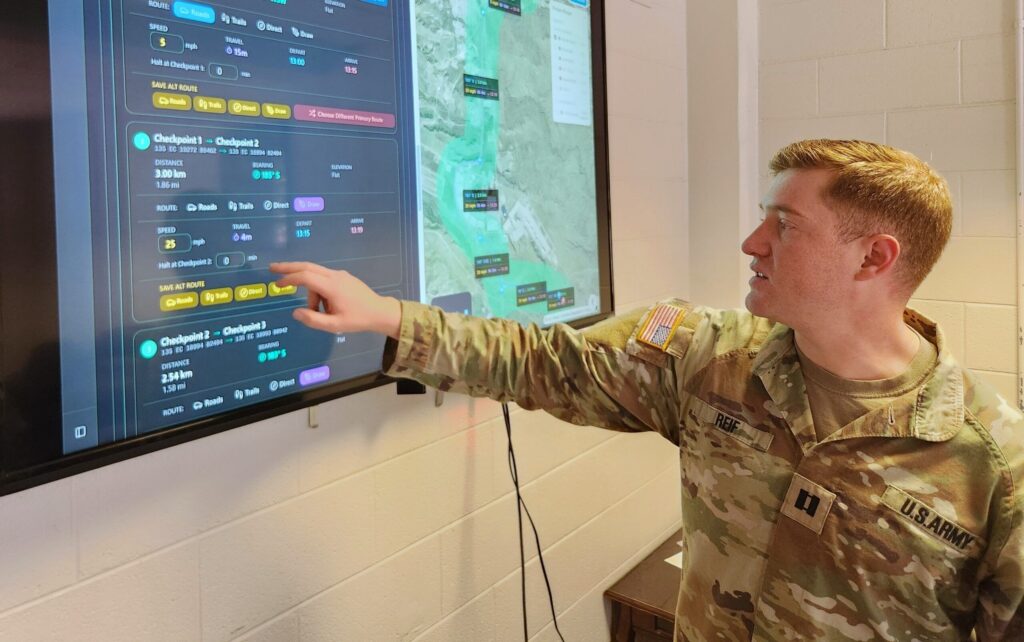
Fort Carson soldiers develop app to plan convoys as part of Next Generation Command and Control
Mary Shinn
mary-shinn@coloradopolitics.com
Updated 6 hours ago
Planning the details of a military convoy with numerous vehicles, personnel, weapons, radios and other details can take a platoon leader three days. In addition to plotting a safe route, leaders need to map out checkpoints to track the convoy’s...
PREV
PREVIOUS

Mile High United Way grants $290K to Denver food banks, addressing food insecurity
Mile High United Way (MHUW) recently granted $290,000 to food banks across Denver that are strapped for resources in the wake of the coronavirus pandemic. The grants will be distributed across 19 organizations serving communities of color in several low- and moderate-income neighborhoods, areas Denver’s Emergency Operations Center (EOC) identified as having the greatest need. “Recognizing […]
House advances 'landmark' bill to give sex assault victims unlimited time to sue
The Colorado House of Representatives gave initial approval on Tuesday to a bill that would eliminate the civil statute of limitations for sexual misconduct going forward, including for sexual abuse of children. “This is actually a landmark bill that you’re about to vote on,” said Rep. Matt Soper, R-Delta, one of the proposal’s sponsors. “One […]