

Advocates say online poll supports taxing the rich
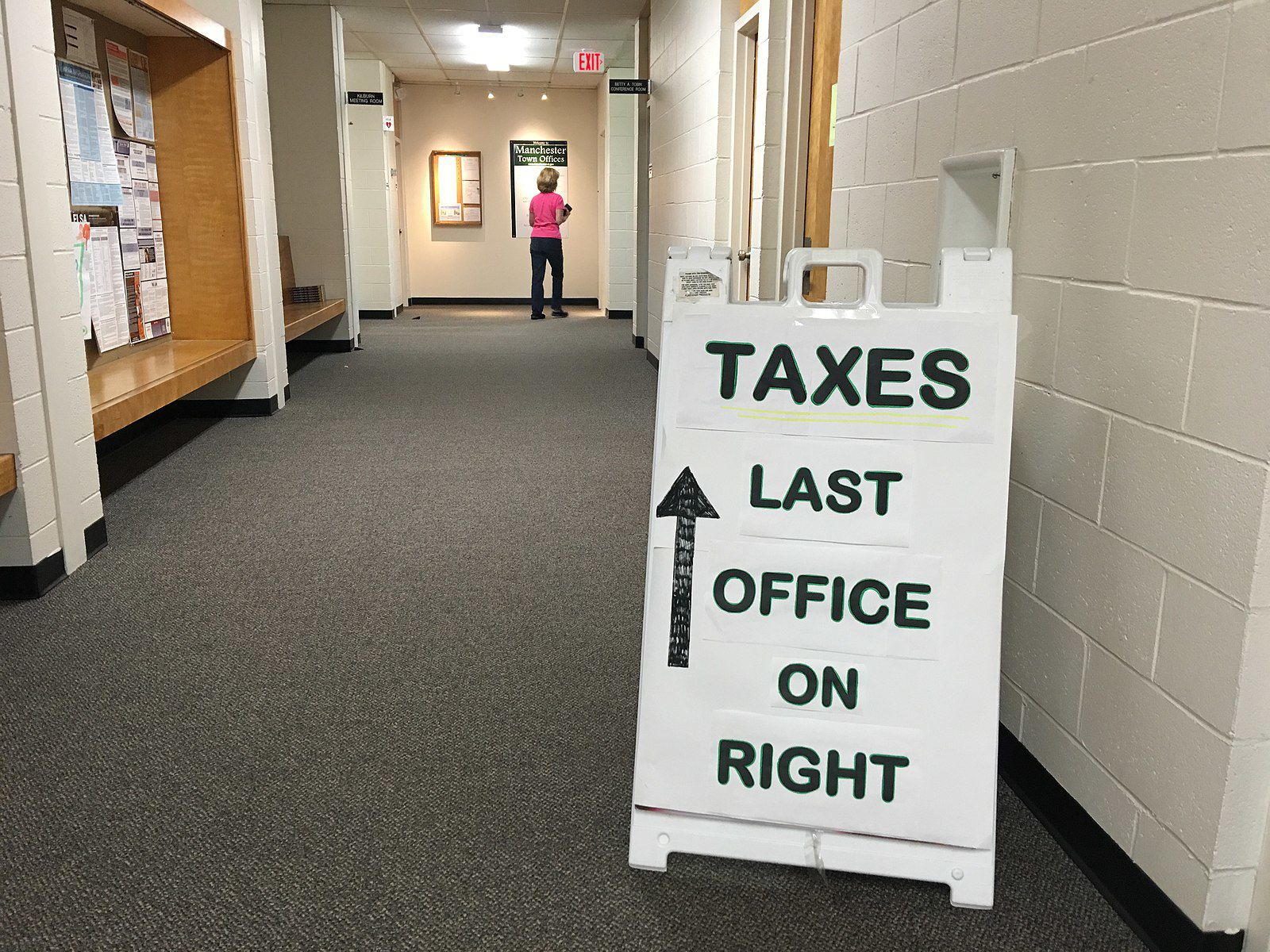
Advocates for a ballot measure to tax the rich to balance the state budget released results of an online survey that indicated Coloradans might go for it in November.
The online statewide survey indicated 56% of those who took the survey were sure they would vote for it in November, and 28% plan to vote no, while 16% haven’t made up their minds.
The concept of asking the rich to pay more, however, had the support of 69%, with just 18% in opposition and the rest undecided. Support is up from 61% in a similar survey in February conducted by the group behind the proposed ballot question, Fair Tax Colorado.
Initiative 271 would give people making below $250,000 a year a tax cut by raising taxes on a those who make above the quarter-million-dollar mark.
Coloradans currently pay a 4.63% income tax rate. Initiative 271 would lower the rate to 4.58% for those earning less than $250,000 and raise it to 7% on earnings above that up to $500,000.
Efforts to raise tax rates haven’t fared well in Colorado in recent years.
The proposal would raise an estimated $2 billion a year, which is the least amount of damage lawmakers are expecting the coronavirus shutdown to inflict on the state budget.
“This poll shows Coloradans of all walks of life agree a fair tax system is the right way to respond to the COVID-19 crisis,” Abby Vining of the Fair Tax Colorado campaign said in a statement Sunday afternoon. “Giving 95% of Coloradans much-needed relief in the form of a tax cut while simultaneously protecting our communities from budget cuts is something that can bring our state together and help us come back stronger.”
To get on the November ballot, advocates must collect 124,632 signatures from registered voters.
The online poll of 600 likely voters was conducted May 1-3 by Chris Keating of Keating Research. The margin of error is plus or minus 4 percentage points.
Online surveys are determined to be not as reliable as telephone polling. The Pew Research Center states they “do not have a proven record of accuracy.”
“There are at least two reasons for this,” the center reported. “One is that not everyone in the U.S. uses the internet, and those who do not are demographically different from the rest of the public. Another reason is that people who volunteer for polls may be different from other people in ways that could make the poll unrepresentative. At worst, online polls can be seriously biased if people who hold a particular point of view are more motivated to participate than those with a different point of view.”

Colorado Parks and Wildlife Commissioner Murphy Robinson resigns
Marianne Goodland
marianne.goodland@coloradopolitics.com
Updated 6 hours ago
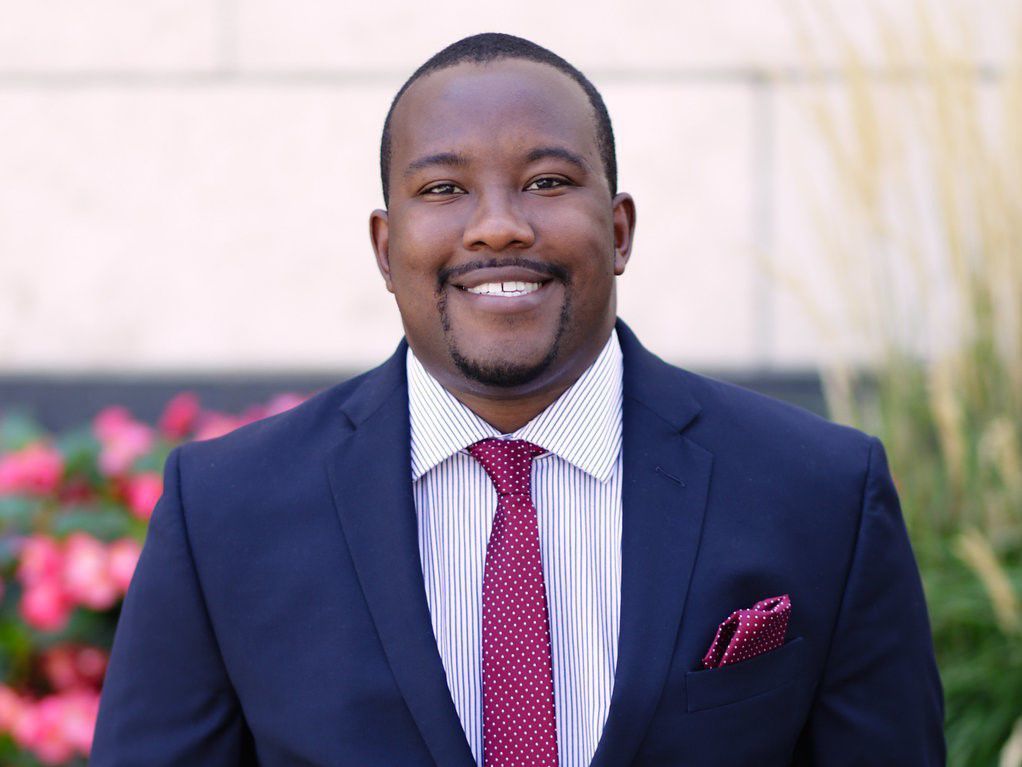
Murphy Robinson, who has served on the Colorado Parks and Wildlife Commission for just over a year, announced his resignation on Wednesday. In a statement, Gov. Jared Polis thanked Robinson, saying he is “incredibly grateful for Murphy’s service to the...
Colorado Supreme Court’s opinion output drops by two-thirds amid justice’s absence
Michael Karlik
michael.karlik@coloradopolitics.com
Updated 7 hours ago
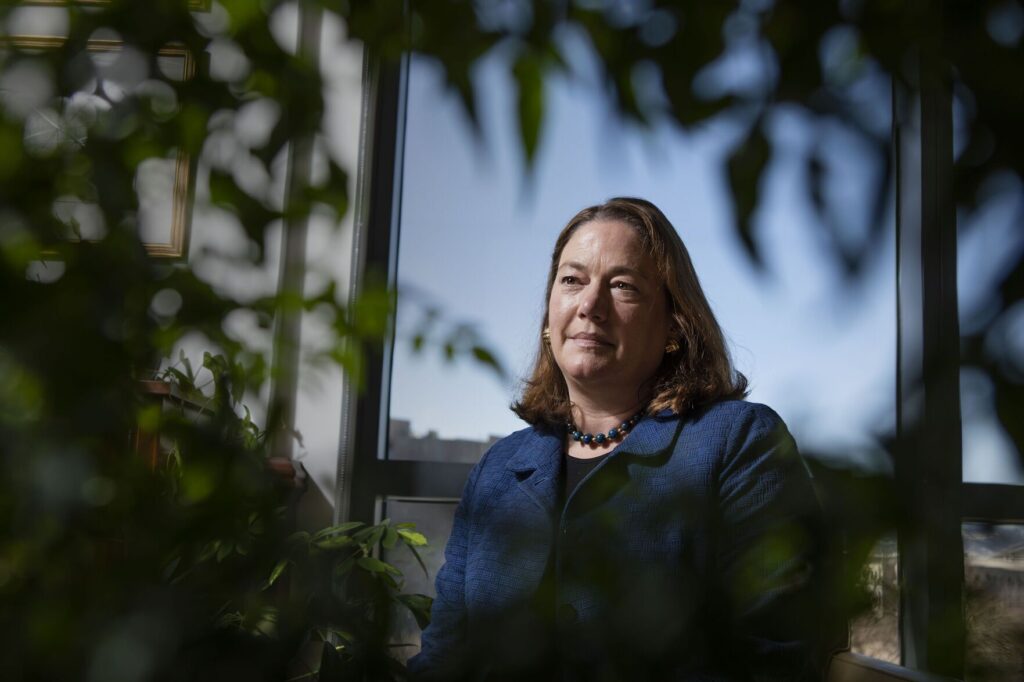
The Colorado Supreme Court has released significantly fewer new opinions in recent months compared to the previous two years, even as the judicial branch insisted that a member’s open-ended absence is not causing delays. Justice Melissa Hart has been on...

Adams County officials call for resignation of county treasurer after ‘inappropriate behavior’
Kyla Pearce
kyla.pearce@gazette.com
Updated 7 hours ago
Adams County Commissioners requested the resignation of the county’s treasurer after multiple allegations of inappropriate behavior toward staff members. Treasurer Alex Villagran has declined to step down. An independent investigation by Employment Matters LLC Flynn Investigations Group found multiple allegations...

Aurora’s consent decree monitor reviews fatal pursuit crash, notes ‘inherent risk’ of police chases
Kyla Pearce
kyla.pearce@gazette.com
Updated 8 hours ago
Two people died in a crash that resulted from an Aurora police pursuit last week, which the city’s decree monitor is reviewing. The monitor said the incident underscores the “inherent risks” of pursuits. Meanwhile, the city police department said it...
Colorado’s universal preschool enrollment begins for upcoming school year
Marissa Ventrelli
marissa.ventrelli@coloradopolitics.com
Updated 7 hours ago
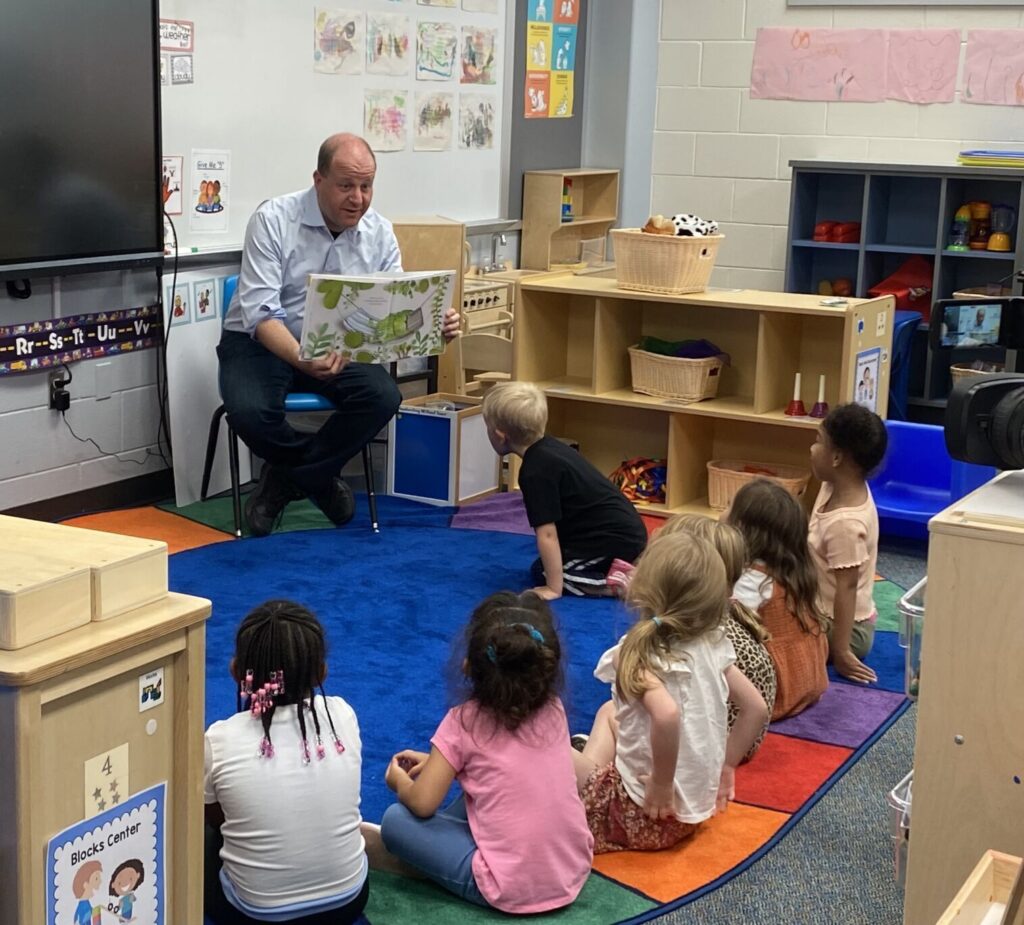
Enrollment is now open for Colorado’s universal preschool program, which provides up to 15 hours of free education for four-year-old children across the state. The $344 million program has served nearly 90,000 children since its creation in 2023, the Governor’s...

Divided 10th Circuit rules bank customer must arbitrate discrimination-related claims
Michael Karlik
michael.karlik@coloradopolitics.com
Updated 7 hours ago
The Denver-based federal appeals court ruled on Monday that a mandatory arbitration clause in the fine print of a customer’s bank account agreement prohibited her from pursuing claims of racial discrimination in court. Jeanetta Vaughn filed suit against JPMorgan Chase...

Colorado’s federal trial court denies admission to lawyer owing tens of thousands in dues, penalties
Michael Karlik
michael.karlik@coloradopolitics.com
Updated 9 hours ago
Colorado’s U.S. District Court declined last month to allow an attorney to practice before the court due to his failure to pay enrollment fees and penalties to another state’s bar association for years. The federal trial court requires attorneys to...
Douglas County businesses to pay fines for unreported thefts under proposed ordinance
Noah Festenstein
noah.festenstein@denvergazette.com
Updated 6 hours ago
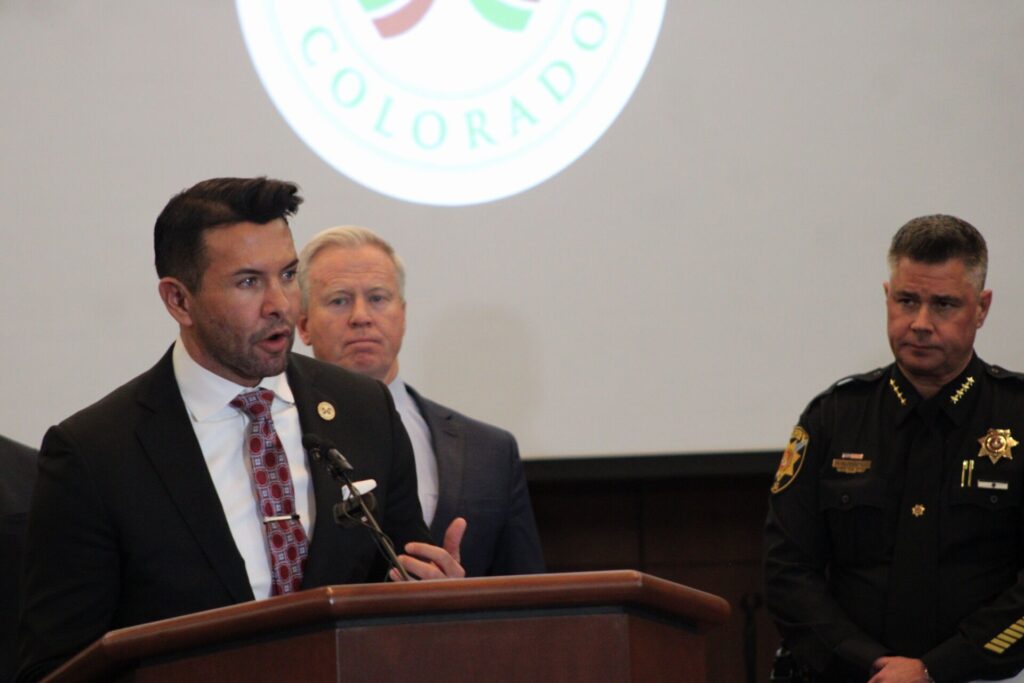
Douglas County commissioners on Tuesday advanced an ordinance aimed at curbing retail theft by penalizing businesses that refuse to report shoplifters to law enforcement. The proposal is notable in that it shifts the onus of responsibility to businesses. Officials said...

Federal judge labels appeal ‘frivolous,’ state Supreme Court to hold arguments | COURT CRAWL
Michael Karlik
michael.karlik@coloradopolitics.com
Updated 14 hours ago
Welcome to Court Crawl, Colorado Politics’ roundup of news from the third branch of government. A federal judge deemed a government defendant’s appeal “frivolous,” and the state Supreme Court will have an abbreviated oral argument schedule next week. Heard on...

Humane Colorado bids fond farewell to its CEO at Celebration of Compassionate Leadership | NONPROFIT REGISTER
Joanne Davidson Special to Colorado Politics
joanne-davidson-special-to-colorado-politics@coloradopolitics.com
Updated 16 hours ago
HUMANE COLORADO Denver News: Veterinarian Apryl Steele is not one to toot her own horn, so the general public might have no idea of the depth and scope of the role she has played in elevating the standard of care for companion animals and for expanding the socially...
PREV
PREVIOUS

Polis meeting with Trump this week to lobby for federal pandemic aid
Gov. Jared Polis is headed to Washington, D.C., this week to meet with President Donald Trump and lobby for federal help in bailing out Colorado’s coronavirus-battered economy, the governor’s office said Sunday. “Gov. Polis is scheduled to meet with President Trump on Wednesday and will continue advocating for Colorado to receive more federal support during […]

CO PO Calendar | May. 11-17
CoPo’s weekly political calendar will help you find political and public-policy events throughout Colorado. It includes candidate and issue campaign events, public policy meetings, court hearings, state and local party conventions, assemblies, debates, rallies, parades, speaking engagements, traveling dignitary appearances, water meetings, book signings, county commission hearings, city council meetings and more. As a subscriber, […]