

BARTELS | Clerks keep the business of government rolling

Nurses, doctors, grocery store checkers, postal workers, truck drivers. The accolades continue for these heroes during the coronavirus crisis.
Add this profession to that list: your county clerk and recorder.
It is amazing how many duties clerks perform and what they have done in recent weeks to try to do their jobs as calls from anxious Coloradans pour in.
“I just bought a car. It wasn’t through the dealer. What do I do?”
“I need to research a property record because someone is trying to close on a home but the courthouse is closed.”
“What does this mean for the June 20 primary election?”
But as the clerks like to say in their e-mails to each other, #WeGotThis.
“Our clerks are rock stars,” said Pam Anderson, executive director of the Colorado County Clerks Association. “They have spent the last 10 years or more modernizing their operations: elections, land records and Department of Motor Vehicles.”
Just think of where Coloradans would be if clerks hadn’t pushed to put so many services online, including voter registration, vehicle services, including annual registrations, and digitizing vital land and property records to make them searchable by bankers and title companies.
Some transactions, however, must be done in person, and clerks and their staff are designated as essential to facilitate this process while protecting the public health and safety of their team.
The clerks association worked with Gov. Jared Polis once he began to sound the alarm about the danger of gathering in large groups to try to get an in-person exemption for marriage licenses and allow for remote notarization for transactions. Colorado law says couples must apply in person at a county clerk’s office.
The executive orders came over the past few days, and clerks are beginning to safely implement these important local government functions.
Full disclosure: I handle communications for the association. That means I am on the daily conference calls with the clerks and their staff to talk about updates in these days of remote working and 6-foot separation requirements.
Arapahoe County District Attorney George Brauchler, who spoke at the clerks association summer conference in 2016, called county clerks “the guardians of the galaxy.” Anyone listening on the conference calls would agree.
Anderson, a former Jefferson County clerk, and association president, La Plata County Clerk Tiffany Parker, are working round the clock to try to answer questions from their members.
I asked some clerks how it is going.
Eagle County Clerk Regina O’Brien said staffers in her elections, recording and liquor divisions have been working remotely since the office closed to the public March 16.
Her office issues liquor licenses in unincorporated Eagle County. On a recent clerks conference call, two staffers with the Colorado Department of Revenue talked with clerks about giving extensions for license holders who need to renew.
“Our county IT department has been a tremendous partner in getting us set up quickly to work from home, including answering phone calls that come to our desk lines. Technology has been a godsend for continuity of operations,” O’Brien said.
Motor Vehicle operations have been more challenging, although county residents who need to renew their vehicle registrations are opting to use mail or online options.
Private-party transfers, a person-to-person sale of a vehicle, is more difficult. The clerk’s office needs the title from the seller, which needs to be properly signed. The purchaser needs to provide ID, fill out the paperwork and registration, pay for the cost and then he or she gets handed their license plates.
“People are reaching out to us saying, ‘I can’t come in, what can I do?’ ” O’Brien said.
These days, in most counties customers who need to complete this transaction now receive a packet via e-mail or snail mail that includes the necessary paperwork. Once that is filled out, the forms and payment can be mailed back to the clerks’ office or dropped off at 24-hour voter ballot boxes, which many counties are now using to receive documents of all types, including property tax payments.
“These boxes are fantastic,” O’Brien said. “They are so handy.”
For that, a big shout out to former Secretary of State Wayne Williams, who used federal election money to help counties statewide pay for drop boxes and the required security cameras.
He wanted voters to be able to drop off their ballots any time of the day or night. And he pointed to a 2014 District Court ruling that said clerks can’t count ballots that arrive after 7 p.m. on Election Day even if the postmark showed the ballot was mailed in plenty of time. During election season, drop boxes are emptied several times a day by bipartisan election teams.
In Lincoln County, Clerk Corinne Lengel said the most difficult thing for her has been scheduling.
“Juggling the schedules of immune-compromised employees, and those with small children or at ‘peak age’ in an office of seven has its challenges,” she said. “Although we live in the age of convenience, we are learning to serve customers with their recording and motor vehicle business utilizing the postal service, e-mail and fax, kind of like we did ‘in the old days.’ “
She said the staffers working at their office in Hugo, which is closed to the public, continues to process voter registrations and the county’s payroll and accounts payable while maintaining social distancing.
“I’m definitely more grateful than ever for our big office,” Lengel said.
In Routt County, one-third of the staff works out of the now-closed courthouse in Steamboat Springs to keep up with Motor Vehicle renewals, recording, title and mortgage mail, liquor licenses, elections deadlines and balancing the books, Clerk Kim Bonner said.
“Several staff members are teleworking every day from home keeping up with indexing, e-mail and election data entry. Everyone is spending time manning the COVID-19 call center remotely when not at work,” she said. “It’s our reality.”
The clerks are planning for the June primary even though no one is sure what the situation will be like then.
Colorado is a mail-ballot state, but some voters still visit voter-service and polling centers, either to vote in person, request a ballot or take advantage of same-day registration. The clerks urge that prospective voters verify their registrations at www.govotecolorado.gov now to make sure you avoid having to come in person.
Many election judges are older and are considered high-risk. Even if the stay-home orders are lifted, will clerks be able to get enough judges?
So many questions and some without answers – for now. But as the clerks say, #WeGotIt.

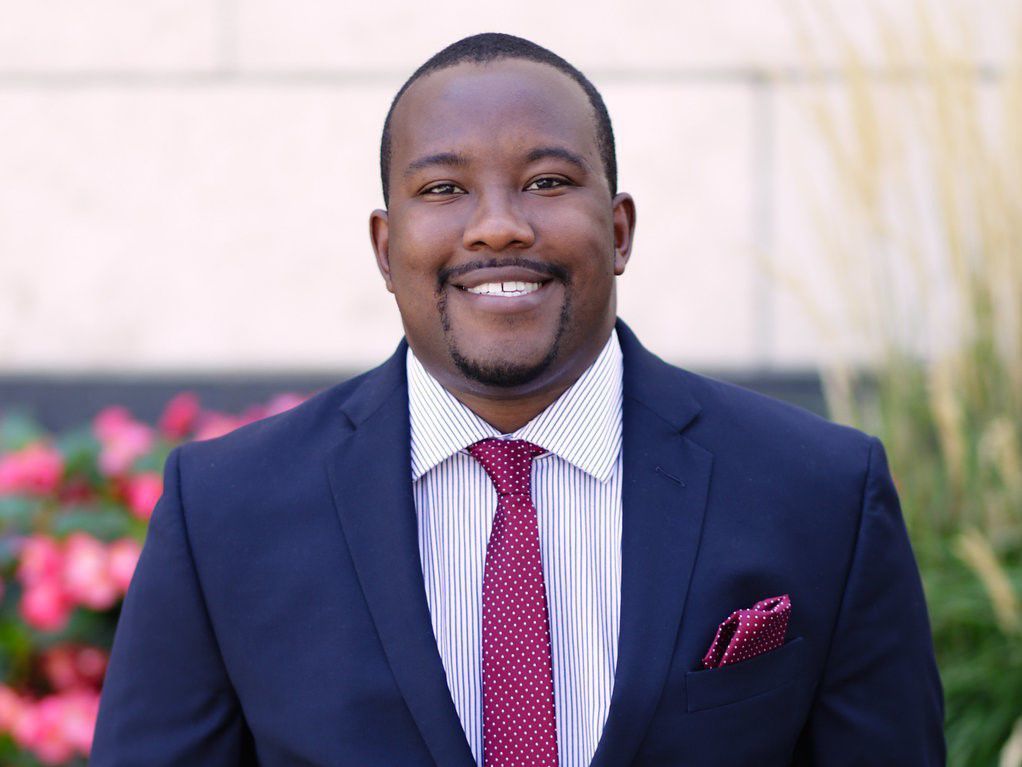
Colorado Parks and Wildlife Commissioner Murphy Robinson resigns
Marianne Goodland
marianne.goodland@coloradopolitics.com
Updated 3 hours ago
Murphy Robinson, who has served on the Colorado Parks and Wildlife Commission for just over a year, announced his resignation on Wednesday. In a statement, Gov. Jared Polis thanked Robinson, saying he is “incredibly grateful for Murphy’s service to the...
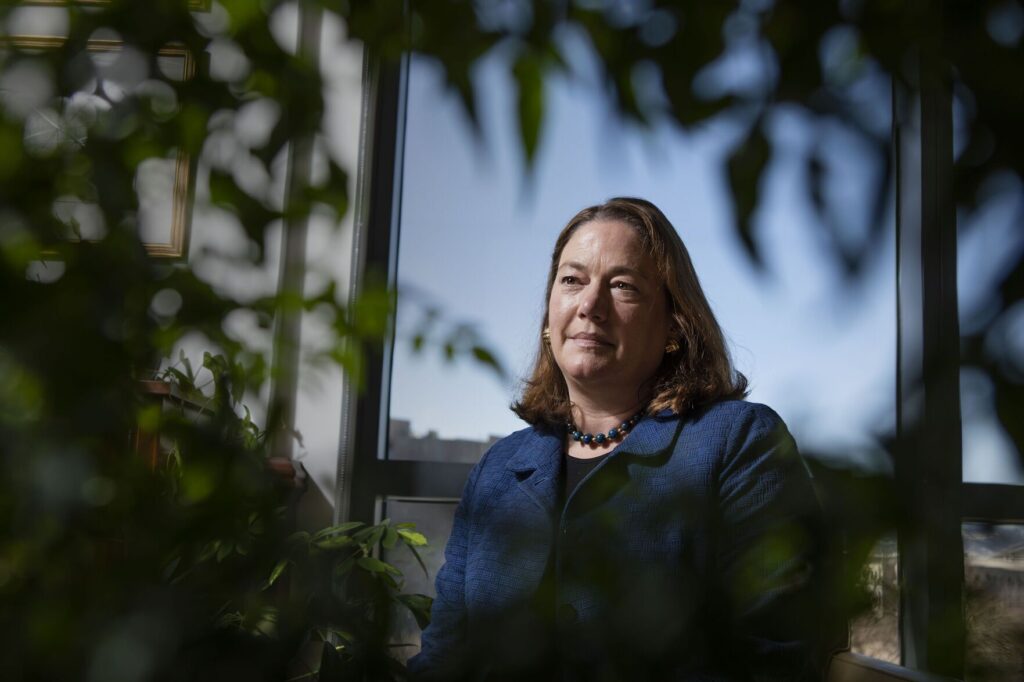
Colorado Supreme Court’s opinion output drops by two-thirds amid justice’s absence
Michael Karlik
michael.karlik@coloradopolitics.com
Updated 5 hours ago
The Colorado Supreme Court has released significantly fewer new opinions in recent months compared to the previous two years, even as the judicial branch insisted that a member’s open-ended absence is not causing delays. Justice Melissa Hart has been on...

Adams County officials call for resignation of county treasurer after ‘inappropriate behavior’
Kyla Pearce
kyla.pearce@gazette.com
Updated 5 hours ago
Adams County Commissioners requested the resignation of the county’s treasurer after multiple allegations of inappropriate behavior toward staff members. Treasurer Alex Villagran has declined to step down. An independent investigation by Employment Matters LLC Flynn Investigations Group found multiple allegations...

Aurora’s consent decree monitor reviews fatal pursuit crash, notes ‘inherent risk’ of police chases
Kyla Pearce
kyla.pearce@gazette.com
Updated 6 hours ago
Two people died in a crash that resulted from an Aurora police pursuit last week, which the city’s decree monitor is reviewing. The monitor said the incident underscores the “inherent risks” of pursuits. Meanwhile, the city police department said it...
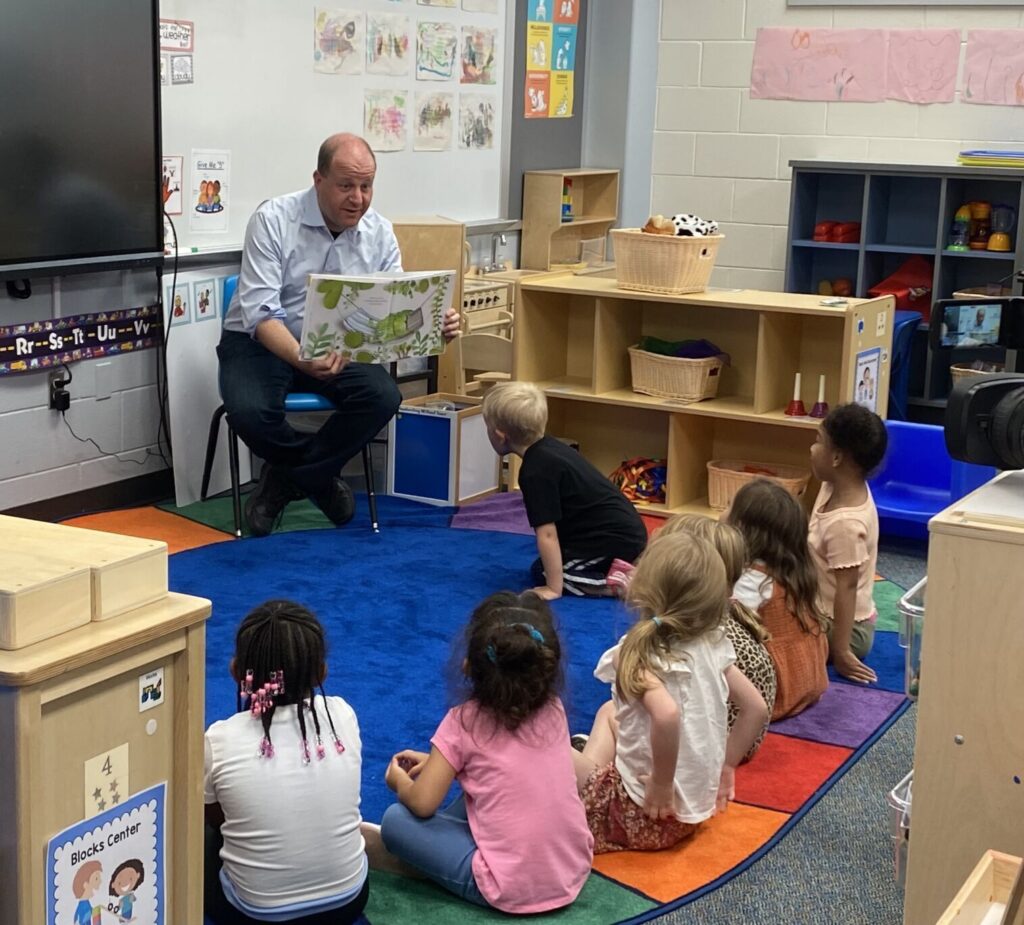
Colorado’s universal preschool enrollment begins for upcoming school year
Marissa Ventrelli
marissa.ventrelli@coloradopolitics.com
Updated 5 hours ago
Enrollment is now open for Colorado’s universal preschool program, which provides up to 15 hours of free education for four-year-old children across the state. The $344 million program has served nearly 90,000 children since its creation in 2023, the Governor’s...

Divided 10th Circuit rules bank customer must arbitrate discrimination-related claims
Michael Karlik
michael.karlik@coloradopolitics.com
Updated 5 hours ago
The Denver-based federal appeals court ruled on Monday that a mandatory arbitration clause in the fine print of a customer’s bank account agreement prohibited her from pursuing claims of racial discrimination in court. Jeanetta Vaughn filed suit against JPMorgan Chase...
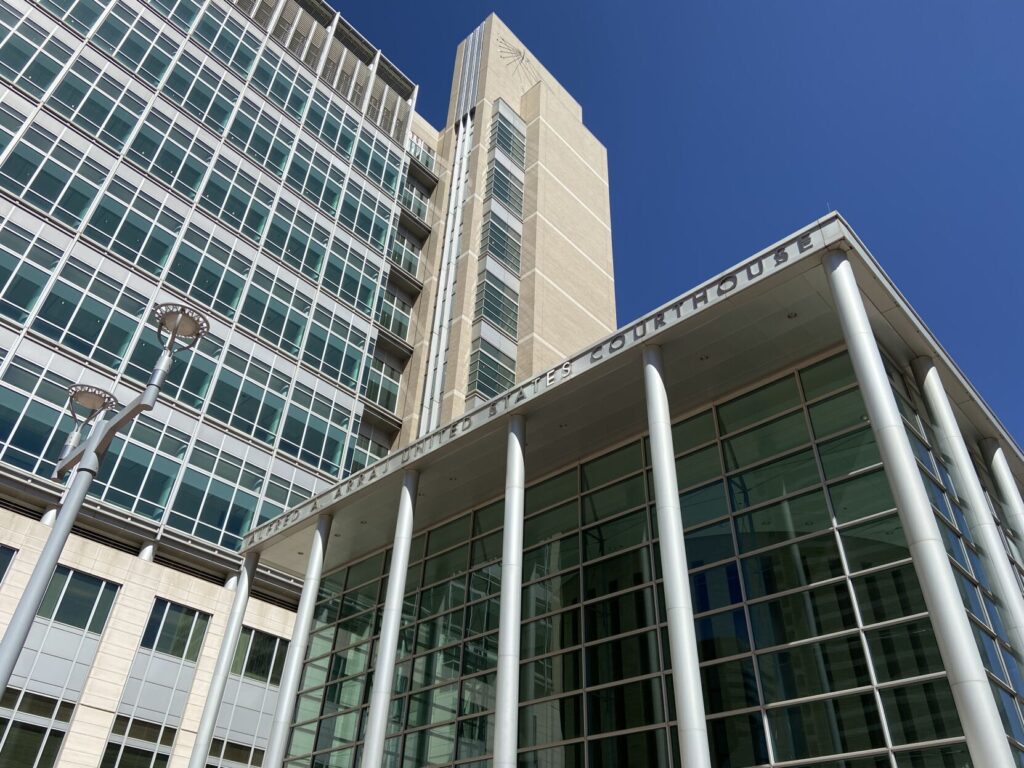
Colorado’s federal trial court denies admission to lawyer owing tens of thousands in dues, penalties
Michael Karlik
michael.karlik@coloradopolitics.com
Updated 7 hours ago
Colorado’s U.S. District Court declined last month to allow an attorney to practice before the court due to his failure to pay enrollment fees and penalties to another state’s bar association for years. The federal trial court requires attorneys to...
Douglas County businesses to pay fines for unreported thefts under proposed ordinance
Noah Festenstein
noah.festenstein@denvergazette.com
Updated 4 hours ago
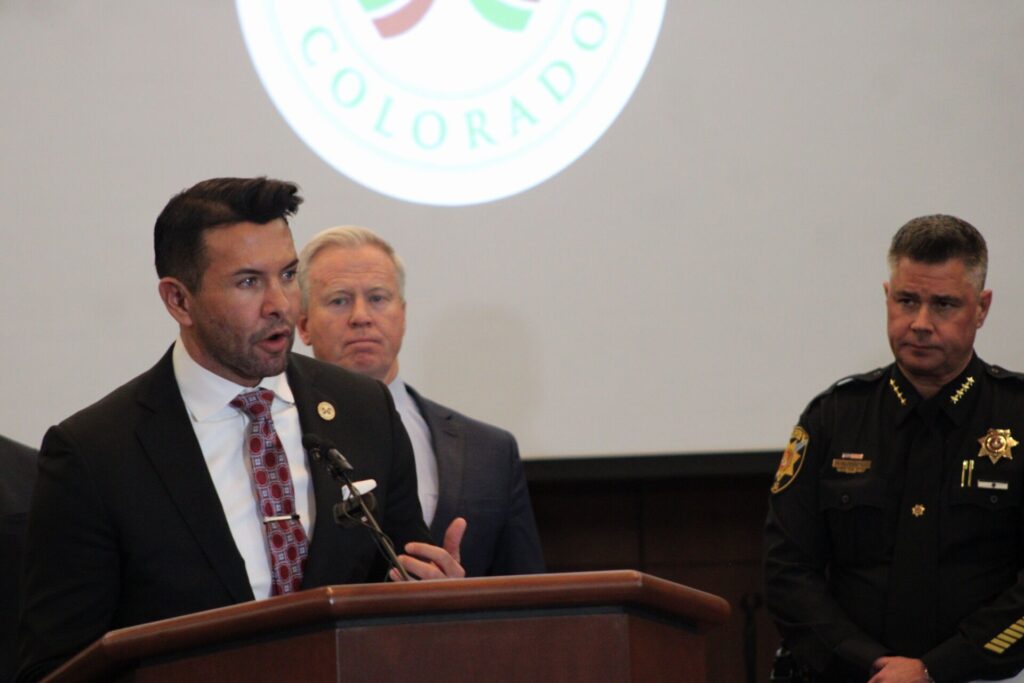
Douglas County commissioners on Tuesday advanced an ordinance aimed at curbing retail theft by penalizing businesses that refuse to report shoplifters to law enforcement. The proposal is notable in that it shifts the onus of responsibility to businesses. Officials said...

Federal judge labels appeal ‘frivolous,’ state Supreme Court to hold arguments | COURT CRAWL
Michael Karlik
michael.karlik@coloradopolitics.com
Updated 12 hours ago
Welcome to Court Crawl, Colorado Politics’ roundup of news from the third branch of government. A federal judge deemed a government defendant’s appeal “frivolous,” and the state Supreme Court will have an abbreviated oral argument schedule next week. Heard on...

Humane Colorado bids fond farewell to its CEO at Celebration of Compassionate Leadership | NONPROFIT REGISTER
Joanne Davidson Special to Colorado Politics
joanne-davidson-special-to-colorado-politics@coloradopolitics.com
Updated 14 hours ago
HUMANE COLORADO Denver News: Veterinarian Apryl Steele is not one to toot her own horn, so the general public might have no idea of the depth and scope of the role she has played in elevating the standard of care for companion animals and for expanding the socially...
PREV
PREVIOUS
Denver City Council’s first-ever virtual meeting derailed by technical issues
Although Denver City Council made history on Monday night when it conducted its first-ever virtual meeting due to the coronavirus outbreak, the new process hardly went according to plan. All 13 members were technically present, but the six in attendance via Zoom, a web conferencing platform, apparently went missing mid-meeting due to technical issues, […]

Labor department system failed to generate PINs for unemployment benefits
The state’s unemployment insurance database did not generate the personal identification numbers needed for claimants to request benefit payments, a glitch that affected an unknown number of the 81,000 claims filed since mid-March. “You kind of have two different entry points. One is by phone where the agent can go right into the database,” said […]