

Initiative #120, to ban late-term abortions, fails to make November ballot but has time to fix
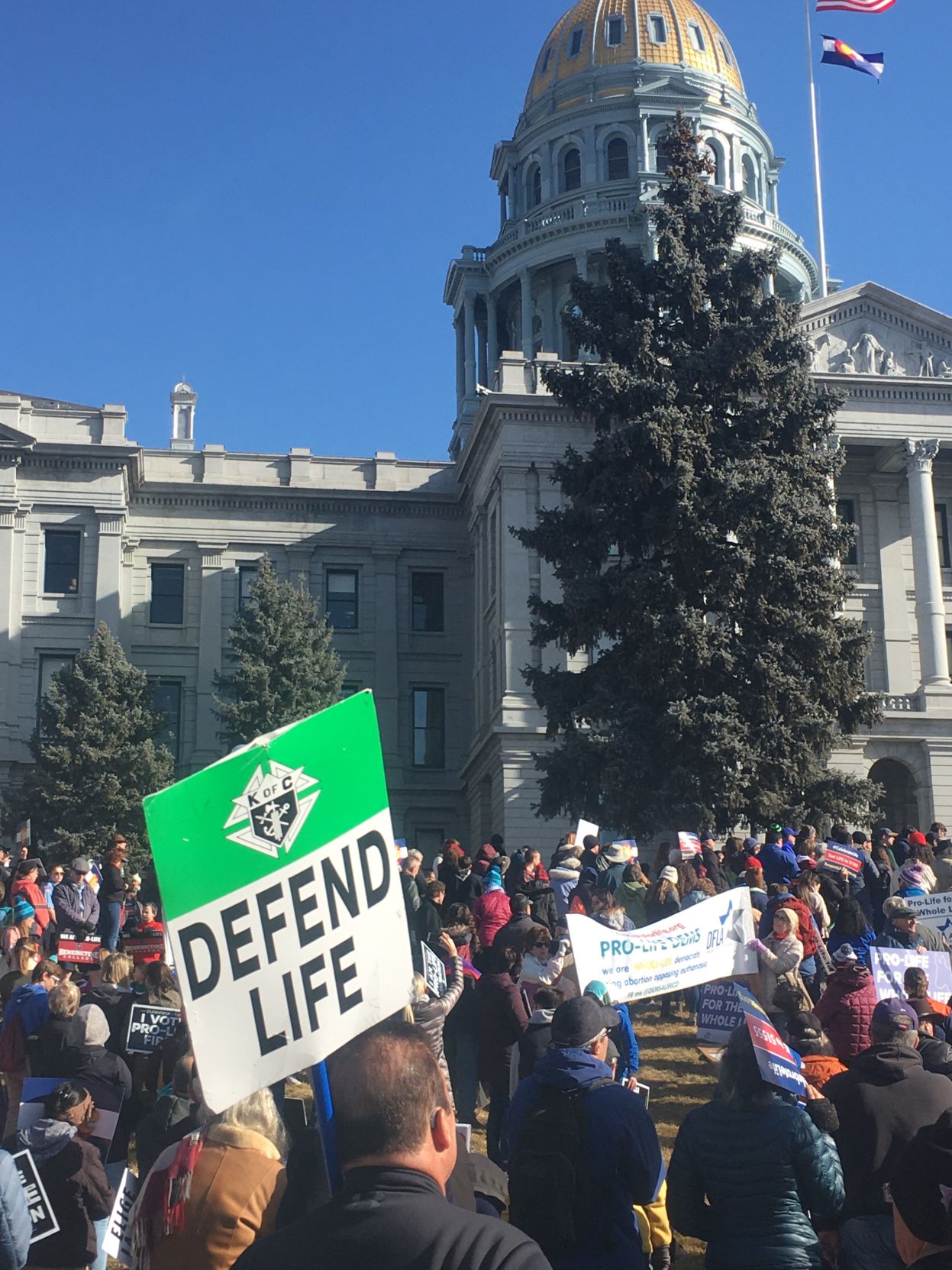
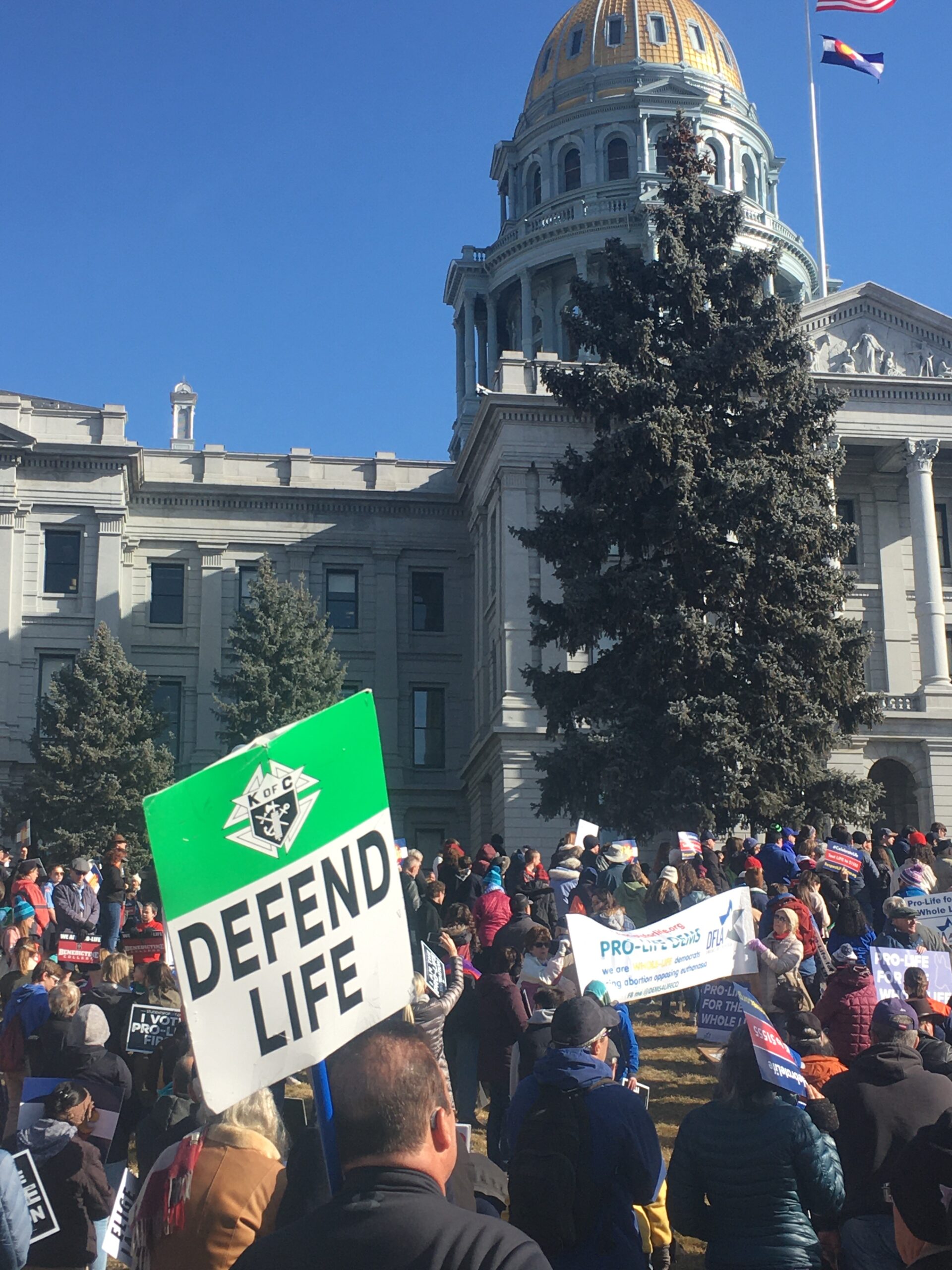
The secretary of state’s office announced late Friday that Initiative #120, which seeks to ban late-term abortions, fell about 10,000 valid signatures short of its goal.
But it’s not over yet. Under state law, proponents now have time to gather more signatures, and the Secretary of State’s office doesn’t check to see if the same people sign the second round.
The measure seeks to ban abortions performed after the “gestational age” of the fetus reaches 22 weeks. There is an exception if the life of the mother is in danger.
Proponents, known as “Due Date Too Late,” turned in 137,624 signatures on March 4. On average, those collecting signatures for ballot measures try to turn in at least 30% to 50% more signatures, to ensure they meet the requirement of 124,632 valid signatures.
The Secretary of State’s election division determined the verification level at 97.51%, which falls between 90% to 110% of the total number of valid signatures required. That triggered a line-by-line verification of all signatures.
After that verification, the elections division stated the ballot measure had 114,647 valid signatures, just under 10,000 short.
Proponents obtained a court order to delay the start of the time period for collecting those additional signatures, due to the COVID-19 pandemic. They can begin that task on April 12 and have until 3 p.m. on April 27 to gather those signatures.
However, if Gov. Jared Polis extends the stay at home order past April 11, the court order allows the proponents to postpone gathering signatures until the stay is lifted, according to attorney Suzanne Staiert, who is representing Due Date Too Late.
“Due Date Too Late” has said their volunteers are ready to gather those signatures. Spokeswoman Lauren Castillo said last month that there was “an incredible amount of momentum” in the last week and a half before the petitions were due, with more than 43,000 signatures collected in the last six days. She said that if the signatures are deemed insufficient, the volunteer circulators in every county can be mobilized during the cure period.
Colorado was the first state in the nation to decriminalize abortion in cases of rape, incest and for the health of the mother, back in 1967.
Initiative 120 is the seventh time in the past 14 years that anti-abortion advocates have tried to persuade Colorado voters to change state law on abortion.
In 2006, Initiative 80, which was also backed by the Catholic Church, got petitions approved but never turned in signatures. Two years later, the first of three ballot measures on personhood, which generally declared life began at the point of conception, was on the Colorado ballot. The 2008 measure failed on a 73.2% to 26.8% vote. In 2010, Amendment 62 lost 70.53% to 29.47%.
In 2012, another personhood initiative, number 46, turned in signatures but not enough and was declared insufficient.
In 2014, voters rejected the most recent personhood initiative, Amendment 67, on a vote of 64.87% to 35.13%.
The issues committee Coalition for Women and Children is the major funder for the measure, with donations of $10,000 from Donald Hood of Worldviews, Calling and Culture, a Christian education non-profit backed by LifeBridge Christian Center of Longmont and LifeChoice Pregnancy Center; and $5,000 from Jeff Coors of the conservative Coors family.

Colorado Parks and Wildlife Commissioner Murphy Robinson resigns
Marianne Goodland
marianne.goodland@coloradopolitics.com
Updated 2 hours ago
Murphy Robinson, who has served on the Colorado Parks and Wildlife Commission for just over a year, announced his resignation on Wednesday. In a statement, Gov. Jared Polis thanked Robinson, saying he is “incredibly grateful for Murphy’s service to the...

Colorado Supreme Court’s opinion output drops by two-thirds amid justice’s absence
Michael Karlik
michael.karlik@coloradopolitics.com
Updated 4 hours ago
The Colorado Supreme Court has released significantly fewer new opinions in recent months compared to the previous two years, even as the judicial branch insisted that a member’s open-ended absence is not causing delays. Justice Melissa Hart has been on...

Adams County officials call for resignation of county treasurer after ‘inappropriate behavior’
Kyla Pearce
kyla.pearce@gazette.com
Updated 4 hours ago
Adams County Commissioners requested the resignation of the county’s treasurer after multiple allegations of inappropriate behavior toward staff members. Treasurer Alex Villagran has declined to step down. An independent investigation by Employment Matters LLC Flynn Investigations Group found multiple allegations...

Aurora’s consent decree monitor reviews fatal pursuit crash, notes ‘inherent risk’ of police chases
Kyla Pearce
kyla.pearce@gazette.com
Updated 5 hours ago
Two people died in a crash that resulted from an Aurora police pursuit last week, which the city’s decree monitor is reviewing. The monitor said the incident underscores the “inherent risks” of pursuits. Meanwhile, the city police department said it...

Colorado’s universal preschool enrollment begins for upcoming school year
Marissa Ventrelli
marissa.ventrelli@coloradopolitics.com
Updated 4 hours ago
Enrollment is now open for Colorado’s universal preschool program, which provides up to 15 hours of free education for four-year-old children across the state. The $344 million program has served nearly 90,000 children since its creation in 2023, the Governor’s...

Divided 10th Circuit rules bank customer must arbitrate discrimination-related claims
Michael Karlik
michael.karlik@coloradopolitics.com
Updated 4 hours ago
The Denver-based federal appeals court ruled on Monday that a mandatory arbitration clause in the fine print of a customer’s bank account agreement prohibited her from pursuing claims of racial discrimination in court. Jeanetta Vaughn filed suit against JPMorgan Chase...

Colorado’s federal trial court denies admission to lawyer owing tens of thousands in dues, penalties
Michael Karlik
michael.karlik@coloradopolitics.com
Updated 6 hours ago
Colorado’s U.S. District Court declined last month to allow an attorney to practice before the court due to his failure to pay enrollment fees and penalties to another state’s bar association for years. The federal trial court requires attorneys to...
Douglas County businesses to pay fines for unreported thefts under proposed ordinance
Noah Festenstein
noah.festenstein@denvergazette.com
Updated 3 hours ago
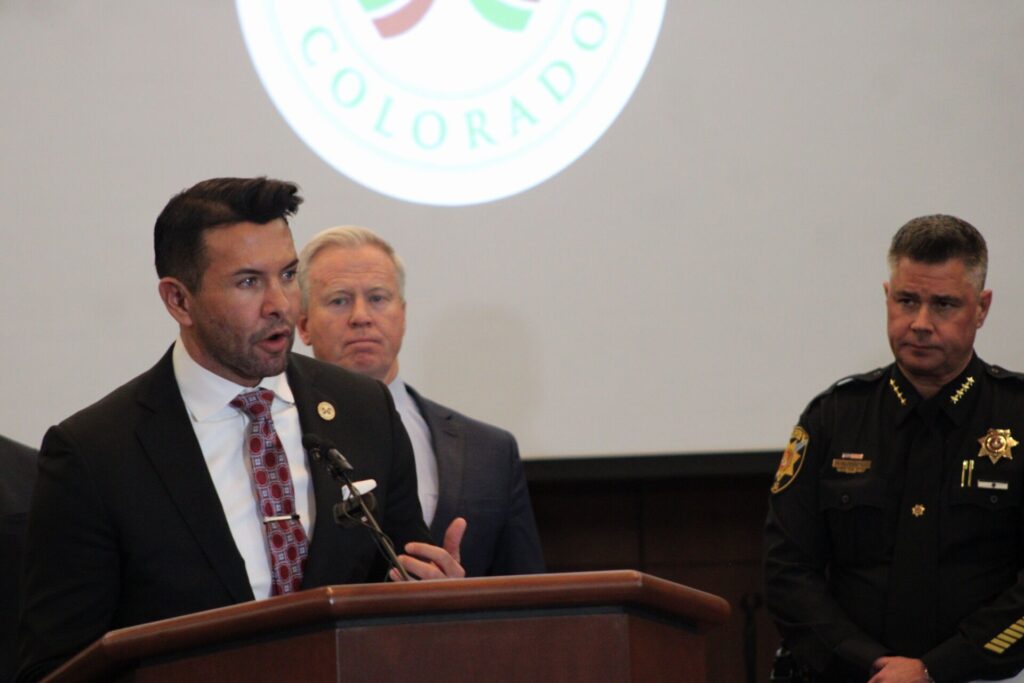
Douglas County commissioners on Tuesday advanced an ordinance aimed at curbing retail theft by penalizing businesses that refuse to report shoplifters to law enforcement. The proposal is notable in that it shifts the onus of responsibility to businesses. Officials said...

Federal judge labels appeal ‘frivolous,’ state Supreme Court to hold arguments | COURT CRAWL
Michael Karlik
michael.karlik@coloradopolitics.com
Updated 11 hours ago
Welcome to Court Crawl, Colorado Politics’ roundup of news from the third branch of government. A federal judge deemed a government defendant’s appeal “frivolous,” and the state Supreme Court will have an abbreviated oral argument schedule next week. Heard on...

Humane Colorado bids fond farewell to its CEO at Celebration of Compassionate Leadership | NONPROFIT REGISTER
Joanne Davidson Special to Colorado Politics
joanne-davidson-special-to-colorado-politics@coloradopolitics.com
Updated 13 hours ago
HUMANE COLORADO Denver News: Veterinarian Apryl Steele is not one to toot her own horn, so the general public might have no idea of the depth and scope of the role she has played in elevating the standard of care for companion animals and for expanding the socially...
PREV
PREVIOUS

State public defender, inmate advocates seek 'unified' COVID-19 strategy in jails and courts
The Colorado State Public Defender’s Office and inmate advocates on Friday petitioned the state Supreme Court to create a “swift, unified and comprehensive response” to reduce the number of incarcerated people in Colorado and to bolster safety in courthouses. The action came in the form of two emergency petitions seeking uniform policies to encourage judges […]
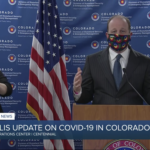
Gov. Jared Polis asks Coloradans to start wearing cloth masks
Updated with seven new nursing and rehab facilities with outbreaks, added 4/4/20. Gov. Jared Polis announced Friday that he’s asking Coloradans to start wearing cloth, non-medical masks for any essential trip outside the home, to the grocery store or for any other purpose, to further help prevent the spread of the novel coronavirus, COVID-19. Combining […]