

Title Board to consider 11 proposals related to economic impacts, enterprises, preschool
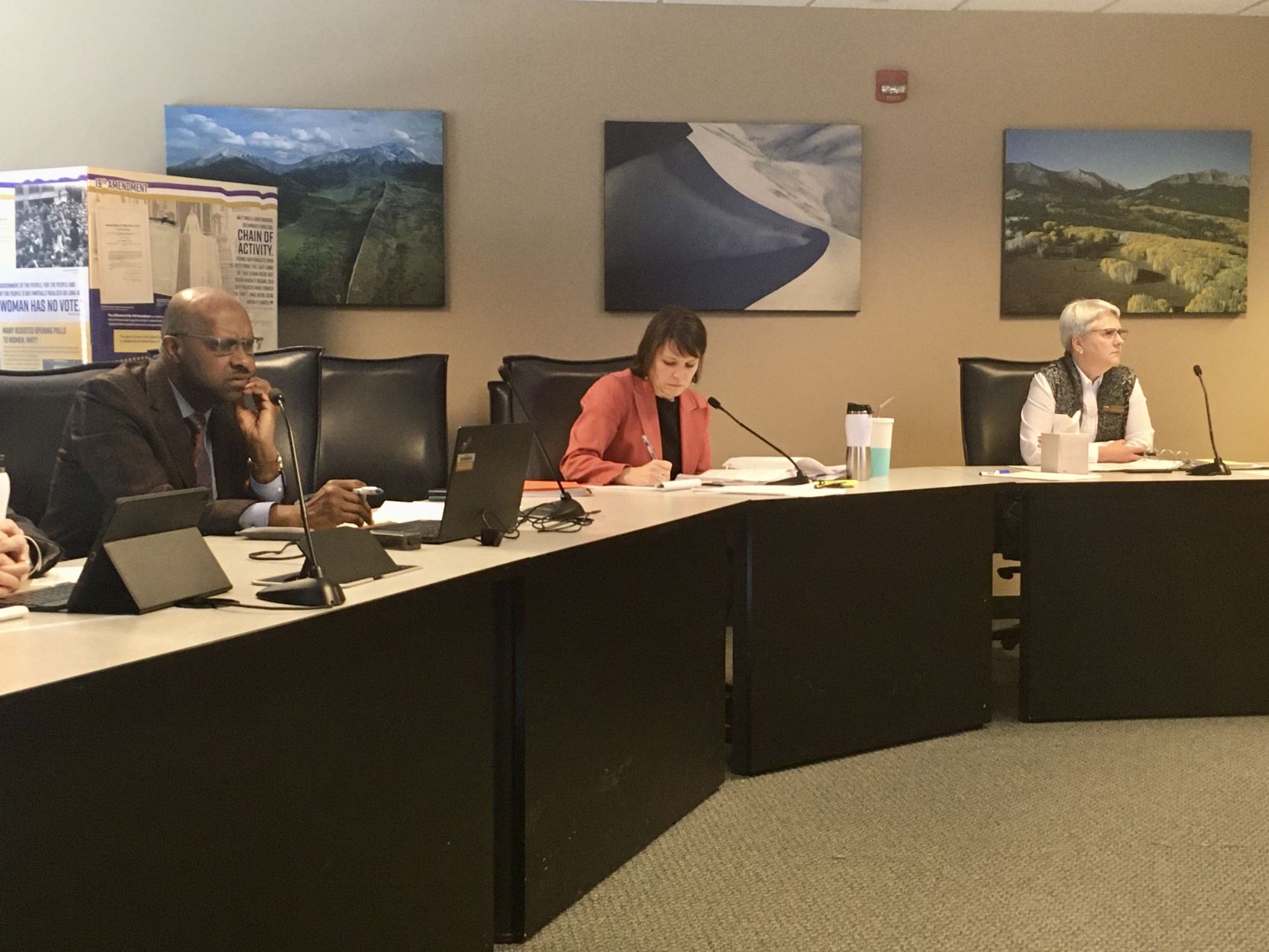
On Wednesday, the Title Board will consider whether to set ballot titles for 11 proposed initiatives, which include proposals to dictate how economic impacts are calculated, funnel cigarette and tobacco tax revenue to preschools, and guarantee consumers’ access to natural gas.
The three-member panel will meet remotely due to distancing requirements during the COVID-19 pandemic. The board must determine whether an initiative adheres to a single subject and, if so, set a title that appears before voters that is brief and explains the central features of the measure. Several of the policy ideas on the docket have previously come before the board, with proponents making minor alterations to the text before submitting new variants.
Prohibit Restrictions on the Utilization of Natural Gas (Initiatives 284 & 297): These measures would prohibit state and local laws from restricting the installation of natural gas in homes and businesses during new construction or renovation. Although the initiative seeks to preserve “consumer choice,” there would, however, be a safety exemption. The designated representatives are Greg Kishiyama and Keith Venable for 284, and Kishiyama and Ned Southwick for 297, residence unknown for all.
Economic Impact Statement Requirement Pertaining to Ballot Titles (Initiatives 285, 298 & 304): These measures require that an economic impact statement precede ballot titles and include the effect of ballot initiatives on state employment, gross domestic product and revenues. Interested parties must submit their own analyses, which an economist must complete and an “expert” must validate. The state’s chief economist would then create a summary of all submitted impact reports, which anyone could challenge in state court. The designated representatives are Kathy Turley and Emily Martini for 285, and Martini and Kishiyama for 298 and 304, residence unknown for all.
Economic Impact Statements for Initiated Measures (Initiative 286): This measure would define the procedure for creating a required economic impact statement for every initiated or referred ballot measure. A third-party contractor chosen by state Senate leaders would calculate the proposals’ effect on employment, on revenue and gross domestic product. The economic impact statement would precede ballot titles and there would no longer be an appeal procedure for the findings. The designated representatives are Turley and Martini.
Tobacco Tax Revenue for New State Preschool Program (Initiative 293): This measure would amend the constitution to divert $100 million annually from tobacco and cigarette taxes to fund preschool programs. Areas that would no longer receive funding from the tax revenue would include the nurse home visitor program, AIDS and HIV prevention, youth services, autism treatment, dental loan repayment, and the Colorado Health Service Corps. There are no designated representatives listed.
Voter Approval Requirement for Creation of Certain Fee-Based Enterprises (Initiatives 294-296): These measures would require that an enterprise created in 2021 or later have voter approval if it meets certain projected revenue thresholds – either $50 million or $100 million – in its first three to five years. Enterprises are government-owned businesses that receive less than 10% of their money from public sources, and depend on fees and surcharges. Such entities are exempt from the revenue limitations of the Taxpayer Bill of Rights. These proposals are virtually identical to three other initiatives that have already received ballot titles. The designated representatives are Michael Fields of Parker and Lindsey Singer of Highlands Ranch.
Petitions (Initiative 299): This measure is largely identical to another ballot initiative, 245, that objectors are challenging in the state Supreme Court. Both versions would create a right to ballot initiative in almost every division of state and local government, restrict the General Assembly’s ability to shield laws from referendum, and redesign key ballot initiative procedures, among other changes. Initiative 245 eliminates a time requirement for filing comments on an initiative that will appear on the ballot and changes another requirement for curing invalid petition signatures. The designated representatives are Donald L. “Chip” Creager III of Denver and Mike Spaulding, residence unknown.


Trump switches endorsement back to Jeff Hurd, says Hope Scheppelman is ending run in Colorado’s 3rd CD
Ernest Luning
ernest.luning@coloradopolitics.com
Updated 6 minutes ago
In a surprise twist, President Donald Trump on Friday said he was again endorsing Republican U.S. Rep. Jeff Hurd after pulling his support from the Grand Junction Republican last month and instead backing Hurd’s primary challenger in Colorado’s 3rd Congressional...
Highway 115 fire blows up, road closed south of Colorado Springs
Nick Smith
nick-smith@coloradopolitics.com
Updated 15 hours ago
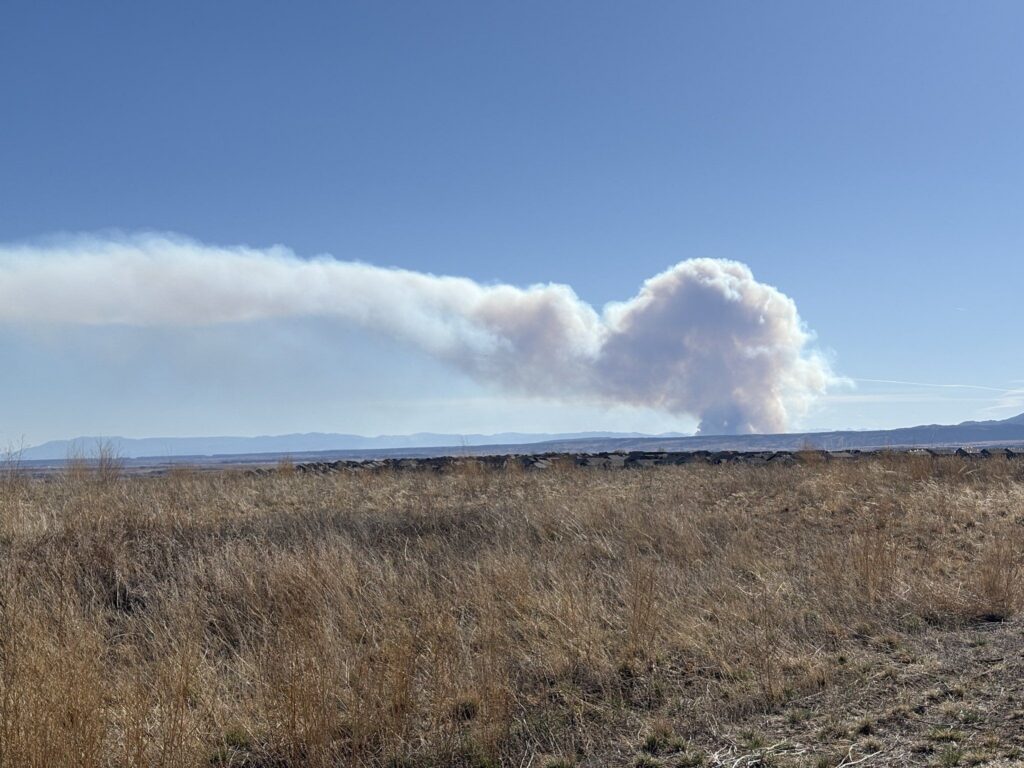
A fast-moving fire burning along Colorado 115 south of Colorado Springs blew the containment line Thursday, spreading farther east onto Fort Carson and scorching nearly 700 acres, officials said. The blaze was fully uncontained as of late Thursday afternoon, officials...
Public figures have limited path to sue over accusations of criminality, says appeals court
Michael Karlik
michael.karlik@coloradopolitics.com
Updated 2 hours ago
Colorado’s second-highest court ruled last week that a public figure cannot sue for defamation solely because a person publicly accuses them of committing a crime, as the statement may be constitutionally protected opinion. A three-judge Court of Appeals panel narrowed...
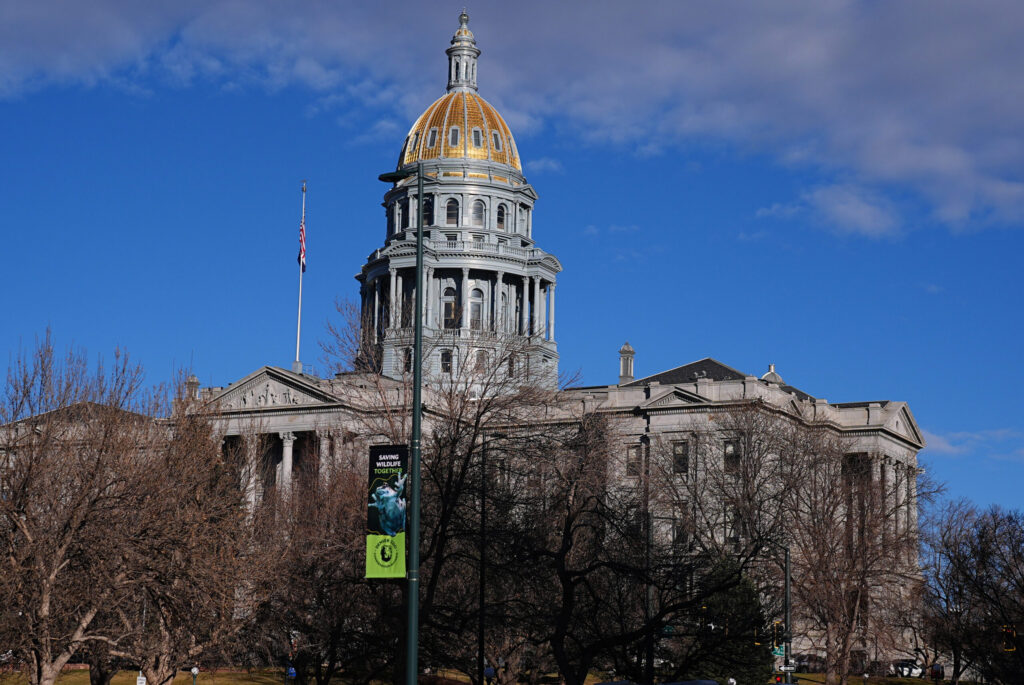
Proposed data center regulation in Colorado draws critics, backers
Scott Weiser
scott.weiser@gazette.com
Updated 17 hours ago
A packed marathon hearing at the state Capitol in Colorado highlighted the sharp divide between two competing approaches to the effects of data centers, one of America’s fastest-growing technology sectors. Data centers are the physical facilities that host the servers,...

Conservation Colorado proposes measures aimed at oil and gas companies
Marissa Ventrelli
marissa.ventrelli@coloradopolitics.com
Updated 19 hours ago
The environmental group Conservation Colorado has introduced four ballot measures it says are in response to an initiative that aims to enshrine Colorado businesses’ and consumers’ right to purchase and sell natural gas in the state’s Constitution. Filed with the...

Colorado revenue forecast worsens, pushing budget shortfall to nearly $1.5B
Marianne Goodland
marianne.goodland@coloradopolitics.com
Updated 42 minutes ago
The latest revenue forecasts from economists at the state Capitol show that the state’s budget predicament has worsened — by hundreds of millions of dollars more. That, in turn, means cuts programs and services in next year’s fiscal budget will...
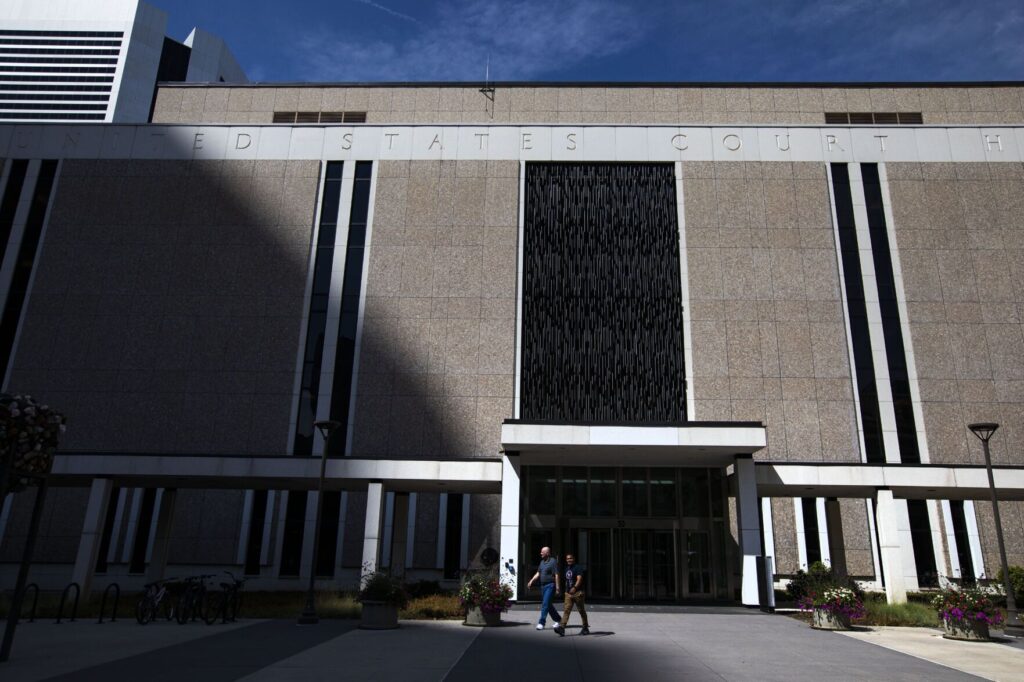
Federal judge to consider sanctioning ex-Colorado judicial discipline director
Michael Karlik
michael.karlik@coloradopolitics.com
Updated 17 hours ago
A federal judge ordered Colorado’s former head of judicial discipline on Wednesday to explain why she should not sanction him for making inaccurate statements about the defendants in his lawsuit against the Colorado Supreme Court and related entities. U.S. District...
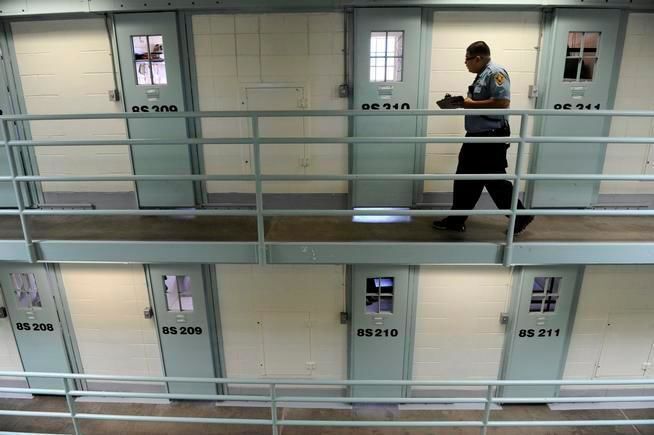
With jails overcrowding, Gov. Jared Polis asks for new prisons as lawmakers face budget shortfall
Marianne Goodland
marianne.goodland@coloradopolitics.com
Updated 44 minutes ago
The Polis administration is asking for hundreds of millions of dollars to expand the state’s prison system, just as Colorado’s legislators are bracing for a worsening fiscal outlook. The request sets up a clash over priorities at a time when...
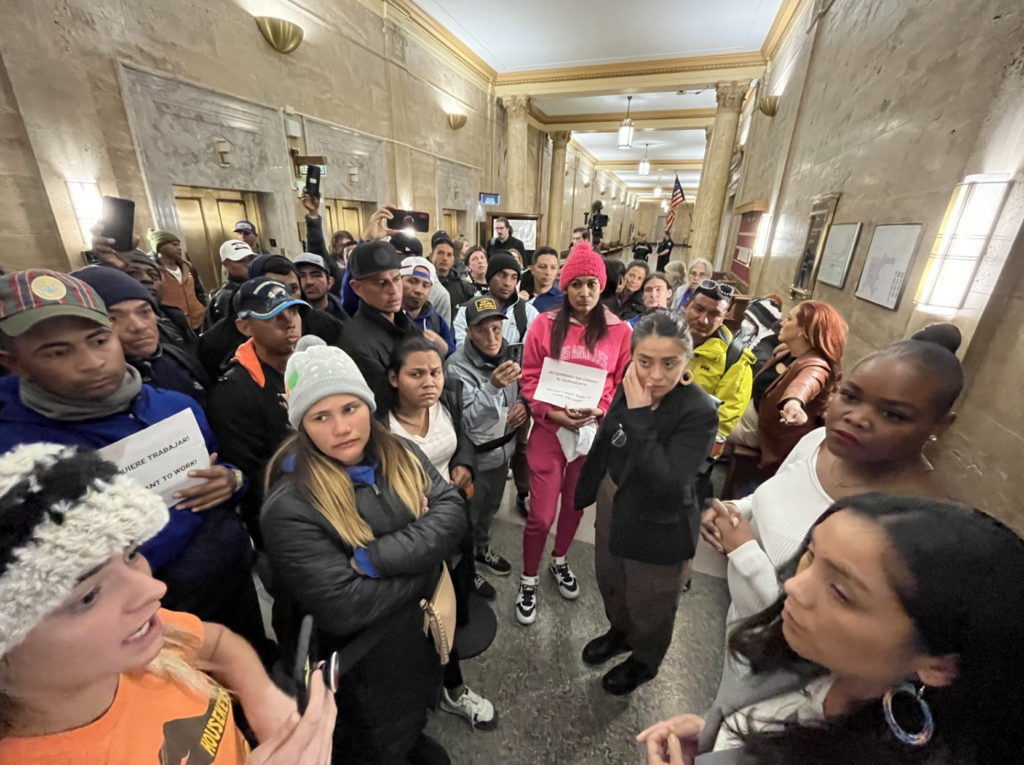
Costs explode for Colorado program covering pregnant women and children living in the U.S. illegally
Marianne Goodland
marianne.goodland@coloradopolitics.com
Updated 1 day ago
A state program providing health care to pregnant women and children living in the country illegally is costing far more than lawmakers expected, with expenses nearly tripling in just a year and threatening to squeeze Colorado’s budget amid a nearly...

Costs explode for Colorado program covering pregnant women and children living in the U.S. illegally
Marianne Goodland
marianne.goodland@coloradopolitics.com
Updated 2 days ago
A state program providing health care to pregnant women and children living in the country illegally is costing far more than lawmakers expected, with expenses nearly tripling in just a year and threatening to squeeze Colorado’s budget amid a $1...
PREV
PREVIOUS
Colorado General Assembly gavels in, gavels out
Senate President Leroy Garcia of Pueblo presided over a chamber Monday morning where something happened that he said has never happened before in state history: a lack of a quorum to conduct its business. Out of the 35 members, only 13 showed up, but that was by design. The lack of a quorum meant Garcia […]
Q&A with John Gates | Greeley's public safety-minded mayor
John Gates has seen a lot of changes during his 62 years in his native Greeley. For the retired cop, nowadays his city’s mayor, nothing better illustrates the contrast between old and new in his hometown than his choice of a day job and second career with Greeley public schools. “I serve as chief of […]