

OUT WEST ROUNDUP | OKC bombing’s 25th anniversary scaled back; bankers see economy slowing

OKLAHOMA
Museum scales back 25th anniversary of OKC bombing
OKLAHOMA CITY – The Oklahoma City National Memorial and Museum is planning to offer a recorded, one-hour television program in place of a live ceremony to mark the 25th anniversary of the Oklahoma City bombing due to concerns about the spread of the coronavirus.
The program will be offered to television stations statewide for broadcast on April 19 in place of a live ceremony at the museum, museum executive director Kari Watkins said March 19.
The program is to include the traditional reading of the names of the 168 people killed in the 1995 bombing and 168 seconds of silence.
The museum announced March 21 it would close indefinitely and that the anniversary ceremony would be altered because of the virus, citing recommendations that gatherings be limited to no more than 10 people.
Planned performances by the Oklahoma City Repertory Theatre, the Canterbury Voices of Oklahoma City, and an Oklahoma City Ballet performance of a ballet choreographed to songs by country singer Vince Gill, have all been postponed.
Legislature approves open meeting changes amid outbreak
OKLAHOMA CITY – The Oklahoma Legislature approved sweeping changes to the state’s Open Meeting Act on March 17 to allow government bodies to meet via teleconference, a move that was in response to the coronavirus outbreak and alarmed open government advocates who worried the changes were too extreme.
Shortly after the Senate approved the bill, senators and their staff were asked to self-quarantine in their offices after learning a Senate staffer had tested positive for the coronavirus.
The bill is aimed at allowing government to continue to function while complying with recommendations of health officials for social distancing to prevent further spread of the virus, said Sen. Brent Howard, a Republican from Altus who wrote the Senate bill.
After open government advocates raised concerns the changes would apply for a full year, the House passed a separate bill that would allow the changes through Nov. 15 and would end if the current state of emergency is lifted.
The House bill also included a requirement that meetings be recorded, a change open government advocates had sought.
Gov. Kevin Stitt declared a statewide emergency March 15, and schools were shut down the next day until April 6. Tribal leaders have also closed casinos. Officials with the Remington Park horse track in Oklahoma City said it was closing to the general public and races would be held without spectators.
NEBRASKA
Survey suggests viral pandemic to slow the economy
OMAHA – Bankers in rural parts of 10 Plains and Western states expect the economy to slow down over the next few months as the nation deals with the coronavirus outbreak, according to a new survey released March 19.
The overall index for the region fell to 35.5 in March from February’s healthy 51.6 reading. Any score below 50 suggests a shrinking economy, while a score above 50 suggests a growing economy, organizers say.
Creighton University economist Ernie Goss said 61 percent of the bankers surveyed expect the measures being taken to fight the coronavirus to lead to a recession. State officials are limiting the size of public gatherings to slow the spread of the disease, prompting some businesses to close, and many restaurants have been forced to close their dining rooms and only handle take-out or delivery orders.
The survey’s confidence index, which measures how bankers feel about the economy over the next six months, fell to 28.3 in March from February’s 58.1.
The borrowing index rose to 66.1 in March from February’s 50 as more farmers took out loans.
The employment index slipped to 48.3 in March from 57.8 in February.
Bankers from Colorado, Illinois, Iowa, Kansas, Minnesota, Missouri, Nebraska, North Dakota, South Dakota and Wyoming were surveyed.
SOUTH DAKOTA
Fraud case in federal court throws harsh spotlight on organic grain
A $71 million fraud case in South Dakota is the latest blow to the organic supply chain.
Federal prosecutors in February accused Kent Duane Anderson, a Rapid City, S.D., businessman, with passing off conventional grain and seed as organic for more than five years.
Anderson pleaded not guilty to charges of wire fraud and money laundering.
The case is the second large-scale organic fraud case in the Midwest to attract federal prosecution in less than a year, and comes amid ongoing concern over fraudulent organic imports.
The South Dakota case is frustrating but unfortunately not a surprise, said Erin Heitkamp, a vice president at Pipeline Foods, a Minneapolis-based organic supply-chain company.
Prosecutors said Anderson bought nonorganic grain and seed from Cargill and Archer Daniels Midland, shipped it to a storage facility just east of Bismarck, N.D., labeled it as organic, and sold it to organic customers.
He turned a profit of about $25 million on the fake organic sales between 2012 and 2017.
Growing truly organic grain is arduous. Most synthetic pesticides and herbicides are forbidden, so farmers must alter the ways they fight weeds and bugs and they must rotate crops more often. For those reasons, organic grain and seed sell for significantly higher prices than conventional grain and seed.
The charges against Anderson allege extravagant personal spending from the proceeds of the fraud. Anderson bought a custom 86-foot yacht from Italy for $8 million, a $2.4 million dollar home in Florida, multiple Range Rovers and $400,000 in jewelry, much of it purchased at a shop in the U.S. Virgin Islands.
A representative from the Global Organic Alliance could not be reached for comment.
The buyers of Anderson’s fake organic grain are not identified in the charging documents.
Organic fraud can escape notice because regulatory oversight hasn’t kept up with the growth of the industry, said Heitkamp. U.S. organic sales were $48 billion in 2018.
NEW MEXICO
Oil companies cut Permian Basin presence amid virus, prices
CARLSBAD – Oil and gas companies have begun reducing their operations in the Permian Basin as the spread of the new coronavirus slows global energy demands and adds to the drop in the price of oil.
The Houston-based Apache Corporation recently announced it would pull all its oil and gas rigs out of the Permian to save on short-term spending, the Carlsbad Current-Argus reports.
The company planned to reduce its 2020 capital investment by almost $1 billion.
In the coming weeks, the company plans to reduce its Permian rig count to zero, read a March 12 news release, to limit its exposure to short-cycle oil projects.
Chief Executive Officer John Christmann said the reductions were needed during the market’s struggles. Apache must remain ready to address further volatility in the coming months, he said.
Meanwhile, Pioneer Natural Resources, which operates mostly in the Delaware Basin on the western side of the Permian, and is one of the largest acreage holders in the region, also announced a significant cut in operations.
The company’s rig count will be cut from 22 to 11 while completion crews will be reduced from six to two or three, the company said in a statement.
Robert McEntyre, a spokesperson for the New Mexico Oil and Gas Association, said the state’s industry was well-positioned to emerge from the financial crisis a leader in energy production.
But until the virus is contained and the price war between Saudi Arabia and Russia is resolved, McEntyre said the industry faced uncertainty.


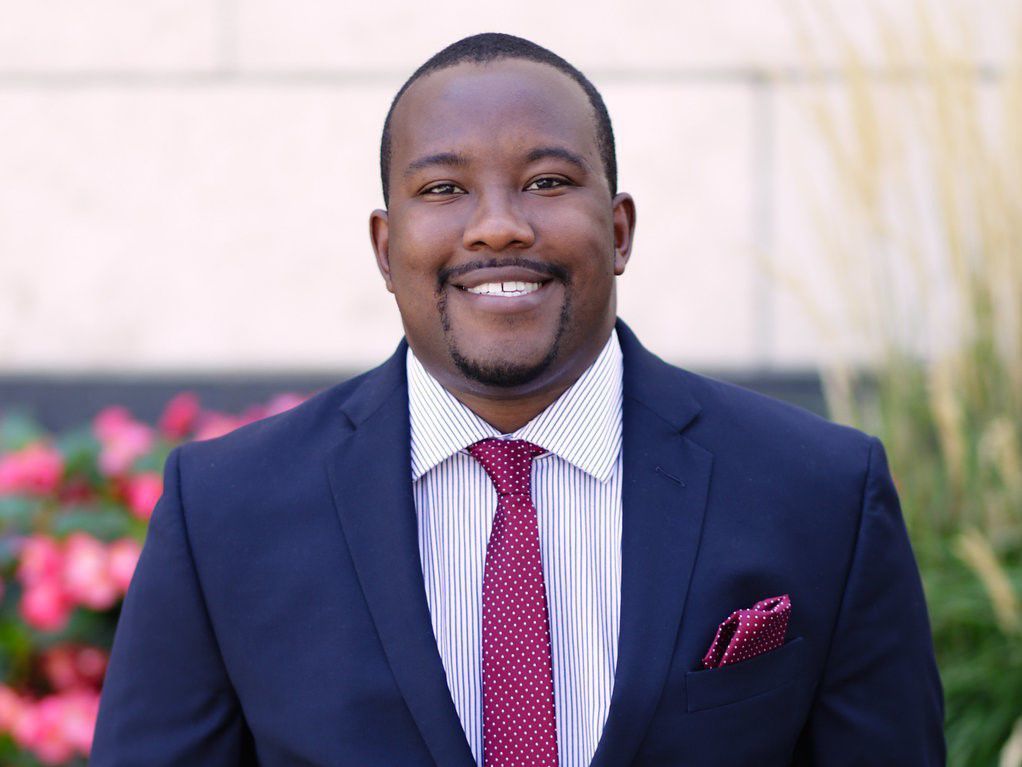
Colorado Parks and Wildlife Commissioner Murphy Robinson resigns
Marianne Goodland
marianne.goodland@coloradopolitics.com
Updated 9 hours ago
Murphy Robinson, who has served on the Colorado Parks and Wildlife Commission for just over a year, announced his resignation on Wednesday. In a statement, Gov. Jared Polis thanked Robinson, saying he is “incredibly grateful for Murphy’s service to the...

Colorado Supreme Court’s opinion output drops by two-thirds amid justice’s absence
Michael Karlik
michael.karlik@coloradopolitics.com
Updated 11 hours ago
The Colorado Supreme Court has released significantly fewer new opinions in recent months compared to the previous two years, even as the judicial branch insisted that a member’s open-ended absence is not causing delays. Justice Melissa Hart has been on...
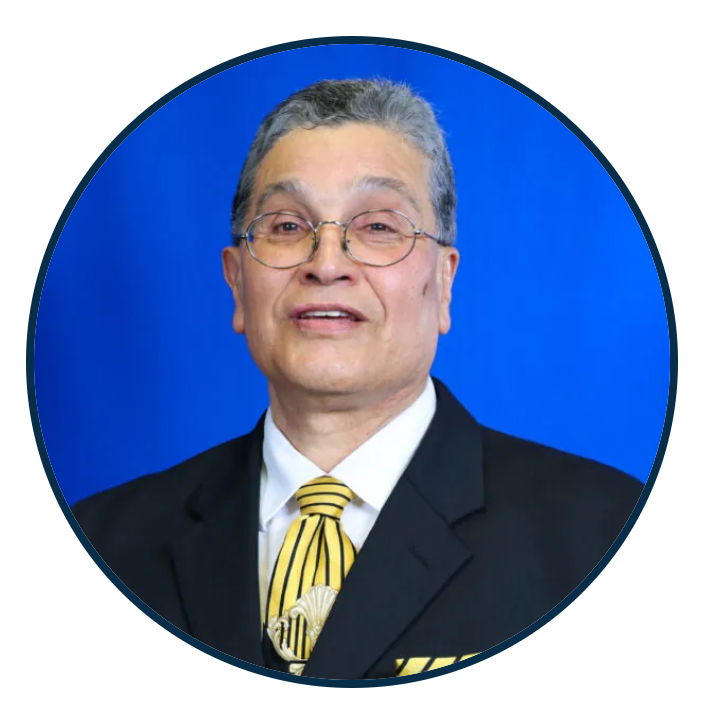
Adams County officials call for resignation of county treasurer after ‘inappropriate behavior’
Kyla Pearce
kyla.pearce@gazette.com
Updated 11 hours ago
Adams County Commissioners requested the resignation of the county’s treasurer after multiple allegations of inappropriate behavior toward staff members. Treasurer Alex Villagran has declined to step down. An independent investigation by Employment Matters LLC Flynn Investigations Group found multiple allegations...

Aurora’s consent decree monitor reviews fatal pursuit crash, notes ‘inherent risk’ of police chases
Kyla Pearce
kyla.pearce@gazette.com
Updated 12 hours ago
Two people died in a crash that resulted from an Aurora police pursuit last week, which the city’s decree monitor is reviewing. The monitor said the incident underscores the “inherent risks” of pursuits. Meanwhile, the city police department said it...

Colorado’s universal preschool enrollment begins for upcoming school year
Marissa Ventrelli
marissa.ventrelli@coloradopolitics.com
Updated 11 hours ago
Enrollment is now open for Colorado’s universal preschool program, which provides up to 15 hours of free education for four-year-old children across the state. The $344 million program has served nearly 90,000 children since its creation in 2023, the Governor’s...

Divided 10th Circuit rules bank customer must arbitrate discrimination-related claims
Michael Karlik
michael.karlik@coloradopolitics.com
Updated 11 hours ago
The Denver-based federal appeals court ruled on Monday that a mandatory arbitration clause in the fine print of a customer’s bank account agreement prohibited her from pursuing claims of racial discrimination in court. Jeanetta Vaughn filed suit against JPMorgan Chase...

Colorado’s federal trial court denies admission to lawyer owing tens of thousands in dues, penalties
Michael Karlik
michael.karlik@coloradopolitics.com
Updated 12 hours ago
Colorado’s U.S. District Court declined last month to allow an attorney to practice before the court due to his failure to pay enrollment fees and penalties to another state’s bar association for years. The federal trial court requires attorneys to...

Douglas County businesses to pay fines for unreported thefts under proposed ordinance
Noah Festenstein
noah.festenstein@denvergazette.com
Updated 10 hours ago
Douglas County commissioners on Tuesday advanced an ordinance aimed at curbing retail theft by penalizing businesses that refuse to report shoplifters to law enforcement. The proposal is notable in that it shifts the onus of responsibility to businesses. Officials said...

Federal judge labels appeal ‘frivolous,’ state Supreme Court to hold arguments | COURT CRAWL
Michael Karlik
michael.karlik@coloradopolitics.com
Updated 17 hours ago
Welcome to Court Crawl, Colorado Politics’ roundup of news from the third branch of government. A federal judge deemed a government defendant’s appeal “frivolous,” and the state Supreme Court will have an abbreviated oral argument schedule next week. Heard on...

Humane Colorado bids fond farewell to its CEO at Celebration of Compassionate Leadership | NONPROFIT REGISTER
Joanne Davidson Special to Colorado Politics
joanne-davidson-special-to-colorado-politics@coloradopolitics.com
Updated 20 hours ago
HUMANE COLORADO Denver News: Veterinarian Apryl Steele is not one to toot her own horn, so the general public might have no idea of the depth and scope of the role she has played in elevating the standard of care for companion animals and for expanding the socially...