

‘We will get through this’: Bennet hails passage of coronavirus rescue package
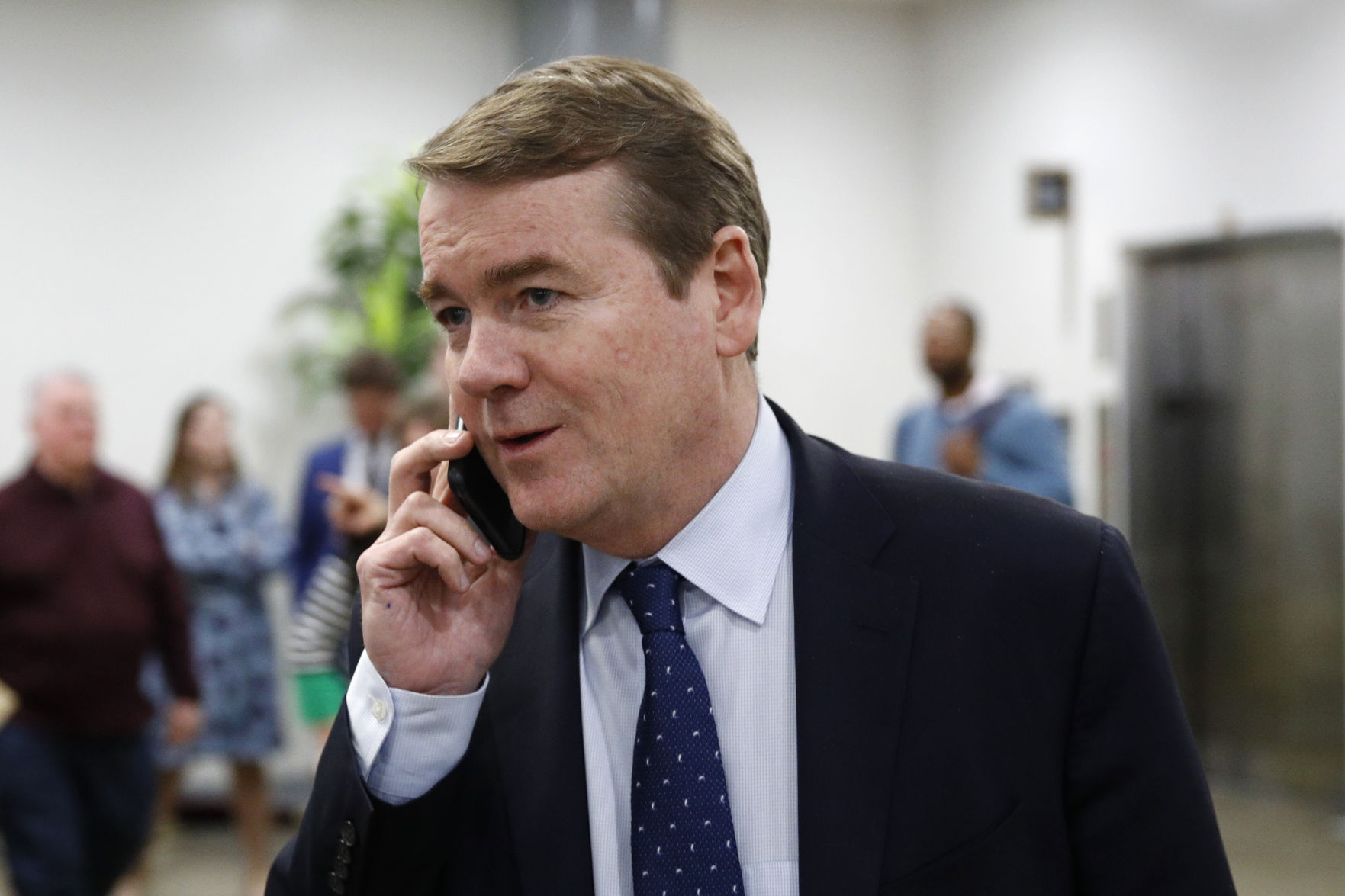
U.S. Sen. Michael Bennet said Friday that legislation to speed $2.2 trillion in economic relief to businesses, health care providers and families reeling under the coronavirus epidemic “reflects the need for urgent and comprehensive action” but could be only the first installment of the federal response.
“Right now Colorado and the country are facing a challenge that’s greater than any since World War II,” Bennet said during a telephone town hall held after the House passed the legislation but before President Donald Trump signed it.
“To stop the spread of the coronavirus, we’ve essentially had to stop our economy, and there’s no precedent for this in our history.”
Bennet outlined provisions in the bill, including billions in aid to hospitals, small businesses, state and local governments and unemployment programs, as well as direct payments of $1,200 to most Americans, but, he added, “We must be prepared to respond further if necessary.”
Throughout the hour-long call, Bennet stressed that it’s up to Americans to follow social-distancing recommendations and abide by other guidelines aimed at slowing the spread of the virus.
The bill, which passed unanimously in the Senate and with broad, bipartisan support in the House, steers $150 to the health care system, including $100 billion in grants to help hospitals and other providers responding to rapidly growing COVID-19 infections.
Calling the spending “a Marshall Plan for hospitals and health care,” Bennet said, “That funding is the least we could do for our health care professionals, who are literally putting their life on the line.”
Added Bennet: “The most vital thing that we can do as citizens is keep ourselves out of the hospitals by keeping ourselves healthy and giving the doctors the opportunity to do what they need to do under incredibly challenging circumstances.
Joining Bennet on the call were public health experts Greg Stasinos, the response and operations section chief of the Colorado Office of Emergency Preparedness and Response; Mark Crisman, contact center supervisor for COHELP, the Colorado Health Emergency Line for Public Information; and Jerene Petersen, chief impact officer with the Mile High United Way.
Peterson described the 2-1-1 information line that began operations in Colorado on Friday to provide confidential assistance to anyone with questions about the epidemic and the economic fallout from it.
“It’s here to connect people to those vital human services in their community,” she said, including rent and utility assistance, how to apply for public benefits, access to child care, and how to find clothing or food, employment help and medical services.
“This is not a time to be fearful about asking for help,” she said. “We want you to call us. Operators are waiting for your call right now.”
In response to a woman from Arvada who said the $1,200 check most adults will receive “isn’t enough to provide stability,” Bennet said he agreed, noting he sponsored higher levels of direct payments but was unable to persuade enough Republican senators to sign on.
“I think people are going to come around to that view,” he said, suggesting that future federal aid packages could include additional payments to individuals.
Stasinos told a man from Denver who wanted clarity about how transmission of the virus spreads that primarily spreads via respiratory droplets – coughs, sneezes and spittle – and when people touch surfaces that contain the virus and then touch their eye, mouth or nose.
“It’s always important to always wash your hands and wipe down surfaces – doorknobs, things of that nature, anything that will control the spread,” he said.
Several callers had questions about the availability of tests for the virus.
Bennet said the primary focus at this point has to be testing health care workers so that those who have cold or flu symptoms but aren’t infected with the new coronavirus can go back to work if they test negative.
“Over time, one of the most important ways we’re going to be able to get ahold of this thing is by having universal testing so we know who has it, who’s built up the antibodies to it, so people can go back to work and get our economy going again,” Bennet said.
He added that he believes Trump should use his authority in an emergency to order production of tests and personal protective equipment for health care workers.
“We should have been better prepared, there’s no question about it. We should have been ready with tests, as a country,” Bennet said. Until tests are widely available however, he said, Americans need to isolate themselves “so we can buy the time so health care workers won’t have a volume that overwhelms them.”
Bennet closed by urging callers to offer help to older neighbors and shut-ins, and to be aware how difficult the pandemic is for children.
“We will get through this,” he said. “We absolutely will get through this.”


Colorado Parks and Wildlife Commissioner Murphy Robinson resigns
Marianne Goodland
marianne.goodland@coloradopolitics.com
Updated 7 hours ago
Murphy Robinson, who has served on the Colorado Parks and Wildlife Commission for just over a year, announced his resignation on Wednesday. In a statement, Gov. Jared Polis thanked Robinson, saying he is “incredibly grateful for Murphy’s service to the...
Colorado Supreme Court’s opinion output drops by two-thirds amid justice’s absence
Michael Karlik
michael.karlik@coloradopolitics.com
Updated 8 hours ago
The Colorado Supreme Court has released significantly fewer new opinions in recent months compared to the previous two years, even as the judicial branch insisted that a member’s open-ended absence is not causing delays. Justice Melissa Hart has been on...

Adams County officials call for resignation of county treasurer after ‘inappropriate behavior’
Kyla Pearce
kyla.pearce@gazette.com
Updated 8 hours ago
Adams County Commissioners requested the resignation of the county’s treasurer after multiple allegations of inappropriate behavior toward staff members. Treasurer Alex Villagran has declined to step down. An independent investigation by Employment Matters LLC Flynn Investigations Group found multiple allegations...

Aurora’s consent decree monitor reviews fatal pursuit crash, notes ‘inherent risk’ of police chases
Kyla Pearce
kyla.pearce@gazette.com
Updated 9 hours ago
Two people died in a crash that resulted from an Aurora police pursuit last week, which the city’s decree monitor is reviewing. The monitor said the incident underscores the “inherent risks” of pursuits. Meanwhile, the city police department said it...
Colorado’s universal preschool enrollment begins for upcoming school year
Marissa Ventrelli
marissa.ventrelli@coloradopolitics.com
Updated 8 hours ago
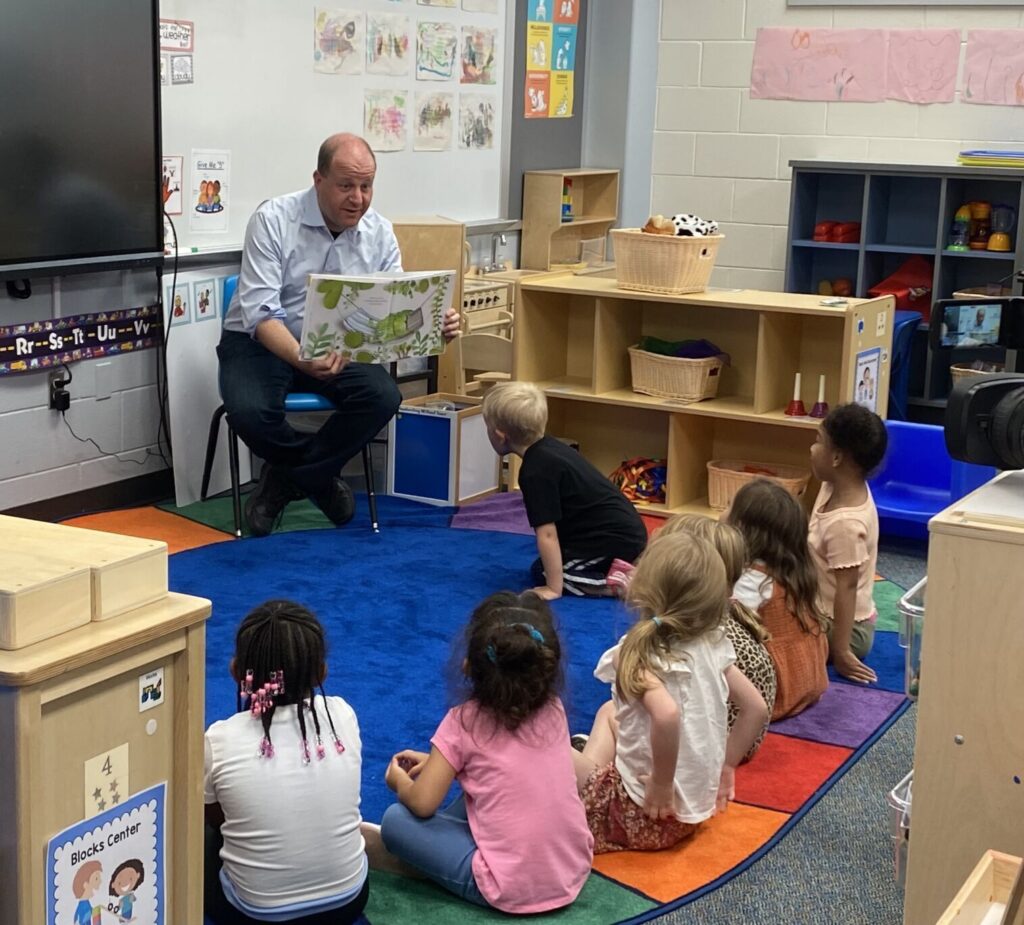
Enrollment is now open for Colorado’s universal preschool program, which provides up to 15 hours of free education for four-year-old children across the state. The $344 million program has served nearly 90,000 children since its creation in 2023, the Governor’s...

Divided 10th Circuit rules bank customer must arbitrate discrimination-related claims
Michael Karlik
michael.karlik@coloradopolitics.com
Updated 8 hours ago
The Denver-based federal appeals court ruled on Monday that a mandatory arbitration clause in the fine print of a customer’s bank account agreement prohibited her from pursuing claims of racial discrimination in court. Jeanetta Vaughn filed suit against JPMorgan Chase...

Colorado’s federal trial court denies admission to lawyer owing tens of thousands in dues, penalties
Michael Karlik
michael.karlik@coloradopolitics.com
Updated 10 hours ago
Colorado’s U.S. District Court declined last month to allow an attorney to practice before the court due to his failure to pay enrollment fees and penalties to another state’s bar association for years. The federal trial court requires attorneys to...
Douglas County businesses to pay fines for unreported thefts under proposed ordinance
Noah Festenstein
noah.festenstein@denvergazette.com
Updated 7 hours ago
Douglas County commissioners on Tuesday advanced an ordinance aimed at curbing retail theft by penalizing businesses that refuse to report shoplifters to law enforcement. The proposal is notable in that it shifts the onus of responsibility to businesses. Officials said...

Federal judge labels appeal ‘frivolous,’ state Supreme Court to hold arguments | COURT CRAWL
Michael Karlik
michael.karlik@coloradopolitics.com
Updated 15 hours ago
Welcome to Court Crawl, Colorado Politics’ roundup of news from the third branch of government. A federal judge deemed a government defendant’s appeal “frivolous,” and the state Supreme Court will have an abbreviated oral argument schedule next week. Heard on...

Humane Colorado bids fond farewell to its CEO at Celebration of Compassionate Leadership | NONPROFIT REGISTER
Joanne Davidson Special to Colorado Politics
joanne-davidson-special-to-colorado-politics@coloradopolitics.com
Updated 17 hours ago
HUMANE COLORADO Denver News: Veterinarian Apryl Steele is not one to toot her own horn, so the general public might have no idea of the depth and scope of the role she has played in elevating the standard of care for companion animals and for expanding the socially...
PREV
PREVIOUS

Federal authorities clear Colorado Springs officers in De'Von Bailey killing
Two Colorado Springs police officers who fatally shot 19-year-old De’Von Bailey in the back as he fled an arrest in August did not violate federal law, authorities said Friday. The U.S. Attorney’s Office and the Denver field office of the FBI will not pursue charges against officers Alan Van’t Land and Blake Evenson. “Both offices concluded […]

SONDERMANN | Curbing COVID-19 is worth the risk of an economic downturn
Eric Sondermann It’s the newly-discussed tradeoff and a very real one – the public health steps currently imposed to slow the spread of the coronavirus versus the massive economic damage left in the wake of those measures. A few days ago, these pages included a column from my friend, Jon Caldara, opening with the assertion that, “The […]