

Bennet signs on to request for COVID-19 equipment, testing update from White House
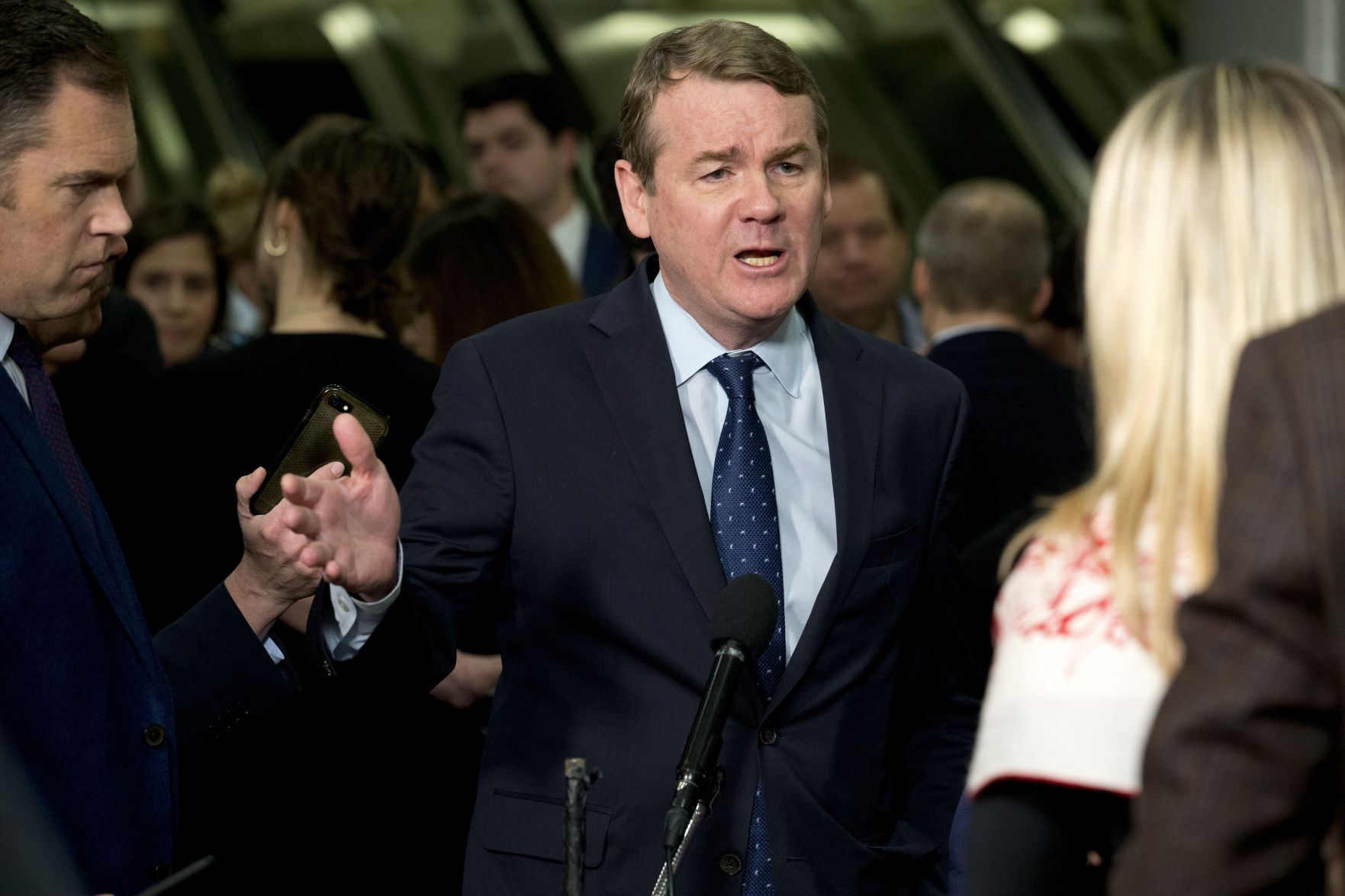
All 47 members of the U.S. Senate’s Democratic caucus are requesting that the White House outline its plan for getting protective equipment to emergency responders and for mobilizing tests and treatment devices for victims of COVID-19 coronavirus.
“Our constituents working as health care providers and front line responders in hospitals, public health departments, and throughout their communities report the health care system is woefully under-resourced, especially in our rural, underserved areas and minority communities that are often overlooked,” wrote the senators. They quoted President Donald Trump’s March 16 comments about supplies with state governors, suggesting that the governors “try getting it yourselves.”
The senators, including U.S. Sen. Michael Bennet, found that statement unsatisfactory and urged the president to direct private industry toward manufacturing needed supplies. Trump has not yet used the Defense Production Act of 1950 to provide incentives or enter into contracts with manufacturers. He has characterized it as “nationalizing” businesses. Although the Defense Product Act would give the federal government expanded powers over production, it does not transfer private ownership to the state.
The letter asked the Trump Administration to describe when it plans to release personal protective equipment and other medical supplies from the national stockpile to first responders. Senators would also like to know what the daily nationwide testing capacity is, whether Trump intends to invoke the Defense Production Act, and what is the gap between supply and demand for equipment.
As of March 19, the United States had performed nearly 104,000 tests. South Korea, by contrast, had performed over 316,000 out of a population of 51.5 million people. CNN reports that there are not enough tests in the U.S. for everyone who is displaying COVID-19 symptoms to receive one. Last week, Coloradans representing a variety of occupations from janitors and flight attendants to first responders worried about a lack of protective equipment as they carry out their jobs during the pandemic.


Colorado justices grill debt collector about compliance with law
Michael Karlik
michael.karlik@coloradopolitics.com
Updated 4 hours ago
The Colorado Supreme Court repeatedly pressed a debt collection company last week to explain how its lawsuit against a Boulder woman for an unpaid credit card balance complied with the specific requirements that state lawmakers have created. Portfolio Recovery Associates,...

Artificial intelligence working group agrees on framework to replace Colorado law
Marianne Goodland
marianne.goodland@coloradopolitics.com
Updated 5 hours ago
A group that has been working on artificial intelligence policy has reached an agreement on a framework that would replace the regulations adopted by Colorado legislators two years ago. The agreement has the backing of Gov. Jared Polis, who reluctantly...

Proposal to levy new fees on alcohol products in Colorado dies
Marissa Ventrelli
marissa.ventrelli@coloradopolitics.com
Updated 6 hours ago
The proposal to collect millions in new fees on alcohol products — dollars to be earmarked for Colorado programs aimed at addressing the behavioral and physical health effects of alcohol abuse — died on Tuesday. House Bill 1271 sought to...

The numbers that Republicans say show Democratic midterm targets are a ‘political hallucination’
Rob Crilly, Washington Examiner
rob.crilly.washington.examiner@gazetteedit.wpenginepowered.com
Updated 5 hours ago
Democrats keep expanding their battleground map of midterm target seats, but do they really have any chance in some of the districts they claim they can win? Of the 44 districts listed by the Democratic Congressional Campaign Committee as targets,...
Pam Bondi subpoenaed for April 14 House deposition on Epstein files handling
Kaelan Deese, Washington Examiner
kaelan.deese.washington.examiner@gazetteedit.wpenginepowered.com
Updated 7 hours ago
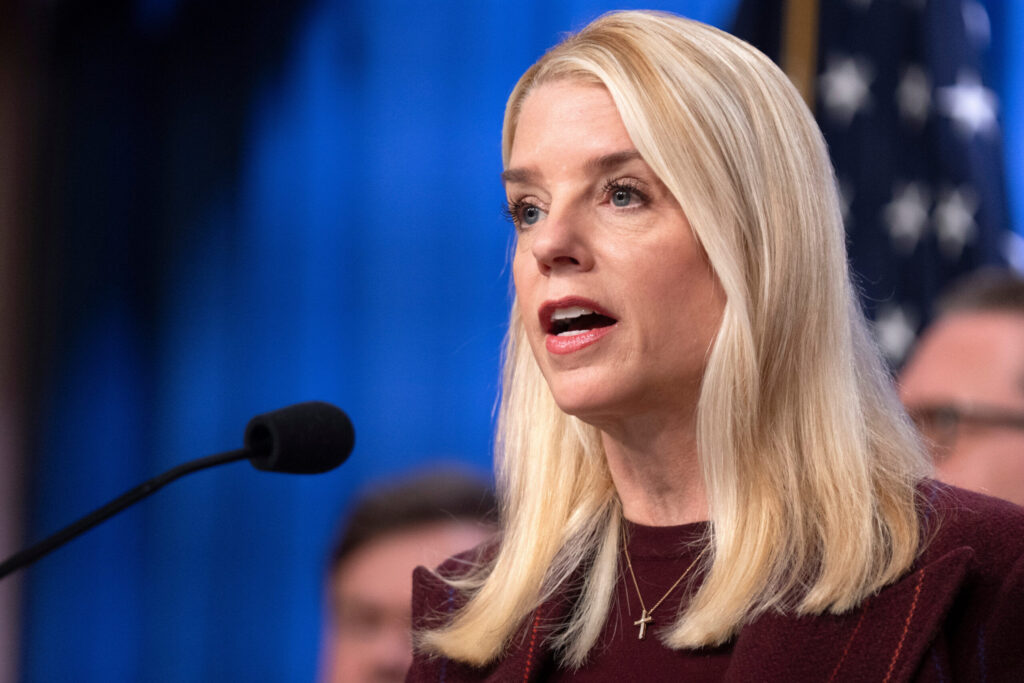
The House Committee on Oversight and Government Reform issued a subpoena Tuesday compelling Attorney General Pam Bondi to sit for a deposition on April 14 as part of an ongoing investigation into the Justice Department’s handling of the Jeffrey Epstein...
Capitol Police chief asks for record-breaking budget, citing 58% increase in threats to Congress
Emily Hallas, Washington Examiner
emily.hallas.washington.examiner@gazetteedit.wpenginepowered.com
Updated 7 hours ago
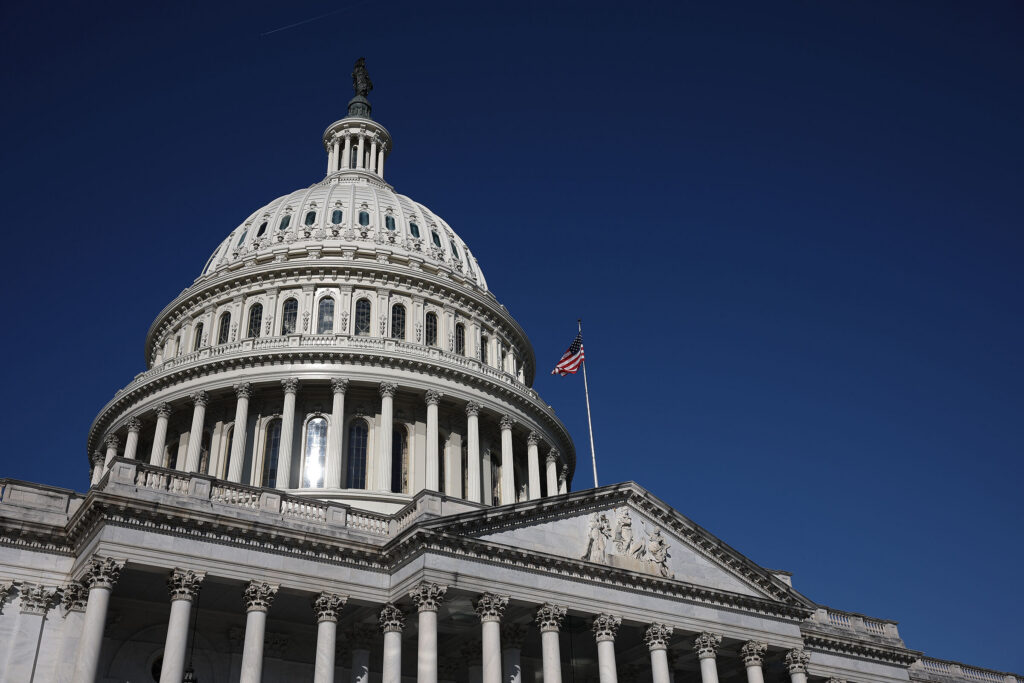
U.S. Capitol Police Chief Michael Sullivan on Tuesday argued sweeping threats against lawmakers justify his department’s historic budget request during a House Appropriations Committee hearing. Sullivan testified before the Legislative Branch Subcommittee on his budget proposal for fiscal 2027 funding....
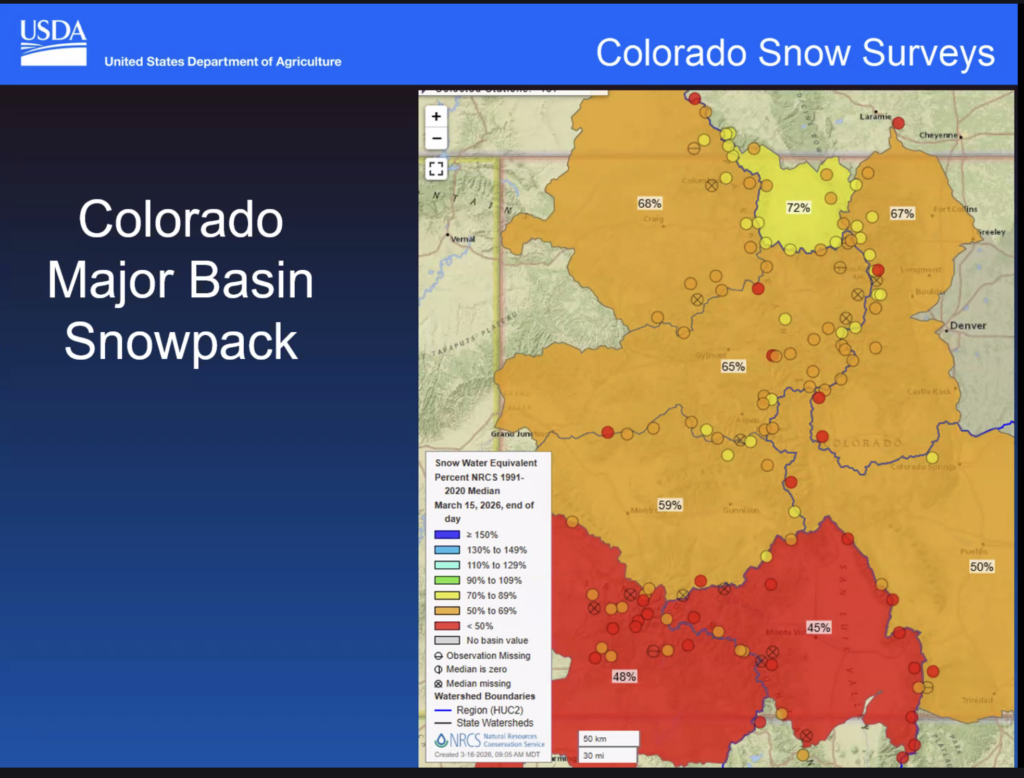
After ‘winter of defeat,’ Colorado hopes for wetter summer
Marianne Goodland
marianne.goodland@coloradopolitics.com
Updated 8 hours ago
With snowpack melt already peaking in some parts of the state and drought conditions worsening compared to last year, Colorado’s water watchers are hoping for a wetter summer, though they anticipate the situation deteriorating before getting better. Meanwhile, the governor...
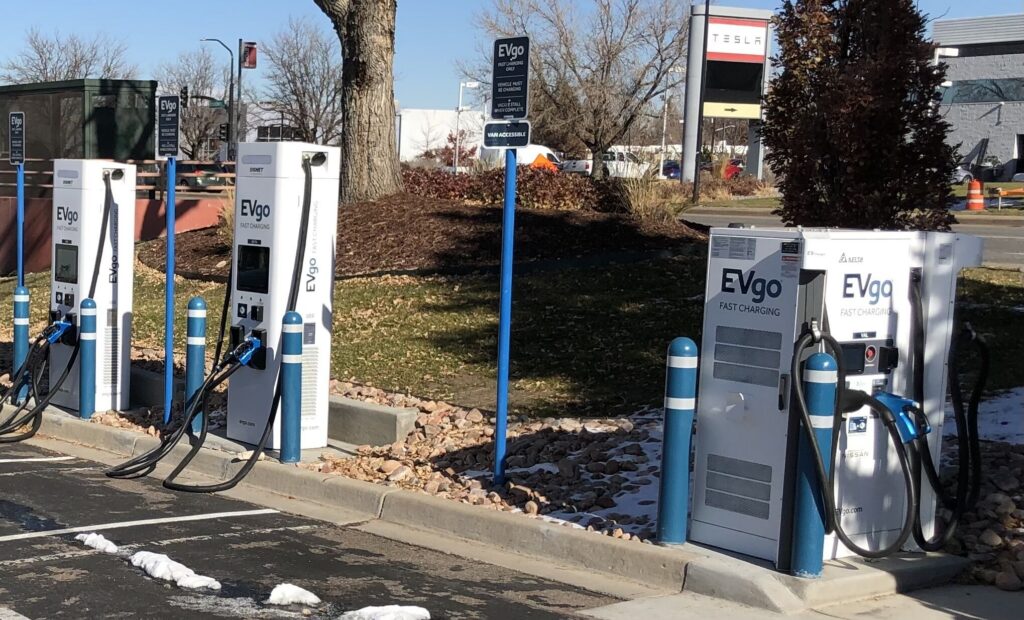
Colorado, Democrat states oppose proposal to require EV chargers be made with 100% domestic components
Scott Weiser
scott.weiser@gazette.com
Updated 8 hours ago
Colorado has joined a coalition of about 20 states in opposing a federal proposal that would require electric vehicle chargers funded with federal dollars to be made with 100% domestic components. The Federal Highway Administration is considering raising the domestic...
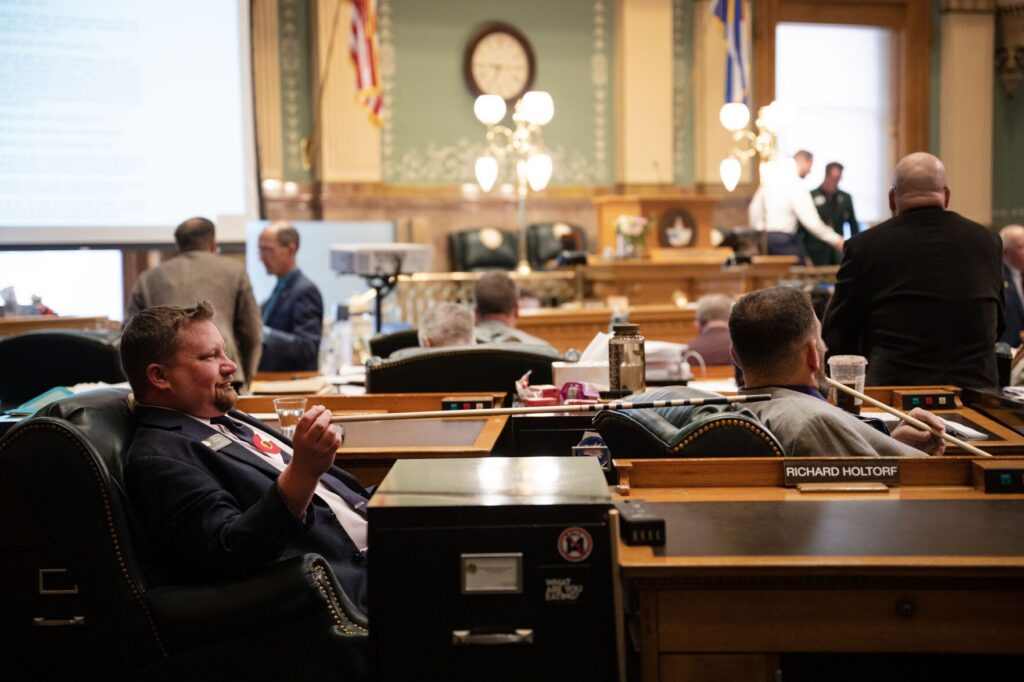
Colorado ethics panel tells legislator to attend sexual harassment training
Marianne Goodland
marianne.goodland@coloradopolitics.com
Updated 5 hours ago
Colorado’s House ethics panel admonished a Republican legislator over allegations he used a master key to access areas of the Capitol that he was not permitted to enter and that he had made sexually harassing comments to several female lawmakers....
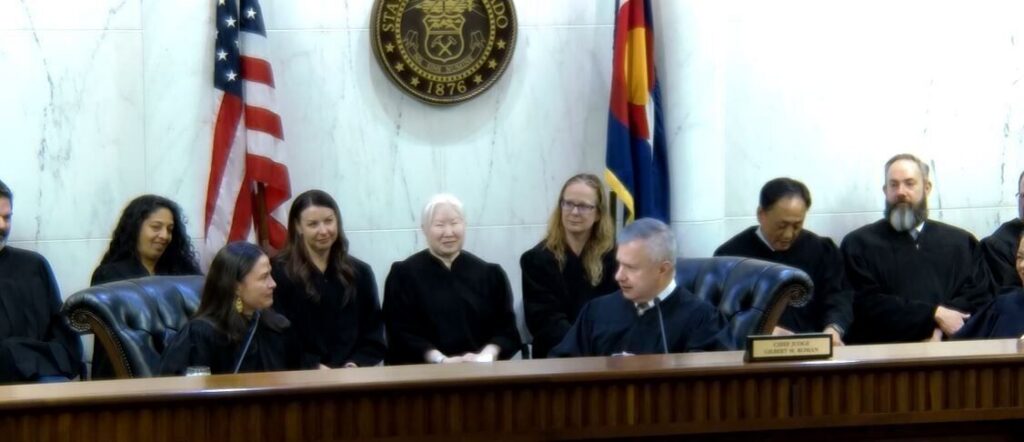
Appeals court agrees defendant’s speech constitutionally protected against El Paso County judge
Michael Karlik
michael.karlik@coloradopolitics.com
Updated 7 hours ago
Colorado’s second-highest court agreed last week that a defendant’s critical statements toward a 4th Judicial District judge were constitutionally protected and could not form the basis of a retaliation charge. A three-judge Court of Appeals panel concluded that, in context,...
PREV
PREVIOUS

10th Circuit allow suit against Denver officer to proceed
The U.S. Court of Appeals for the Tenth Circuit on Friday upheld a lower court’s finding that a Denver police officer could be sued for allegedly using excessive force in a 2013 shootout that left the plaintiff injured. On Jan. 16, 2013, Johnny Montoya was party to a firearm-involved domestic incident. Montoya left the scene […]

King Soopers assures 'strong' supply chain amid COVID-19 precautions
A King Soopers spokesperson on Friday assured that “the supply chain is strong” amid expanded worker leave guidelines and cleaning protocols for the COVID-19 coronavirus. “We are working closely with our suppliers to replenish our inventories and our supply chain teams continue to work to ensure that the food, medicine and cleaning supplies our customers […]