

CROWN Act wins final approval in Senate, now off to governor
The state is just one signature away from a ban on discrimination based on a person’s traits that are historically associated with race, specifically, hairstyles.
The “Creating a Respectful and Open World for Natural Hair Act of 2020,” aka the CROWN Act, cleared the Senate on a 23-11 vote on Friday and now heads to Gov. Jared Polis for action. He has ten days to sign House Bill 1048.
Colorado will become the fourth state to implement the CROWN Act, should Polis sign it.
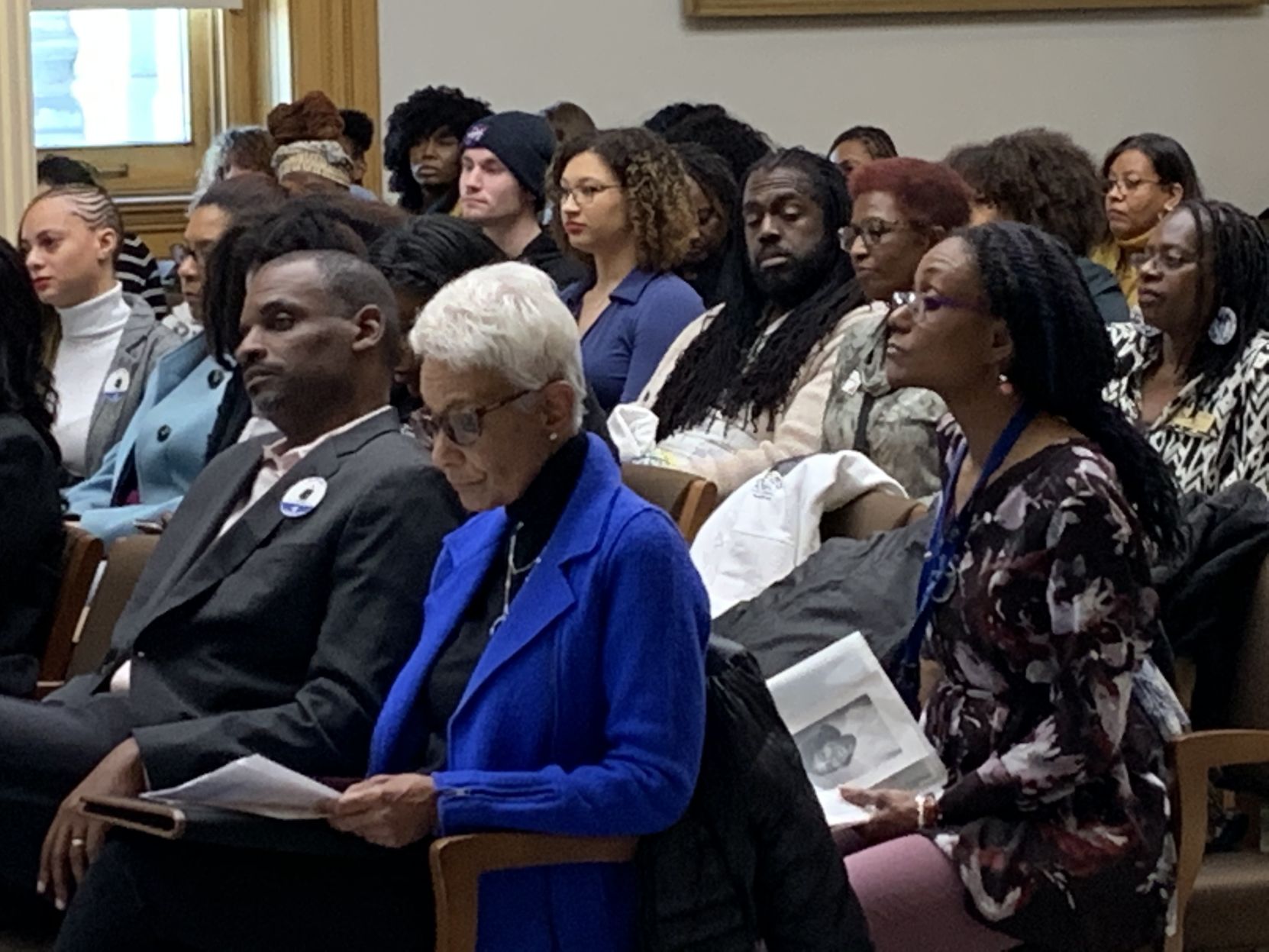
The bill stems from complaints that black, Hispanic, Jewish, Sikh and Native Americans face discrimination because of how they wear their hair. In the House, several people testified that they had been discriminated against in the workplace or in schools because of their hairstyles or because of headwraps.
Co-sponsor Speaker Pro-tem Janet Buckner, D-Aurora, talked about how her granddaughters’ hair have been treated as curiosities. People ask inappropriate questions about their hair or ask to touch it. One granddaughter, on a gymnastics team, has been told to wear her hair like her Caucasian teammates, Buckner said.
The bill bans discrimination based on hairstyles such as braids, locs, twists, tight coils or curls, cornrows, Bantu knots, Afros and headwraps, or any other hairstyle associated with race.
A study commissioned by DOVE Soap found that black women’s hair is 3.4 times more likely to be perceived as unprofessional.
While Sen. Jerry Sonnenberg, R-Sterling, raised concerns about workplace safety during the bill’s hearing in the Senate State, Veterans and Military Affairs Committee, no one raised any objections when it was heard by the full Senate or on its final vote.
In a statement Friday, House co-sponsor Rep. Leslie Herod, D-Denver, said the bill’s signing “will have a real impact on the lives of not only African-American people, but all people who have been told to change their natural hair to fit someone else’s standards of acceptability.”


Colorado lawmakers grapple with spending cuts amid $1 billion-plus deficit
Marianne Goodland
marianne.goodland@coloradopolitics.com
Updated 12 hours ago
The battle over Colorado’s budget for next year — which stalled in the House over a procedural maneuver — entered a more difficult phase on Thursday, when legislators grappled with hundreds of millions of dollars in proposed reductions to balance...

New rules for private judges in Colorado include discipline oversight, campaign contributions
David Migoya
david.migoya@gazette.com
Updated 15 hours ago
The Colorado Supreme Court recently determined the state’s private judges — retired jurists appointed to oversee civil cases that rarely get public scrutiny — can now make political contributions freely and without reserve, overruling a prohibition that had been in...

Colorado bill reshaping RTD board advances
Marissa Ventrelli
marissa.ventrelli@coloradopolitics.com
Updated 15 hours ago
A proposal to reshape the Regional Transportation District’s leadership easily cleared a committee vote Wednesday, advancing the bill sponsors say is needed to revive a transit system still struggling to regain riders and public trust. Critics have countered that, while...

Colorado Democrat John Hickenlooper pulls in nearly $1.4M in 1st quarter, heads into primary with $4M
Ernest Luning
ernest.luning@coloradopolitics.com
Updated 12 hours ago
U.S. Sen. John Hickenlooper’s campaign raised nearly $1.4 million in the first quarter of 2026 and plans to report more than $4 million on hand heading into Colorado’s June primary, the first-term Democrat’s campaign said Thursday. That brings Hickenlooper’s total...

Republican Ron Hanks plans ‘grassroots’ primary challenge to US Rep. Jeff Hurd in Colorado’s 3rd CD
Ernest Luning
ernest.luning@coloradopolitics.com
Updated 15 hours ago
Colorado Republican Ron Hanks, a former state lawmaker, plans to challenge first-term U.S. Rep. Jeff Hurd in the 3rd Congressional District primary by seeking a spot on the June ballot at the GOP’s district assembly in Pueblo on Friday, Colorado...
Five ways Mullin is already pushing DHS in a new direction
Anna Giaritelli Washington Examiner
anna-giaritelli-washington-examiner@coloradopolitics.com
Updated 19 hours ago
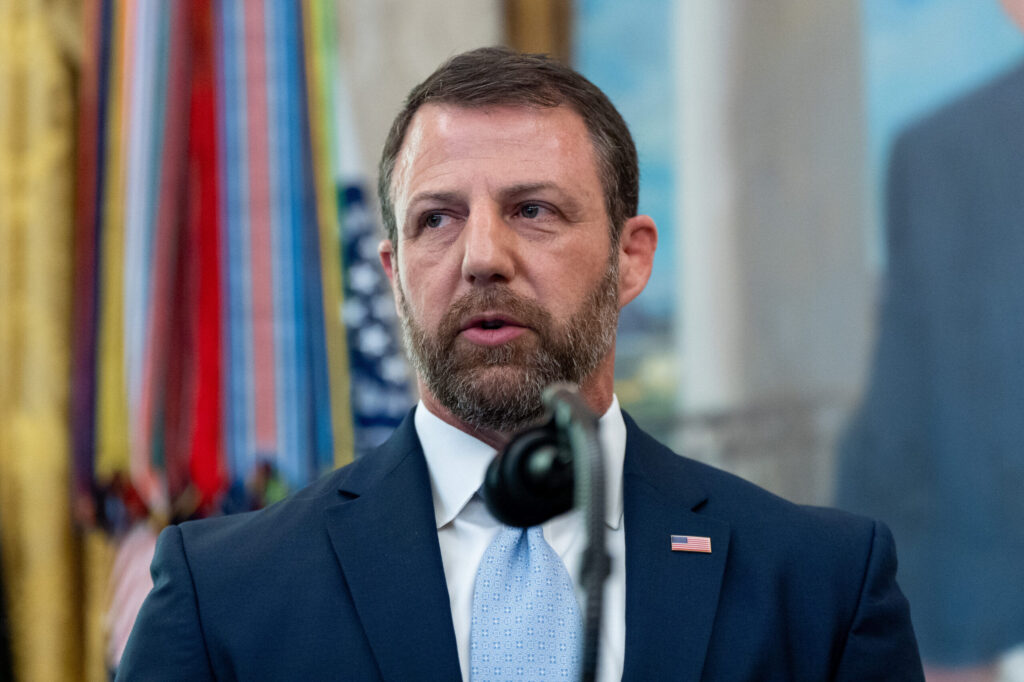
The Trump administration’s newest Cabinet secretary, Markwayne Mullin, has already begun to implement major changes across the Department of Homeland Security Mullin replaced President Donald Trump’s first DHS secretary, Kristi Noem, and was an unexpected pick to lead the department...
Appeals court finds Prowers County judge incorrectly analyzed firetruck collision lawsuit
Michael Karlik
michael.karlik@coloradopolitics.com
Updated 19 hours ago
Colorado’s second-highest court directed a Prowers County judge last month to take a second look at whether a firetruck operator and the county itself can be held liable for a collision with a motorist. Donald Williamson was driving through a...

Appeals court reverses assault convictions after jury received no definition of ‘harm’
Michael Karlik
michael.karlik@coloradopolitics.com
Updated 20 hours ago
Colorado’s second-highest court reversed an Arapahoe County defendant’s assault convictions last week, concluding the trial judge neglected to define a key, ambiguous term for jurors. Police officers arrested David Cristobal Aragon at a house party for allegedly violating a restraining...

Colorado counties cannot challenge state law restricting immigration contracts, appeals court says
Michael Karlik
michael.karlik@coloradopolitics.com
Updated 16 hours ago
Colorado’s second-highest court ruled on Thursday that counties lack standing to challenge a 2023 state law that restricts their ability to contract with the federal government or private entities for immigration detention. A three-judge Court of Appeals panel agreed with...

Wayne Williams joins city as Colorado Springs Mayor Mobolade’s new chief of staff
Brennen Kauffman
brennen-kauffman@coloradopolitics.com
Updated 18 hours ago
Wayne Williams will be the next chief of staff for Colorado Springs Mayor Yemi Mobolade, turning the two former election opponents into partners in city government. The two officially announced the hire Thursday, citing Williams’ decades of experience with city,...
PREV
PREVIOUS

ICE responds to accusations of targeting from pro-immigrant groups
U.S. Immigration and Customs Enforcement on Friday disputed allegations from pro-immigrant groups earlier in the week that the agency was targeting parents who were dropping off their children in Colorado. “Misinformation and rumors concerning U.S. Immigration and Customs Enforcement’s (ICE) presence in neighborhoods conducting targeted enforcement actions continues to be promoted without merit by those […]

Denver’s airport celebrates 25 years of business
Twenty-five years ago, Denver International Airport opened its runways for the very first time. The project, kickstarted by then-Mayor Federico Peña, first struck ground in 1989 to replace the former Stapleton International Airport. Today, the airport serves 69 million passengers, provides nonstop service to more than 200 destinations in 14 countries, and generates $33.5 billion […]