

10th Circuit sides with biofuels groups, nullifies 3 EPA waivers

The U.S. Court of Appeals for the 10th Circuit on Friday overturned waivers to three oil refineries that allowed them to opt out of the federal requirement to produce their share of biofuels.
“The EPA exceeded its statutory authority in granting those petitions,” Judge Mary Beck Briscoe wrote, adding that the agency “did abuse its discretion.”
The Energy Policy Act of 2005 directed the U.S. Environmental Protection Agency to steadily increase the amount of petroleum required to be mixed with renewable fuel, from four billion gallons in 2006 to 7.5 billion gallons in 2012.
At the time, President George W. Bush said that the legislation would “strengthen our economy, and it will improve our environment, and it’s going to make this country more secure.” Supporters in Congress pointed to the need to reduce greenhouse gas emissions and encourage greater reliance on American-made fuels, rather than depend on the unstable Middle East for oil.
In the law, small refineries – defined as those producing fewer than 75,000 barrels of oil per day – received an exemption from compliance that lasted until 2011. Requests for waivers needed to show “disproportionate economic hardship.”
However, beginning in 2016 the EPA began to escalate its exemptions, with a total of only eight denials in the past four years. That compares to 18 denials in the three years immediately prior. The agency exempted 17 billion gallons from blending in 2017, with the result that non-exempted refineries had to make up the balance.
In May 2019, 35 members of the U.S. House of Representatives sent a letter to the Trump Administration decrying the rate of waivers, calling it “a betrayal of our rural communities, detrimental to our energy security, and [threatening to] our entire agricultural sector.”
Four groups that advocate for biofuels or represent manufacturers filed suit against the EPA for its 2016 and 2017 waivers to refineries in Utah, Wyoming and Oklahoma. The plaintiffs, who said they only learned about the waivers in media reports, argued that they suffered harm because the EPA lifted restrictions on their competitors.
Writing for the three-judge panel, Briscoe said that any refinery that did not receive an exemption early on was not eligible for an extension of the waiver in 2016 or later.
“A small refinery in 2006 did not have a meaningful opportunity to consider in advance whether or how it could comply with renewable fuel obligations,” she wrote. “In contrast, a small refinery in 2016 or 2017 had many years to ponder operational issues and compliance costs, including whether it made sense to enter into or remain in the market in light of the statute’s challenging renewable fuels mandate.”
The court was also “satisfied that the EPA did not dispense with a comparative analysis” in determining whether the three refineries would suffer disproportionate economic hardship when the agency granted the waivers.
The case returns to the EPA for further action.


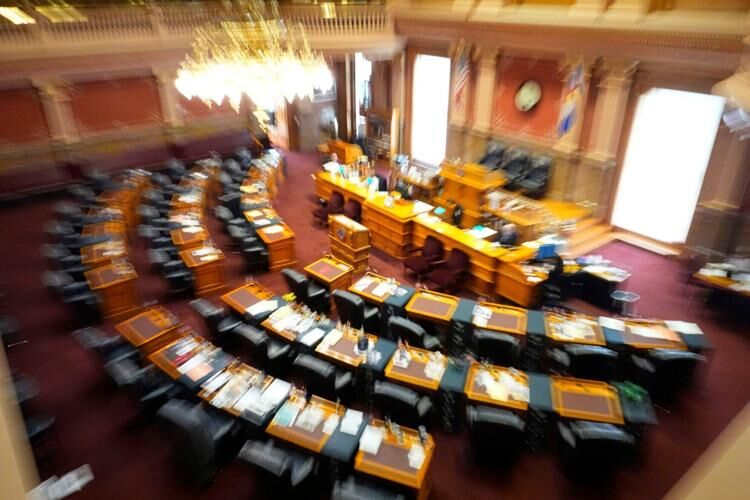
Colorado lawmakers push reforms for handling defendants deemed incompetent
Marissa Ventrelli
marissa.ventrelli@coloradopolitics.com
Updated 9 hours ago
Colorado lawmakers from both parties are backing a bill that would reshape how the state handles defendants found incompetent to stand trial and unlikely to regain competency, aiming to fill long-standing gaps in treatment and placement. Sponsors of Senate Bill...

Colorado title board rejects government transparency measure, backers plan appeal
Marianne Goodland
marianne.goodland@coloradopolitics.com
Updated 8 hours ago
A broad coalition’s push for stronger government transparency hit a major setback last week when Colorado’s title board rejected a proposed ballot measure that would allow more public access to most legislative deliberations. The three‑member title board on April 15...

Colorado body reviews redistricting proposals as battle heats up nationwide
Marianne Goodland
marianne.goodland@coloradopolitics.com
Updated 8 hours ago
With 60 proposals on the April 15 agenda, Colorado’s title board wrapped up its final initial hearing for the 2026 election cycle, sending forward a slate of measures that could reshape workers’ compensation and reignite partisan battles over congressional redistricting....

Colorado title board rejects government transparency measure, backers plan appeal
Marianne Goodland
marianne.goodland@coloradopolitics.com
Updated 10 hours ago
A broad coalition’s push for stronger government transparency hit a major setback last week when Colorado’s title board rejected a proposed ballot measure that would allow more public access to most legislative deliberations. The three‑member title board on April 15...

What we know about nearly a dozen scientists who went missing, died, or were murdered
Emily Hallas, Washington Examiner
emily.hallas.washington.examiner@gazetteedit.wpenginepowered.com
Updated 8 hours ago
The Trump administration is probing concerns surrounding nearly a dozen scientists said to be connected to highly secretive space research whose deaths and disappearances are under increasing scrutiny. President Donald Trump called the situation “pretty serious stuff” last Thursday, revealing...

Businesses can claim refunds starting Monday for Trump tariffs declared unconstitutional
Mae Anderson
mae.anderson@associatedpress.com
Updated 16 hours ago
NEW YORK (AP) — A refund system for businesses that paid tariffs which the U.S. Supreme Court ruled President Donald Trump imposed without the constitutional authority to do so is scheduled to launch Monday. Importers and their brokers will be...

U.S. Supreme Court will hear challenge from Colorado Catholic preschools on state funding exclusion
Lindsay Whitehurst
lindsay.whitehurst@associatedpress.com
Updated 10 hours ago
WASHINGTON (AP) — The Supreme Court will hear from Catholic preschools that say Colorado violated their religious rights by excluding them from a state-funded “universal” pre-kindergarten program over their admission policies. The court agreed on Monday to take up the...
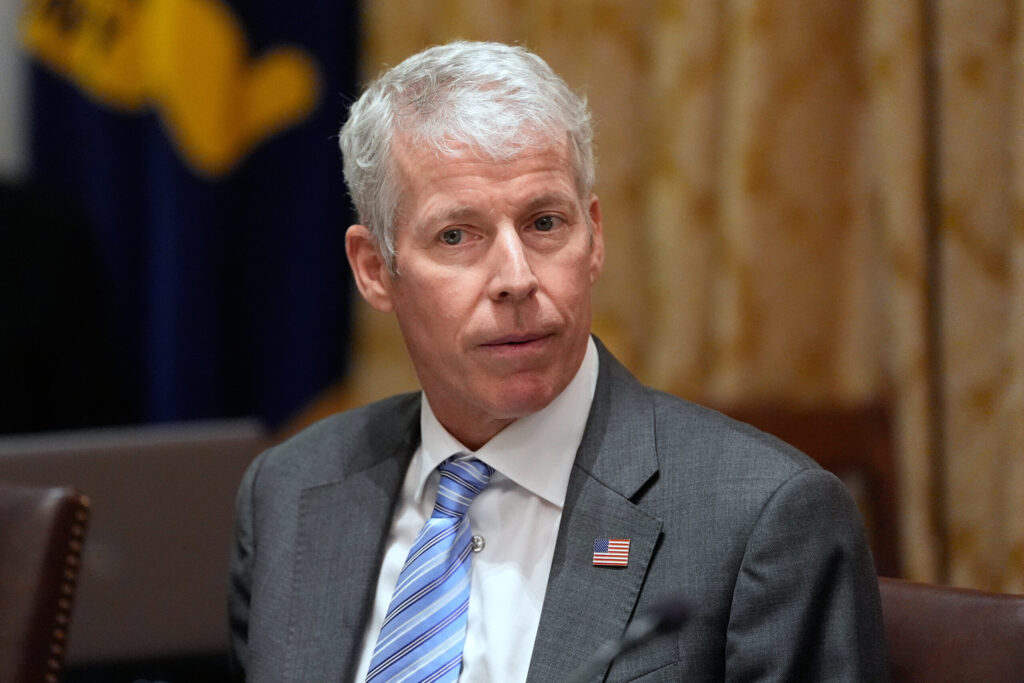
Trump rejects energy secretary’s claim about gas prices staying high: ‘Totally wrong’
Molly Parks, Washington Examiner
molly.parks.washington.examiner@gazetteedit.wpenginepowered.com
Updated 13 hours ago
President Donald Trump rejected Energy Secretary Chris Wright’s statement that gas prices may not fall below $3 before 2027, remaining confident that prices will drop once hostilities cease between the United States and Iran. Trump told the Hill that gas...
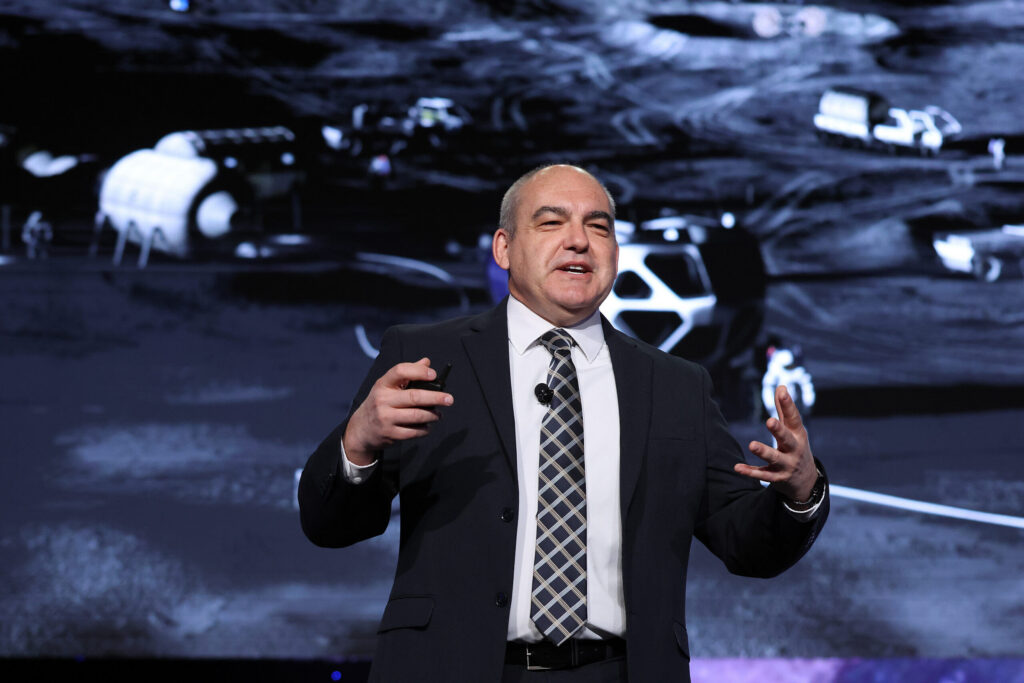
Colorado company ready to build the lunar base, provide ‘lunar mobility’
alex-edwards
alex.edwards@gazette.com
Updated 13 hours ago
Original concepts for a moon base ranged from believable to outlandish. Following the success of Artemis II, which launched four astronauts around the moon over the course of 10 days, NASA is looking ahead as it attempts to take another...
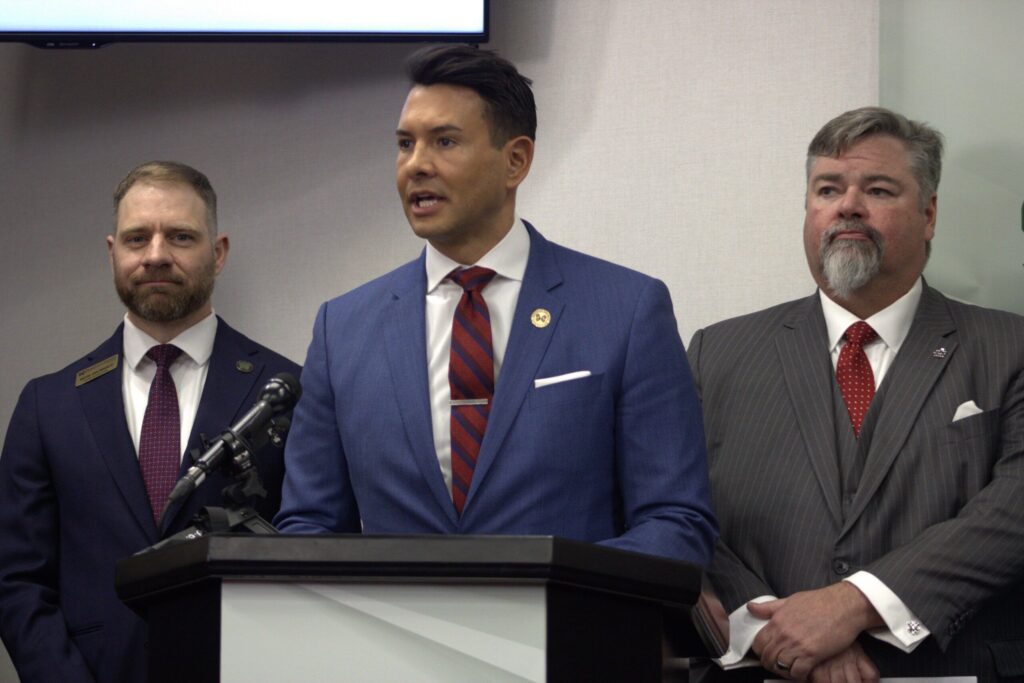
DougCo commissioners challenging open meetings violation
Nicholas Fogleman
nicholas.fogleman@denvergazette.com
Updated 11 hours ago
The Douglas County Board of Commissioners is challenging a recent court decision that found the board violated Colorado Open Meetings Law. County commissioners filed a petition Thursday seeking a rehearing from the Colorado Court of Appeals. On April 2, the...
PREV
PREVIOUS

Governor's budget request for 2020-21 hits a wall
One element of Gov. Jared Polis’ budget request for a family leave program for state employees has run into resistance from the Joint Budget Committee, raising questions of not only whether the state can afford it, but whether the governor has the statutory authority to mandate it. On Jan. 23, the JBC looked at what’s […]

House offers memorial to former Speaker of the House Ruben Valdez
The Colorado House on Monday paid their respects to the late Speaker of the House Ruben Valdez, who died Oct. 1 at the age of 82. Valdez was the first Latino Speaker of the House, serving in the House from 1971 to 1978 and as Speaker in the 1975-76 sessions. Monday would have been his […]