

Gov. Jared Polis, higher ed officials unveil strategies to reduce college costs

Gov. Jared Polis and the Colorado Department of Higher Education released a multi-pronged plan Tuesday to make college more affordable and to address a growing need for post-secondary degrees to keep Colorado’s economy a leader in the nation.
The “Roadmap to Containing College Costs and Making College Affordable” sets a goal of 66% postsecondary certificate or degree attainment by 2025, up from the current 56.9% attainment rate.
According to a statement from the governor’s office, 75% of all Colorado jobs, and 97% of those “that pay a living wage and have high growth rates” require a postsecondary degree or certificate beyond a high school diploma. That’s especially true in science, technology, engineering and math jobs.
“Our institutions of higher education are key drivers of our growth by making sure we have the workforce we need to power the private sector,” Polis said in a news conference at the Community College of Denver on Tuesday.
But the cost of higher education is rising faster than the rate of inflation, he said, making it harder for students to achieve the Colorado dream. “And the worst thing you can do” is to go to college and not finish, and you’re stuck with debt, Polis said. “We are targeting policies” on completion, he said.
Many of the strategies outlined in the report have been available for years, such as concurrent enrollment, a program to ensure that those who start postsecondary programs finish them, and educating students about college debt.
What’s new: an expectation that those programs produce results and that someone – commissioners on the Colorado Commission on Higher Education – will keep an eye on those outcomes.
In the short term, the plan calls for lower costs for textbooks and course study materials. The College Board reported that for 2019-20, students will spend on average $1,290 for textbooks and other materials per year, even in an era when textbooks are often available online or in electronic form.
Toward that goal, lawmakers have twice passed legislation to add Colorado to states using Open Educational Resources, worldwide digital media collections often available for free. The statement said that a $550,000 CDHE grant program designed “to scale these free or low-cost teaching and learning materials on campuses is expected to yield savings nearly seven times greater than the initial investment.”
The roadmap also calls for a review of institutional programs “to address unnecessary duplication of offerings and services,” an area that has caused angst among state colleges and universities in the past. Efforts at this type of streamlining have led to big fights with the institutions, who have pointed out that those duplicative programs – often in the liberal arts – may be required for accreditation by national accrediting bodies.
Polis’ signature issue – reducing health care costs – has a nexus with the roadmap unveiled Tuesday. That includes reducing health care costs for students, including more affordable insurance and prescription drugs. Students can stay on a parent’s health insurance until age 26 under the Affordable Care Act; for those who don’t have that for whom that is not an option, according to the College Health Association, student health insurance ranges from $1,500 to $2,500 per year.
“We know that when Coloradans have more access to affordable educational opportunities, they thrive, and the benefits ripple across our state and help our economy,” Polis said in a statement Tuesday. “This roadmap lays out ways we can lower costs while maintaining high standards. We must work together to help bring down college and community college costs, encourage innovation, and support the next generation of students.”


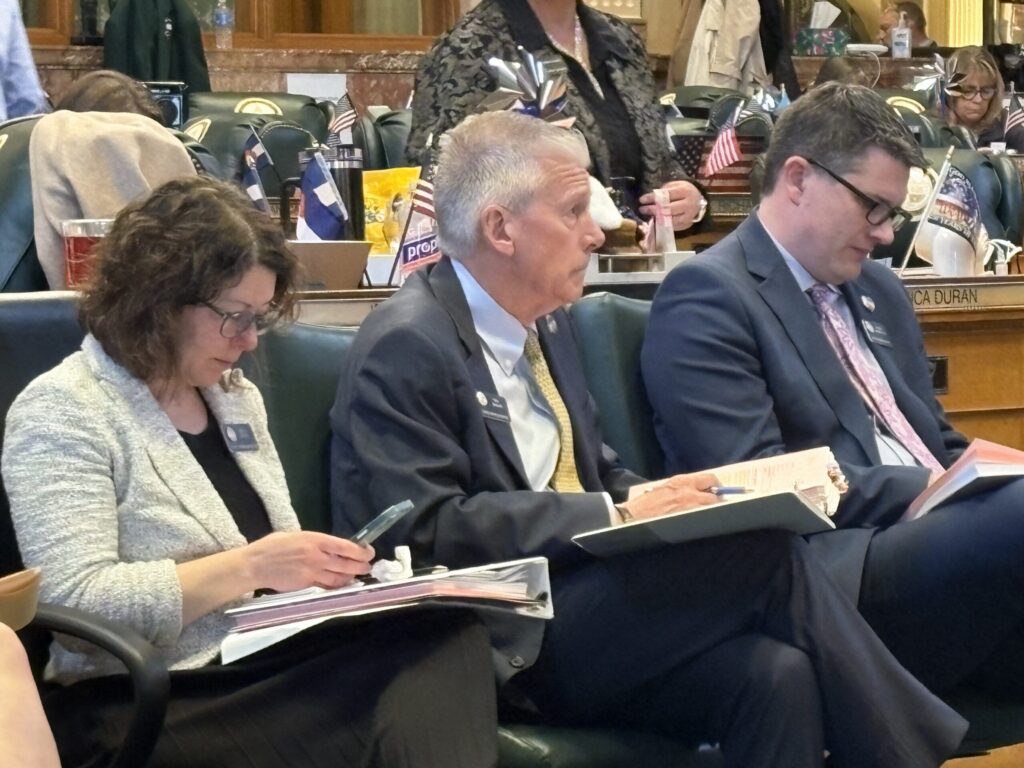
Colorado lawmakers grapple with spending cuts amid $1 billion-plus deficit
Marianne Goodland
marianne.goodland@coloradopolitics.com
Updated 30 minutes ago
The battle over Colorado’s budget for next year — which stalled in the House over a procedural maneuver — entered a more difficult phase on Thursday, when legislators grappled with hundreds of millions of dollars in proposed reductions to balance...
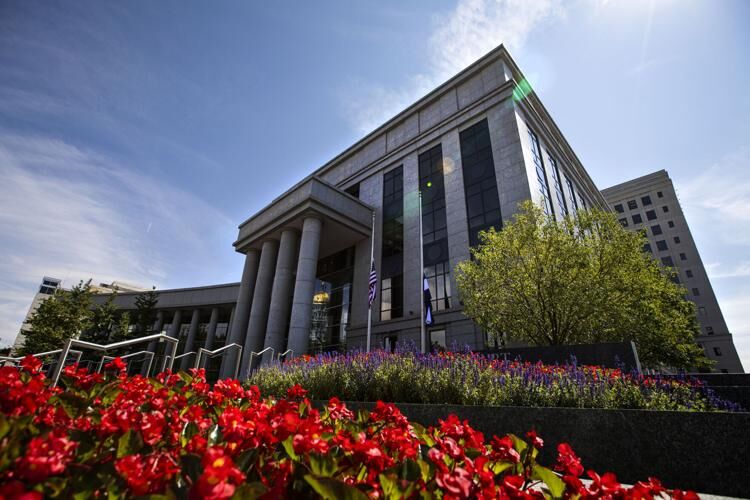
New rules for private judges in Colorado include discipline oversight, campaign contributions
David Migoya
david.migoya@gazette.com
Updated 3 hours ago
The Colorado Supreme Court recently determined the state’s private judges — retired jurists appointed to oversee civil cases that rarely get public scrutiny — can now make political contributions freely and without reserve, overruling a prohibition that had been in...

Colorado bill reshaping RTD board advances
Marissa Ventrelli
marissa.ventrelli@coloradopolitics.com
Updated 3 hours ago
A proposal to reshape the Regional Transportation District’s leadership easily cleared a committee vote Wednesday, advancing the bill sponsors say is needed to revive a transit system still struggling to regain riders and public trust. Critics have countered that, while...

Colorado Democrat John Hickenlooper pulls in nearly $1.4M in 1st quarter, heads into primary with $4M
Ernest Luning
ernest.luning@coloradopolitics.com
Updated 2 hours ago
U.S. Sen. John Hickenlooper’s campaign raised nearly $1.4 million in the first quarter of 2026 and plans to report more than $4 million on hand heading into Colorado’s June primary, the first-term Democrat’s campaign said Thursday. That brings Hickenlooper’s total...
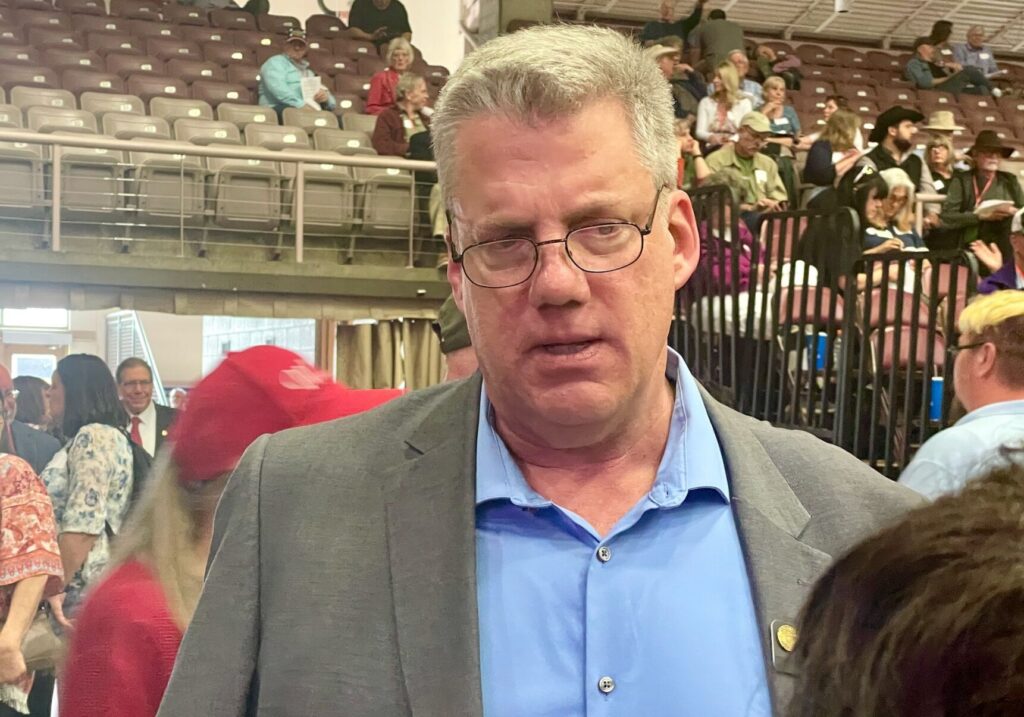
Republican Ron Hanks plans ‘grassroots’ primary challenge to US Rep. Jeff Hurd in Colorado’s 3rd CD
Ernest Luning
ernest.luning@coloradopolitics.com
Updated 3 hours ago
Colorado Republican Ron Hanks, a former state lawmaker, plans to challenge first-term U.S. Rep. Jeff Hurd in the 3rd Congressional District primary by seeking a spot on the June ballot at the GOP’s district assembly in Pueblo on Friday, Colorado...
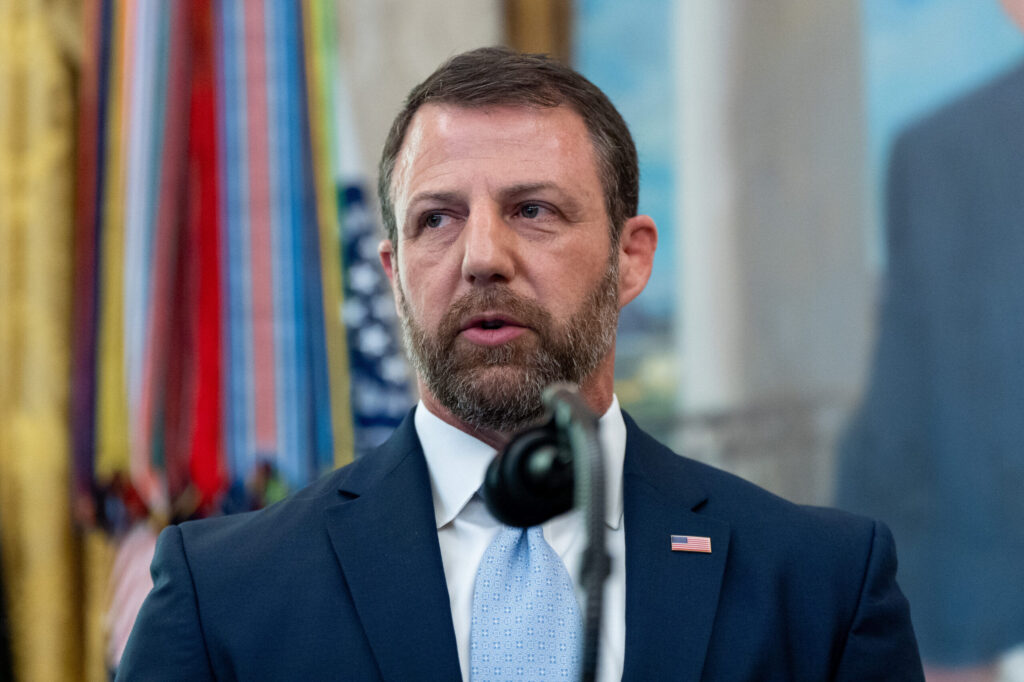
Five ways Mullin is already pushing DHS in a new direction
Anna Giaritelli Washington Examiner
anna-giaritelli-washington-examiner@coloradopolitics.com
Updated 7 hours ago
The Trump administration’s newest Cabinet secretary, Markwayne Mullin, has already begun to implement major changes across the Department of Homeland Security Mullin replaced President Donald Trump’s first DHS secretary, Kristi Noem, and was an unexpected pick to lead the department...
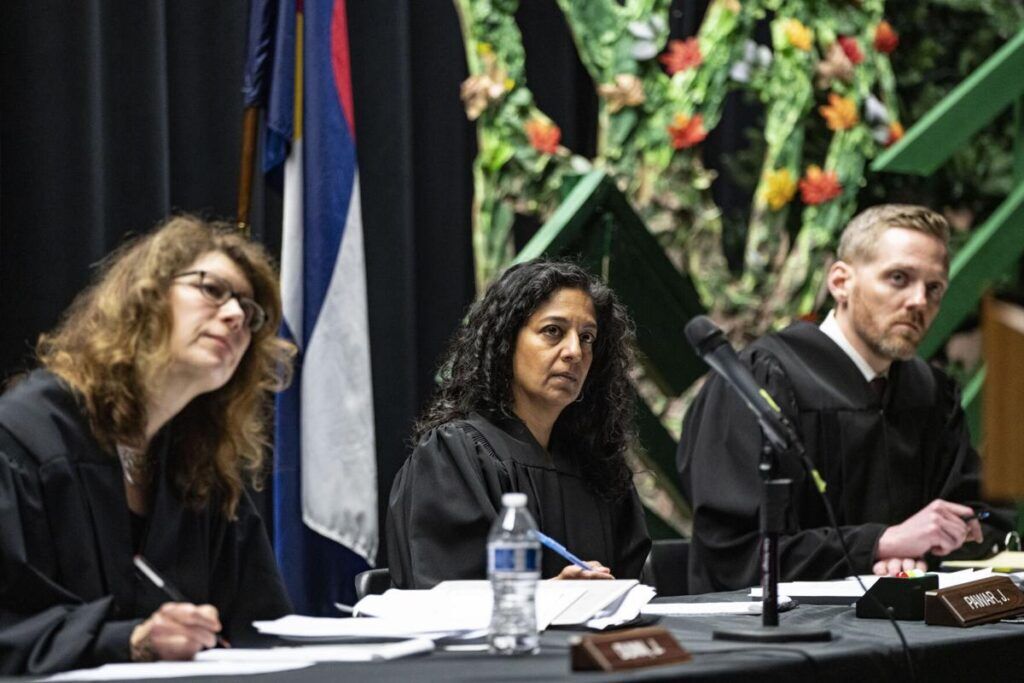
Appeals court finds Prowers County judge incorrectly analyzed firetruck collision lawsuit
Michael Karlik
michael.karlik@coloradopolitics.com
Updated 7 hours ago
Colorado’s second-highest court directed a Prowers County judge last month to take a second look at whether a firetruck operator and the county itself can be held liable for a collision with a motorist. Donald Williamson was driving through a...
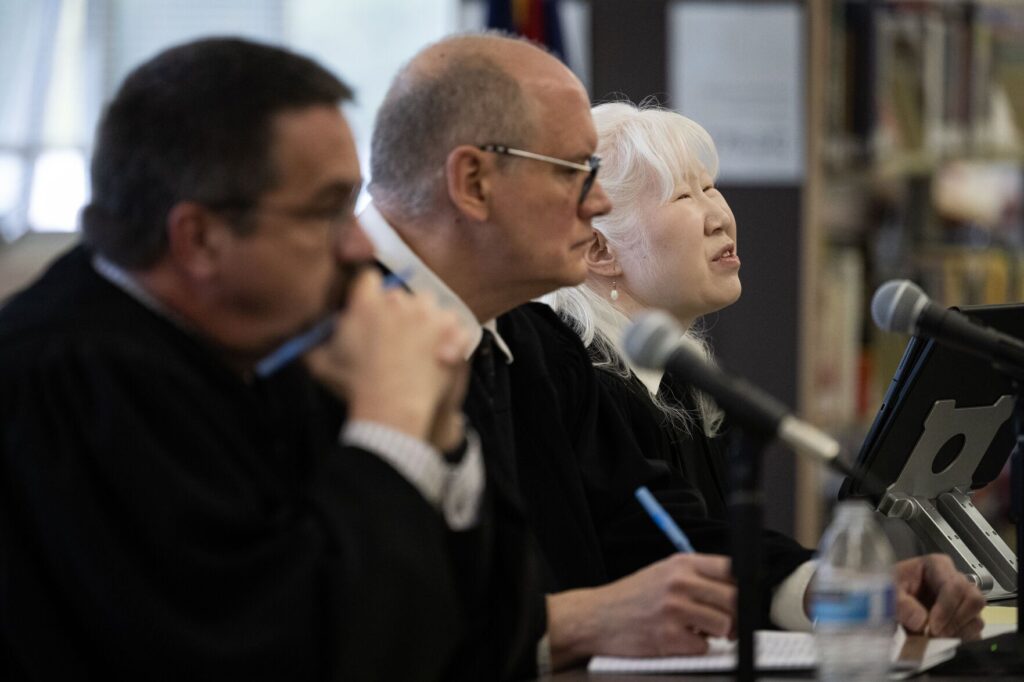
Appeals court reverses assault convictions after jury received no definition of ‘harm’
Michael Karlik
michael.karlik@coloradopolitics.com
Updated 8 hours ago
Colorado’s second-highest court reversed an Arapahoe County defendant’s assault convictions last week, concluding the trial judge neglected to define a key, ambiguous term for jurors. Police officers arrested David Cristobal Aragon at a house party for allegedly violating a restraining...
Colorado counties cannot challenge state law restricting immigration contracts, appeals court says
Michael Karlik
michael.karlik@coloradopolitics.com
Updated 4 hours ago
Colorado’s second-highest court ruled on Thursday that counties lack standing to challenge a 2023 state law that restricts their ability to contract with the federal government or private entities for immigration detention. A three-judge Court of Appeals panel agreed with...
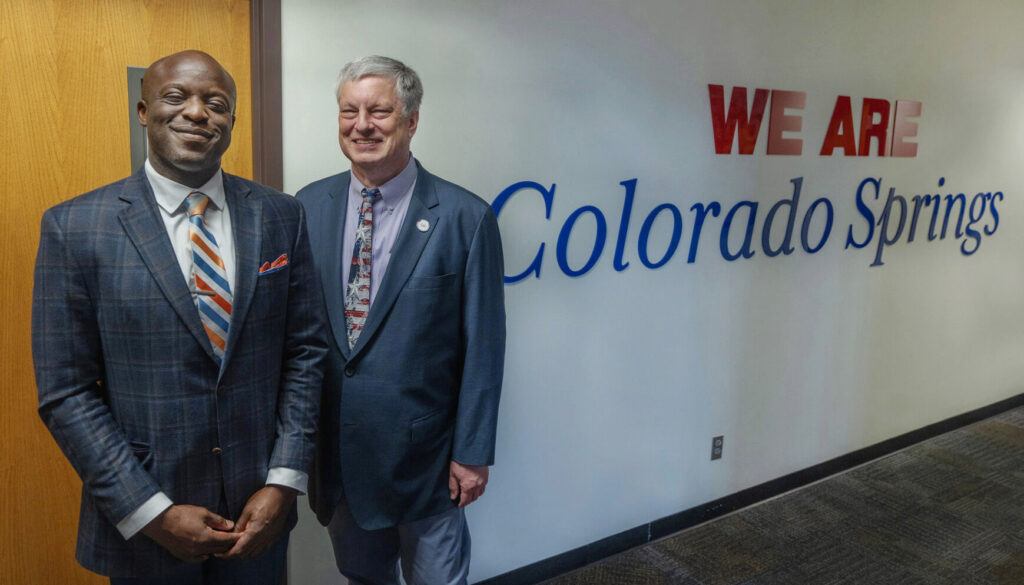
Wayne Williams joins city as Colorado Springs Mayor Mobolade’s new chief of staff
Brennen Kauffman
brennen-kauffman@coloradopolitics.com
Updated 6 hours ago
Wayne Williams will be the next chief of staff for Colorado Springs Mayor Yemi Mobolade, turning the two former election opponents into partners in city government. The two officially announced the hire Thursday, citing Williams’ decades of experience with city,...
PREV
PREVIOUS
Denver Urban League Young Professionals calls out Comcast
Urban League Young Professionals of Metropolitan Denver issued a statement Tuesday about a civil rights case involving Comcast Corp., to be heard by the U.S. Supreme Court this week. TV personality and executive Byron Allen has a four-year-old, $20 billion lawsuit against the cable provider for refusing to carry any of his seven lifestyle channels, alleging […]

Resist Polis PAC relaunches as the Colorado Freedom Force
They’re baaaack. The Resist Polis PAC, one of two groups that led the effort during the summer to collect petition signatures to recall Gov. Jared Polis, is taking another shot at political action and plan to take their fight to the state Capitol. “Colorado Politics will never be the same again,” the Recall Polis website (which is […]