

Rapidly expanding hemp industry faces regulatory hurdles
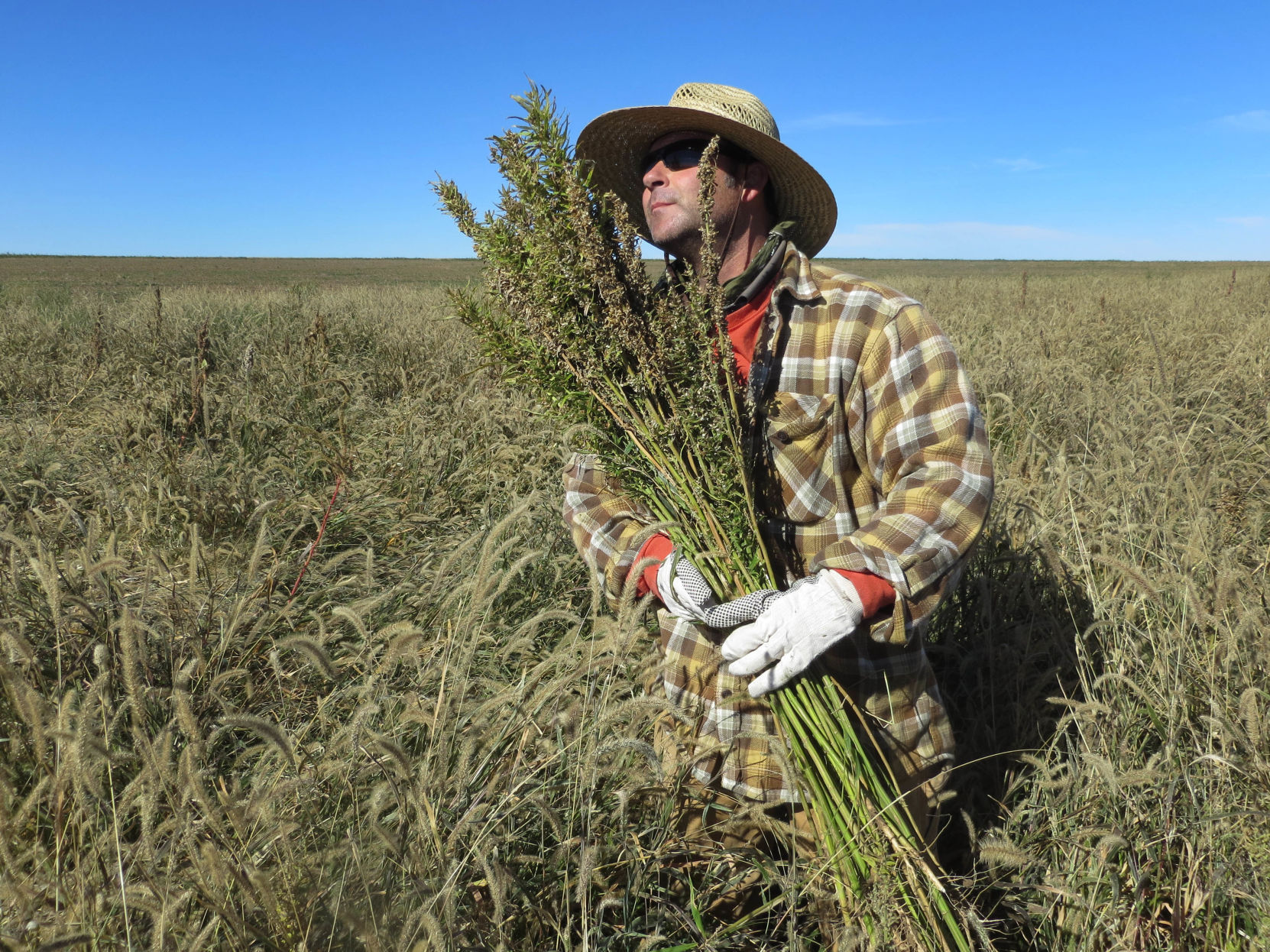
Hemp production is growing in Colorado, but regulations on the level of THC mean that some crops will never make it to market, The Colorado Sun reports.
By federal regulation, hemp can only contain 0.3% of THC, the main psychoactive ingredient of cannabis. The lower percentage differentiates hemp from marijuana.
“Plant varieties or cultivars having higher amounts of THC may not be cultivated as they are considered to have too high a potential for drug use,” a federal report from March 2019 stated.
However, that same report found that marijuana averages 10% THC, with concentrations as high as 30%.
Under state rules, any crops that exceed 0.3% must be destroyed, if not intended for research purposes. Growers view a 1% threshold as more realistic, still far short of marijuana-level content.
The Colorado Sun reported that over 2,500 applicants planted 80,000 acres of hemp in the past year, which was a 50,000-acre increase from the year prior. Consumer demand has pushed prices to as much as $60,000 per acre.
State Rep. Jeni James Arndt, D-Fort Collins, said she has had some discussions about the topic of crop destruction, but is not prepared to file legislation yet.
“Changing the THC content allowed goes against the federal definition. But as you know, in Colorado we sort of push the envelope a lot,” she said.
The Colorado Department of Agriculture said that it is still calculating how many crops have been destroyed in 2019 because of excessive THC. It did not have records for the hemp destroyed in 2017 and 2018.
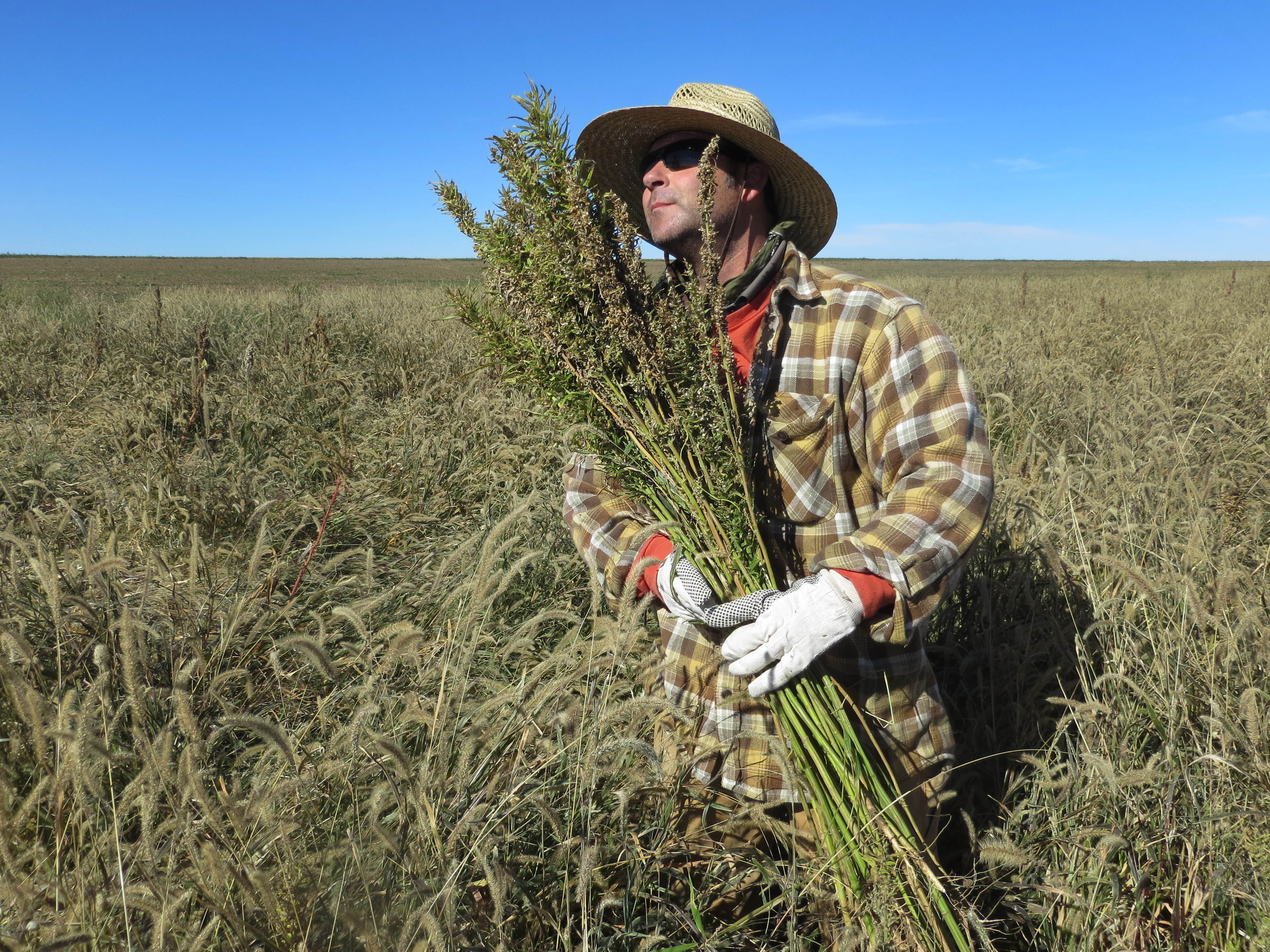

‘Peaking at the right time’: Barbara Kirkmeyer is confident as ballots go out
Thelma Grimes
thelma.grimes@coloradopolitics.com
Updated 41 minutes ago
Calling 2026 an “interesting” year, Sen. Barbara Kirkmeyer said the race for the Republican nomination has taken her from a “bizarre debate” to a broader effort to maintain the party’s integrity, while making the case that she’s ready to lead...
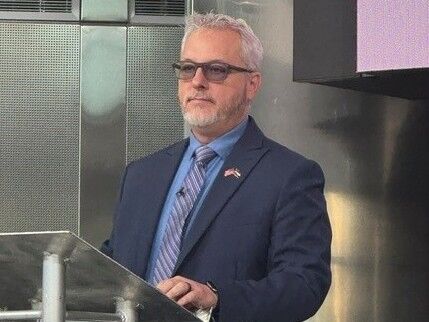
Rural frustration, parental rights shape Scott Bottoms’ pitch ahead of Colorado’s gubernatorial primaries
Thelma Grimes
thelma.grimes@coloradopolitics.com
Updated 56 minutes ago
With just weeks before Colorado’s June primary, Republican gubernatorial candidate state Rep. Scott Bottoms is spending nearly all his time on the road — literally crisscrossing the Western Slope and eastern plains — in a final push to connect with...

Appeals court adopts federal standard for jail deaths under Colorado law
Michael Karlik
michael.karlik@coloradopolitics.com
Updated 3 hours ago
Colorado’s second-highest court decided last month that the standard used by federal courts for assessing whether government officials may be liable for constitutional violations upon the death of a jail detainee also applies to claims made under the Colorado Constitution....
Registered voters on the eve of the 2026 primaries | Cronin & Loevy
Tom Cronin Bob Loevy
tom-cronin-bob-loevy@coloradopolitics.com
Updated 2 days ago
The Colorado Secretary of State’s Office has published the latest voter registration figures for the state and its counties as of June. Colorado ranks among the highest states for independent, or unaffiliated, voters. Only Alaska and Massachusetts have more. New Hampshire, New Jersey, Maine and Oregon also rank highly. So here...
A decade after Standing Rock protests, Dakota Access oil pipeline segment gets OK | OUT WEST ROUNDUP
The Associated Press
the-associated-press@coloradopolitics.com
Updated 5 days ago
NORTH DAKOTA Pipeline segment OK’d BISMARCK — Federal officials on May 21 gave final approval for the Dakota Access oil pipeline to continue operating its contentious Missouri River crossing, an outcome that comes nearly a decade after boisterous protests against...
Rep. Jeff Crank thinks Democrats are too focused on Trump, not enough on Colorado Springs | Vince Bzdek
Vince Bzdek
vince.bzdek@gazette.com
Updated 20 hours ago
For U.S. Rep. Jeff Crank, who’s unopposed in the Republican primary for the 5th Congressional District but the main target of both candidates in the lively Democratic primary, the big question in the midterms is not who will stand up...

Colorado Politics Calendar June 22-28
Rachael Wright, Special to Colorado Politics
rachael.wright@coloradopolitics.com
Updated 5 days ago
CoPo’s weekly political calendar will help you find political and public-policy events throughout Colorado. It includes candidate and issue campaign events, public policy meetings, court hearings, state and local party conventions, assemblies, debates, rallies, parades, speaking engagements, traveling dignitary appearances,...
Vice president attends Denver event to support energy freedom; more news from the past | A LOOK BACK
Rachael Wright, Special to Colorado Politics
rachael.wright@coloradopolitics.com
Updated 5 days ago
Forty-Five Years Ago This Week: Vice President George H.W. Bush flew to Denver to address the annual meeting of the American Association of Petroleum Landmen, where he assured the audience that the Reagan administration’s strong belief was that the private...
Does character matter anymore? | SONDERMANN
By Eric Sondermann
by-eric-sondermann@coloradopolitics.com
Updated 5 days ago
The last few weeks have been illuminating in the manner of a headlamp pointing the way to some deep, dark, murky netherworld. Graham Platner, a hero to the populist set on the Democratic side, became his party’s Senate nominee in...
Denver City Council considers criminal code update
Deborah Grigsby
deborah.smith@denvergazette.com
Updated 3 hours ago
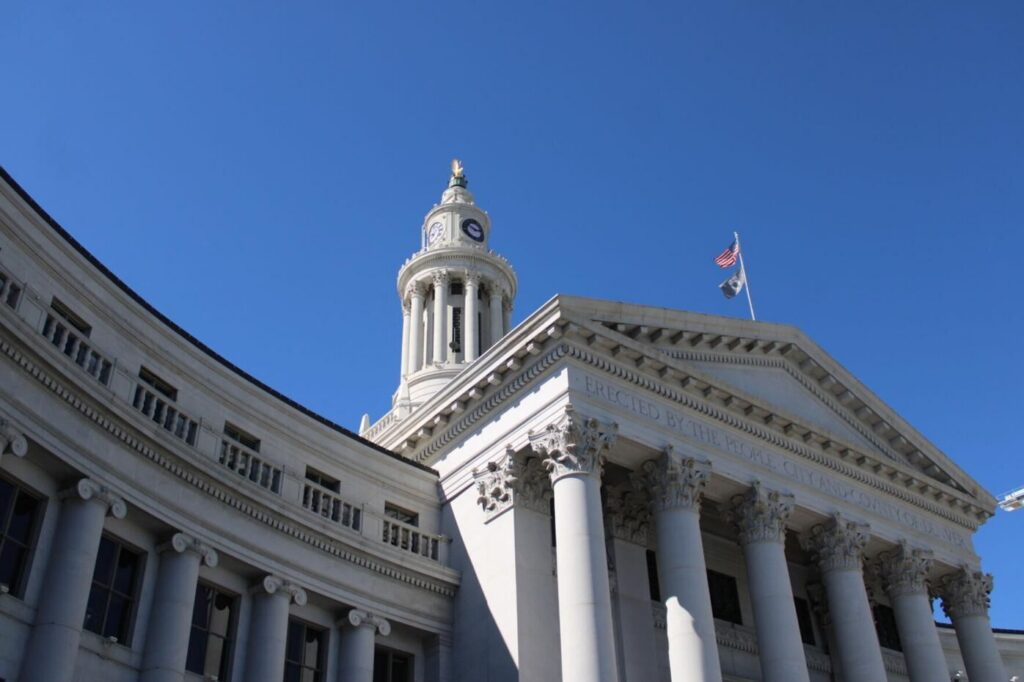
Returning to the Denver City Council chambers this week is an ordinance that would update the city’s criminal code to align local penalties with state laws and recent Colorado Supreme Court rulings. It primarily aims to reduce the maximum possible...
PREV
PREVIOUS

Governor's office releases first phase of transportation system overhaul
A little shy of a year after being elected governor, Jared Polis offered the first glimpse of a transportation plan Monday. He did not release a plan with solutions to address the next decade. Instead, the Colorado Department of Transportation provided a report on the comments from a statewide listening tour that started in May […]
Colorado state Sen. Jerry Sonnenberg weighs in on Proposition DD — and he's a 'no'
Republican state Sen. Jerry Sonnenberg of Sterling, one of the state Capitol’s most knowledgeable lawmakers on water, announced Monday he will be a “no” vote on Proposition DD. That’s the ballot measure that will ask voters to approve a 10% tax on net proceeds on sports betting though casinos licensed in Blackhawk, Central City and Cripple […]