

Coalition announces first-ever strategic plan for dealing with substance abuse recovery

A coalition of state and nonprofit health organizations this week released a five-year strategic plan that should address a critical gap in the state’s efforts on substance abuse: helping those who’ve gone through treatment with the next step, recovery.
More than 400,000 Coloradans are recovering from substance abuse disorders. While the state has been ramping up efforts in treatment for the last several years, recovery hasn’t gotten that same kind of attention.
The state plan outlines the steps that will be needed to reach some of the goals around recovery, including:
- Creating sustained funding to support existing recovery services or to develop new ones.
- Expanding access to medication-assisted recovery and to incorporate recovery into treatment or service plans.
- Working with law enforcement on how to provide recovery services for those in the criminal justice system.
“We know that support for someone who has struggled with addiction can’t end when they leave treatment,” said Robert Werthwein, director of the Office of Behavioral Health, said in a statement. “This plan will help guide our state as we strive to ensure that we’re supporting people in recovery and helping them maintain the quality of life that they choose.”
At the heart of the strategic plan is that recovery happens in communities. According to a statement Monday by the three entities involved in the strategic plan, “Clinical treatment can provide a bridge to recovery, but an individual’s recovery is supported by safe and stable housing, having a meaningful work or another daily activity, and good mental health and physical well-being.”
The plan is the result of House Bill 1003 in 2018. That measure initially tasked the Colorado Consortium for Prescription Drug Abuse Prevention at the University of Colorado with coming up with a plan for a full slate of recovery services intended to address the opioid epidemic. The Office of Behavioral Health within the Department of Human Services manages the state portion of the project.
The larger needs for recovery are for alcohol abuse, said Joe Hanel, communications director for the Colorado Health Institute, which also worked on the plan.
“It’s a much broader problem” than just opioids, he said.
Federal grants will help fund recovery efforts, and while some are specifically targeted for opioid abuse, that funding doesn’t necessarily have to be limited to opioids, Hanel said.
“It’s difficult to create a system that is segmented” by the type of substance abuse, he said. “You don’t have counselors who specialize in opioid recovery. They specialize in substance abuse.”
But most of the resources for substance abuse focus on treatment, and the recovery side gets a short shrift. There aren’t that many services focused on recovery, Hanel said.
What’s the difference? “Treatment is about breaking the addiction and getting sober,” including doctors, rehab and medication, Hanel said.
“Recovery is about reclaiming your place in society, how to live with the condition and how to accommodate relapses,” he said.
The Betty Ford Institute defines it as “a voluntarily maintained lifestyle comprised of sobriety, personal health and socially responsible living.”


Colorado lawmakers push limits on data-driven pricing as critics push back
Marissa Ventrelli
marissa.ventrelli@coloradopolitics.com
Updated 2 hours ago
Colorado lawmakers are weighing a proposal to restrict the use of algorithms in setting prices and wages, as advocates warn the technology enables hidden discrimination while business groups argue the bill overreaches and interferes with legitimate data‑driven practices. House Bill...

10th Circuit upholds verdict against Denver, officer for protest-related violations
Michael Karlik
michael.karlik@coloradopolitics.com
Updated 1 hour ago
The Colorado-based federal appeals court on Tuesday turned aside multiple challenges to a 2022 jury verdict that found Denver and one of its officers violated the constitutional rights of protesters and were liable for $14 million. In the first of...

Colorado Senate candidate charged with felony child neglect after daughter nearly drowns in Florida pool, police say
Marianne Goodland
marianne.goodland@coloradopolitics.com
Updated 2 hours ago
Frederick Alfred, Jr., the sole Republican candidate for Senate District 21 in the June primary and November general election, was arrested in Key West, Florida, late Monday night. Alfred, 38, was charged with two counts of felony child neglect and...
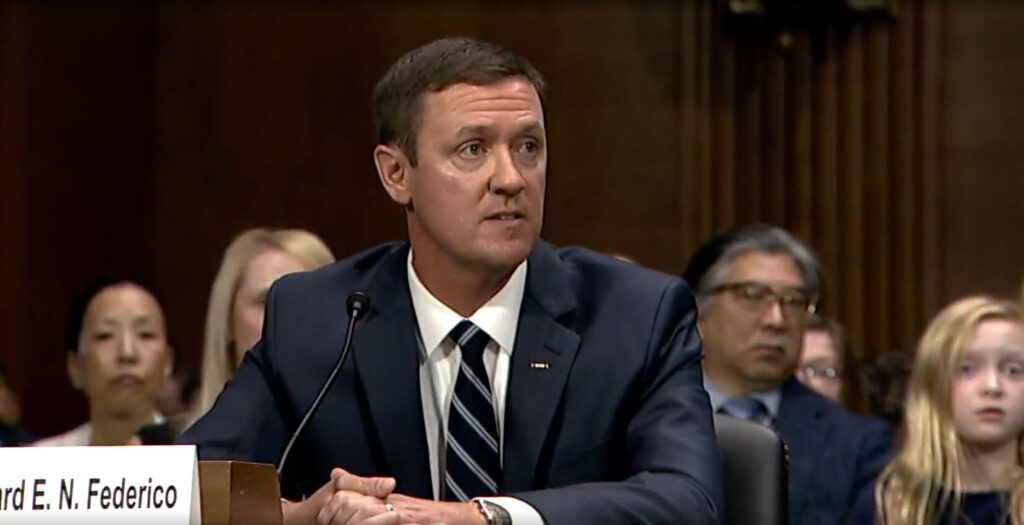
Divided 10th Circuit takes no issue with surprise police encounter with suspect
Michael Karlik
michael.karlik@coloradopolitics.com
Updated 37 seconds ago
Police officers who unexpectedly encountered a Durango-area man while they were preparing to search his nearby home did not commit a constitutional violation by seizing his phone during the ensuing traffic stop, the Denver-based federal appeals court ruled last week....
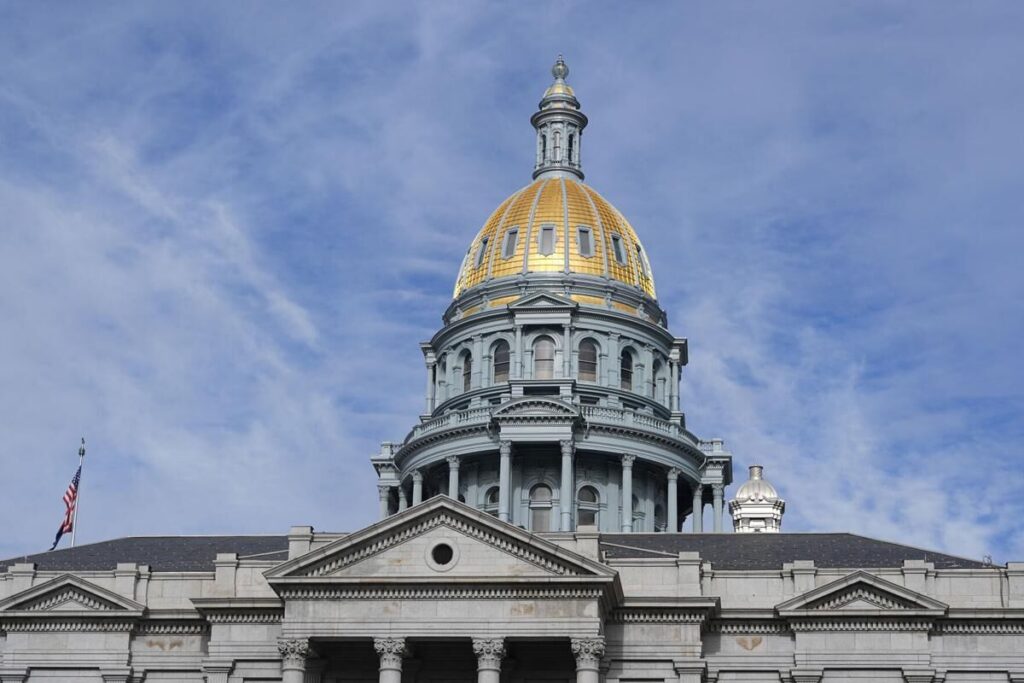
Colorado lawmakers set Jan. 11 start date for 2027 General Assembly
Marianne Goodland
marianne.goodland@coloradopolitics.com
Updated 2 hours ago
Legislative leaders on Tuesday confirmed that the 2027 session of the Colorado General Assembly will begin on Monday, Jan. 11. Ordinarily, legislative sessions start on the second Wednesday in January. That schedule shifts in years when a new governor is...

10th Circuit rules State Farm not required to pay benefits in I‑25 swerving crash
Michael Karlik
michael.karlik@coloradopolitics.com
Updated 6 hours ago
The Denver-based federal appeals court concluded last week that two vehicle occupants who were injured while swerving to avoid a man in the middle of Interstate 25 are not entitled to insurance benefits. Plaintiffs Stephanie Mazur and Julia Wunder were...
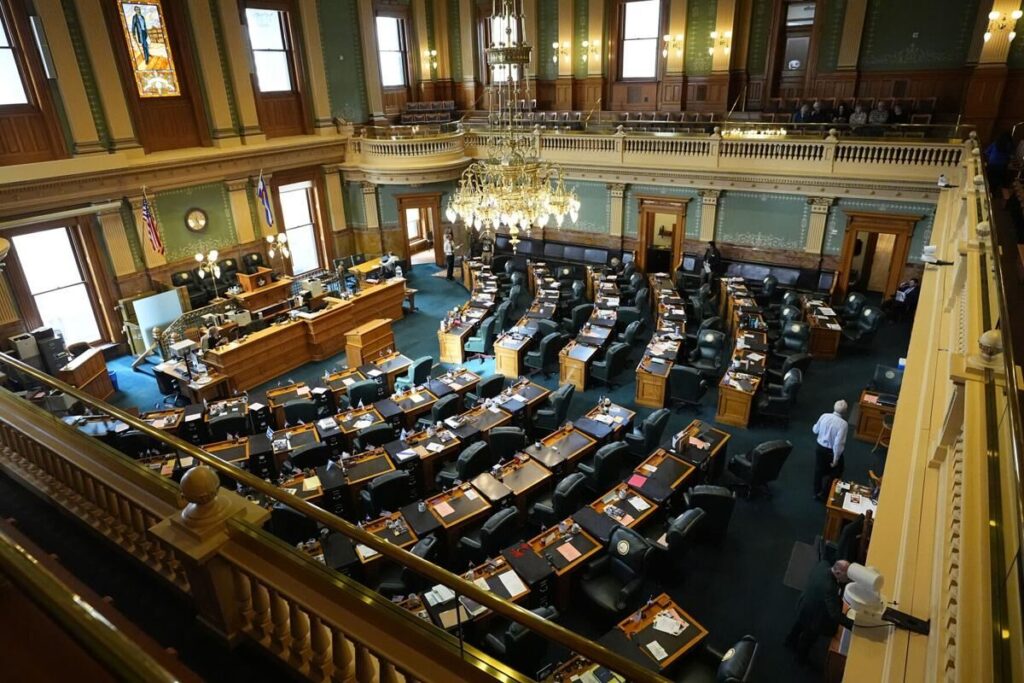
Colorado ethics panel to review complaint alleging misuse of Democratic caucus funds by chair
Marianne Goodland
marianne.goodland@coloradopolitics.com
Updated 2 hours ago
A legislative ethics panel in Colorado is scheduled to meet Wednesday to review a complaint alleging that Aurora Democrat Rep. Mandy Lindsay misused House Democratic caucus funds. Rep. Bob Marshall, D‑Highlands Ranch, filed the complaint on Jan. 26. Marshall’s complaint...
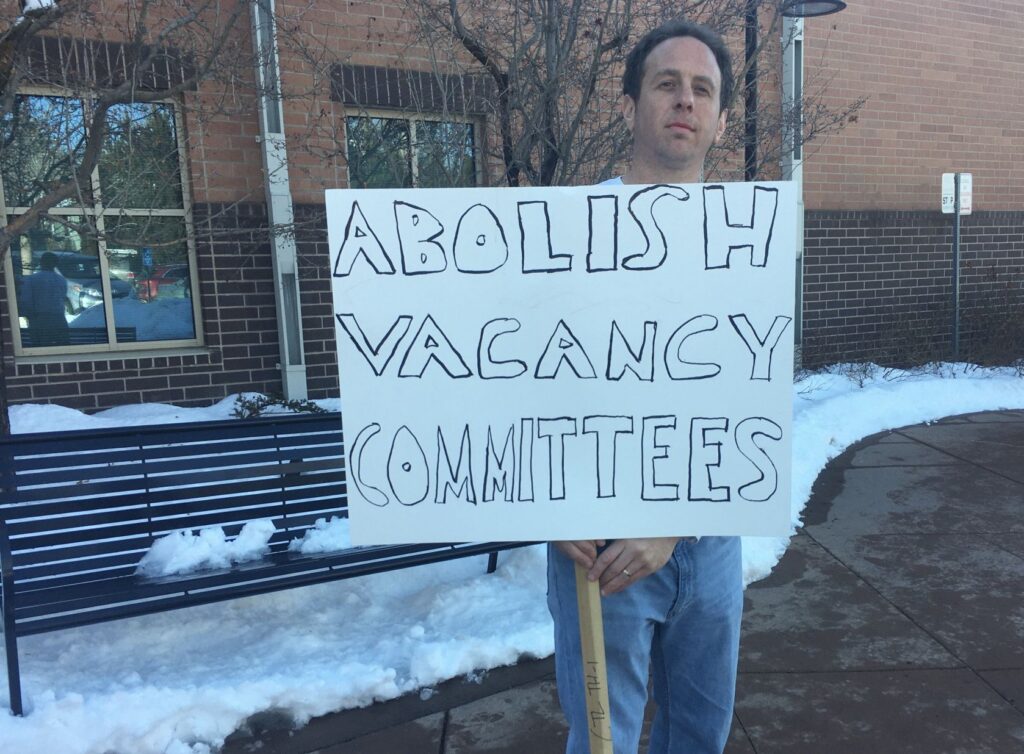
Proposal to ban appointed Colorado legislators from serving in next term fails to advance
Marissa Ventrelli
marissa.ventrelli@coloradopolitics.com
Updated 7 hours ago
For the third year in a row, lawmakers have struck down a proposal that would have prohibited members of the Colorado General Assembly who were appointed through a vacancy committee from serving in the term immediately after. Sponsored by Rep....

Trump says Strait of Hormuz won’t reopen until Iran strikes a deal with US
Mabinty Quarshie, Washington Examiner
mabinty.quarshie.washington.examiner@gazetteedit.wpenginepowered.com
Updated 6 hours ago
President Donald Trump said in a new interview that the Strait of Hormuz will remain closed until the United States and Iran reach a peace deal to end the ongoing war. The two nations are set to begin a second...

US and Iran signal new ceasefire talks in Islamabad as truce nears end
Jon Gambrell
jon.gambrell@associatedpress.com
Updated 11 hours ago
ISLAMABAD (AP) — The United States and Iran have signaled they will hold a new round of ceasefire talks in Pakistan, two regional officials said Tuesday, as leaders on both sides warned they were prepared for more fighting if a...
PREV
PREVIOUS

Republicans take early lead as Colorado voters start to return ballots
Colorado voters are returning ballots at a faster rate than in previous off-year elections, according to data released Wednesday by the Colorado Secretary of State’s Office. With 13 days to go until Election Day, 241,287 ballots had been received and processed by county election officials – compared to around 175,000 ballots returned at the same […]
Polis, U.S. Forest Service sign public lands management framework
Colorado Gov. Jared Polis and the U.S. Department of Agriculture on Wednesday signed a framework for managing Colorado’s 24.2 million acres of forest lands – nearly 16 million of which the federal government owns. The Shared Stewardship Agreement promotes several mutual themes, among which are ecological restoration, protecting water and promoting sustainable recreation. As of […]