

Colorado joins lawsuit challenging Trump administration rule against state emissions standards
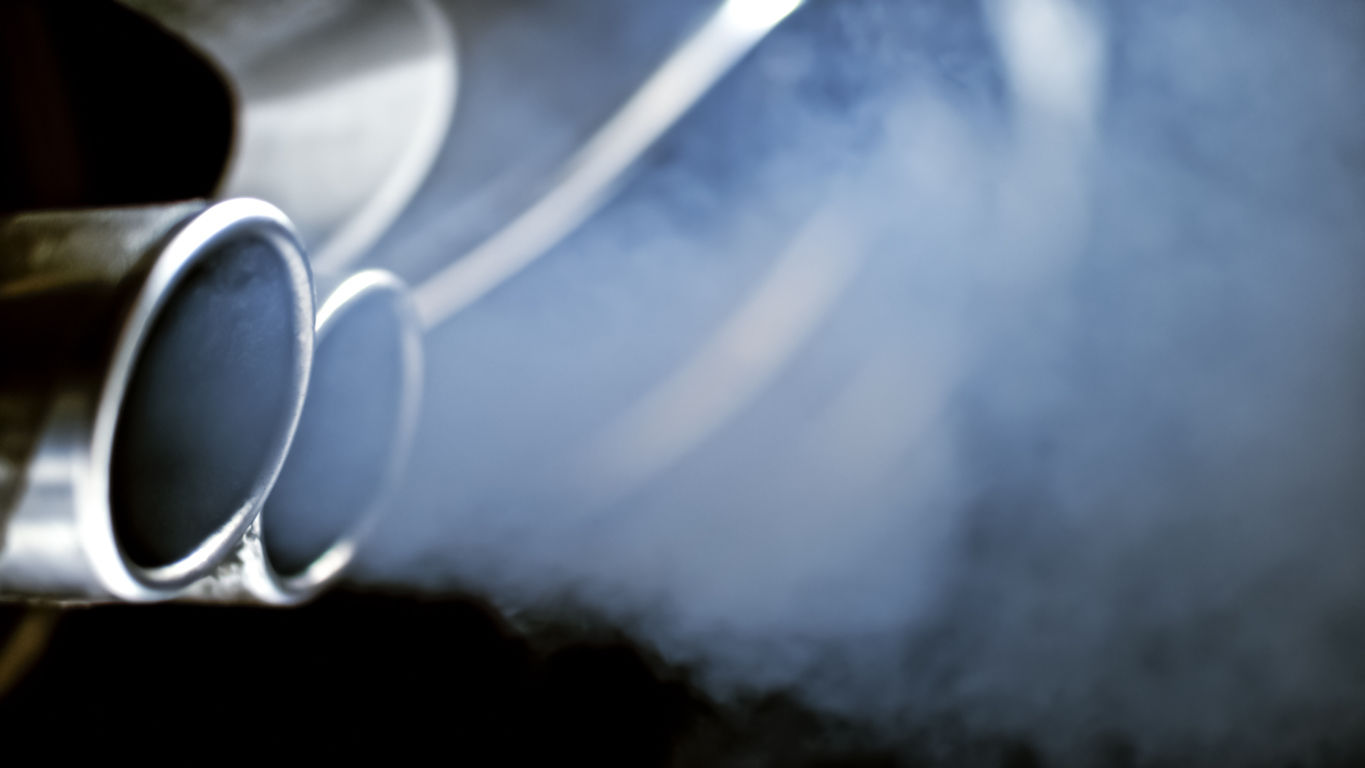
Gov. Jared Polis and Attorney General Phil Weiser have added Colorado to a lawsuit challenging President Donald Trump for moves limiting states’ power to regulate emissions.
The Trump administration revoked California’s authority to set auto mileage standards stricter than existing federal regulations Wednesday, a move he said would result in cheaper, safer vehicles.
“Many more cars will be produced under the new and uniform standard, meaning significantly more JOBS, JOBS, JOBS! Automakers should seize this opportunity, because without this alternative to California, you will be out of business,” Trump tweeted.
In response, Colorado partnered with California and other states and local governments around the nation to get the regulation reversed, arguing in the suit that the federal government has upheld states’ right to establish their own environmental standards for decades.
“By taking this unprecedented and unjustified action of revoking the waiver, the federal government is failing to respect states’ authority to protect the public health and environment when it comes to setting emissions standards from cars and trucks,” Weiser said. “I will continue to fight for clean air and Colorado’s right to protect its residents.”
California was joined by 22 other states, including Colorado, and the District of Columbia in suing the administration in a bid to preserve the state’s power to set tougher vehicle-emissions standards for the country’s auto industry.
“California has been regulating vehicle emissions since 1959. Its authority to do so has been repeatedly recognized, reaffirmed, and even expanded by Congress,” the states said in the lawsuit. The new Trump administration effort “flies in the face of this history,” the states said.
Federal regulators are working on their own tailpipe-emission rules that could ease requirements set under the Obama administration in 2012. Their efforts, they said, would give drivers access to cheaper, safer cars while providing certainty to auto manufacturers as they engineer future models of cars that comply with anti-air-pollution rules.
The move has potential to impact Colorado’s recently implemented emission standards. The Air Quality Control Commission adopted a proposal in August to implement a “zero emission vehicle” program that would mandate an increase in statewide sales of electric vehicles by 2023.
Air quality has been a priority for Polis, who asked the U.S. Environmental Protection Agency to lower Colorado’s air rating from “moderate” to “serious,” and for the city of Denver, which has launched programs encouraging alternatives to driving.
“We won’t let Washington, D.C., bureaucrats and lawyers interfere with our plans to reduce smog and improve our health in Colorado,” Polis said. “Rather than infringing upon state’s rights, the Trump administration should be working with us on solutions to an issue that has a long history of bipartisan consensus and industry support.”
The Colorado Automobile Dealers Association supported Trump’s rule. The group’s CEO said Wednesday that California’s standards create “a complicated, contradictory system that ultimately costs consumers.”
“The California emissions standards reflect famously bad air quality in cities like Long Beach and Los Angeles, not conditions in Colorado,” CEO Tim Jackson said. “The California standards don’t take into consideration Colorado’s unique driving conditions, with mountainous terrain, challenging weather and long distances between communities.”
Denver-Aurora ranked 12th worst in the country for ozone pollution in an April study by the American Lung Association. But the Front Range area did have improved air quality this summer, with 30 Ozone Action Alert Days between May 31 and Aug. 31, as opposed to 52 in that time period of 2018.
“Consumers, industry and the states are working together on common sense solutions to reduce smog,” Polis said. “What part of cleaner air, more consumer choice and lower costs does the president disagree with?”
California’s rules got some industry support earlier this year. In July, four car companies – Ford, Honda, Volkswagen and BMW – voluntarily signed an agreement with California to meet tougher emission requirements than those proposed by the Trump administration. The companies said the agreement is intended to show support for a single, nationwide vehicle-emissions standard.
Specifically, the auto makers agreed to improve average fuel efficiency by 3.7% annually from model years 2022 to 2026. They would get some credit toward that goal for selling electric vehicles.
The Wall Street Journal contributed.


Appeals court reverses Jeffco assault convictions due to omitted jury instruction
Michael Karlik
michael.karlik@coloradopolitics.com
Updated 1 hour ago
Colorado’s second-highest court agreed last month that a Jefferson County defendant’s assault convictions could not stand because his jury should have been allowed to consider whether he used force against a bar patron to defend his girlfriend from inappropriate touching....
Colorado Supreme Court tosses man’s lawsuit over daughter’s traffic death
Michael Karlik
michael.karlik@coloradopolitics.com
Updated 2 hours ago
The Colorado Supreme Court applied a confusing matrix of conditions and deadlines in state law to conclude on Monday that a man waited too long to sue after his daughter was rendered unconscious and later died from a vehicle accident....
Supreme Court upholds birthright citizenship, rejecting Trump’s proposed limits
The Associated Press
the-associated-press@coloradopolitics.com
Updated 3 hours ago
WASHINGTON • A divided Supreme Court on Tuesday upheld a broad conception of birthright citizenship, rejecting President Donald Trump’s executive order declaring that children born to people who are in the United States illegally or temporarily are not American citizens....
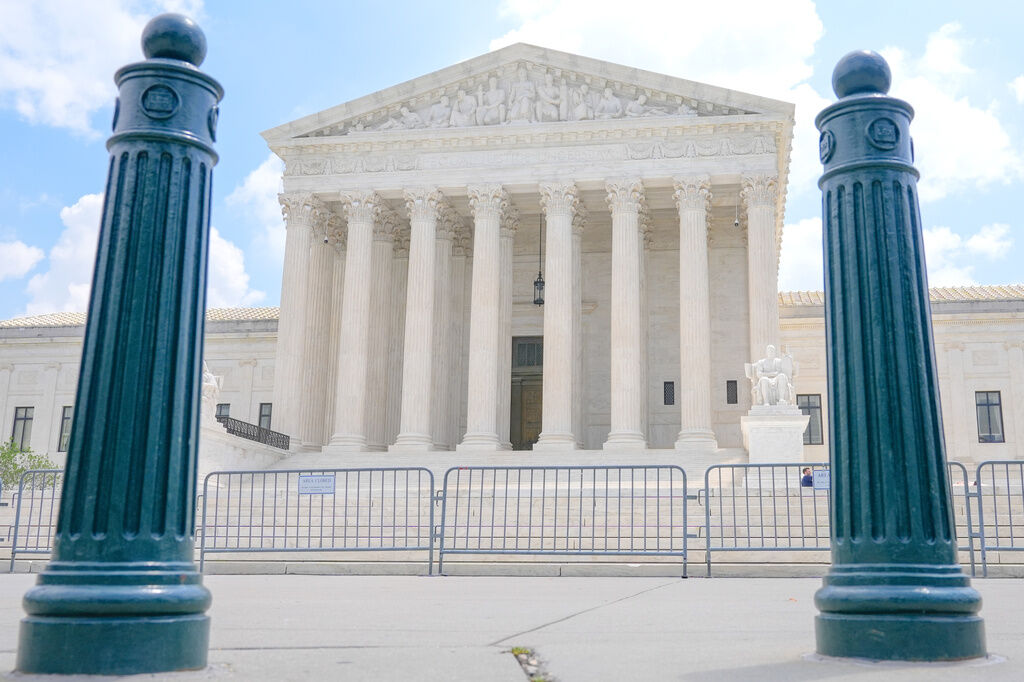
U.S. Supreme Court upholds state laws banning transgender girls and women from school athletic teams
The Associated Press
the-associated-press@coloradopolitics.com
Updated 4 hours ago
WASHINGTON • The U.S. Supreme Court on Tuesday upheld state laws barring transgender girls and women from playing on school athletic teams. The court’s conservative majority ruled that state bans in Idaho and West Virginia don’t violate the U.S. Constitution...
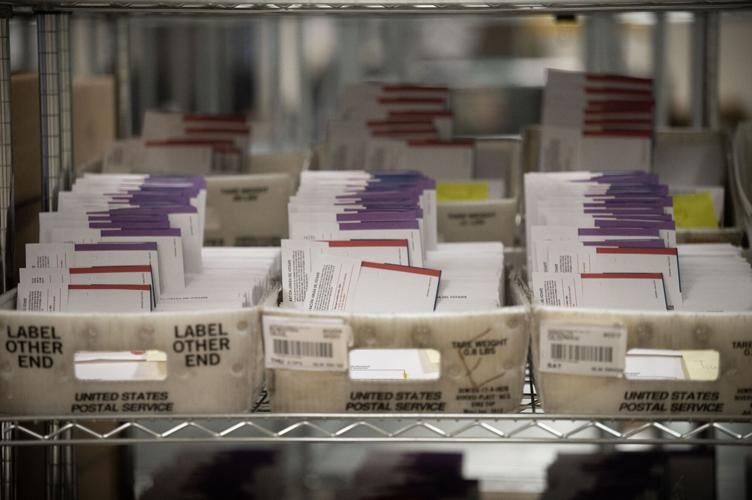
Colorado voters head to the polls today — check here for regular updates
Colorado Politics
colorado-politics@coloradopolitics.com
Updated 7 hours ago
Colorado voters head to the polls today to pick primary winners that will vie for statewide offices in November, the result of which would determine the direction of the state in the coming years. At stake are the parties’ nominees...
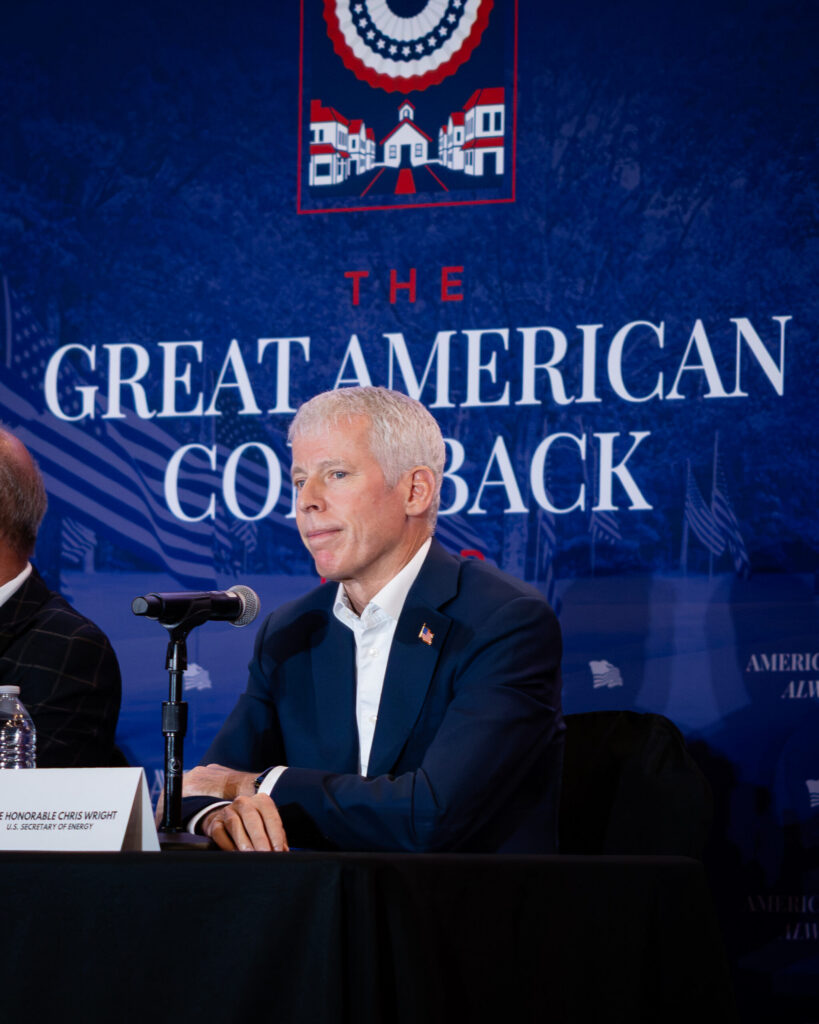
Energy secretary says U.S. must grow capacity, lower price during Colorado visit
Mark Samuelson Special to The Denver Gazette
mark.samuelson@denvergazette.com
Updated 5 hours ago
As a heatwave in the U.S. and Europe punctuated widespread calls for recommitments to solar and other “renewable” sources, U.S. Secretary of Energy Chris Wright doubled down on America’s current policy, telling a Thornton crowd on Monday that energy goals...
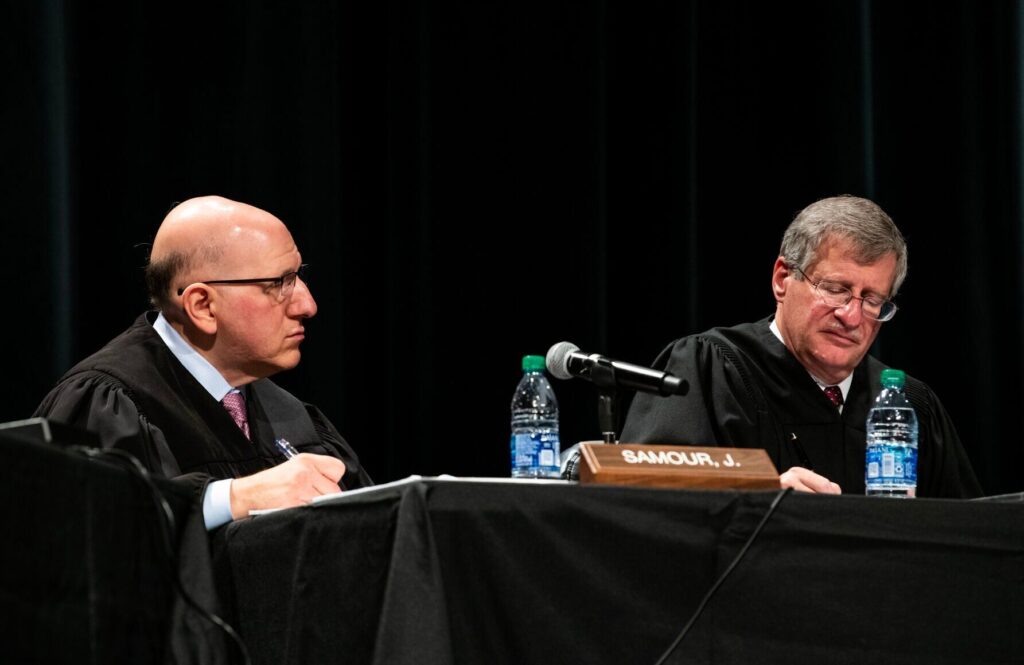
Colorado Supreme Court upholds child abuse convictions despite faulty jury instruction
Michael Karlik
michael.karlik@coloradopolitics.com
Updated 21 hours ago
The Colorado Supreme Court decided on Monday that a San Miguel County jury properly convicted a defendant of child abuse resulting in death, even though the instructions potentially allowed jurors to avoid finding that the child abuse resulted in death....

Gov. Polis asks residents not to use fireworks as wildfires burn
Rachael Wright, Special to Colorado Politics
rachael.wright@coloradopolitics.com
Updated 20 hours ago
While Gov. Jared Polis said he will not issue a statewide fire ban, Colorado’s top political leader urged residents against using fireworks as the country heads into the July 4 weekend. “We are encouraging the people of Colorado to exercise...
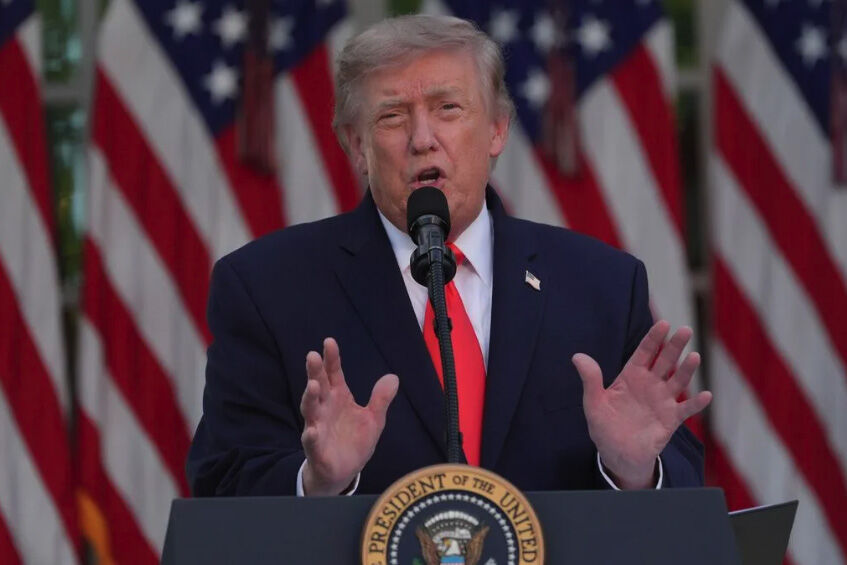
Trump says communism greater threat than WWI, WWII, 9/11, and Pearl Harbor
Naomi Lim
naomi-lim@coloradopolitics.com
Updated 22 hours ago
President Donald Trump compared the rise of socialism to the Sept. 11 terrorist attacks. Trump was asked about the possible rise of more socialist candidates after three candidates New York City Mayor Zohran Mamdani endorsed last week won their Democratic...
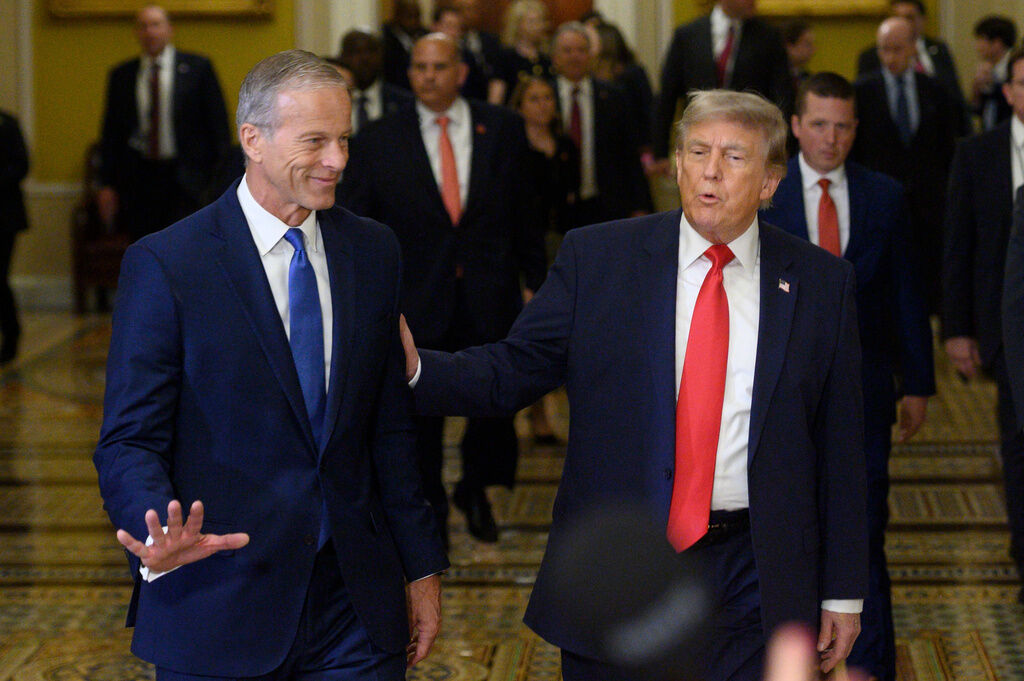
GOP doubles down on SAVE America Act after Supreme Court allows mail ballots to be counted late
Lauren Green
lauren-green@coloradopolitics.com
Updated 22 hours ago
Congressional Republicans continue to push the voter identification bill — that has left Washington in grid lock for months — after the Supreme Court ruled states can count mail-in ballots that arrive after Election Day. The 5-4 decision rejected a...
PREV
PREVIOUS

Denver rents are 3% higher than last year
Denver rents have dipped slightly since July, but are still 3% higher than this time last year, a new report from RENTCafe says. The average rent in Denver for August of this year was $1,670, compared to the national average of $1,472, according to the report. August rents were down 0.3% from July but still […]

Colorado economists offer positive outlook for state, but warn of a possible downturn
Colorado’s economy is expected to show strong growth through the rest of 2019 and into the next two years, but warning signs of a slowdown, or even a recession, continue to pop up, say state economists. The September revenue forecast gives lawmakers and the governor their first look at what they may have available to […]