

OUT WEST ROUNDUP | ‘Taco Tuesday’ spurs stern defense; Kansas gets aggressive on internet sales tax

WYOMING
Company stirs debate over ‘Taco Tuesday’
CHEYENNE – “Taco Tuesday” may be a well-known term for a themed dinner night out or at home, but as restaurants across the U.S. have learned, it’s also trademarked.
Cheyenne-based Taco John’s – which has nearly 400 locations in 23 states – put its legal stamp on “Taco Tuesday” 30 years ago and has since zinged cease-and-desist letters at offenders far and wide.
Taco John’s last month sent a warning to Freedom’s Edge Brewing Co., five blocks from its national headquarters, for using the term to advertise a taco truck that parks outside once a week.
Freedom’s Edge took the matter to Facebook, and the comments poured in.
Some people rallied to the chain’s defense, pointing out that Taco John’s itself started as a humble food trailer 50 years ago and legitimately secured the trademark, while others said it’s time for Taco John’s to lighten up.
A legal expert doubts Taco John’s has much of a case.
Like “raisin bran,” ”escalator,” ”nylon” and other formerly trademarked products, “Taco Tuesday” has suffered from “genericide” – it has become too well-known to continue to be identified with a particular company, said Seattle-based attorney Michael Atkins. The term even made a fairly significant appearance in “The Lego Movie,” a 2014 film based on the popular plastic toys.
The company trademarked “Taco Tuesday” in 1989, claiming a Minnesota franchisee began using “Taco Twosday” to advertise two tacos for 99 cents in the early 1980s. The trademark applies in every state but New Jersey, where another restaurant already had secured the right to “Taco Tuesday.”
Freedom’s Edge Brewery co-owner Tim Moore said he had no idea “Taco Tuesday” was trademarked but got a laugh out of the situation. He said he didn’t intend to push back.
NEW MEXICO
Governor says EPA fails to protect public health
ALBUQUERQUE – New Mexico Gov. Michelle Lujan Grisham says the U.S. Environmental Protection Agency is failing to protect public health and the environment by not helping with a legal battle against the U.S. Air Force over contamination at two military installations in her state.
The governor took aim at the federal agency in a letter sent Aug. 2 to EPA administrator Andrew Wheeler. She referred to a commitment he made during a congressional hearing earlier this year to provide legal and technical assistance.
The agency in a letter sent to state officials in July said it wasn’t permitted to take legal action against another federal department or agency.
The state in July had asked for the agency to pursue enforcement against the U.S. Defense Department for contamination at Cannon and Holloman air bases.
The state sued in April, saying the federal government has a responsibility to clean up toxic chemicals left behind by past military firefighting activities. The contamination is linked to chemicals known as per- and polyfluoroalkyl substances, or PFAS.
The Air Force has argued its response to the contamination in New Mexico and elsewhere has been aggressive. Officials have said they’ve been working with regulators to identify and implement long-term solutions to prevent exposure.
KANSAS
State imposes toughest online tax collections in US
TOPEKA – Kansas plans to impose what some tax experts say would be the nation’s most aggressive policy for collecting state and local taxes on online sales, possibly inviting a legal battle.
The state Department of Revenue issued a notice in early August saying any “remote seller” doing business with Kansas residents must register with the department, collect state and local sales taxes and forward the revenues to the state, starting Oct. 1. It cites a U.S. Supreme Court decision last year allowing states to collect sales taxes on Internet sales.
Most states now have policies to collect such taxes, but almost all set minimum annual sales or transaction thresholds to exempt small businesses, according to groups tracking tax laws. Kansas is the first to attempt to collect the taxes without exempting any businesses, they said.
The Department of Revenue is imposing its new policy under an existing tax law that applied to out-of-state businesses but wasn’t being enforced because past court decisions prevented it.
Kansas Revenue Secretary Mark Burghart, a veteran tax attorney, said that the department is obligated to enforce existing tax laws consistently. He said it’s not fair to Kansas businesses to require them to collect sales taxes from consumers and not require out-of-state businesses to do the same after the U.S. Supreme Court decision last year.
The high court overturned a previous ruling that states could not collect their sales taxes unless a business had a physical presence within their borders, allowing tax collections if businesses had an economic presence. It upheld a South Dakota law requiring businesses to collect its taxes if they had $100,000 in sales or 200 transactions in the state within a year.
The decision suggests states still must exempt some businesses to avoid putting an undue burden on interstate commerce in violation of the U.S. Constitution, said George Isaacson, a Lewiston, Maine, attorney representing the businesses challenging the South Dakota law. He said Kansas’ policy represents a “blatant disregard” of that.
NEBRASKA
University to offer online cannabis courses
CRETE – A private university in Nebraska, a state which bars recreational and medicinal marijuana, plans to offer an online program this fall that will cover the science, cultivation, processing and regulation of marijuana and hemp.
Doane University will offer the three-course program, which will be taught in part by chemistry professor Andrea Holmes. She told the Omaha World-Herald that the industry is growing rapidly, citing jobs across the country for cultivators, technicians, scientists, geneticists, administrators, salespeople, marketers and advertisers.
Nebraska lawmakers cleared the way this past spring for a limited number of farmers to grow hemp, a low-THC version of the cannabis plant. THC is the compound that gives marijuana its high.
A co-founder of Precision Plant Molecules, a Denver business that removes the oil from hemp, Holmes said she will be responsible for certifying those who complete the program.
State Sen. Mike Groene, chairman of the Nebraska Legislature’s Education Committee, said it sounds like Doane is offering a useful program. He described Colorado, where marijuana is legal medically and recreationally, as “the wild west.” Professionals are needed there and elsewhere to test the products so customers know what they’re getting, he said.
Organizers have been conducting a petition drive to put a medical marijuana measure on a Nebraska ballot next year.
NEW MEXICO
Navajo Nation eyes renaming highway fot late senator
FARMINGTON – Some Navajo Nation officials are seeking to ask New Mexico to rename a U.S. highway after one of the longest-serving Native American lawmakers in U.S. history.
The Farmington Daily Times reports a Navajo legislative committee is requesting New Mexico Gov. Michelle Lujan Grisham name U.S. Highway 491 in honor of the late state Sen. John Pinto.
Pinto, who died in May at the age of 94, had long sought to turn the deadly U.S. 666 into a four-lane highway and to change its name to U.S. 491.
U.S. Highway 491 stretches around 194 miles from Gallup, New Mexico, through Colorado to Monticello, Utah.
Pinto was a World War II Navajo code talker and served over four decades in the New Mexico Legislature.


Colorado House ethics committee issues ‘stern letter’ to Democrat over caucus funds mismanagement
Marianne Goodland
marianne.goodland@coloradopolitics.com
Updated 9 minutes ago
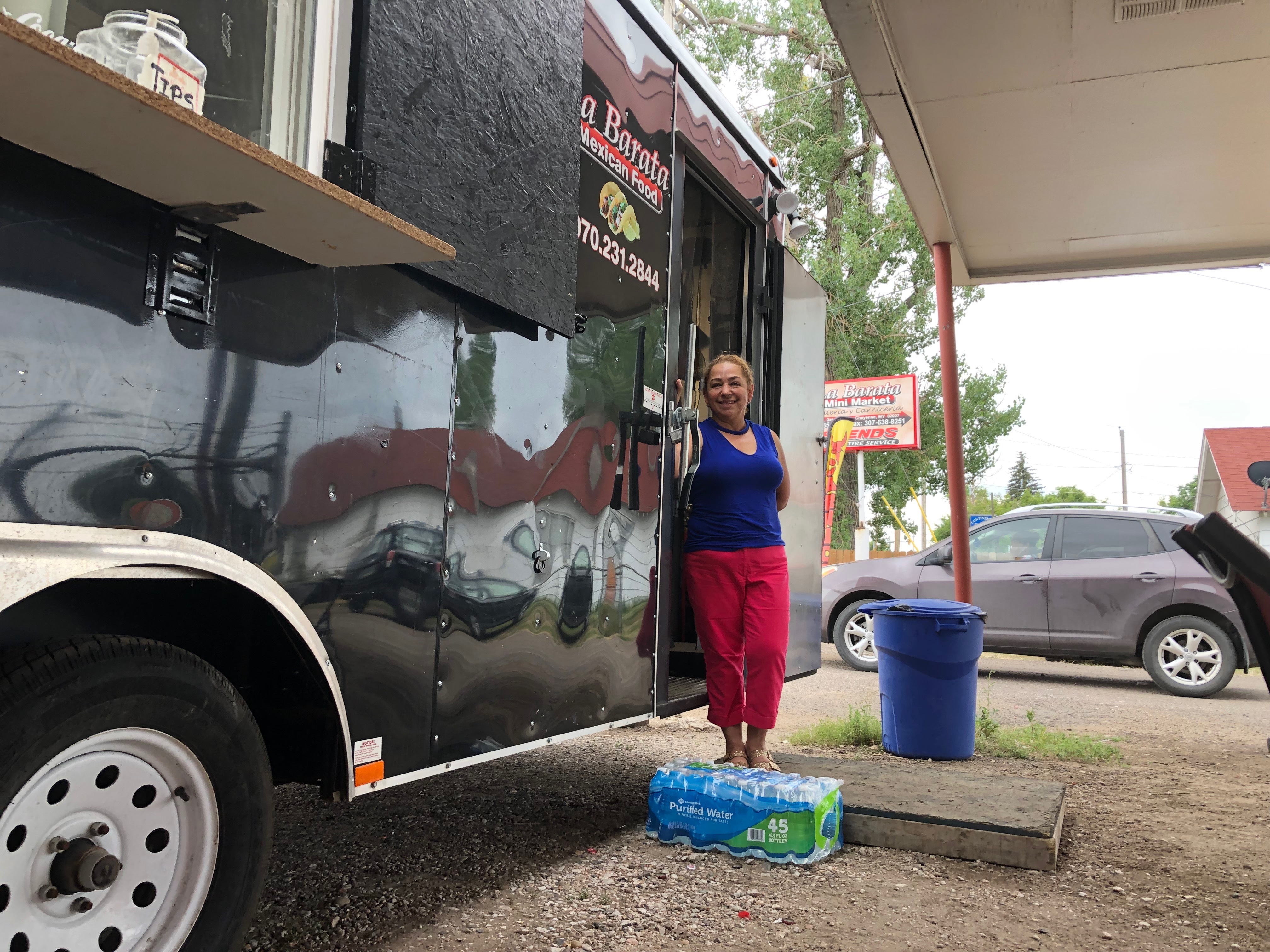
The Colorado House ethics committee Friday voted unanimously to issue a “stern letter” to Rep. Mandy Lindsay, D-Aurora, regarding her mismanagement of House Democratic caucus funds. The committee further voted to request that Lindsay resign as Democratic Caucus co-chair and...
Appeals court confirms Colorado judges can compel electronic records from out of state
Michael Karlik
michael.karlik@coloradopolitics.com
Updated 2 hours ago
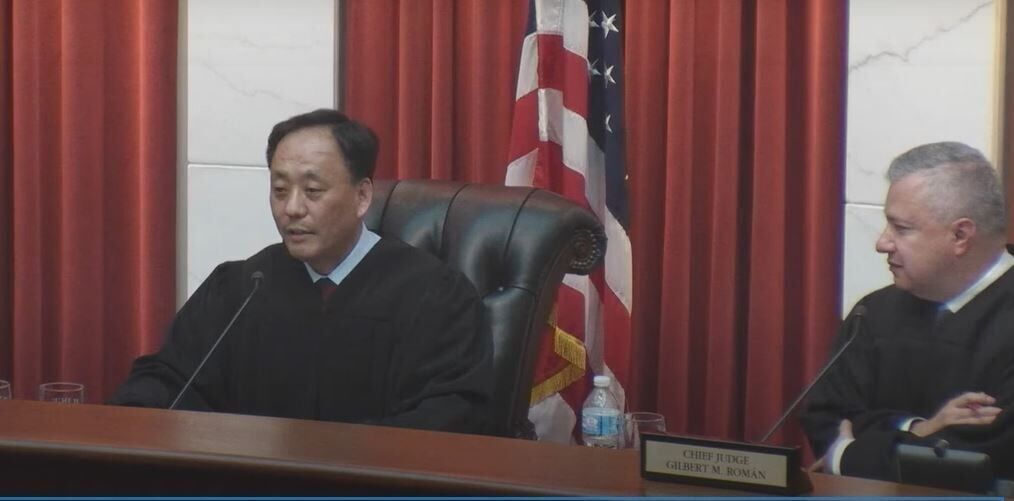
Colorado’s second-highest court clarified on Thursday that judges are empowered to compel out-of-state companies to produce electronic records under state law. El Paso County jurors convicted Mischa Jargowsky on three counts of money laundering and one violation of Colorado’s organized...

Federal judge extends block on Trump executive order seeking to limit mail voting in the midterms
The Associated Press
the-associated-press@coloradopolitics.com
Updated 2 hours ago
A federal judge on Friday extended her prohibition against the U.S. Postal Service implementing President Donald Trump’s executive order seeking to limit mail voting during the midterms, putting another major obstacle in the way of the administration as the first...
Mullin asks DOJ to review voter data sharing tied to Zuckerberg-funded nonprofit group
Kaelan Deese
kaelan-deese@coloradopolitics.com
Updated 2 hours ago
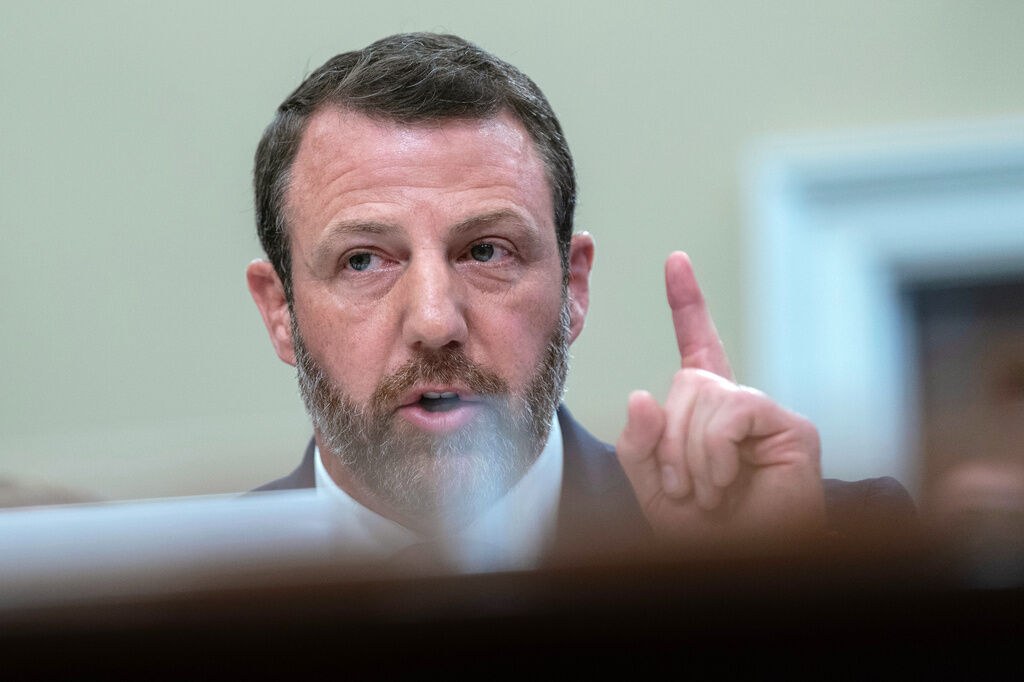
Homeland Security Secretary Markwayne Mullin asked the Justice Department this week to review whether election-related nonprofit groups, some with multimillion-dollar backing from a Mark Zuckerberg-linked nonprofit, improperly received sensitive state motor vehicle and voter-registration data. In a letter sent Wednesday...
Colorado secures FEMA support for wildfire, flooding and mudslide recovery
Marissa Ventrelli
marissa.ventrelli@coloradopolitics.com
Updated 33 minutes ago
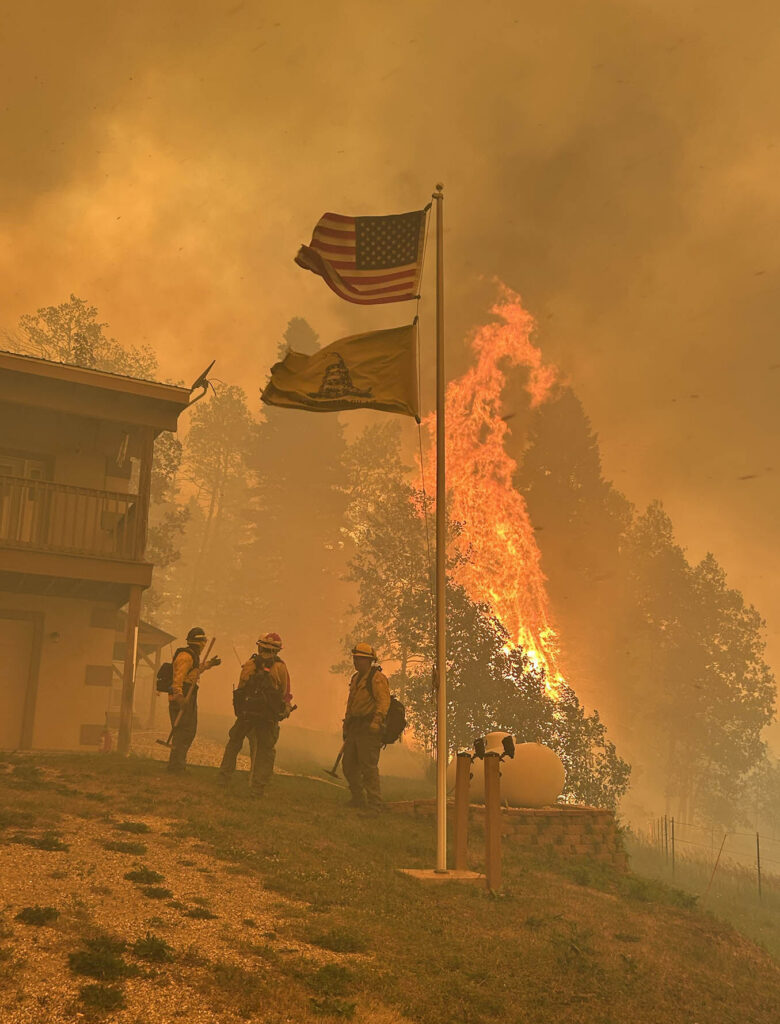
Colorado’s request for federal public assistance to help communities devastated by the Aspen Acres and Gold Mountain Fires was approved Friday by the Federal Emergency Management Agency, a decision that followed weeks of pressure from state leaders and local officials...

State seeks $50K penalty against GOP candidate Victor Marx over alleged campaign finance violations
Deborah Grigsby
deborah.smith@denvergazette.com
Updated 3 hours ago
Republican gubernatorial candidate Victor Marx is looking at more than $50,000 in fines in what the Elections Division of the Office of the Secretary of State calls “unprecedented” campaign finance violations. The state has not imposed that fine yet, and...

Judge puts Colorado Libertarians’ secretary of state candidate on ballot after party’s 1st nominee drops out
Ernest Luning
ernest.luning@coloradopolitics.com
Updated 4 hours ago
A Denver judge ruled Friday that the Colorado Libertarian Party’s pick for secretary of state will appear on the November ballot after the party’s original nominee withdrew one day after the deadline to replace minor party candidates. Following a hearing...
10th Circuit upholds finding of no racial discrimination against family at Denver Chili’s
Michael Karlik
michael.karlik@coloradopolitics.com
Updated 6 hours ago
The Denver-based federal appeals court agreed on Wednesday that a Black plaintiff failed to show that a Chili’s manager’s request for her family to provide valid payment at the outset of their meal amounted to racial discrimination. Markesha Futrell-Smith filed...

Regulators knew this marijuana product was harming people. It stayed on shelves for more than a year
Christopher Osher
chris.osher@gazette.com
Updated 10 minutes ago
Colorado’s Marijuana Enforcement Division can take months or even years to issue formal safety warnings about marijuana products even when it receives reports that the products are harming people’s health, The Denver Gazette and ProPublica found. This article was produced...
Douglas County commissioners reject challenge to ballot language for 3 to 5 petition
Nicholas Fogleman
nicholas.fogleman@denvergazette.com
Updated 1 hour ago
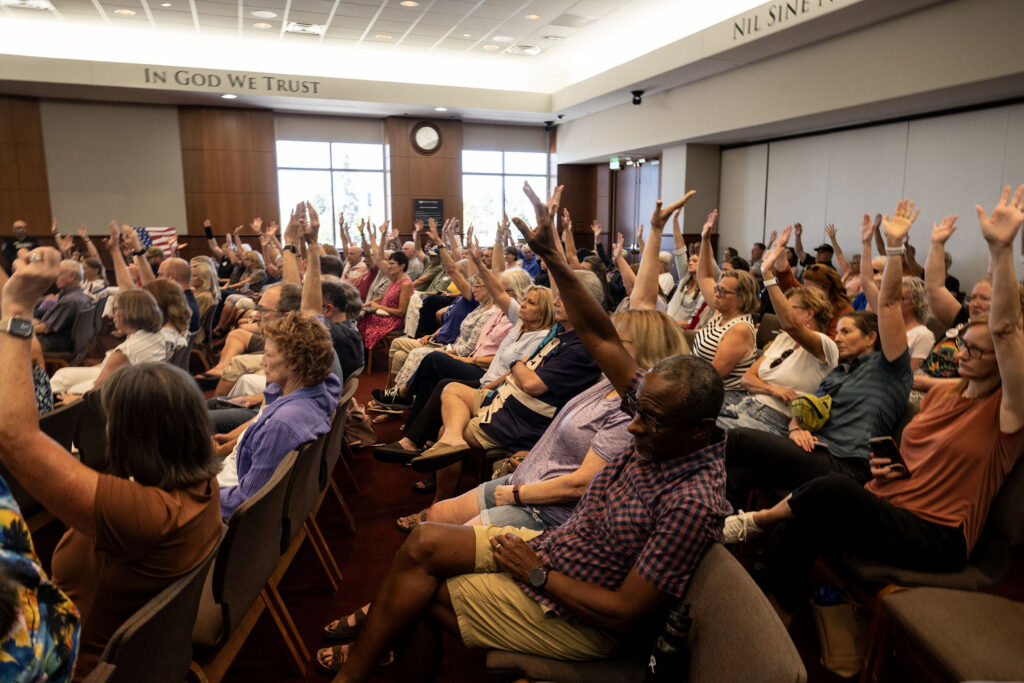
Douglas County commissioners denied a challenge Thursday to the language of a ballot initiative that would expand the board from three to five members. Following a contentious hearing that saw multiple audience members escorted out by police for disruptions, commissioners...
PREV
PREVIOUS

Twitter, late-night hosts blow up on Hickenlooper dropping out of presidential race
John Hickenlooper dropped out of the presidential race Thursday, and Twitter has a lot of opinions. There are numerous mentions of Hickenlooper possibly joining the Senate race against Sen. Cory Gardner, though Hickenlooper himself has not committed to that yet. Some have praised Hickenlooper’s decision and said that other Democratic candidates should consider dropping out to […]

Hickenlooper ends presidential bid, says he's giving 'serious thought' to Senate race (VIDEO)
Former Colorado Gov. John Hickenlooper announced on Thursday that he was ending his Democratic presidential campaign and said he intends to give “some serious thought” to running for the the state’s Republican-held U.S. Senate seat in 2020. That prospect was greeted less than warmly by some of the 11 Democrats already in the Senate race. […]