

Polis to congressional panel: Climate change is ‘an existential threat’
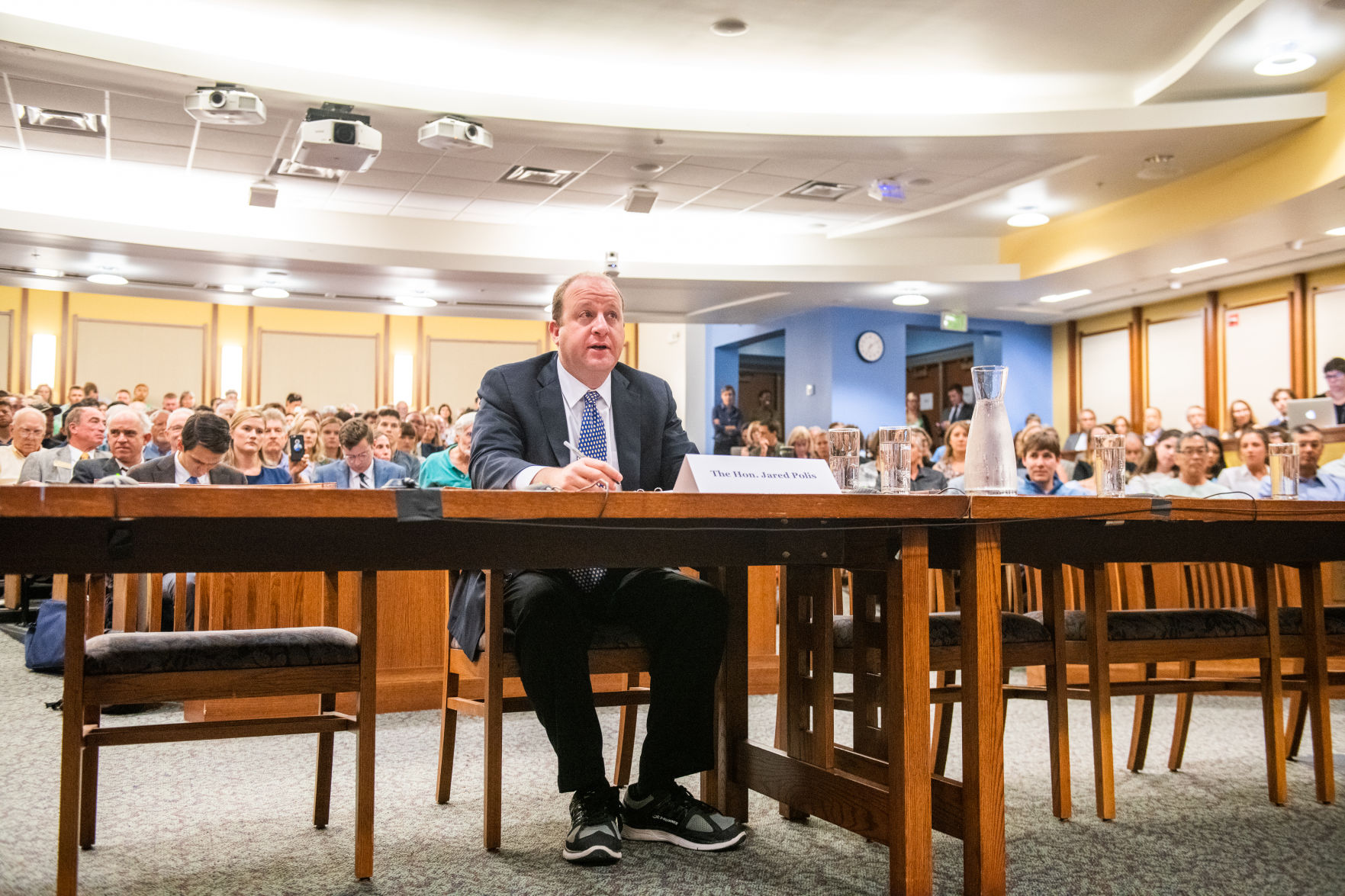
BOULDER ? Colorado Gov. Jared Polis told a congressional climate-change committee’s field hearing Thursday that he considers global warming to be “existential threat to our security, our health, our economy, our public lands and eco-systems and our very way of life.”
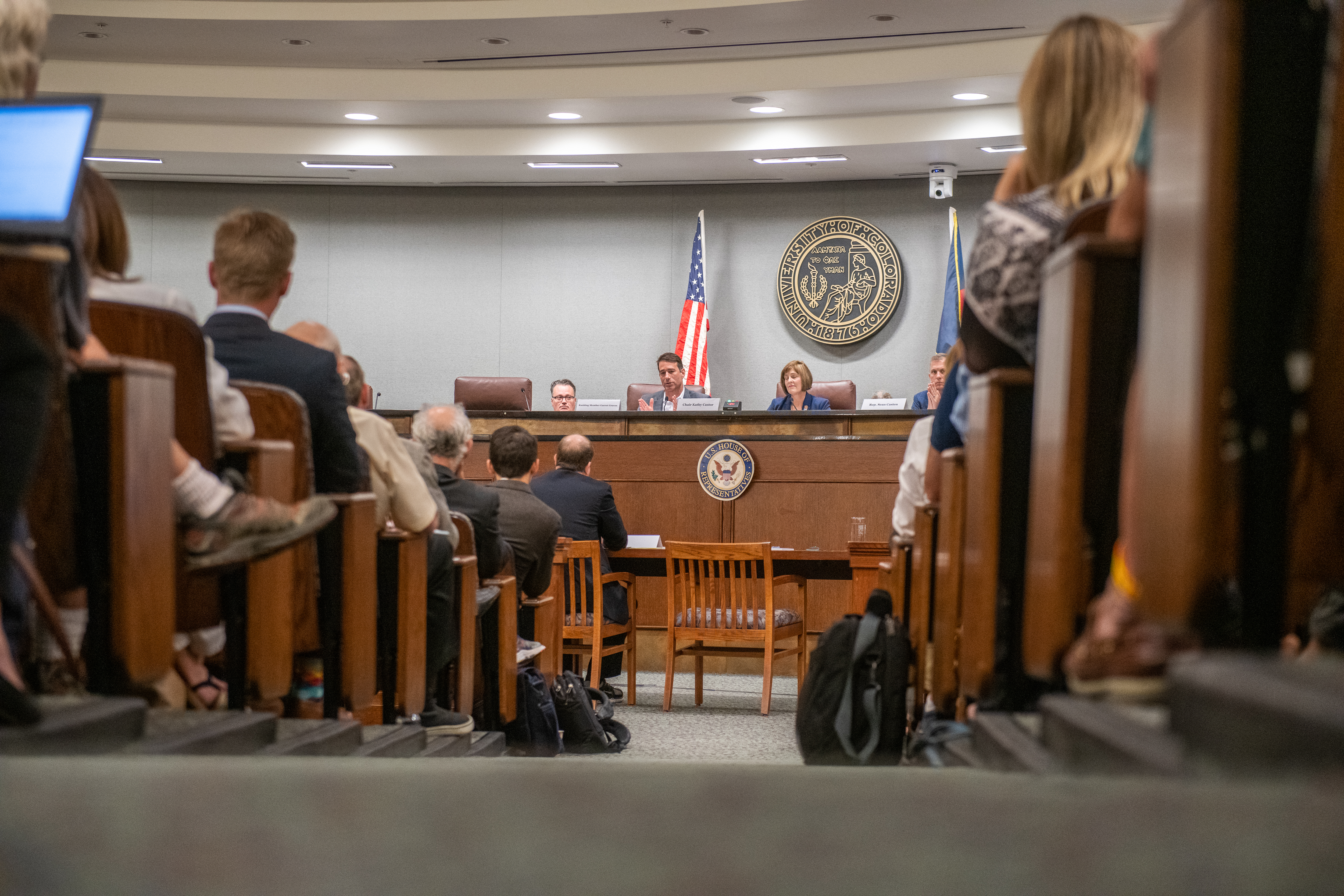
Polis was the lead speaker in a morning of testimony taken at the University of Colorado Boulder during the first field hearing by the House Select Committee on the Climate Crisis. U.S. Rep. Joe Neguse, who represents Boulder in the U.S. House, is a committee member.
The panel heard testimony before a capacity crowd of about 285 people at the Wolf Law Building auditorium after a rally outside that featured several red-robed figures with clock face masks and a sign that read “OUT OF TIME.”
The committee is drafting a national climate action plan. Committee Chair Rep. Kathy Castor, D-Florida, said the group spent the two previous days in Boulder touring federal research facilities focused on climate and clean energy: The National Renewable Energy Lab, the National Oceanic and Atmospheric Administration, the National Center for Atmospheric Research and the Cooperative Institute for Research in Environmental Sciences (CIRES).
“They are doing the cutting-edge research on the climate crisis and the solutions to tackle the crisis,” Castor said.
“The climate crisis is the challenge of our lifetime,” she added. “When we confront it, it makes us realize that we are all in this together and that it will take creativity, innovation and persistence by everyone to solve it.”
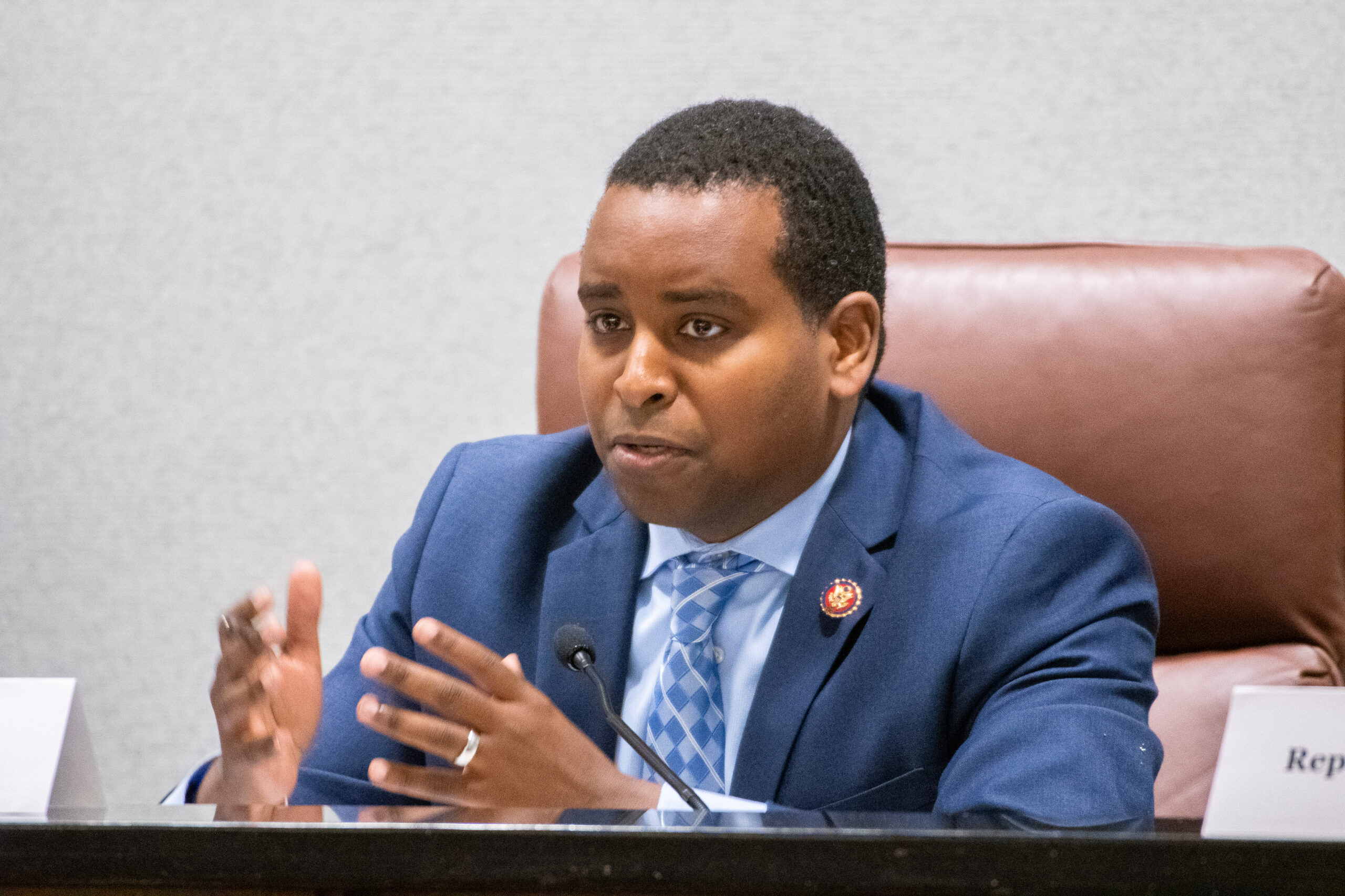
The hearing was a homecoming for Neguse, D-Lafayette, a committee member and a CU alumnus. He called the federal sites the lawmakers visited as “epicenter of climate research.”
Polis ran on a platform that called for Colorado to be 100% reliant on renewable energy for electricity by 2040. He noted that 14 Colorado cities have adopted that 2040 target or sooner.

And while it was a pleasant summer day Thursday, Polis said Colorado has been feeling the impact of global warming.
“In Colorado, we know this hotter, more erratic drier future isn’t some dystopian vision. It’s impacting us right now,” Polis said.
“It’s impacting our dwindling water supply, impacting our farming and ranching communities, our outdoor recreation industry, our wildlife and ecological diversity,” he said. “It’s causing more frequent, more devastating and more expensive natural disasters.”
The committee members quizzed Polis on several new Colorado laws, including one that creates a first-in-the-nation “Office of Just Transition” to help retrain workers in coal-fired electrical generating plants that are facing closure.
Polis told the group that the effort also included helping communities like Craig, where the coal-fired power plant is a major employer.
“We want to make sure that we can create a future that works for Craig, rather than keep our head in the sand and allow the larger economic forces to hurt not just the workers but continue to hurt the climate,” Polis said.

In answer to a question from Rep. Diana DeGette, D-Denver, who attended the hearing, Polis said he would welcome federal efforts to tighten rules on the release of methane gas from oil fields and for the creation of more wilderness areas in Colorado and elsewhere.
The committee also heard from several other local officials, including Boulder Mayor Suzanne Jones and Fort Collins Mayor Wade Troxell.
Jones, a former regional director of The Wilderness Society, told the law makers that the number of days with temperatures over 95 degrees in Colorado has doubled since 2000.
She said the Boulder area has faced four costly wildfires in the last 20 year and that floods in 2013 swept away roads, bridges and homes in Boulder County and caused nearly $4 billion in damages across the state.
“And we know that the costs of climate change will only continue to increase,” Jones said.
Chris Wright, CEO of Denver-based Liberty Oilfield Services, was invited by the committee’s Republicans to appear.
He argued in prepared testimony that oil and gas emissions from U.S. production are lower than in other nations because of better technology, and that “oil and gas produced in Colorado has lower emissions than the U.S. as a whole, due to rigorous regulations on methane capture and very little gas flaring in Colorado.”
Therefore, he said, “seeking … solutions that would keep U.S. fossil fuels in the ground would result in an increase in global emissions as dirtier producers would simply meet market demand.”
–
–
–
–



U.S. Rep. Lauren Boebert calls Trump’s 90-day wolf-delisting review ‘real progress’
Marianne Goodland
marianne.goodland@coloradopolitics.com
Updated 25 minutes ago
President Donald Trump last week directed Interior Secretary Doug Burgum to launch a 90-day review on whether gray wolves and Mexican wolves should be removed from Endangered Species Act protections. The order drew mixed reactions for Colorado’s wolf-reintroduction effort, with...

Arapahoe County judge’s frustration with defense lawyer not grounds for new trial
Michael Karlik
michael.karlik@coloradopolitics.com
Updated 3 hours ago
Colorado’s second-highest court decided last week that an Arapahoe County judge’s repeated rebukes of a defense attorney and orders to “be quiet” did not rise to the level of bias or a violation of the defendant’s due process rights. A...
Divided appeals court upholds vehicle theft conviction despite unclear origin of car’s value
Michael Karlik
michael.karlik@coloradopolitics.com
Updated 4 hours ago
Colorado’s second-highest court upheld a defendant’s conviction for aggravated motor vehicle theft last week, even though it was unclear how the Thorton Police Department estimated the value of the stolen car. Officer Marc Faivre encountered Ashley Shelee Gibbens-Martinez in a...
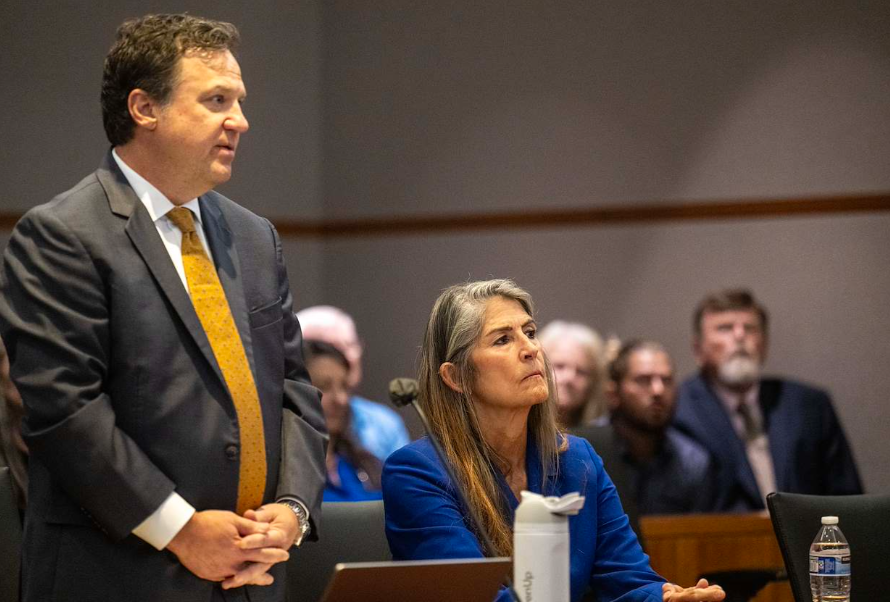
Disgraced ex CBI analyst Missy Woods sentenced to prison in DNA scandal
Jenny Deam
jenny.deam@gazette.com
Updated 26 minutes ago
A Jefferson County district court judge on Tuesday sentenced a disgraced former Colorado Bureau of Investigation DNA analyst to a decade in prison for altering and deleting data in scores of criminal cases for years. Jefferson County District Judge Andrew...
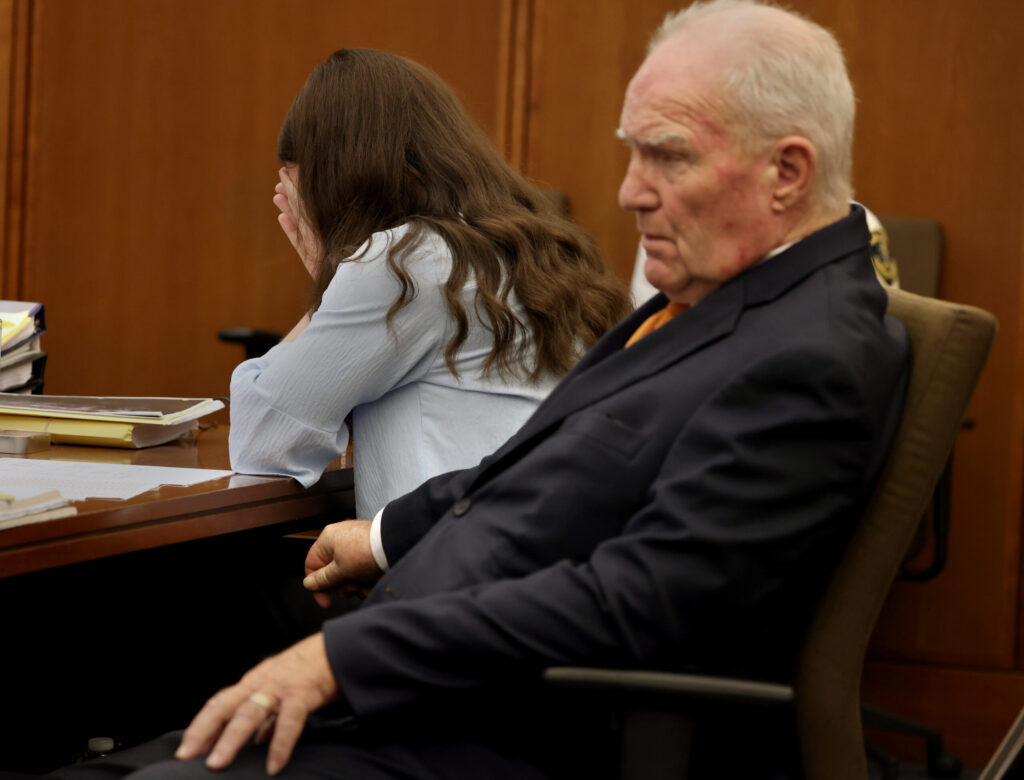
Lindsay Clancy’s attorney makes plea for pardon from Trump
Emily Hallas
emily-hallas@coloradopolitics.com
Updated 6 hours ago
Lindsay Clancy’s attorney urged President Donald Trump on Tuesday to give her a pardon before her murder case could head for another trial. Clancy is a Massachusetts woman who admitted to strangling her three young children in 2023 but argued...
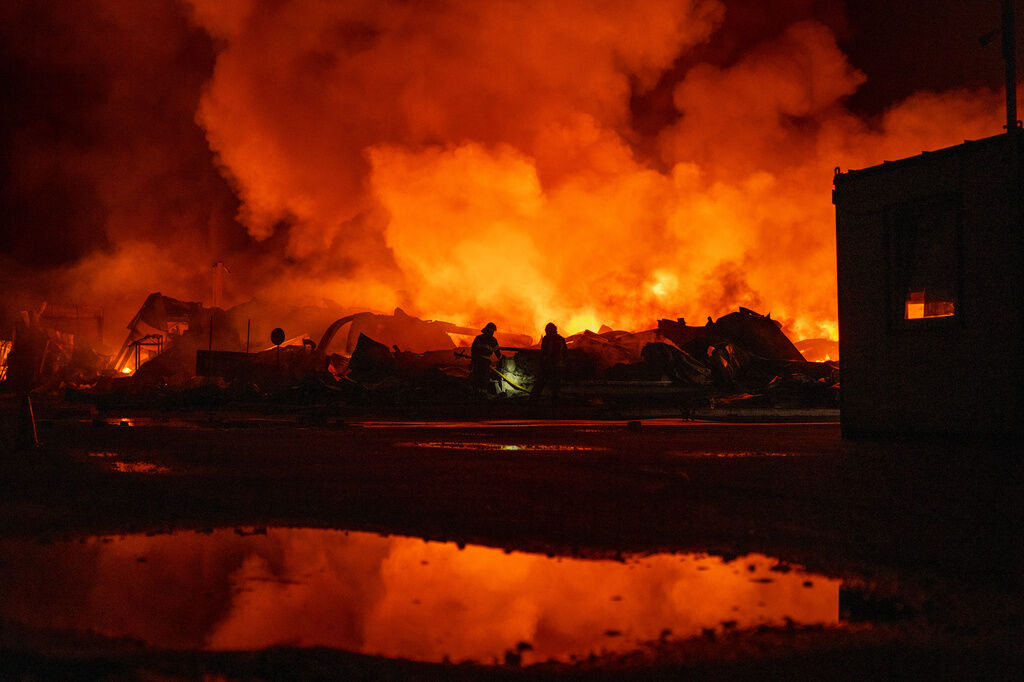
Russia launches massive, deadly, and ‘complex’ attack against Ukraine
Washington Examiner Staff
washington-examiner-staff@coloradopolitics.com
Updated 6 hours ago
Fighting between Ukraine and Russia commenced after a 72-hour pause for diplomatic visits to both countries by U.S. officials. Russia launched a massive attack on Ukraine on Tuesday, firing dozens of cruise missiles and over 140 drones as the war...
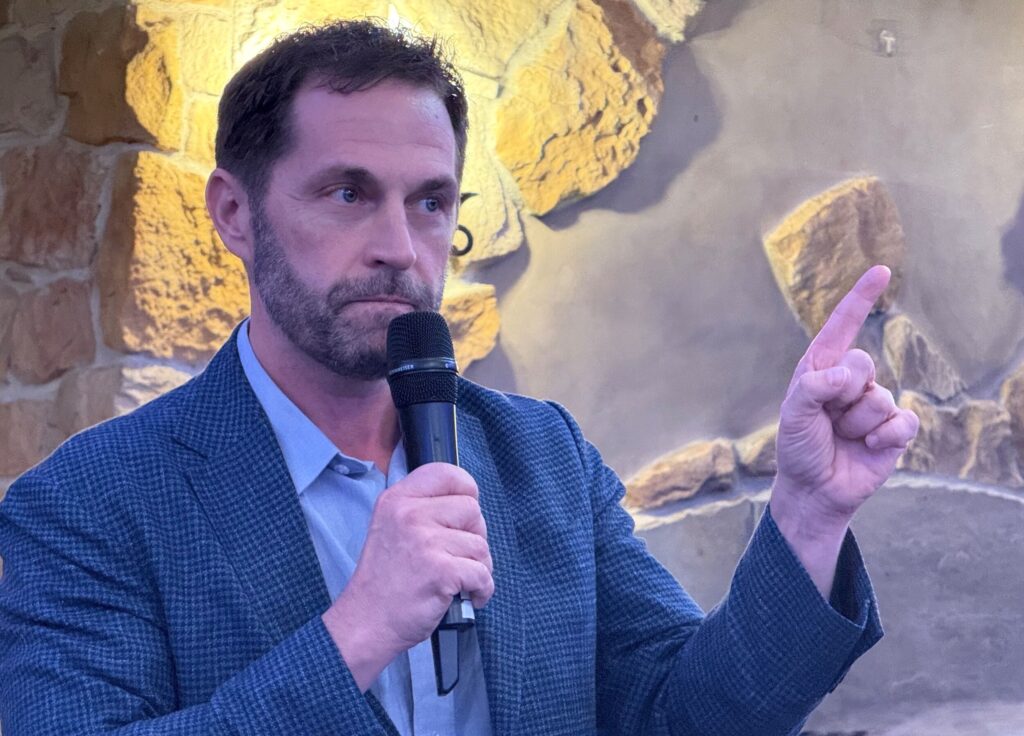
Jason Crow endorses Democrats up and down Colorado’s ballot, chips in $100K for campaign efforts
Ernest Luning
ernest.luning@coloradopolitics.com
Updated 7 hours ago
Democratic U.S. Rep. Jason Crow on Tuesday formally endorsed more than 60 Democrats running up and down Colorado’s ballot and said he’s putting $100,000 into statewide and county campaigns and organizing programs to drive turnout in the fall election. Crow,...

FBI sets $25,000 minimum reward for dozens of unsolved Indian Country cases | OUT WEST ROUNDUP
The Associated Press
the-associated-press@coloradopolitics.com
Updated 8 hours ago
SOUTH DAKOTA Indian Country rewards set SIOUX FALLS — The Federal Bureau of Investigation has established a minimum reward of $25,000 in cases where people went missing or were killed in Indian Country, part of a broader effort to address...
What to know about Canada’s escalating trade war with the US as Carney retaliates with tariffs
The Associated Press
the-associated-press@coloradopolitics.com
Updated 7 hours ago
TORONTO (AP) — Canada struck back at U.S. President Donald Trump on Tuesday with tariffs on about $20 billion worth of U.S. goods, in response to the latest round of tariffs on Canada. The outcome could resonate far beyond Canada,...
With its water source dry, a southeast Colorado town’s clock is ticking
Savannah Eller
savannah-eller@coloradopolitics.com
Updated 7 hours ago
The Cucharas is not a mighty river, but the people of La Veta knew they had a problem brewing when it ran dry at the beginning of June. “We’re getting by,” said La Veta Mayor Doug Brgoch. “It’s not great.”...
PREV
PREVIOUS

Denver targets ‘blighted’ portion of East Colfax for redevelopment
As development in Denver abounds, a blighted strip of East Colfax Avenue has “languished,” an urban renewal official says. City officials are now eying that area for redevelopment. An urban redevelopment plan would focus on 80 acres, or about 48 city blocks, of the historic thoroughfare, bounded by Monaco Parkway on the west and […]

Petitioners proposing a new name for Colorado Springs' Trump Avenue: Immigrant Avenue
As part of the Greatest International Scavenger Hunt, which includes challenges like eating a foot-long s’more “lady and the tramp style,” a group of Colorado Springs residents is out to change the name of Trump Avenue. One of the many challenges in the scavenger hunt, known as GISH, drew their attention to Trump Avenue, a […]