

Senators present reworked Colorado health reinsurance bill
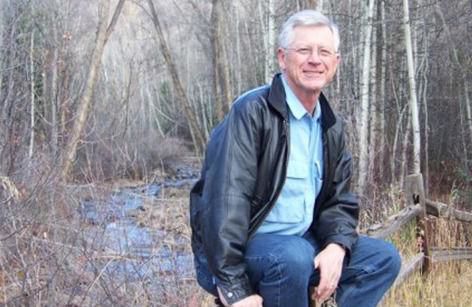
Two Colorado state senators whose rural constituents pay some of the nation’s highest health insurance rates pleaded Thursday for support for a bill to cut those premiums by having the state help insurers cover their highest-risk clients.
But the reinsurance measure — House Bill 1168, sponsored by Republican Sen. Bob Rankin of Carbondale and Democratic Sen. Kerry Donovan of Vail — was drastically changed after supporters determined that an earlier plan to pay for the state fund ignored existing hospital obligations to the state that could cost the state dearly under federal regulations.
The senators offered last-minute amendments that would take reduced fees from hospitals, fees on insurance premiums, and funds destined for housing in another pending bill, to create a two-year reinsurance program starting in 2020. The original bill sought a five-year program.
The hope, the sponsors said, is to launch a program desperately needed in rural Colorado that lawmakers can revisit and find long-term funding.
The Senate Health & Human Services Committee sent the amended bill to the Finance Committee on a 4-1 vote. The panel’s three Democrats voted yes, as did GOP Sen. Larry Crowder, who made a point of noting that his southern Colorado district also includes residents struggling to pay their medical bills.
The reinsurance bill faces tough odds with the session scheduled to end May 3. If it passes the Senate it must run through the Democrat-led House to make it to Gov. Jared Polis’ desk. The housing bill, too, must be amended and passed.
Reinsurance, successfully adopted in other states, is a top priority for the Democratic governor – and for lawmakers like Rankin.
“Our constituents have been suffering for years,” Rankin said. “We know the program is effective. It’s always been an issue of how you pay for it.”
The initiative would have the state cover some of the most costly medical bills incurred by patients on Colorado’s individual market, or about 250,000 people who buy health coverage directly from insurers.
That would allow private insurers to lower market premiums. Sponsors originally sought an immediate 35% to 40% reduction in individual premiums in rural Colorado and a 15% reduction in Denver.
The revised bill offers a 20% rural reduction and 5% to 10% in other areas, Rankin and Donovan said. Higher reductions will come with a restructured long-term funding mechanism, they said.
If the bill becomes law, the state must request federal approval to implement the program. That’s because a substantial part of it would be paid for with federal funds currently used for tax subsidies for patients purchasing insurance under the Affordable Care Act.
Insurance Commissioner Michael Conway testified that individuals who don’t get federal subsidies for their insurance could see rates go down as soon as next January. “These people are truly scared,” he said of residents forced to choose between high-cost, high-deductible health plans and paying their mortgages or other needs.
State Sen. Jim Smallwood, R-Parker, was skeptical of the last-minute funding proposal and objected to having metro Denver residents sacrifice affordable housing funding for what he termed minimal premium cuts in rural areas.
“My hope is we scrap this,” he said, arguing for consideration of a plan that isn’t rushed in the session’s final days.

Healthcare Freefall: Finger‑pointing intensifies as Colorado’s healthcare system strains under rising costs, shrinking coverage
Thelma Grimes
thelma.grimes@coloradopolitics.com
Updated 18 hours ago
Editor’s Note: Colorado’s healthcare system is entering a period of accelerating instability — a “tsunami,” as multiple leaders describe it — driven by collapsing hospital finances, shrinking Medicaid reimbursements, disappearing services and a political fight over who is responsible for...
Colorado appeals judge’s delays in releasing opinions noted by performance commission
Michael Karlik
michael.karlik@coloradopolitics.com
Updated 1 hour ago
The citizen-led performance commission that provides guidance to voters about whether to retain members of Colorado’s second-highest court raised concerns by judges and attorneys that Judge Elizabeth L. Harris sometimes struggles with releasing opinions promptly. Harris, who joined the Court...
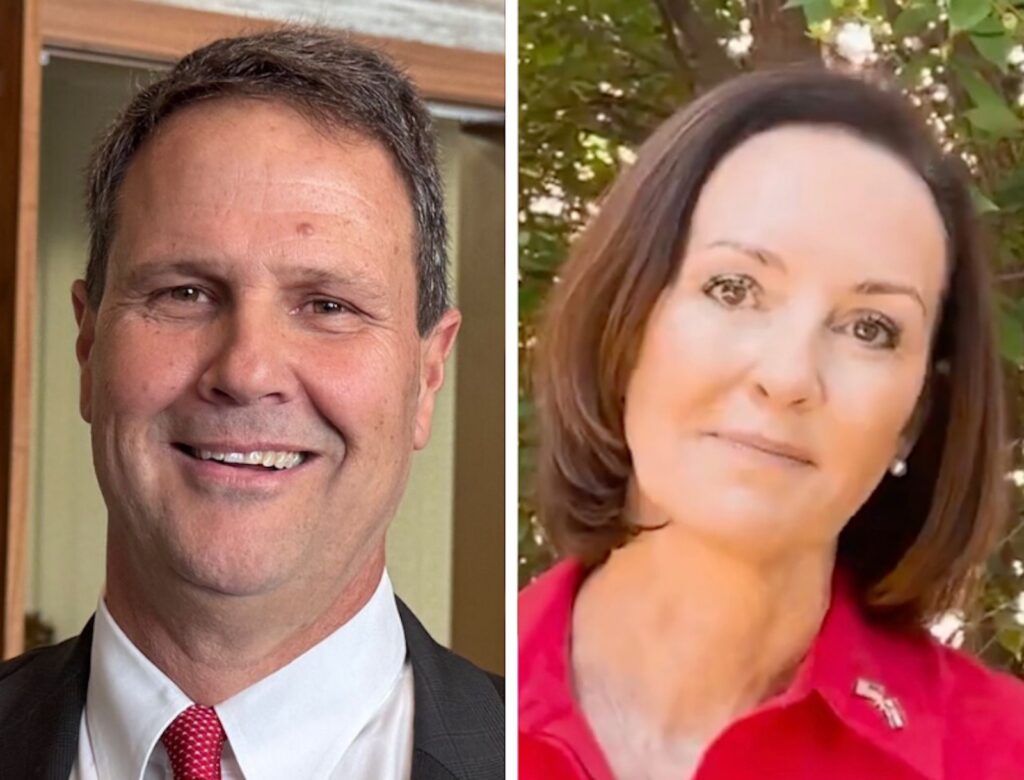
Jeff Crank, Jessica Killin set to face off in 2 debates in Colorado’s 5th Congressional District
Ernest Luning
ernest.luning@coloradopolitics.com
Updated 12 hours ago
Republican U.S. Rep. Jeff Crank and Jessica Killin, his Democratic challenger, have agreed to debate twice in the weeks leading up to the general election in Colorado’s 5th Congressional District, their campaigns have said. Crank is seeking a second term...

Colorado judge explores sanctions against DOJ, ICE for rearresting man 4 days after release on bond
Michael Karlik
michael.karlik@coloradopolitics.com
Updated 14 hours ago
A federal judge in Colorado is considering sanctions against the government after immigration agents rearrested a man four days after an immigration judge found him suitable for release on bond. On July 28, U.S. Magistrate Judge N. Reid Neureiter ordered...

White House deploys private companies to help crack down on cybersecurity breaches
David Zimmermann
david-zimmermann@coloradopolitics.com
Updated 20 hours ago
The White House intends to use private companies in the United States to help crack down on cybersecurity breaches perpetrated by transnational criminal organizations. President Donald Trump signed a memorandum on Wednesday, directing his administration to employ the private sector...
Voters prefer socialist over MAGA candidate in 2028 matchup: Poll
Mabinty Quarshie
mabinty-quarshie@coloradopolitics.com
Updated 19 hours ago
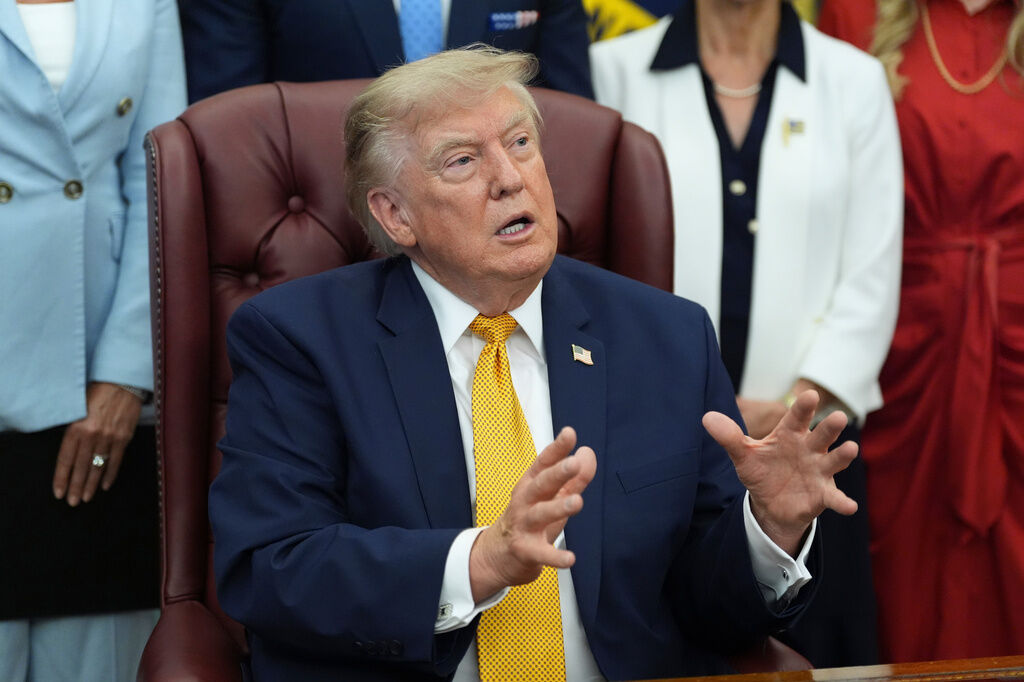
New polling released this week suggests that a socialist candidate would defeat a Make America Great Again candidate in a hypothetical 2028 presidential matchup, a move that implies the reach of progressive leftists isn’t abating despite recent setbacks in Wisconsin....
Fort Carson garrison commander says staff cuts created ‘uncertainty and fear’
Mary Shinn
mary-shinn@coloradopolitics.com
Updated 16 hours ago
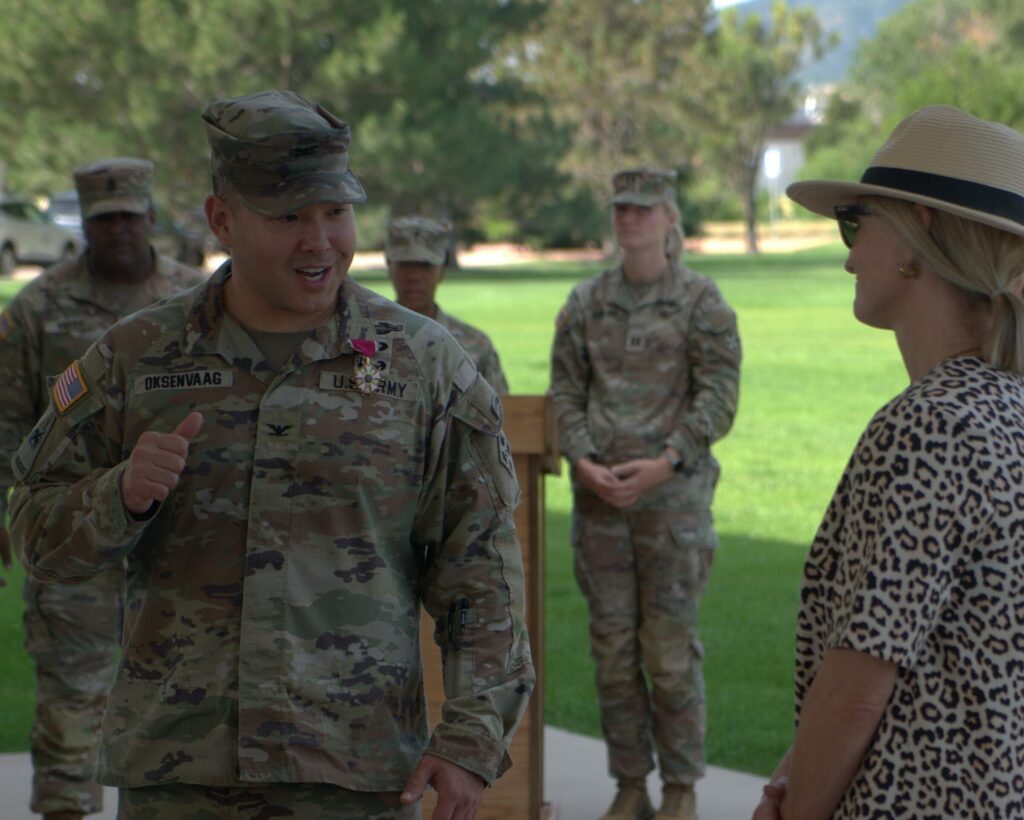
The Fort Carson garrison commander departed Wednesday after what he described as a difficult 18 months for installation and garrison staff. “I know the last 18 months has been marked by profound uncertainty and fear, but you weathered the storm...
Divided disciplinary panel censures Montezuma County judge after agreement reached
Michael Karlik
michael.karlik@coloradopolitics.com
Updated 21 hours ago
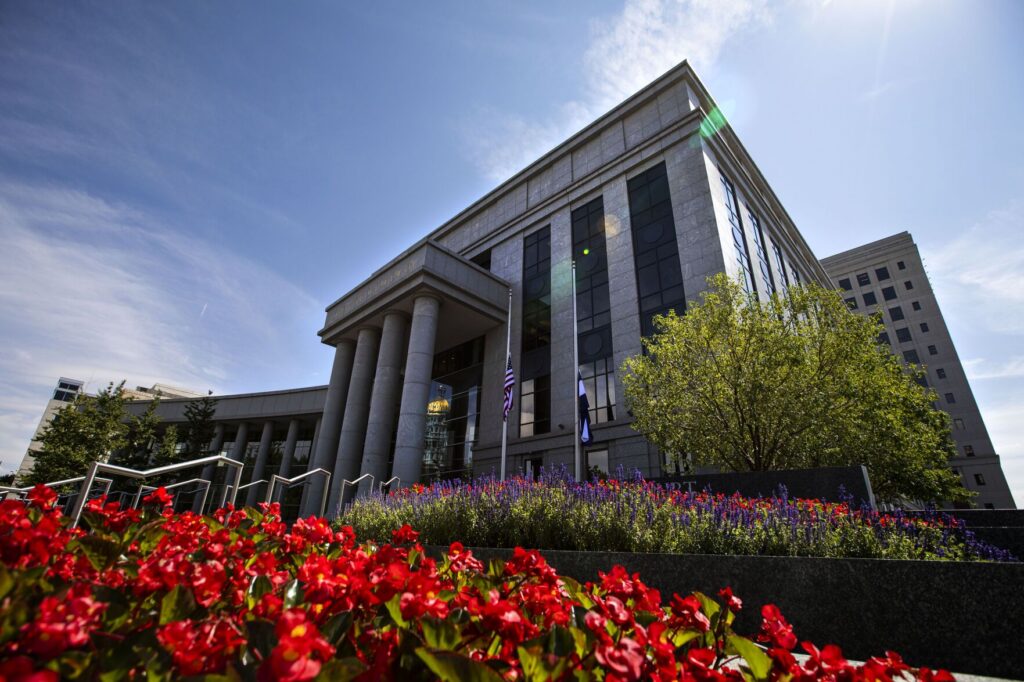
A disciplinary panel formally imposed a public censure, suspension, and further training on Montezuma County Court Judge Ian J. MacLaren on Tuesday by a 2-1 vote. Under constitutional Amendment H, which voters adopted in November 2024, MacLaren was set to...

Aurora police officer resigns after taking narcotics found during traffic stop
Kyla Pearce
kyla.pearce@gazette.com
Updated 16 hours ago
An Aurora Police Department officer resigned after investigators found that he took narcotics that were collected as evidence during a traffic stop. Michael Gallagher violated several agency policies, including substance abuse, tampering with evidence and lying in a criminal investigation,...
Douglas County measure to expand county commission advances to November ballot
Nicholas Fogleman
nicholas.fogleman@denvergazette.com
Updated 16 hours ago
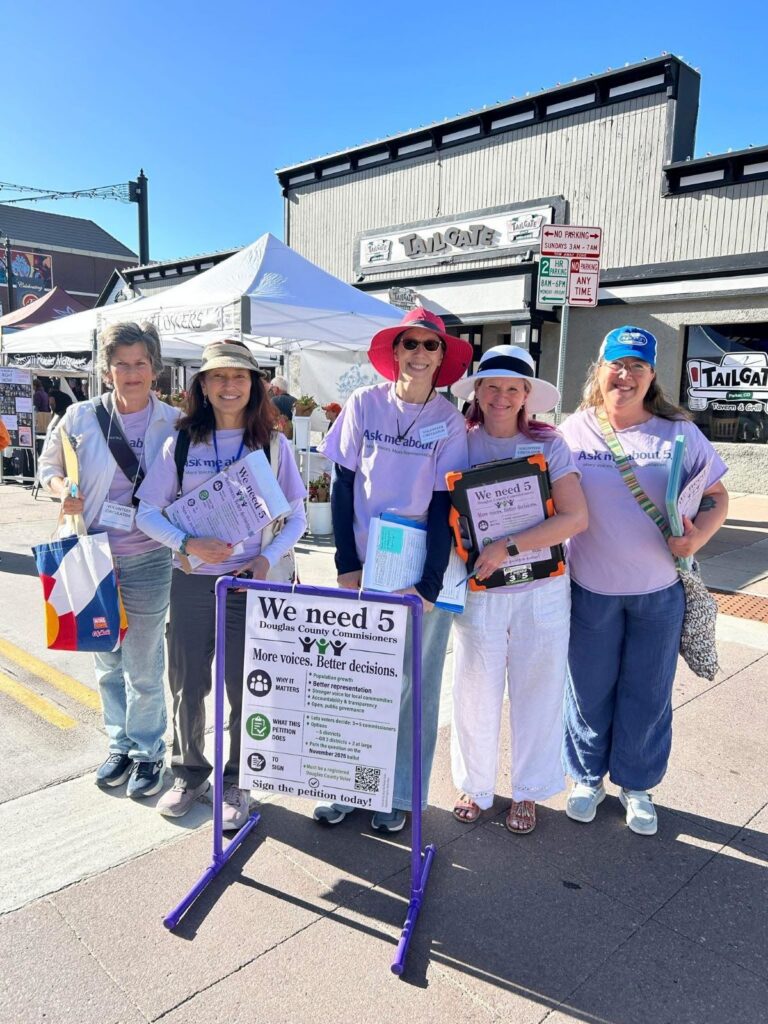
Douglas County voters will decide in November whether to expand the county’s Board of County Commissioners from three members to five after election officials certified a citizen-led petition effort Wednesday. The Douglas County Clerk and Recorder verified 20,434 petition signatures,...
PREV
PREVIOUS
Colorado city settles with 'butt sign' political activist
LOVELAND – This Colorado city has settled a lawsuit with a man who criticized a gubernatorial candidate using a sign featuring mannequin buttocks clothed in lingerie. The Reporter-Herald reports that insurers for Loveland have settled the First Amendment lawsuit filed by Bob Cluster for $70,000. The city admits no wrongdoing in the April 15 settlement, […]

New Mexico to market 'green bonds' for energy conservation
SANTA FE, N.M. – New Mexico plans to issue specialized green bonds as it borrows roughly $12 million to complete efficiency and renewable energy upgrades on a fleet of state buildings in the capital. The board of the New Mexico Finance Authority approved the additional borrowing Thursday to help fund improvements to about 30 state […]