

New campaign offers I-25 ‘Gap’ commuters incentives to take the bus or carpool
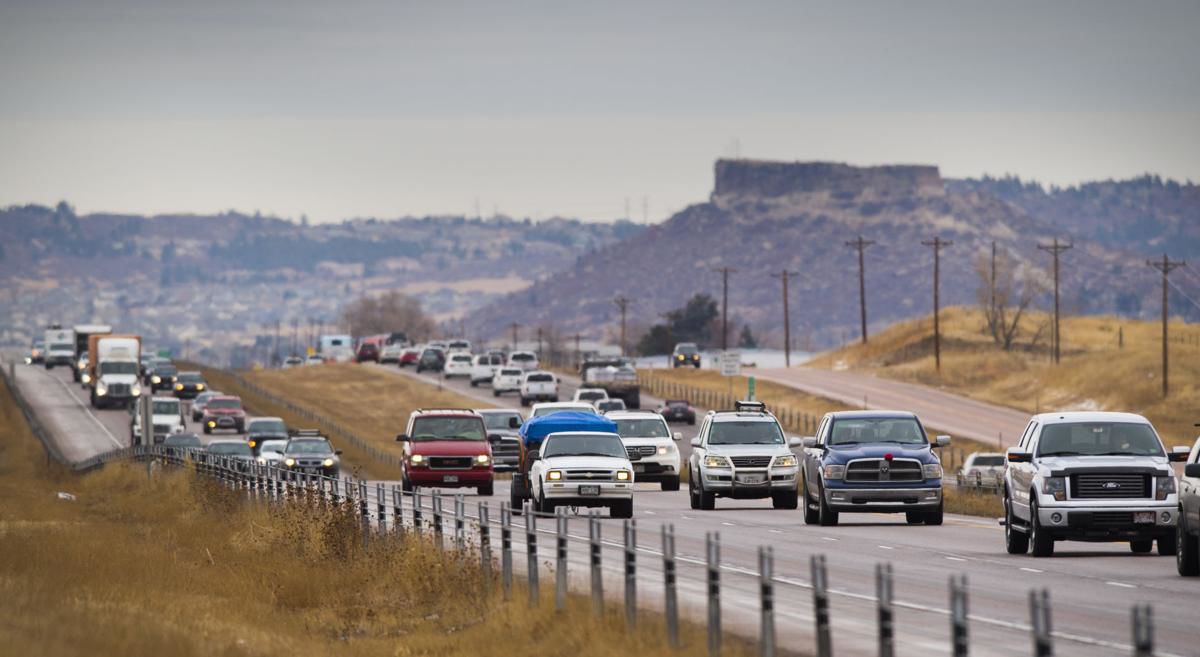
State and regional officials have unveiled a new incentive program to reduce the number of vehicles on the Interstate 25 “Gap,” which will soon be the state’s longest construction zone.
The Colorado Department of Transportation, Denver Regional Council of Governments and Mountain Metropolitan Transit have launched I-25 MyWay, which offers discounts and promotions on transportation services to encourage commuters to take a bus or carpool while the stretch from Monument to Castle Rock is being widened.
“The idea is to get more people moving on the corridor with fewer vehicles,” said CDOT spokesman Bob Wilson. “This is just getting the word out that there are other options – options that are pretty budget-conscious.”
The I-25 widening, slated for completion in 2022, will add a pair of toll lanes to expand the interstate from two to three lanes in each direction. Crews broke ground on the $350 million project after Labor Day, and construction is already taking place on the northern and southern ends of the Gap. Later this spring, work will be underway on the entire 18-mile span when crews start construction on the middle portion, too, Wilson said.
Two lanes will continue to remain open in each direction during the daytime, unless an emergency arises, he said.
Officials say the MyWay campaign aims to promote a safer and faster trip for Gap commuters by urging them to use one of the following modes of transportation:
? Bus: Riders can now take the state-run Bustang service to and from Colorado Springs and the Denver Tech Center for $9 each way. A trip to or from downtown Denver costs $12 each way. The buses have restrooms, bike racks, free Wi-Fi and device charging stations. New users can request a free round-trip ride to downtown Denver or the Denver Tech Center by visiting i25myway.org.
? Carpool: Carpoolers can now track their trips to become eligible for rewards and raffle prizes. Commuters who wish to carpool more than once can use i25myway.org to find a recurring carpool. Waze Carpool smartphone app is also offering Gap commuters $2 rides this spring. The app, run by the same company that offers a popular GPS navigation service, matches drivers and riders headed in the same direction and charges riders a per-mile fee to reimburse the driver for gas. Mountain Metro Transit also has a carpool matching service for local residents at mmtransit.com.
? Vanpool: Mountain Metro Transit is offering a discount on its vanpool service, which offers groups of five to 12 commuters a van to share. A designated driver within the group is chosen for each van, and the service covers insurance, maintenance and fuel. Riders can now get $200 off their first month. Each passenger on a vanpool traveling through the Gap typically pays $205 to $275 per month, depending on the distance traveled. Anyone interested can visit mmtransit.com or call 385-7433.
The alternatives can help passengers save money that might otherwise be spent on vehicle maintenance and make trips safer by thinning traffic in the Gap and reducing the risk of collisions, Wilson said. Plus, the options allow commuters to cut down on their carbon footprints, resulting in a more environmentally friendly way of travel, he said.
“It gives them a chance to try it out, test it out, to see if this is something that works for them,” Wilson said.
As a passenger in a bus or carpool, it also gives commuters extra time to relax, read the newspaper, use a smartphone or get some work done, said Mountain Metro Transit Director Craig Blewitt. He hopes that Colorado Springs residents who commute to the Denver area for their jobs will consider the alternatives.
“If some people can contribute, it will benefit everyone,” he said.
On the northern portion of the Gap – the 5 miles from Castle Rock to Sky View Lane – crews are now building toll lanes in the center of the roadway. This summer, traffic on the segment will be moved toward the median as crews expand the highway’s shoulders, according to CDOT.
On the southern stretch, the 7 miles from Monument to Greenland Road, crews are putting barriers in place, establishing work zones and getting ready to shift traffic, Wilson said.
One major shift will occur this spring at the Greenland Road interchange, where northbound lanes will be moved toward the southbound lanes, separated by a barrier, so the eastern half of the interchange can be built. For construction of the western half, traffic will shift in the opposite direction.
The I-25 widening is being paid with $250 million from the state, $65 million from the U.S. Department of Transportation and $35 million from local governments, including El Paso and Douglas counties.


Trump lowers flags to half-staff for Dolly Parton: ‘The World loves you’
Naomi Lim
naomi-lim@coloradopolitics.com
Updated 2 hours ago
President Donald Trump is honoring the life of country music legend and philanthropist Dolly Parton by ordering federal buildings across the country to lower flags to half-staff for a week. “Very sad to report that Dolly Parton, one of the...
Ted Cruz suggests GOP realignment coming after Trump leaves office
Emily Hallas
emily-hallas@coloradopolitics.com
Updated 2 hours ago
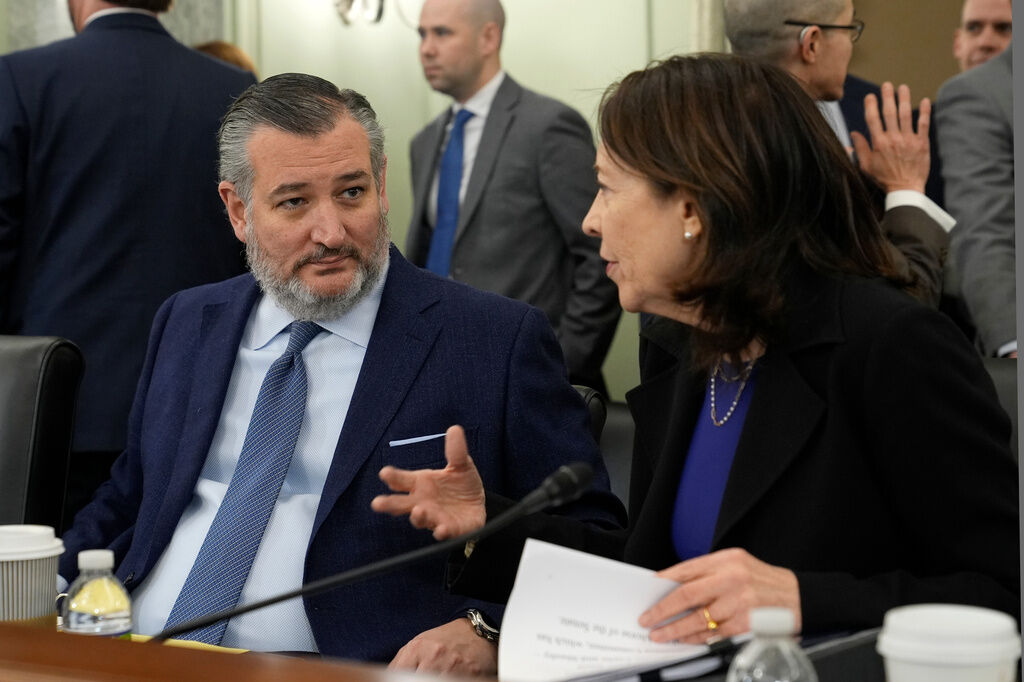
Sen. Ted Cruz (R-TX) on Monday suggested the Republican Party could embrace a directional shift after President Donald Trump leaves office, a transition that promises to leave a gaping hole in the GOP. Cruz is known as a critical ally...
2 Colorado State troopers shot near Woodland Park; suspect killed
DEBBIE KELLEY
debbie-kelley@coloradopolitics.com
Updated 2 hours ago
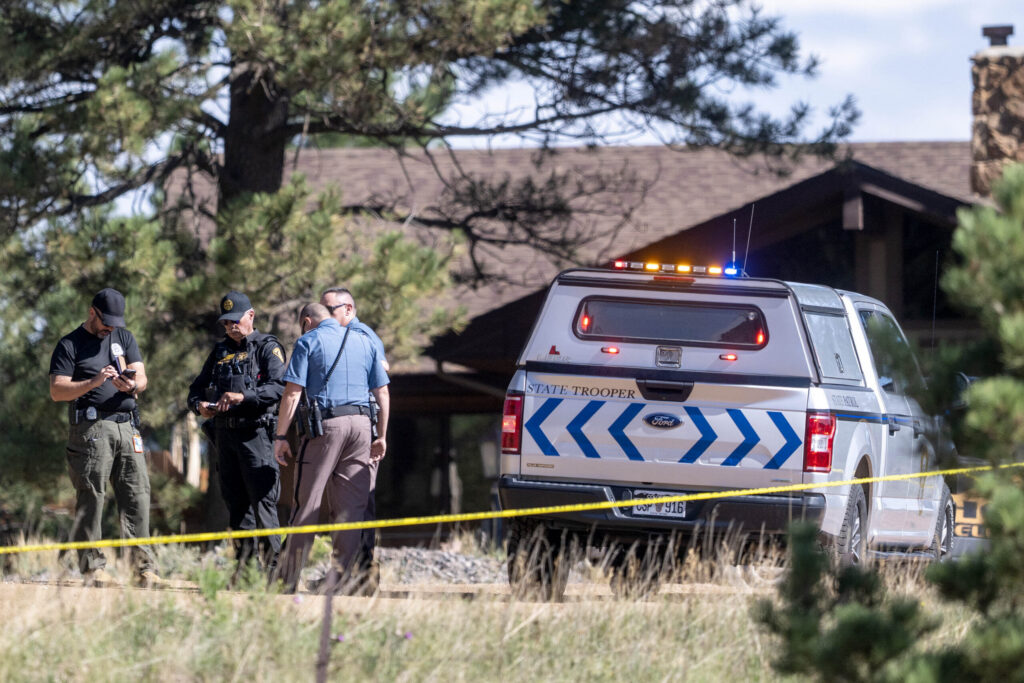
Two Colorado State Patrol troopers were hospitalized, and a suspect is dead after a shooting during a traffic stop Tuesday. The initial incident happened at about 7:15 a.m., when a resident reported suspicious activity in the area near milepost 286...
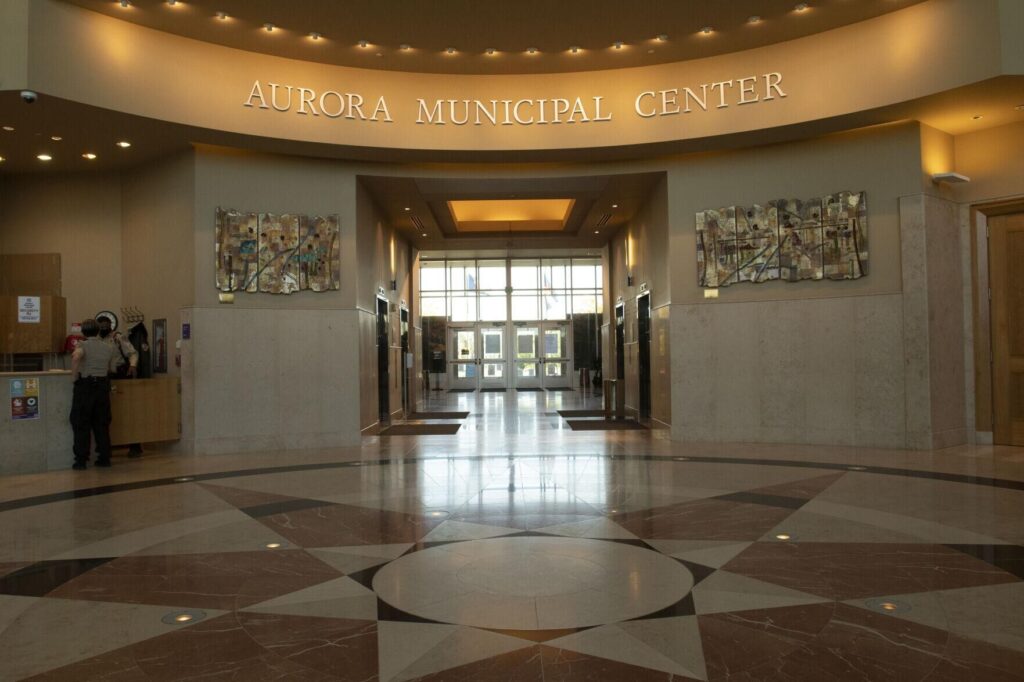
Aurora moves forward with data center regulations
Kyla Pearce
kyla.pearce@gazette.com
Updated 2 hours ago
The Aurora City Council approved moving forward with two new regulations on data centers and directed staff to come back at the next study session with others. At a council meeting in early August, council members directed city management to...

Aurora City Council considers stricter food truck regulations
Kyla Pearce
kyla.pearce@gazette.com
Updated 2 hours ago
The Aurora City Council is considering passing laws to limit the number of food trucks on properties in the city and how and when they operate. Councilmember Angela Lawson, who sponsored the ordinance, said she understands the importance of food...
Denver murder conviction reversed for incomplete self-defense instruction
Michael Karlik
michael.karlik@coloradopolitics.com
Updated 7 minutes ago
Colorado’s second-highest court reversed a defendant’s murder conviction last week because a Denver judge gave an incomplete instruction to the jury about the man’s right to self-defense. Donald R. Gonzales and Gary McLaughlin met up in a Capitol Hill parking...
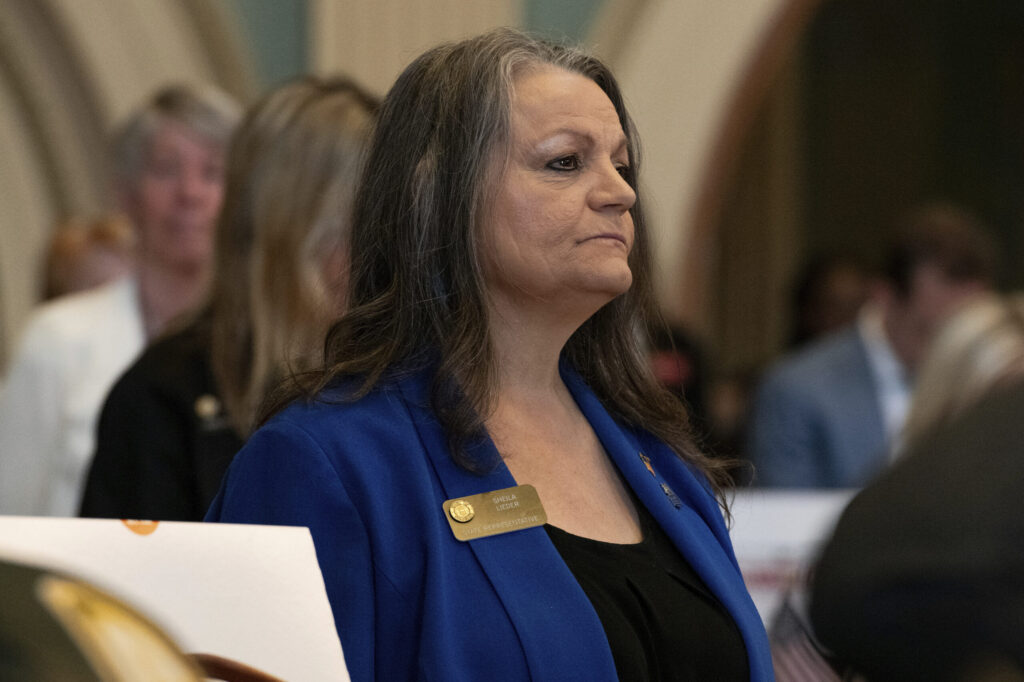
Colorado lawmaker, House leaders named in workplace-retaliation lawsuit
Marianne Goodland
marianne.goodland@coloradopolitics.com
Updated 3 hours ago
A former legislative aide has filed a lawsuit alleging she was mistreated, illegally directed to perform campaign work and harmed by a House leadership structure she charged was fragmented, politicized and ineffective at protecting employees. The lawsuit, filed by Jennifer...

Secret Service confirms awareness of Iranian state media video threatening Barron Trump’s life
The Associated Press
the-associated-press@coloradopolitics.com
Updated 8 hours ago
WASHINGTON (AP) — The U.S. Secret Service has confirmed it is aware that Iranian state media has aired a video that appears to threaten the life of Barron Trump, President Donald Trump’s youngest son. “The U.S. Secret Service is aware...
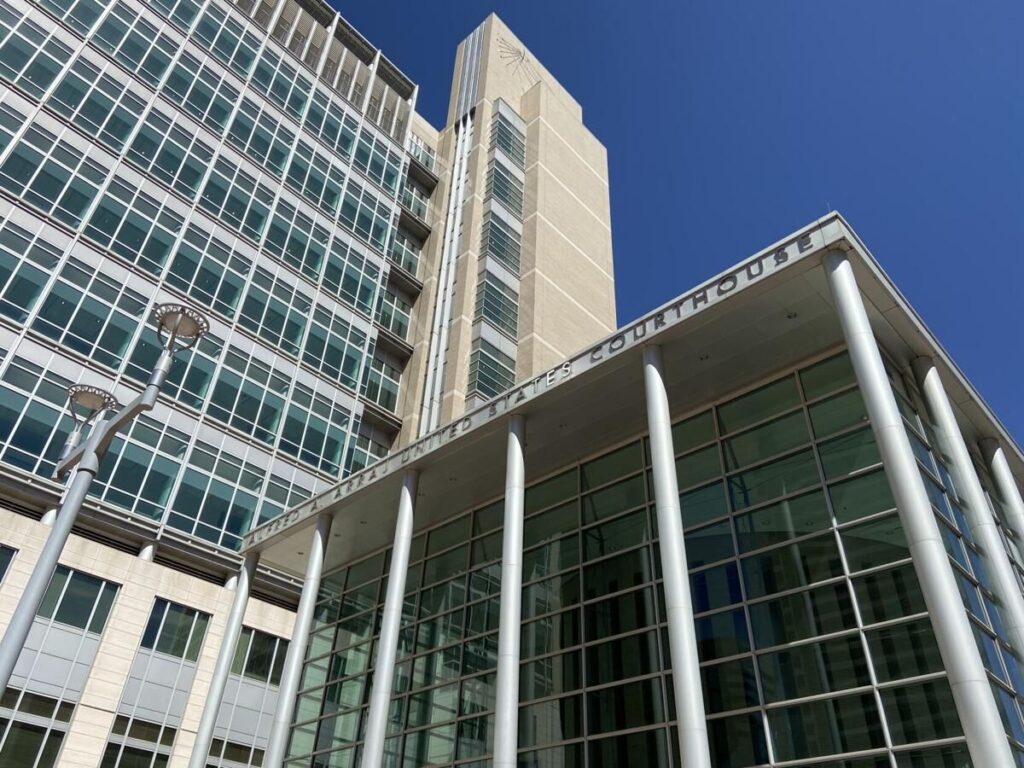
Federal judge hears arguments about Colorado’s 3-day gun purchase waiting period
Michael Karlik
michael.karlik@coloradopolitics.com
Updated 8 hours ago
A federal judge heard arguments on Monday about the constitutionality of a 2023 Colorado law that generally imposes a three-day waiting period on firearm purchases after the initiation of a background check. The test that the U.S. Supreme Court created...
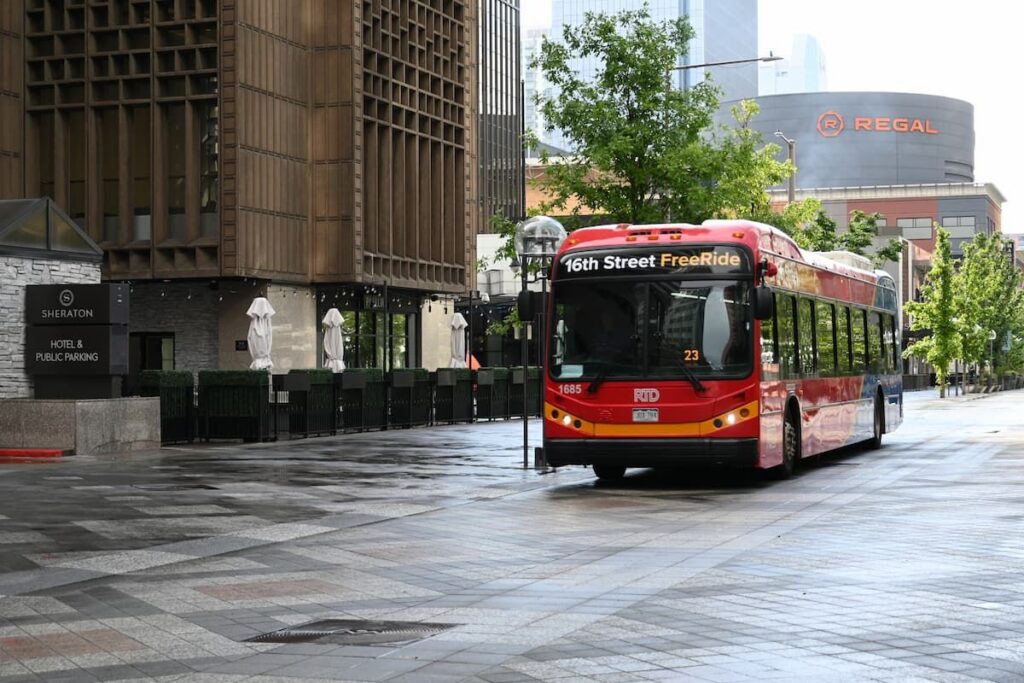
Denver auditor finds oversight failures in $175.6M 16th Street project
Nico Brambila
nico.brambila@denvergazette.com
Updated 2 hours ago
Surprise historic sewer discovery delayed completion a year, cost $18M The Denver Auditor recently found significant oversight and contracting problems with the $175.6 million 16th Street Improvement Project, including an $18 million contract increase and a nearly one-year extension that...
PREV
PREVIOUS

Ex-Starbucks CEO Schultz, mulling presidential bid, visits Colorado
Howard Schultz, the former chief executive of Starbucks who has been pondering an independent run for the White House, plans to make stops in Colorado this week, including a Denver appearance Thursday. His website says he is scheduled to appear at noon Thursday at a “town hall on governing from the center” hosted by the […]
Colorado school district mergers could happen without voters’ OK
Colorado’s 178 school districts include some with fewer than 50 students, some that don’t serve all grades, and some that have struggled academically and financially for years. Yet it’s been nearly two decades since a school district dissolved and merged with a neighbor. A bill that passed the state Senate Wednesday lays out a new […]