

Colorado Springs area risks violating federal ozone standards
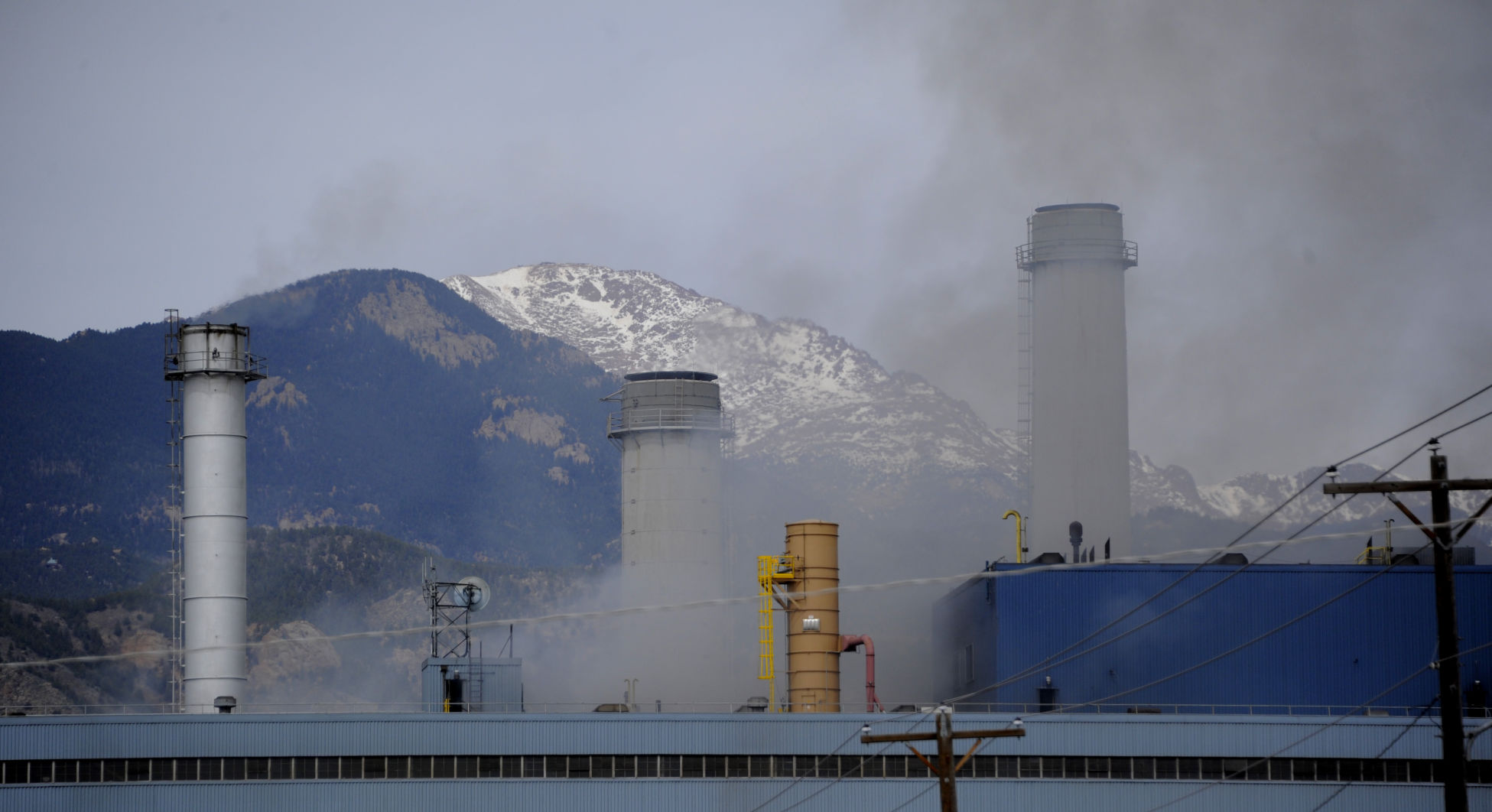
The Colorado Springs area could violate federal air quality standards if smog isn’t kept in check this summer.
Last summer, ozone levels measured by regional air quality monitors at the Air Force Academy and in Manitou Springs exceeded the limit mandated by the Environmental Protection Agency several times.
If ozone concentrations again exceed that threshold this year, vehicle emissions testing and other mitigation measures might be required to fix the problem, officials say.
The Pikes Peak Area Council of Governments, the air quality planning agency for the region, is hiring environmental staff and reviving its air quality technical committee to see what steps can be taken to reduce levels so that the region is not designated as a “nonattainment” area for ozone by the EPA, said Pikes Peak Area Council of Governments Transportation Planner Kenneth Prather.
Calls growing to shut down part of downtown Colorado Springs coal-fired power plant next year
Ozone is a colorless, odorless reactive gas found naturally in Earth’s stratosphere and also near its surface, where pollutants emitted from vehicles, household chemicals, power plants and activities such as oil and gas production react in sunlight to form it. The main component of smog, ozone can cause difficulty breathing, shortness of breath and coughing and exacerbate lung diseases such as asthma, emphysema and chronic bronchitis, according to the EPA.
The region is still technically in line with federal regulations because compliance is based on a three-year average of the fourth highest reading at the two monitors, meaning the three highest smog days each year are dropped.
In the late 1980s, the EPA found that the Colorado Springs area had violated air quality standards for another pollutant, carbon monoxide. As part of an extensive plan developed by local governments to bring levels below mandated limits, county residents were required to have their vehicles’ emissions tested until the beginning of 2007. The area is now nearing the end of a required 20-year maintenance period for its carbon monoxide violation that’s expected to end after 2020, Prather said.
The Pikes Peak Area Council of Governments’ air quality committee stopped meeting in late 2017, after the organization’s environmental program manager stepped down for another job.
Teller County Commissioner Norm Steen, chairman of the Pikes Peak Area Council of Governments board of directors, said hiring more employees for the program “wasn’t a priority” after the board brought on a new PPACG executive director in late 2017. At that time, the area was “heading toward attainment” for carbon monoxide levels, he said.
Second major Colorado utility commits to 100 percent carbon-free electricity
“We’re just seeing evidence that we need to put resources back into that (environmental program) position again and we’re taking those steps,” he said. “Any growing metropolitan area is going to face challenges like this. The key is to stay on top of it.”
Annual maximums measured at the two monitors have been on the rise since 2014, according to data from the PPACG. Since then, the EPA has lowered the ozone limit from 75 parts per billion to 70 parts per billion.
Officials have attributed this year’s spike in ozone to a combination of population growth and increasing temperatures. Wildfire smoke drifting in from massive blazes in other states, such as California, have also boosted levels.
Local environmental activists say two area coal-fired power plants, Martin Drake in downtown Colorado Springs and Ray Nixon near Fountain, are contributors. Burning fossil fuels emits nitrogen oxide, an ingredient in the formation of ozone.
“There’s a lot of things to blame,” said local clean air activist Nicole Rosa. “We’ve got a coal-fired power plant in the heart of our downtown. That’s certainly not helping our situation.”
Colorado Springs Utilities spokeswoman Amy Trinidad said nitrogen oxide emissions from Drake have fallen more than 80 percent since 1995, and preliminary data shows they were the lowest ever in 2018. Drake and Ray Nixon have been equipped with burners that emit lower amounts of nitrogen oxide than traditional models.
Last summer was “a bad year for ozone across all of Colorado,” Gordon Pierce, a program manager with the state’s Air Pollution Control Division.
In the region, some of the over-the-limit measurements were caused by wildfire smoke or by stratospheric ozone intrusions, in which ozone from the atmosphere descends to the Earth’s surface, Pierce said.
The EPA has a process for recognizing these unusual circumstances so that those measurements aren’t counted toward a region’s average. But the state must petition for such exclusions, and it’s time-consuming, Pierce said.
Manitou Springs Mayor Ken Jaray has questioned the EPA’s use of averaged measurements to gauge compliance with air quality standards.
“We breathe bad air and there are health consequences to that,” Jaray told The Gazette. “We ought not to let federal regulation dictate our health.”
Resident Dave Wolverton suspects the ozone levels have taken a toll on his health. The self-described avid hiker and cyclist was diagnosed with asthma just a few years ago when he was in his mid-50s.
His doctors are puzzled because he’s never been a smoker, worked in an industrial environment that could have caused the condition, or experienced other major health issues, he said. He added that he routinely checks air quality levels on the state’s website and noticed last summer that he felt more stress on his lungs when ozone concentrations were higher.
“I can really feel it,” he said, adding that the high smog levels are “disheartening.”
“I’ve lived here a long time. One of the reasons I originally moved to Colorado is a healthy environment.”

10th Circuit rebuffs government, rules against shift to mandatory immigration detention
Michael Karlik
michael.karlik@coloradopolitics.com
Updated 3 minutes ago
The Denver-based federal appeals court ruled on Tuesday against the government’s broad assertion of authority to keep people in immigration custody without the opportunity to demonstrate their suitability for release on bond. Although the regional appeals courts have reached different...
Appeals court revives tenants’ lawsuit over landlords’ illegal fee demands
Michael Karlik
michael.karlik@coloradopolitics.com
Updated 2 hours ago
Colorado’s second-highest court revived a proposed class-action lawsuit against landlords and other entities last month, concluding that state law did not permit landlords and other entities to demand that tenants pay attorney fees in certain eviction proceedings. In 2021, lawmakers...
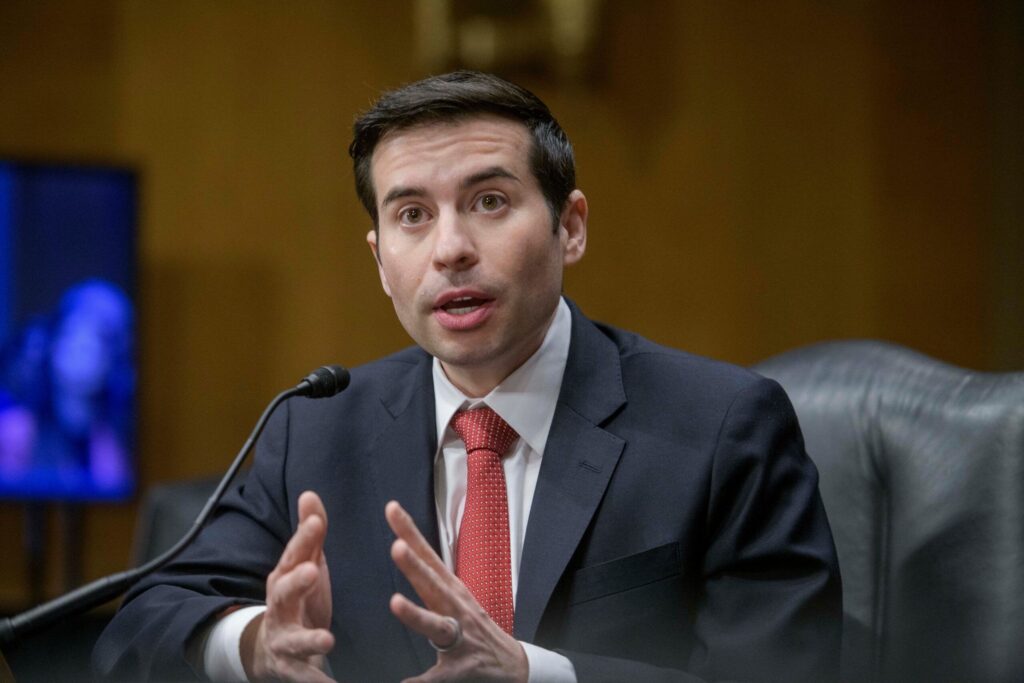
Trump nominates acting Labor Secretary Keith Sonderling to permanent role
Brady Knox
brady-knox@coloradopolitics.com
Updated 4 hours ago
President Donald Trump nominated acting Labor Secretary Keith Sonderling to keep the role permanently. Trump made the announcement on Truth Social, touting his experience during his first and second terms in the Labor Department. “Throughout his career, Keith has proven...
Appeals court reverses Jeffco assault convictions due to omitted jury instruction
Michael Karlik
michael.karlik@coloradopolitics.com
Updated 6 hours ago
Colorado’s second-highest court agreed last month that a Jefferson County defendant’s assault convictions could not stand because his jury should have been allowed to consider whether he used force against a bar patron to defend his girlfriend from inappropriate touching....
Colorado Supreme Court tosses man’s lawsuit over daughter’s traffic death
Michael Karlik
michael.karlik@coloradopolitics.com
Updated 6 hours ago
The Colorado Supreme Court applied a confusing matrix of conditions and deadlines in state law to conclude on Monday that a man waited too long to sue after his daughter was rendered unconscious and later died from a vehicle accident....
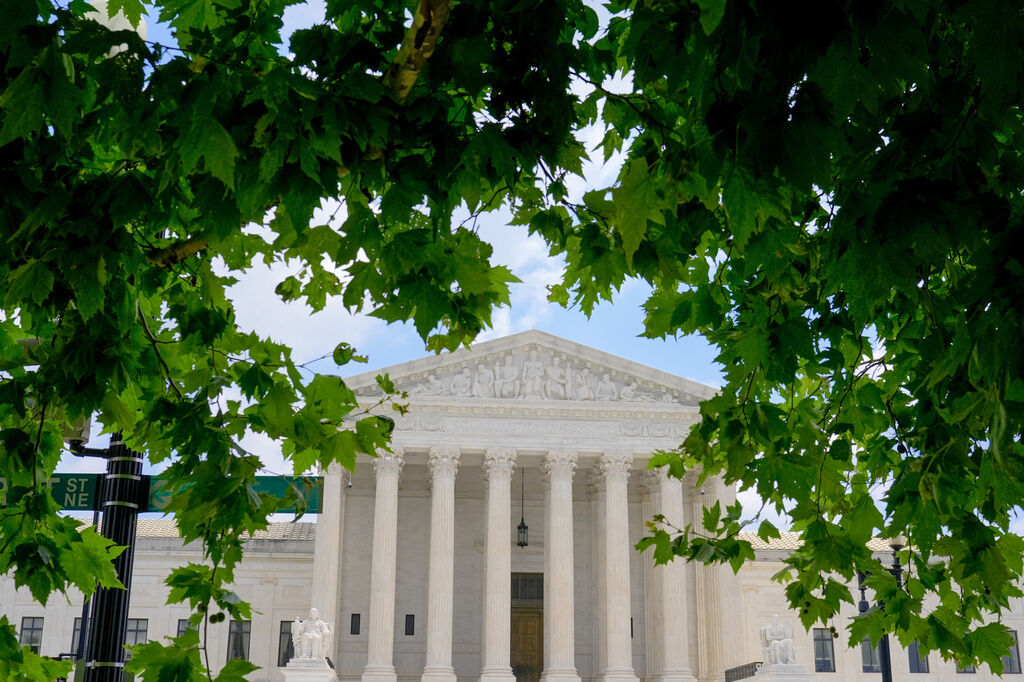
Supreme Court upholds birthright citizenship, rejecting Trump’s proposed limits
Wire Services
wire-services@coloradopolitics.com
Updated 16 minutes ago
WASHINGTON • A divided Supreme Court on Tuesday upheld a broad conception of birthright citizenship, rejecting President Donald Trump’s executive order declaring that children born to people who are in the United States illegally or temporarily are not American citizens....
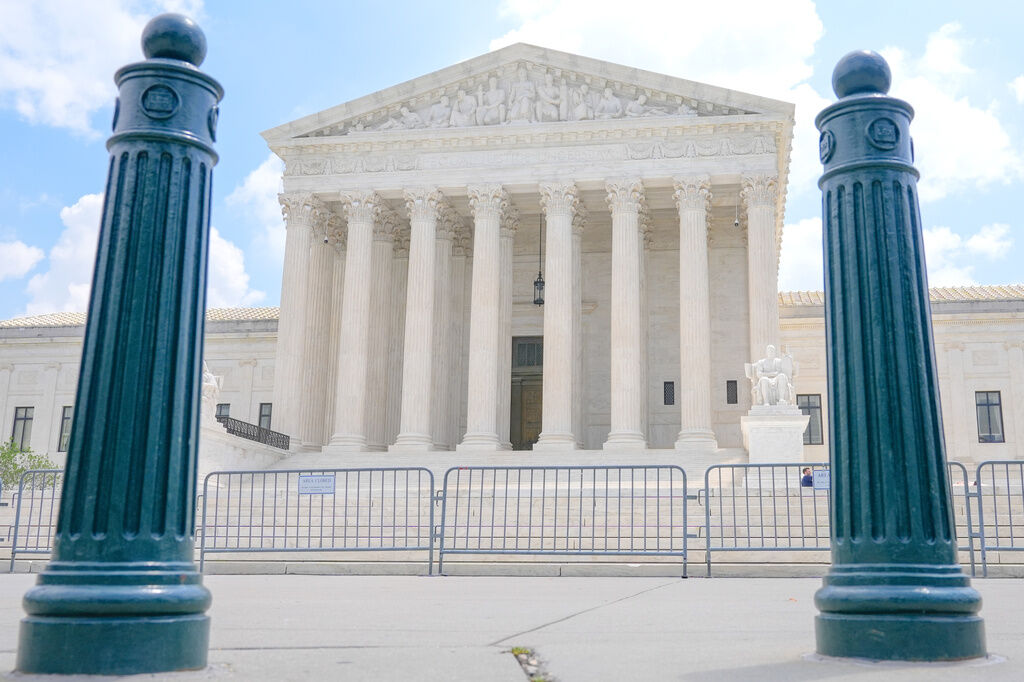
U.S. Supreme Court upholds state laws banning transgender girls and women from school athletic teams
The Associated Press
the-associated-press@coloradopolitics.com
Updated 8 hours ago
WASHINGTON • The U.S. Supreme Court on Tuesday upheld state laws barring transgender girls and women from playing on school athletic teams. The court’s conservative majority ruled that state bans in Idaho and West Virginia don’t violate the U.S. Constitution...

Colorado voters head to the polls today — check here for regular updates
Colorado Politics
colorado-politics@coloradopolitics.com
Updated 12 hours ago
Colorado voters head to the polls today to pick primary winners that will vie for statewide offices in November, the result of which would determine the direction of the state in the coming years. At stake are the parties’ nominees...
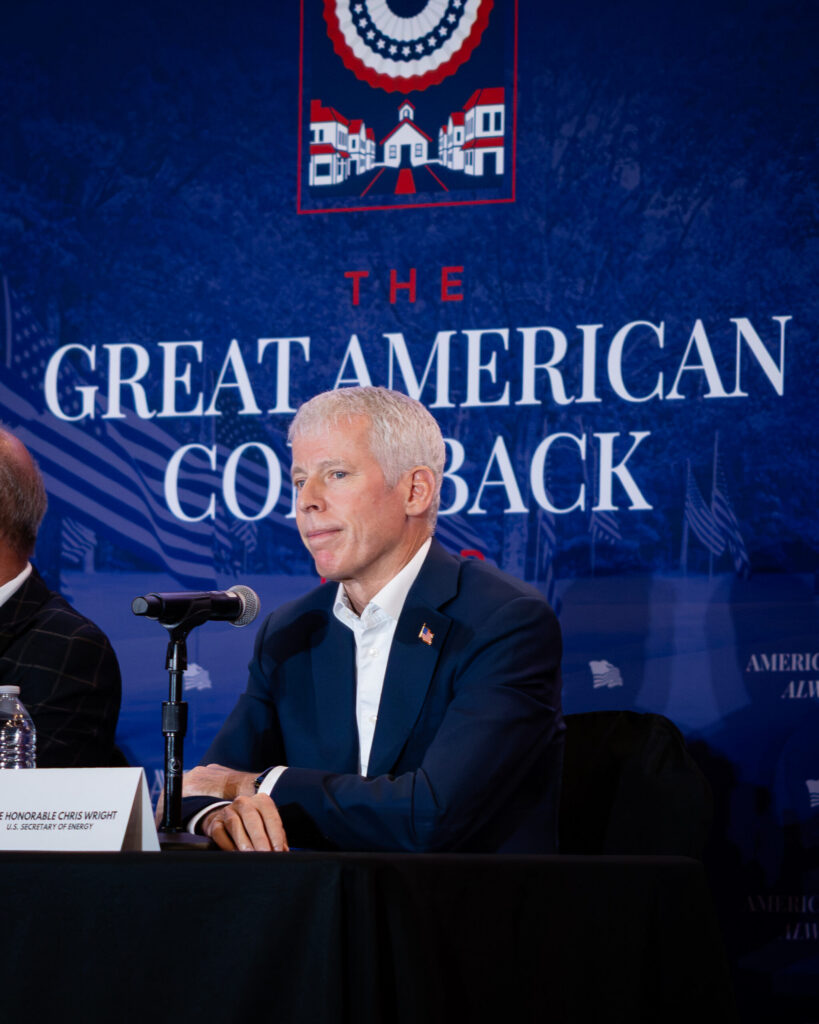
Energy secretary says U.S. must grow capacity, lower price during Colorado visit
Mark Samuelson Special to The Denver Gazette
mark.samuelson@denvergazette.com
Updated 9 hours ago
As a heatwave in the U.S. and Europe punctuated widespread calls for recommitments to solar and other “renewable” sources, U.S. Secretary of Energy Chris Wright doubled down on America’s current policy, telling a Thornton crowd on Monday that energy goals...
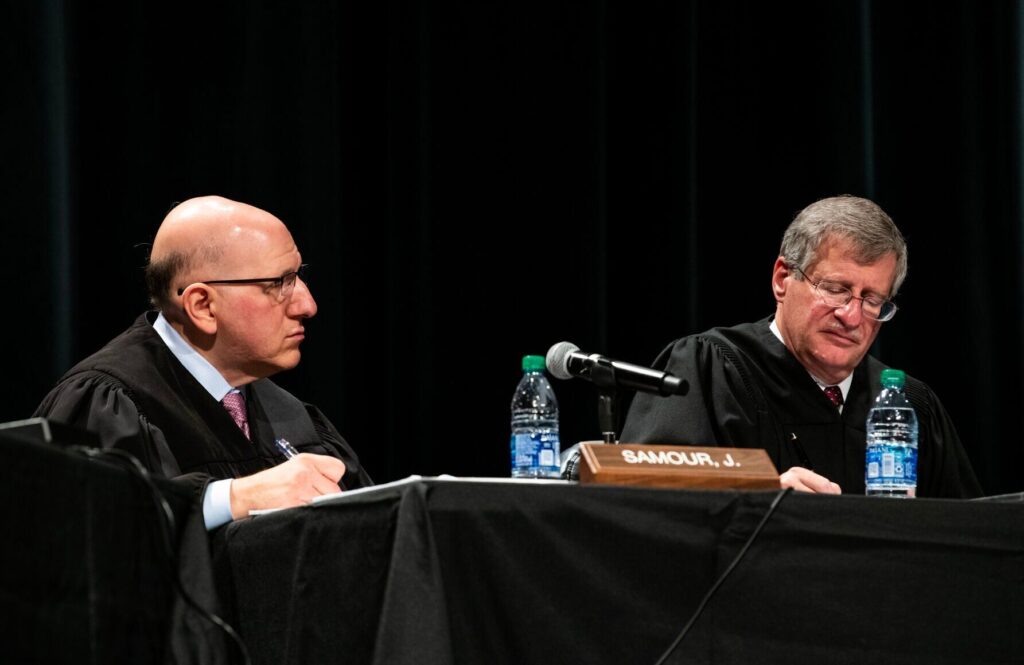
Colorado Supreme Court upholds child abuse convictions despite faulty jury instruction
Michael Karlik
michael.karlik@coloradopolitics.com
Updated 1 day ago
The Colorado Supreme Court decided on Monday that a San Miguel County jury properly convicted a defendant of child abuse resulting in death, even though the instructions potentially allowed jurors to avoid finding that the child abuse resulted in death....
PREV
PREVIOUS

Colorado legislators plan to overhaul education funding system that helps wealthy districts
Colorado lawmakers who write the state budget say they have a plan to change how $8.6 billion is distributed for kindergarten through 12th grade, overhauling a system that critics say disproportionately sends state money to wealthy school districts while schools in poorer areas struggle. If signed into law, voters in wealthy areas with low property […]
Interstate 25 'Gap' to be among Colorado's 1st highways that can 'listen' and 'talk' to drivers
Drivers traveling through what’s known as the “Gap” on Interstate 25 from Monument to Castle Rock might have more than an extra lane in each direction to ease their trip by 2021. Those who have specially equipped vehicles could also get dashboard alerts about poor road conditions, crashes ahead and other traffic hazards. The roughly […]