

New Colorado laws on pot, debt, sexting and driving take effect with the new year
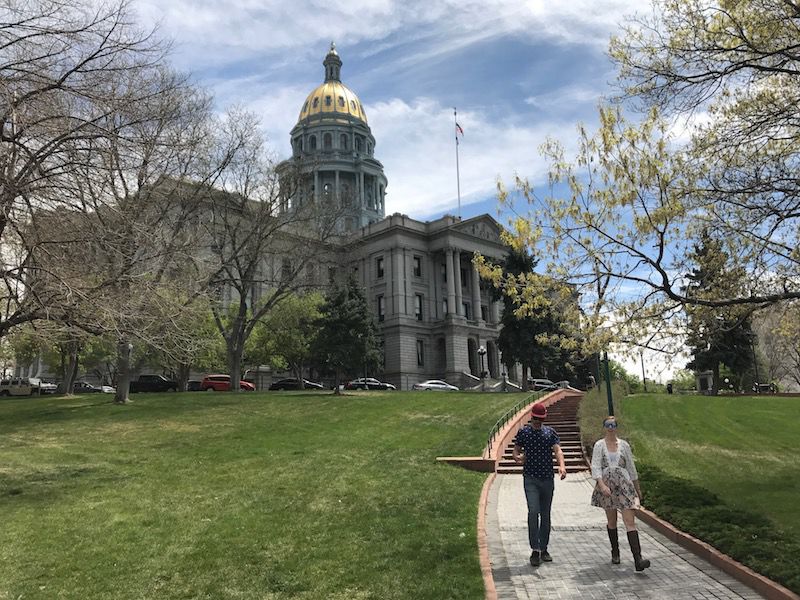
Employers, debt collectors, teen sexters and pot growers are among those who have new laws to follow with the dawn of the new year.
The minimum wage bumps up to $10.20 an hour from $9.30, and employees who get tips will see their base pay rise to $7.18 an hour, up from $6.28. This wasn’t the legislature’s doing, however.
In November 2016 election, Colorado’s voters passed Amendment 70, which raises the minimum wage each year until it reaches $12 an hour by 2020. The minimum wage was $8.31 per hour when voters approved the ballot measure with a 55 percent majority.
As usually is the case, the marijuana industry has new rules in its playbook.
The bipartisan House Bill 1220 last session capped the number of plants that can be grown or possessed in a on residential property at 12, unless the local city or county allows more. Medical marijuana patients can get an exemption that allows up to 24.
A first offense carries a fine of up to $1,000 but subsequent offenses and those involving more than 30 plants escalate to a class 3 felony, which can net five years in jail and a $100,000 fine.
Retail pot products also will take on a new look, as new rules take effect to guide labeling and packaging away from an appeal to minors or confusion with non-marijuana-laced candy or cookies, for example.
The packaging rules also will make products harder for young children to get into.
Colorado lawmakers last session made it a class 2 misdemeanor petty offense for teens older than 14 to send or possess lewd images of themselves or other teens, otherwise know as sexting. Offenders can be punished by attending restorative justice programs to learn risks and consequences or pay a $50 fine.
The new law is a go-between that could keep children from facing more serious sex offense or child pornography cases.
Debtors could catch a break in 2018.
Now those who buy uncollected debts will have to keep better records and do a better job of making sure the debt hasn’t been settled before they start calling debtors to collect.
Lawmakers said those in the so-called “zombie debt” game will face investigation by the attorney general if they don’t play by the new rules. Senate Bill 216 also made clear that there is two-year statute of limitations for private debt collections.
Hit-and-run drivers will automatically lose their licenses, if they leave behind injuries or a fatality starting Monday.
Previously, they would have to wait until they went to court. Further, hit-and-run drivers who are impaired might hope to retain their license by not getting a drunk-driving charge, the Colorado State Patrol told lawmakers last session.
The new laws represent most of the last work from the 2017 legislative session. The next session starts Jan. 10.


Federal judge rejects constitutional claims, ‘expressions of hatred’ by Club Q defendant
Michael Karlik
michael.karlik@coloradopolitics.com
Updated 2 hours ago
A federal judge rejected a defendant’s claims that he received constitutionally ineffective assistance of counsel while facing federal hate crime and firearms charges for murdering five people at a Colorado Springs LGBTQ nightclub in 2022. Anderson Lee Aldrich is serving...

Space Force should measure workforce needs as it prepares to double in size, GAO report says
Mary Shinn
mary-shinn@coloradopolitics.com
Updated 2 hours ago
The Space Force needs more people. It’s just not precisely sure how many more. A Government Accountability Office report released earlier this month found that the youngest and smallest military branch does not have a process to consistently or accurately...

Colorado schools receive $24 million to fully implement Healthy School Meals for All
Marissa Ventrelli
marissa.ventrelli@coloradopolitics.com
Updated 3 hours ago
The Colorado Department of Education is providing Colorado schools with nearly $24 million in grant funding to fully implement the Healthy School Meals for All program. Approved by voters in 2022, the Healthy School Meals for All provides free breakfast...

Secret Service agent placed on administrative leave after arrest for near-deadly hazing ritual
Claire Carter
claire.carter@washingtonexaminer.com
Updated 4 hours ago
A Miami Secret Service agent in Florida was placed on administrative leave following his arrest on Sunday in connection with a near-deadly hazing incident at a University of Miami fraternity. Marquez Christopher Pinder, 29, was arrested alongside two other individuals...
Forest fire west of Sedalia prompts evacuations in Douglas County
Nicholas Fogleman
nicholas.fogleman@denvergazette.com
Updated 6 hours ago
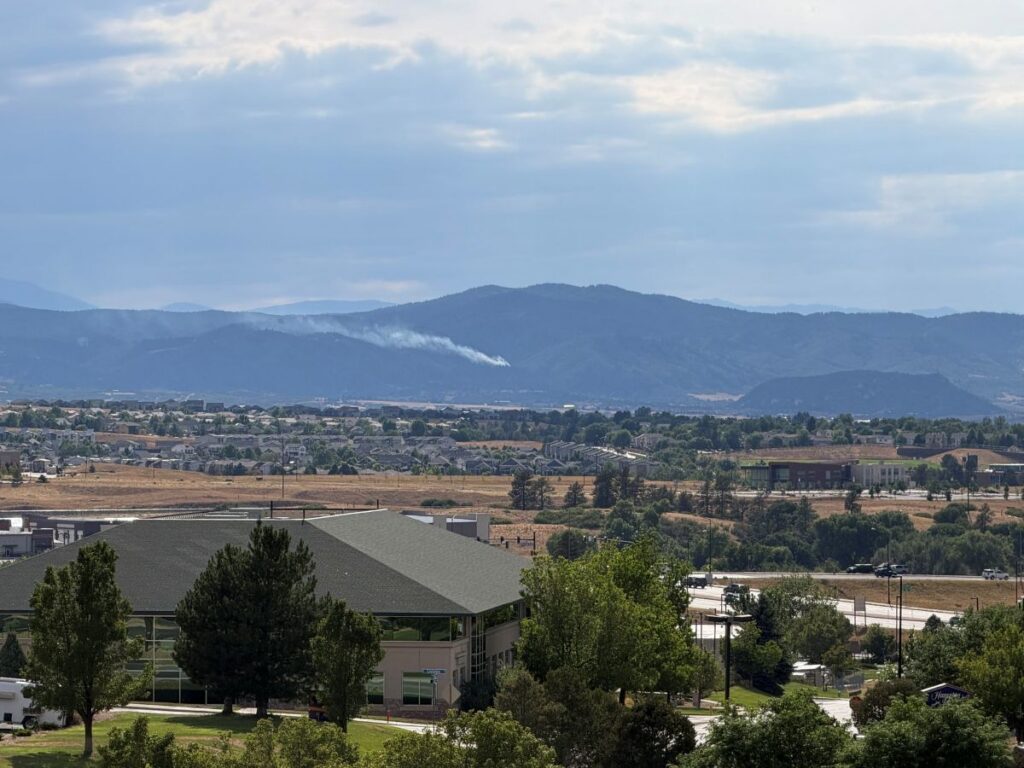
Emergency crews are responding to a forest fire burning west of Sedalia, prompting evacuation orders for nearby residents Sunday afternoon. At about 5 p.m. Sunday, the Douglas County Sheriff’s Office issued an evacuation order for residents within a 2-mile radius...

Airstrikes have paused and talks are pressing forward. But can the US and Iran take the off-ramp?
The Associated Press
the-associated-press@coloradopolitics.com
Updated 6 hours ago
WASHINGTON (AP) — The U.S. military has paused its airstrikes on Iran after nearly two weeks of intensifying bombing, while diplomatic efforts have pushed forward to try to avert a return to all-out war. But it remains to be seen...
Penrose fortune paved the way for Colorado Springs to be a military, space and sports town
Mary Shinn
mary-shinn@coloradopolitics.com
Updated 6 hours ago
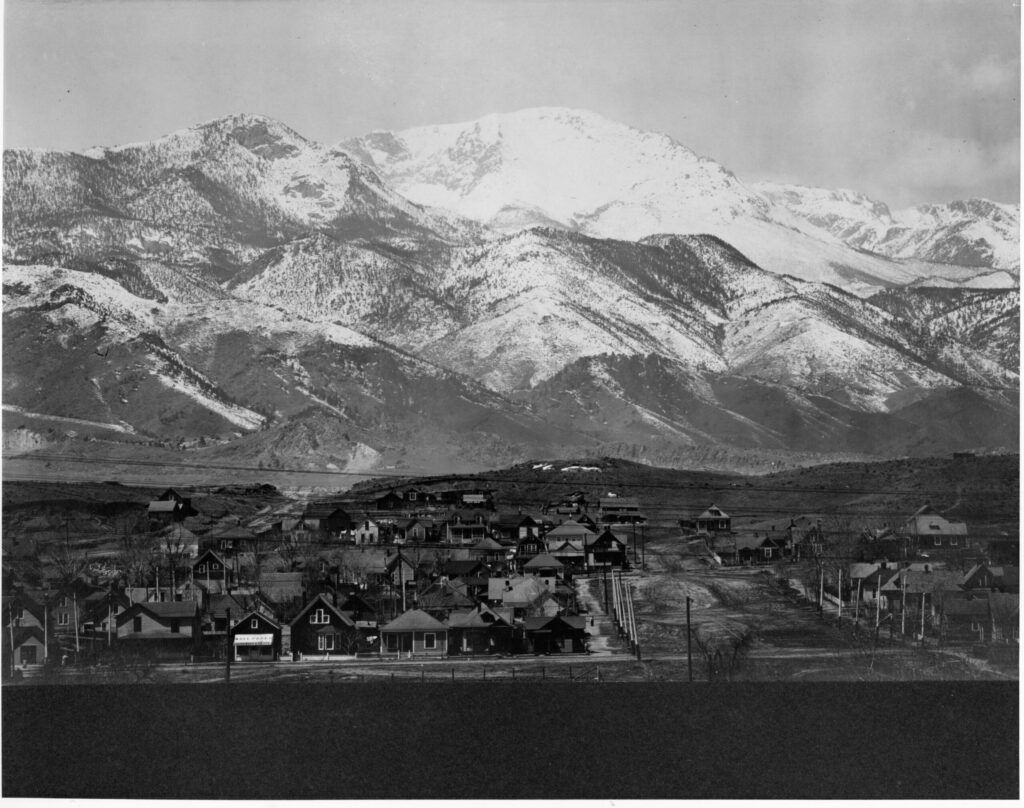
Colorado Springs is always working to catch the next big economic wave. “We’re always trying to figure out what the next thing is going to be,” explained Matt Mayberry, director of the Colorado Springs Pioneers Museum. In the early days,...

Colorado Politics Calendar July 27-Aug. 2
Rachael Wright, Special to Colorado Politics
rachael.wright@coloradopolitics.com
Updated 5 days ago
CoPo’s weekly political calendar will help you find political and public-policy events throughout Colorado. It includes candidate and issue campaign events, public policy meetings, court hearings, state and local party conventions, assemblies, debates, rallies, parades, speaking engagements, traveling dignitary appearances,...

The through line from Donald Trump to Victor Marx | SONDERMANN
By Eric Sondermann
by-eric-sondermann@coloradopolitics.com
Updated 5 days ago
Over 10 years ago, before Donald Trump could ever defeat Hillary Rodham Clinton, he had to first engineer a hostile takeover of the Republican Party. Prior to his descent of that golden escalator, the previous seven Republican presidential nominees had...

Colorado districts prepare for school year amid mental health cuts. But will less cellphone distractions help?
Marissa Ventrelli
marissa.ventrelli@coloradopolitics.com
Updated 3 days ago
The signs of a new school year are everywhere — buses in the shop, teachers unpacking boxes, families ticking through supply lists — but behind the familiar rituals, Colorado districts are preparing for a year defined less by routine than...
PREV
PREVIOUS

Erik Underwood sees issues in the Colorado governor's race beyond left and right
Erik UnderwoodParty: moderate DemocratAge: 38Occupation: digital technology entrepreneurFamily: SinglePolitical experience: Ran for U.S. Senate in 2016 as a Republican This is a weekly feature to profile the candidates for governor as people, before we dig deeper into their politics as the race heats up. Erik Underwood is a candidate for governor who has seen […]

Gov. John Hickenlooper orders flags lowered across Colorado to honor slain Douglas County deputy
Gov. John Hickenlooper on Sunday afternoon ordered flags lowered to half-staff immediately on all public buildings statewide until sunset Tuesday in honor of Douglas County Sheriff’s Deputy Zackari Parrish, who died in the line of duty responding to a domestic disturbance at an apartment complex in Highlands Ranch. Flags should be lowered from sunrise to sunset, the […]