

New Colorado program forgives student debt for rural veterinarians
A bill passed last session could help fill an important gap in Colorado’s sprawling rural regions, attracting large animal veterinarians to the state’s cattle country, The Fence Post newspaper noted last week.
House Bill 1282 allows veterinarians who currently live in Colorado to qualify for up to $70,000 in student loan forgiveness if they’re willing to practice four years in rural region determined to have a shortage of veterinarians by a newly created council.
The bill was sponsored by Rep. Joann Ginal, D-Fort Collins, and Sen. Jerry Sonnenberg, R-Sterling.
The state in annual increments will transfer $140,000 into the program, which then relies on gifts, grants and donations to help up to four rural veterinarians a year. The state program is modeled after a federal counterpart that provides up to $25,000 for large-animal vets willing to work in underserved areas for up to three years.
The bill was drafted by the Colorado Department of Agriculture, the Colorado Cattlemen’s Association and the Colorado Veterinary Medical Association, The Fence Post reported.
“It’s a multifaceted problem and it takes a dedicated effort from the veterinary college, the community that has the need and from the veterinary profession,” Ashley Stokes, the assistant vice president for engagement and the deputy director of the Colorado State Extension, told reporter Rachel Spencer.
“The bill is one piece of that to help alleviate financial pressure on recent graduates so that if they want to pursue a practice in a rural area, they are able to do that and get more established.”
Sonnenberg, a rancher himself, said the bill is aimed at luring veterinarians away from better-paying opportunities out to the country, where they’re needed.
“With the demand for small animal clinics in urban areas where this same veterinarian can work a normal schedule and demand more money to pay the high cost of their education, we find that students coming out of college have less of a desire to fill those rural, large animal practices,” he told The Fence Post.


Colorado Supreme Court signals intervention in dispute over treatment for trans children
Michael Karlik
michael.karlik@coloradopolitics.com
Updated 12 hours ago
The Colorado Supreme Court ordered Children’s Hospital Colorado on Tuesday to explain why it should not direct the organization to resume providing certain types of services to transgender children in compliance with the state’s non-discrimination law. Last month, a Denver...
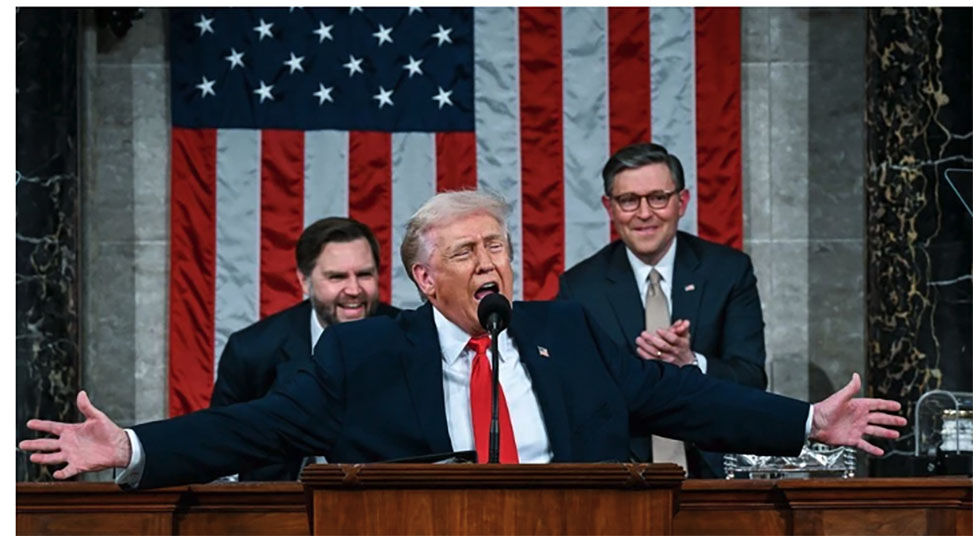
Trump faces first domestic test on Iran conflict with Senate war powers vote
Ramsey Touchberry, Washington Examiner
ramsey.touchberry.washington.examiner@gazetteedit.wpenginepowered.com
Updated 13 hours ago
Administration officials are scrambling to sell members of Congress on President Donald Trump’s military operations in Iran ahead of bipartisan attempts to limit his war powers in the Middle East without approval from lawmakers. The Senate and House are set...
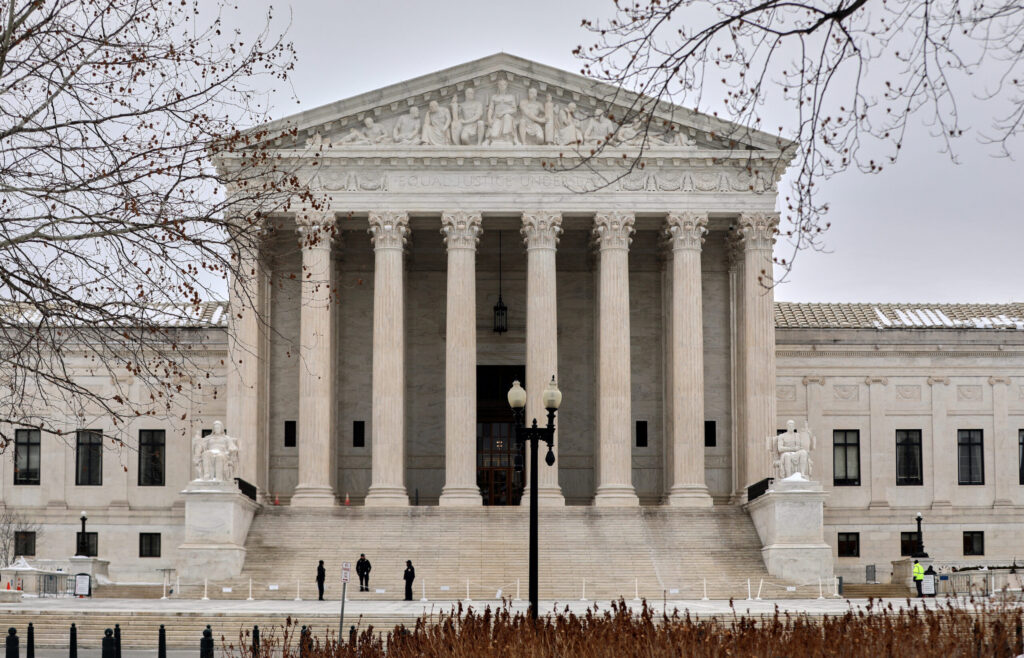
Supreme Court hands California parents win over secret gender transition policy
Jack Birle, Washington Examiner
jack.birle.washington.examiner@gazetteedit.wpenginepowered.com
Updated 14 hours ago
The Supreme Court gave California parents a significant victory late Monday when it kept in place a lower court’s block of the Golden State’s public school policy hiding students’ gender identity and preferred pronouns from parents. A 6-3 majority on...

Judge nixes latest policy requiring 7 days’ notice for Congress members to visit ICE facilities
Michael Kunzelman
michael.kunzelman@associatedpress.com
Updated 14 hours ago
WASHINGTON (AP) — A federal judge agreed on Monday to temporarily suspend the latest version of a Trump administration policy that requires members of Congress to provide a week’s notice before they can visit immigration detention facilities. U.S. District Judge...
Judge nixes latest policy requiring 7 days’ notice for Congress members to visit ICE facilities
Michael Kunzelman
michael.kunzelman@associatedpress.com
Updated 11 hours ago
WASHINGTON • A federal judge agreed on Monday to temporarily suspend the latest version of a Trump administration policy that requires members of Congress to provide a week’s notice before they can visit immigration detention facilities. U.S. District Judge Jia...

Gov. Polis, Upper Basin states criticize federal draft plan for managing the Colorado River
Marianne Goodland
marianne.goodland@coloradopolitics.com
Updated 14 hours ago
With no agreement among the seven Colorado River states and federal deadlines now passed, the Upper Colorado River Commission on Monday sharply criticized the U.S. Department of the Interior’s draft plan for managing the river after current guidelines expire this...

Ballot access, dual-office ban bills move swiftly through Colorado legislature
Marianne Goodland
marianne.goodland@coloradopolitics.com
Updated 15 hours ago
With an eye on the 2026 election cycle and mounting tensions with the Trump administration, Colorado lawmakers are fast-tracking a pair of election bills they say will protect the state’s mail ballot system and tighten rules for elected officials. The...
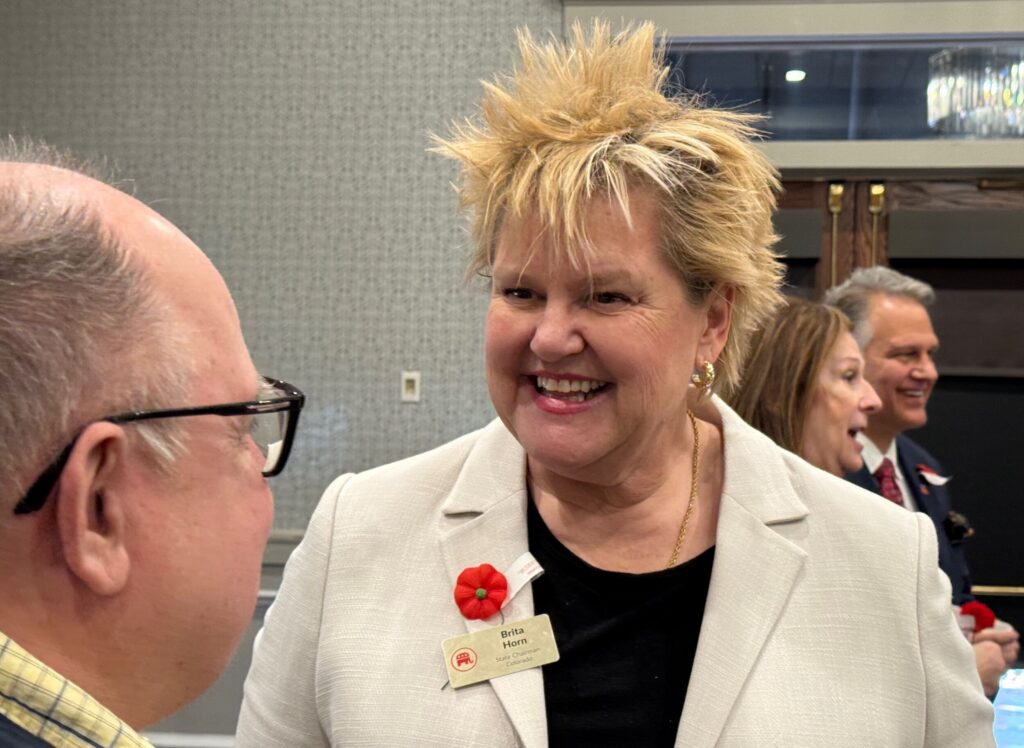
Colorado GOP chair Brita Horn loses ‘no-confidence’ vote, vows to refocus on ‘mending that divide’
Ernest Luning
ernest.luning@coloradopolitics.com
Updated 10 hours ago
The Colorado Republican Party’s state central committee approved a resolution expressing “no confidence” in state chair Brita Horn in a landslide late Monday night near the end of an online meeting marked by rancor and confusion. Almost 80% of the...

Trump to attend White House Correspondents’ Dinner for first time as president
Washington Examiner Staff, Washington Examiner
washington.examiner.staff.washington.examiner@gazetteedit.wpenginepowered.com
Updated 18 hours ago
President Donald Trump announced on Monday that he accepted an invitation to this year’s White House Correspondents’ Dinner. It would mark the first time Trump has attended the dinner, in either term, since he’s been president. Trump announced the decision...
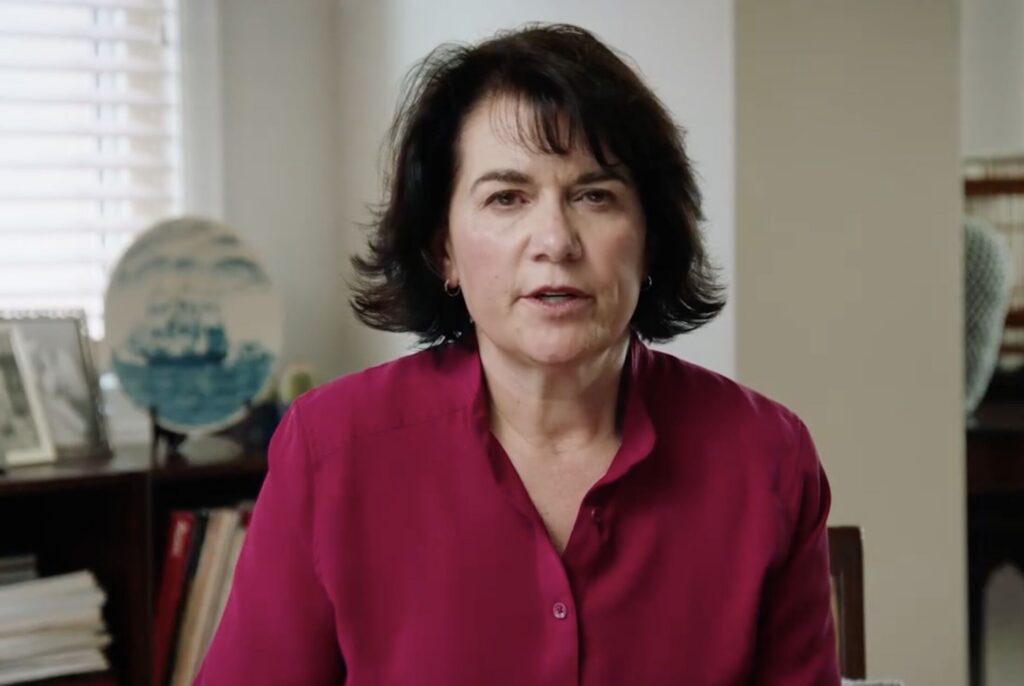
Primary rival sues to prevent Democrat Eileen Laubacher from going through assembly in Colorado’s 4th CD
Ernest Luning
ernest.luning@coloradopolitics.com
Updated 20 hours ago
Democratic congressional candidate Trish Calvarese on Monday asked a judge to prevent one of her primary rivals, Eileen Laubacher, from participating in the caucus and assembly process to seek the nomination to challenge Republican U.S. Rep. Lauren Boebert in Colorado’s...
PREV
PREVIOUS

A minimum salary for Colorado teachers? State officials may ask lawmakers to consider it.
As part of a broad plan to increase the volume of high-quality teachers in Colorado, state officials are considering asking lawmakers to take the bold step of establishing a minimum teacher salary requirement tied to the cost of living. Officials from the state departments of education and higher education are finalizing a list of recommendations […]

Colorado Shines awards more preschools its top ranking for quality care
Colorado Shines, the Department of Human Services program that rates child care and preschool programs, has added 54 programs to its highest ranking. The Office of Early Childhood’s list has grown its list of rated programs to 848, showing parents and guardians which ones meet and exceed state licensing requirements. DHS ranks programs on levels […]