

It’s all about Douglas Bruce — this time, in a way that actually enlightens
It’s not that much of a stretch to say the history of Colorado fiscal policy over the past quarter-century is synonymous with the biography of Douglas Bruce. That’s by and large because of the one groundbreaking policy Bruce authored and relentlessly championed into law in 1992, the voter-approved Taxpayer’s Bill of Rights in the state constitution.
For all of the legendary Colorado Springs tax reformer’s exploits since then – from his repeated attempts to enact other laws through the ballot box, to his time in elective office, to his stints behind bars for tax evasion – it is that one milestone that has seemingly tied the state’s fiscal fate to Bruce’s persona.
Hence, Colorado Public Radio’s three-part series this month chronicling Bruce’s role in Colorado politics and policy, “THE TAXMAN: How Douglas Bruce And The Taxpayer’s Bill Of Rights Conquered Colorado.” To say the podcast/text rendering is both ambitious and compelling is to say the least; it arguably amounts to a new must-listen/must-read for any student of Colorado public policy. That includes not only aspiring officeholders but also many of those already elected to office who are still in need of a tutorial.
It’s such a significant undertaking by CPR – including the feat of nailing an extensive studio interview with the alternately media-craving, media-baiting and media-hating Bruce – that Westword’s Chris Walker took note of the epic effort this week in a story about the story. Walker interviews Bruce’s interviewers, CPR’s Rachel Estabrook, Nathaniel Minor and Ben Markus:
Westword: TABOR seems like such a difficult and technical subject for a podcast. What was your motivation to start this project, and why did you think it would work?
Rachel Estabrook: I got interested because I produce a lot of the interviews that we do with Governor Hickenlooper, and TABOR comes up all the time. I didn’t feel like a lot of people – even some people in the CPR newsroom – really understood what it was about. It felt right for a sort of explanatory piece, but then I started learning more about Douglas Bruce. He’s such a fascinating character with so many twists and turns and complex motivations.
Twists and turns and complex motivations; yup. Walker even delves into the extent to which Bruce himself may view his own identity as being intertwined with Colorado policy; some of his critics would might put it more bluntly – that he has no other life:
… did he understand that your project was as much about him as it was about TABOR? Did he get defensive when you asked him about his personal life, or did he understand why that was something you’d be interested in?
Minor: We talked about policy a lot. And he would say, “Oh, I really don’t want to talk about more private parts of my life.” But then he would go on and tell us about private parts of his life.
Walker’s profile of the piece is enlightening in its own right. The CPR series, even more so. Both truly worth your time.

Local party leaders, incoming judge among members of judicial performance commission that violated law
Michael Karlik
michael.karlik@coloradopolitics.com
Updated 2 minutes ago
A local Democratic leader and 2024 presidential elector. A legislative aide and leader in the Young Republicans. An incoming county court judge freshly appointed by the governor. They are among the eight members of the northeastern Colorado judicial performance commission...
Judge dismisses lawsuit seeking records from Colorado Opportunity Caucus
Marianne Goodland
marianne.goodland@coloradopolitics.com
Updated 3 hours ago
A lawsuit seeking to obtain records from Democratic lawmakers affiliated with the Colorado Opportunity Caucus has been thrown out by a Denver District Court judge. On July 17, Judge Ericka Englert dismissed the April lawsuit filed by progressive activist Derrick...
US job market stalled in July as employers cut 23,000 jobs, delivering political setback to Trump
The Associated Press
the-associated-press@coloradopolitics.com
Updated 6 hours ago
WASHINGTON (AP) — The U.S. job market stalled unexpectedly last month, delivering a political blow to President Donald Trump three months ahead of midterm elections and complicating decision-making for the inflation fighters at the Federal Reserve. Employers cut 23,000 jobs...
Colorado must continue finding common ground on wildfire policy | GUEST COLUMN
Colorado Politics
colorado-politics@coloradopolitics.com
Updated 23 hours ago
By John Herrick Colorado has never lacked for opinions about wildfire policy. We debate forest management, climate change, prescribed burns, land use, air quality and budgets. Those debates are familiar territory, but a new discussion is beginning to happen around...

Proposition NN is the best investment for Colorado’s students and schools | GUEST COLUMN
Colorado Politics
colorado-politics@coloradopolitics.com
Updated 23 hours ago
By Justin Ogden Colorado families know what it means to make difficult budget decisions. Inflation has driven up the cost of groceries, housing, utilities and just about everything else. Families like mine work hard to stretch every dollar while still...
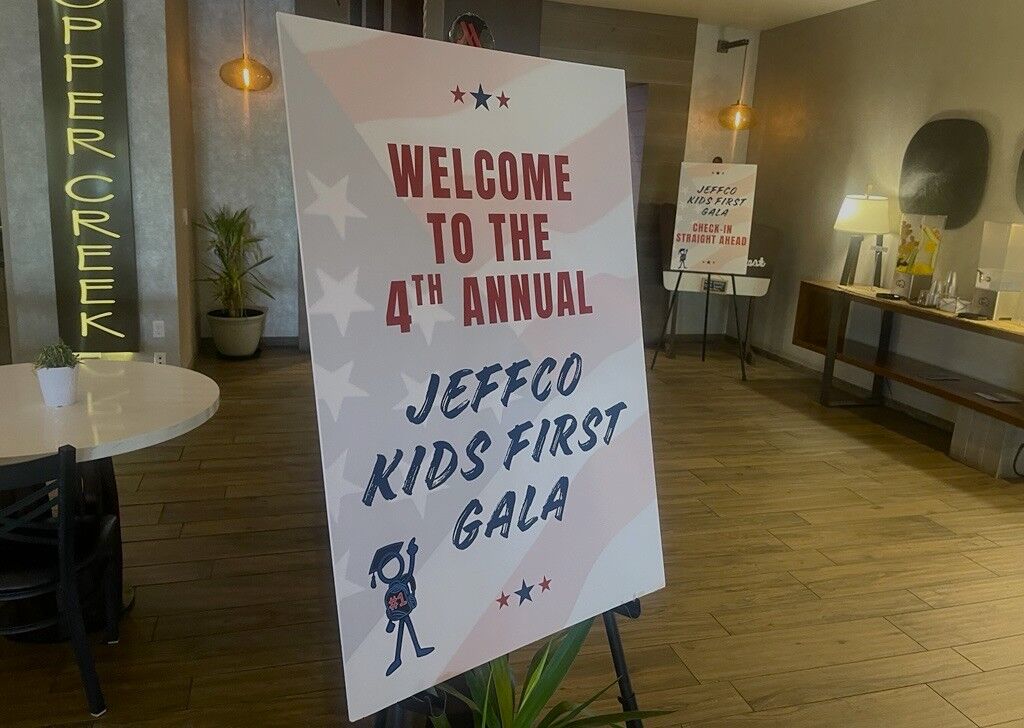
DOJ official decries ‘nonsense’ in Jeffco schools at fundraising gala
Matt Kyle
matt.kyle@denvergazette.com
Updated 3 hours ago
Amid a legal battle between Jeffco Public Schools and the federal government, a Department of Justice official spoke at a fundraising gala and decried “crazy stuff” and “nonsense” in the school district. The gala was for Jeffco Kids First, an...
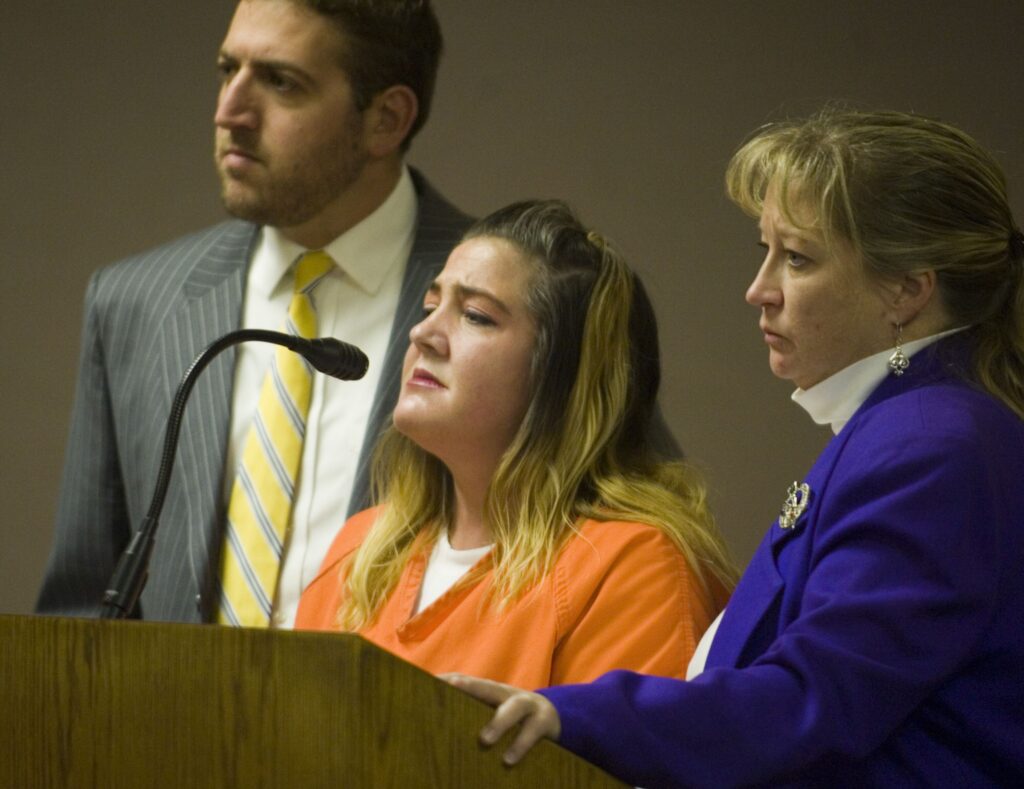
Colorado Springs mother Deborah Nicholls’ murder conviction overturned
Nick Smith
nick-smith@coloradopolitics.com
Updated 19 hours ago
A Colorado Springs mother convicted in 2008 of murdering her three children in a house fire might get a new trial after a judge ruled that prosecutors withheld key evidence that could have impacted the jury’s verdict. Deborah Nicholls, whose...

Aurora Community College student journalist accuses college of ‘unconstitutional gag order’
Kyla Pearce
kyla.pearce@gazette.com
Updated 6 hours ago
An Aurora Community College student is accusing the college of putting an “unconstitutional gag order” on his student-run publication, saying the college banned it from publishing until students jumped through “countless bureaucratic hoops.” A college spokesperson said the college is...

Polis administration relaunches Colorado e-bike rebates with $3 million
Scott Weiser
scott.weiser@gazette.com
Updated 5 minutes ago
Gov. Jared Polis and the Colorado Energy Office announced Thursday the return of the state’s popular e-bike rebate program, with registration set to open later this month. The office plans to provide point-of-sale rebates totaling $3 million from the Community...
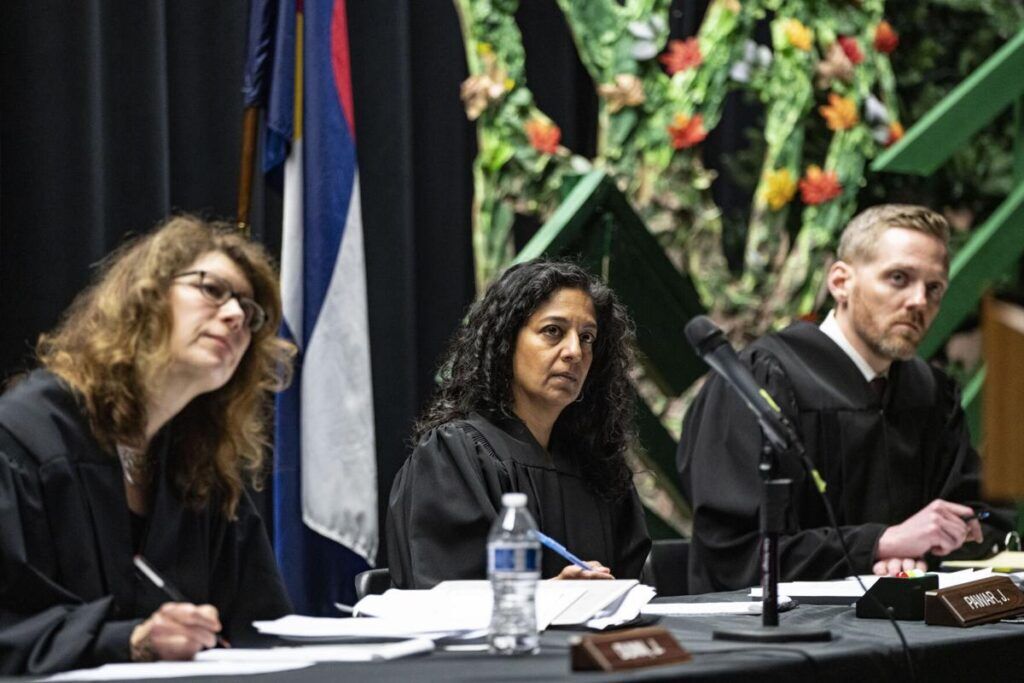
Colorado court overturns illegal $7,000 restitution order
Michael Karlik
michael.karlik@coloradopolitics.com
Updated 20 hours ago
Colorado’s second-highest court overturned a Weld County defendant’s obligation to pay more than $7,000 in crime victim restitution on Thursday because a trial judge failed to issue a legally compliant restitution order at the time of sentencing. In Colorado, as...