

Q&A w/Laura Chapin: She’s all Democratic blue — but bleeds burnt orange for her Longhorns
If you’re involved in Colorado politics and lean left, there’s a good chance you know Laura Chapin. If you lean right, there’s an even better chance you’ve felt her sting. Ask anyone who’s jousted with her on Twitter, where the Denver-based progressive Democratic strategist and opinion blogger for U.S. News has been known to scorch earth on issues ranging from abortion rights to Donald Trump. Of course, she was battle-ready long before she moved to Colorado in 2005, owing to her years in Washington, D.C. She served as a press secretary for then-U.S. Sens. Barbara Mikulski, D-Maryland, and Barbara Boxer, D-California, and as a staffer for President Bill Clinton’s 1996 re-election campaign. She has worked for the Colorado House Democrats, for Democratic former Colorado Gov. Bill Ritter, and on numerous statewide ballot and advocacy campaigns. And when she’s not politicking – because even political animals need time off – the University of Texas-Austin journalism grad bleeds burnt orange, she says, for her beloved Longhorns.
Colorado Politics: A lot of your work involves advocacy for reproductive rights. Do you believe those rights are under siege here in Colorado? In what ways?
Laura Chapin: I think repro rights are under siege nationally, and Colorado stands out as one of the few places where women can still get the care they need without some of the horrific laws – laws that force doctors to lie to their patients and perform medically-unnecessary procedures – that we’ve seen in other states. Colorado has a long history of recognizing and respecting the individual right to privacy, and it’s part of our Western libertarian makeup. We were the first state to allow safe, legal abortion 50 years ago, and that was a bipartisan bill signed by a Republican governor.
But even in a pro-choice city – Denver – in a pro-choice state – Colorado – the Planned Parenthood clinic is a fortress with walls, security cameras, and guards. Providers have to take precautions not to be on social media and to always be on guard, leaving their home and changing their route to work. I know of one employee who had red paint thrown on her front porch – and she doesn’t work on the medical side.
The atmosphere is still that it’s okay to direct anger and violence at women seeking abortion care and the physicians and medical staff that provide it. Domestic terrorism has been directed at clinics and women’s health providers for years. We saw that manifested in Colorado Springs. You shouldn’t need an armed guard at the door to seek health care. But that’s the reality for too many women, even here.
I look at Colorado through the lens of having grown up and gone to college in Texas during the Ann Richards era. We thought reproductive rights were safe then. They weren’t. They never are.
CP: Is your work in that regard more about defending rights already recognized by law, or do you see a need for additional lawmaking – regarding abortion, contraception or women’s access to health care – to shore up those rights?
LC: We’re fortunate here to have state lawmakers and leadership that makes no bones about the fact that, in the words of former Speaker Hullinghorst, “Attacks on women’s health will not be tolerated.” Speaker Duran has followed in her footsteps in making sure anti-choice legislation goes nowhere. Senator Guzman has been terrific in the Senate.
That said, we need to get rid of Amendment 3, which bans public funding for abortion care. Like the national Hyde Amendment, this needlessly penalizes low-income women and women of color. That may not happen immediately, but it needs to happen eventually.
And the “I don’t want to pay for X” argument doesn’t hold water. In a pluralistic society, we all pay for things we don’t like or don’t approve of. There are legislators whose salaries I resent paying, and laws and policies I find objectionable, but my taxes go there anyway.
We need to pro-actively protect the constitutional rights enshrined in Roe at the state level here in Colorado and put them in state statute. With Gorsuch on the Court, Roe is in danger as never before. One retirement, another Trump appointee, and it’s “Katie bar the door.”
And we need to expand Colorado’s program providing free long-acting reversible contraception to low-income women. Not only does it save $6 in public spending for every $1 invested, the societal benefits of preventing unintended pregnancy are profound and long-lasting. For example, 60 percent of women in community college who have an unintended pregnancy drop out.
CP: You have been involved in Democratic Party politics a long time and have worked closely with past and present elected Democrats. What’s the greatest challenge facing your party today?
Gerrymandering and voter-suppression laws. Democrats get more votes and yet are the minority in Congress. There’s a case at the Supreme Court about Wisconsin’s gerrymandering, and Texas’s districts that were designed to disenfranchise minority voters have been repeatedly thrown out. The Kobach-Trump commission has already caused thousands of Colorado voters, mostly Democrats, to unregister – as was intended.
Trump lost the popular vote – and he was elected as much by the 46 percent of the electorate that didn’t vote as those that did. As FiveThirtyEight has pointed out, it was Democratic-leaning non-voters who probably cost Clinton the election. So, the challenge for Democrats is motivating voters who are inclined to vote with us to actually get to the polls.
And we need to rebuild at the state, local and municipal level, which I’m glad to see President Obama engaged in. Colorado has held our own, but Democrats need to massively re-engage state legislatures and groups like Emerge that train Democratic women to run for local and state office.
CP: Although Hillary Clinton’s upset loss last November came as a blow to many Democrats, could the Trump presidency ultimately turn out to be more boon than bane for your party?
LC: See voter suppression answer above. However, we’ve seen a whole bunch of state legislative seats flip from Trump red to blue in special elections, including three in Oklahoma. That bodes well for the energy at the grassroots level.
There’s no doubt Trump has lit a fire under a whole lot of people who weren’t engaged before. The threat is real now, not abstract. The Women’s March was huge, especially in Colorado. There were marches not just in Denver but in Durango and Gunnison and Fort Collins. The Colorado Indivisible groups are doing an amazing job at online organizing and holding events. But we have to sustain it, and it’s being driven largely by women, who in many cases are still the primary caregivers for their families and doing this on their own time.
I do think the failure of Obamacare repeal can be credited to the grassroots blowback and to the incredible activists in National ADAPT who were absolutely relentless about the threat to disability rights. Cory Gardner basically had to move his office because they wouldn’t let up.
I would also like Robert Mueller to move faster.
CP: Is Colorado turning blue, stuck on purple or, from your perspective, in danger of turning back into the red?
LC: I think we are blue-ish. Democrats win more than they lose here, and we have a really deep bench with a lot of young talent. But we also have a lot of swing districts – I live in Jefferson County – so we have to run good candidates and never take anything for granted. Unaffiliateds are still number one in registration.
And I haven’t seen any numbers, but I would guess that most of our recent growing population reflects the Rising American Electorate, which is inclined to vote Democratic.
CP: Can you name an elected Republican currently in office, in Colorado or elsewhere, whom you admire at least in some ways?
LC: Sen. Don Coram (R-Montrose) was terrific on advocating for the LARC program; the dude wore an IUD pin on his lapel, for crying out loud.
And, of course, Sen. John McCain will always be a hero, along with Sens. (Lisa) Murkowski and (Susan) Collins, for standing firm on health care and what was best for their states. Sen. Murkowski was politically left for dead after losing a primary and then won as a write-in candidate. Much respect for that. Sen. McCain’s mentor was Mo Udall; there are lovely, guaranteed-to-make-you-cry accounts of how Sen McCain would go keep company and read to his friend as Sen. Udall lay dying of Parkinson’s in a veterans hospital.
Historically, I was a big fan of Alaska Sen. Ted Stevens when I worked for Sen. Mikulski. He was the Chair of the Appropriations Committee, she was ranking, and both the senators and our staffs worked well together. Plus he was the “father of Title IX” and a lifelong advocate for women in sports. We wouldn’t have the U.S. Women’s National Soccer Team without Republican Sen. Ted Stevens.
CP: Even you can’t live politics wall-to-wall, 24/7. What entertains you – for sheer, escapist fun?
LC: Like most Coloradans, I get outside and hike. I get a National Parks Pass every year, which is good for all the wilderness areas so I’ll just head out for the day whenever I can.
I’m an archaeology and history nerd. I have a subscription to Archaeology Magazine. My mom lives in Montrose/Ouray, and she’s become quite the expert on Colorado archeology and rock art. I’ve made several trips to SW Colorado and Utah and geeked out on rock art and ancestral Puebloan settlements with her (there’s some gorgeous, 4,000-year-old Barrier Canyon art near Moab if anyone wants the location).
I adore music, primarily blues, jazz, funk, folk and outlaw country. I grew up in Nashville and went to college in Austin, so I’ve seen many, many concerts (including Stevie Ray while he was alive). When I lived in D.C., I went to Wolftrap several times a summer, and now I do that with Red Rocks, along with the occasional Telluride Blues & Brews, Telluride Bluegrass, and Rocky Mountain Folks Festival. My current favorites are Gary Clark Jr, Jason Isbell, Amos Lee, and Trombone Shorty. And the Lumineers put on a kickass show at Fiddler’s Green this summer.
I love to travel, and I’m trying to figure out where I’m going next. Last year I went to Croatia, Slovenia and Montenegro. Not a fan of Melania Trump, but her home country is lovely. My most memorable trip was three weeks in Tanzania in 2013 with the Denver based Africa School Assistance Project (ASAP), which builds schools in rural East Africa. They started an initiative, the Kupanda Project, to support rural secondary school education for girls in Tanzania, and their graduation rates are outstanding. So, shameless plug for ASAP if you want to support international education for girls and a local charity that has proven results.


Colorado School of Mines lands major share in Trump’s $100M mining-education plan
Thelma Grimes
thelma.grimes@coloradopolitics.com
Updated 26 minutes ago
President Donald Trump on Friday named the Colorado School of Mines among roughly a dozen institutions that will share in a $100 million commitment “to train the next generation of American miners.” Paul Johnson, the university’s president, said he is...

Local party leaders, incoming judge among members of judicial performance commission that violated law
Michael Karlik
michael.karlik@coloradopolitics.com
Updated 1 hour ago
A local Democratic leader and 2024 presidential elector. A legislative aide and leader in the Young Republicans. An incoming county court judge freshly appointed by the governor. They are among the eight members of the northeastern Colorado judicial performance commission...

Judge dismisses lawsuit seeking records from Colorado Democratic group
Marianne Goodland
marianne.goodland@coloradopolitics.com
Updated 26 seconds ago
A lawsuit seeking to obtain records from Democratic lawmakers affiliated with a caucus has been thrown out by a Denver District Court judge. On July 17, Judge Ericka Englert dismissed the April lawsuit filed by progressive activist Derrick Blanton, who...
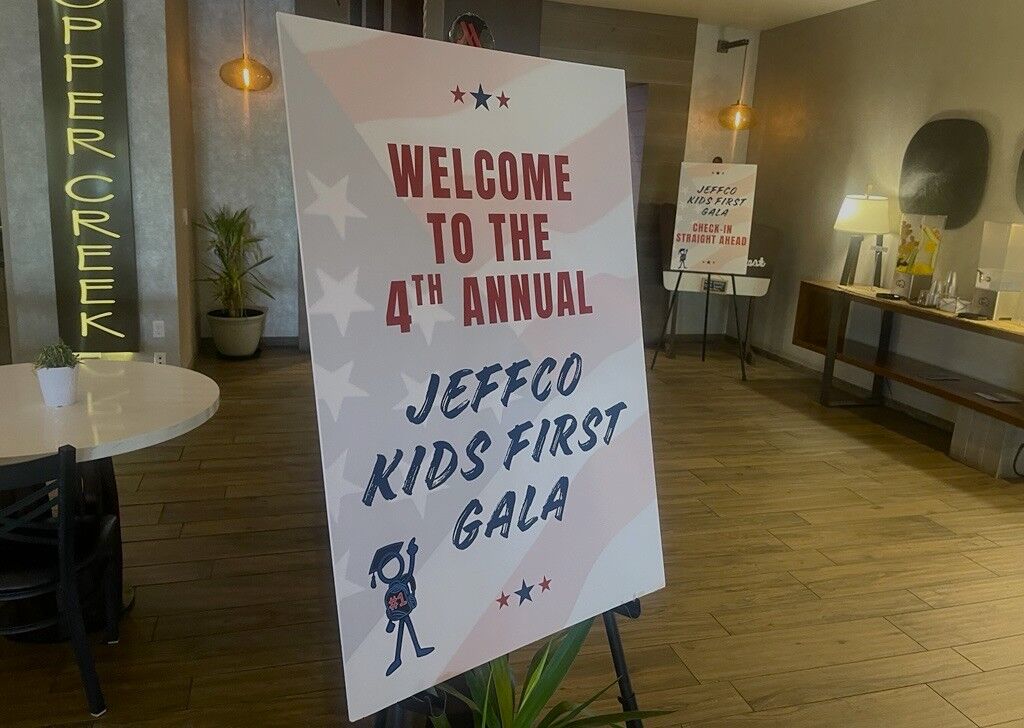
DOJ official decries ‘nonsense’ in Jeffco schools at fundraising gala
Matt Kyle
matt.kyle@denvergazette.com
Updated 4 hours ago
Amid a legal battle between Jeffco Public Schools and the federal government, a Department of Justice official spoke at a fundraising gala and decried “crazy stuff” and “nonsense” in the school district. The gala was for Jeffco Kids First, an...
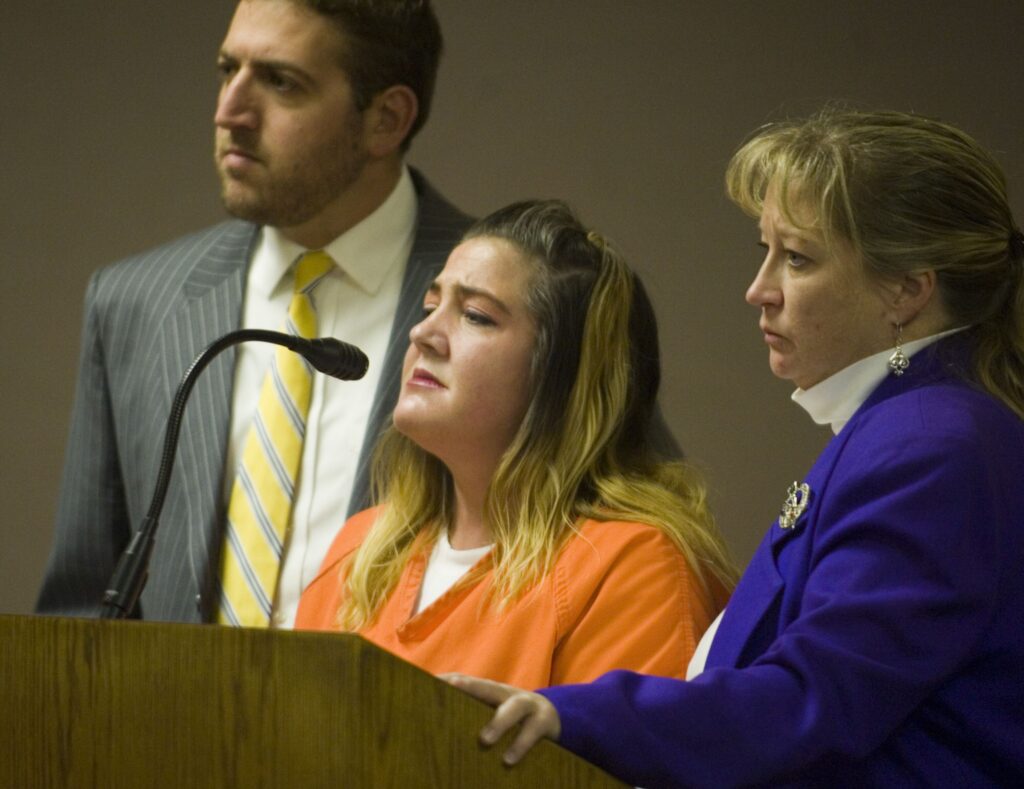
Colorado Springs mother Deborah Nicholls’ murder conviction overturned
Nick Smith
nick-smith@coloradopolitics.com
Updated 21 hours ago
A Colorado Springs mother convicted in 2008 of murdering her three children in a house fire might get a new trial after a judge ruled that prosecutors withheld key evidence that could have impacted the jury’s verdict. Deborah Nicholls, whose...

Aurora Community College student journalist accuses college of ‘unconstitutional gag order’
Kyla Pearce
kyla.pearce@gazette.com
Updated 7 hours ago
An Aurora Community College student is accusing the college of putting an “unconstitutional gag order” on his student-run publication, saying the college banned it from publishing until students jumped through “countless bureaucratic hoops.” A college spokesperson said the college is...

Polis administration relaunches Colorado e-bike rebates with $3 million
Scott Weiser
scott.weiser@gazette.com
Updated 1 hour ago
Gov. Jared Polis and the Colorado Energy Office announced Thursday the return of the state’s popular e-bike rebate program, with registration set to open later this month. The office plans to provide point-of-sale rebates totaling $3 million from the Community...
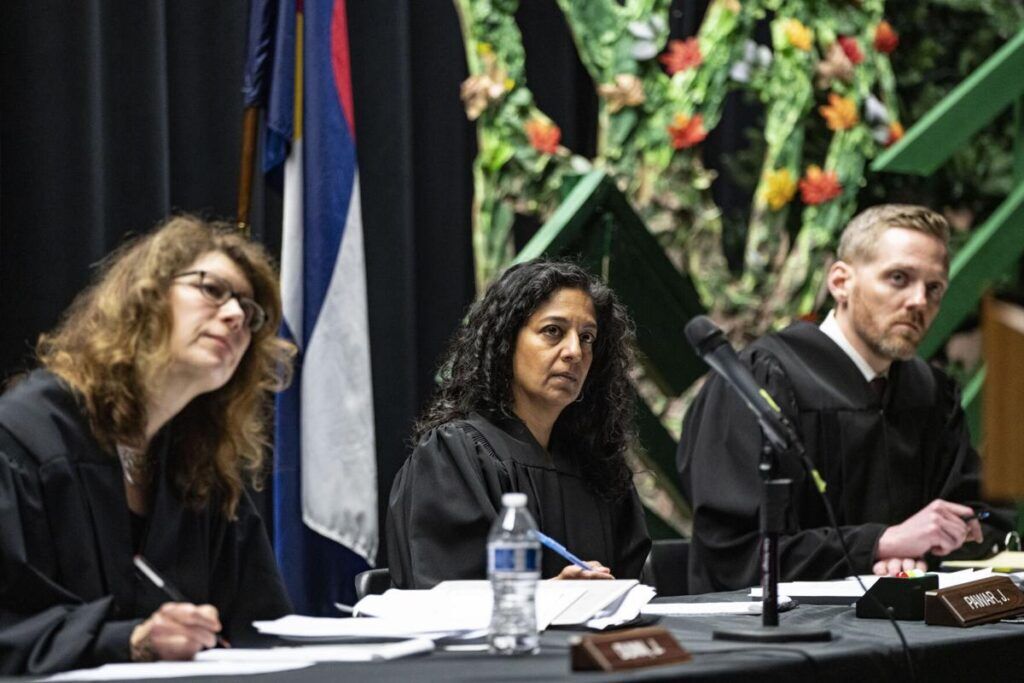
Colorado court overturns illegal $7,000 restitution order
Michael Karlik
michael.karlik@coloradopolitics.com
Updated 21 hours ago
Colorado’s second-highest court overturned a Weld County defendant’s obligation to pay more than $7,000 in crime victim restitution on Thursday because a trial judge failed to issue a legally compliant restitution order at the time of sentencing. In Colorado, as...
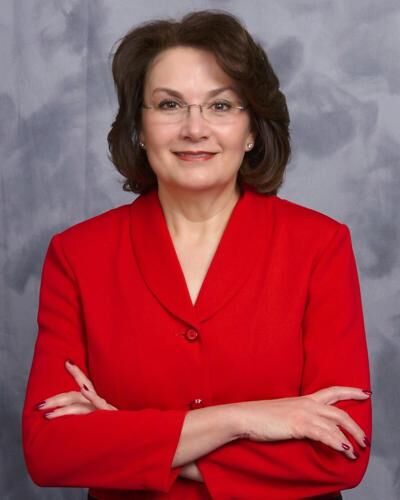
Appeals court rejects former DougCo commissioner’s legal fee claim
Nicholas Fogleman
nicholas.fogleman@denvergazette.com
Updated 7 hours ago
The Colorado Court of Appeals rejected a former Douglas County commissioner’s bid for reimbursement of attorney fees she incurred while responding to multiple investigations into her conduct. The dispute stemmed from a 2019 anonymous letter sent to county officials alleging...
Appeals court orders second look at Denver Water’s immunity for cyclist’s injury
Michael Karlik
michael.karlik@coloradopolitics.com
Updated 21 hours ago
Colorado’s second-highest court ordered another look at a bicyclist’s negligence lawsuit against Denver Water on Thursday, concluding that a trial judge needed to evaluate the utility’s potential immunity using the state Supreme Court’s new guidance. Joseph A. “Joey” Scott alleged...