

The 10 biggest takeaways from the Colorado legislature: Traffic jams, pot, shoddy construction & more
The Colorado legislature adjourned on Wednesday, and the afterglow shines a light on what exactly happened in the 120 days that lawmakers quarreled under the gold dome in Denver.
Counting down the hits, here are the 10 things you should know about what just happened:
10 – Sanctuary cities, right to rest, no more Columbus DayIn a split legislature, strictly partisan bills are doomed to fail. Nonetheless, long hours were put in arguing over arresting public officials for not boosting immigration laws in a sanctuary city. Homeless people still can’t camp in public parks, if cities have an ordinance. Columbus Day in Colorado will continue to be celebrated and reviled.
Read more here, here and here.
9 – Charter schools are getting coolCharter schools are public schools, but they haven’t been treated that way when it comes to tax dollars. This session they made headway. Sen. Owen Hill, R-Colorado Springs, and Rep. Paul Lundeen, R-Monument, pushed the equitable-funding issue to the last day, with results that had charter school champions cheering.
8 – Parks and Wildlife out in the coldThe state’s fee-funded outdoors agency hasn’t raised hunting, fishing and park fees since 2005. The agency already has cut $40 million and 50 staff members, but faces even deeper cuts without raising rates. Lawmakers said no. Bring on the cuts.
7 – Pot’s wild rideTo the last day, marijuana was a focus. Bipartisan efforts to create marijuana social clubs efforts never advanced, the ongoing conversation did. Raising pot taxes was used as an incentive by Democrats to get Republicans on board to reclassify the state’s Hospital Provider Fee, and the legislature OK’d counties to pass pot taxes. Gov, John Hickenlooper advanced the session by saying he wanted more pot taxes to go toward homelessness programs. And as the final hours ticked away, the House debated, in bizarre terms, how many people should be allowed to smoke pot on a porch. Lawmakers couldn’t agree.
Read more here, here and here.
6 – Who was legislating and who was campaigningJust months removed from Election Day, at least dozen of the General Assembly’s 100 members have their eyes on offices higher the legislature. Sometimes good pieces of legislation also look good on a campaign flier, and lobbyists with PACs become the best lobbyists of all.
Read more here, here, here and here.
5 – A moderate shift to the left in the SenateThe Senate president proposing a tax increase to fund roads, while the Senate president pro tem pushed a restructuring of the Hospital Provider Fee, served as the clearest examples of a shift in tone and thinking for Senate Republicans. Two issues that were always considered off the table. Meanwhile, Republicans advanced legislation to strengthen penalties on crimes against gay people, while also supporting a bill to extend coverage to provide a 12-month supply of contraceptives for women.
4 – Oil and gas issues explodedOil-and-gas interests had been on a legislative winning streak and had made a good case as a good and safe neighbor, until a house near a pipeline in Firestone exploded and killed two people on April 17. That caused a last-days struggle between Republicans and Democrats, one that’s likely to continue into next year’s session and elections.
Read more here, here, here and here.
3 – Put up or shut up for construction defects reformAfter four legislative sessions, the first measure of construction defects litigation reform is law. The cost of insurance and lawsuits was said to be why construction of affordable condominiums in the state has withered, but now that lawmakers have delivered, it’s up to builders to respond.
2 – Republicans got on the omnibusFor years, GOP lawmakers fought reclassifying a fee on hospital beds to get it out from under the state’s constitutional spending cap that triggers tax refunds. This session, the biggest bipartisan win was doing just that, as Republicans traded for higher Medicaid copays, a lower spending cap and money for rural schools, roads and hospitals.
And the biggest story of the session …
1 – Road bills sputteredThe highest goal of the session, to address the state’s ailing, clogged transportation system, didn’t go nearly as planned. Two bills that would have put billions into wider interstates and local transit died in the Senate, bogged down over asking taxpayers to pony up.
Read more here, here and here.
Editor’s note: Compiled by Colorado Politics staff Joey Bunch, Peter Marcus and Erin Prater.

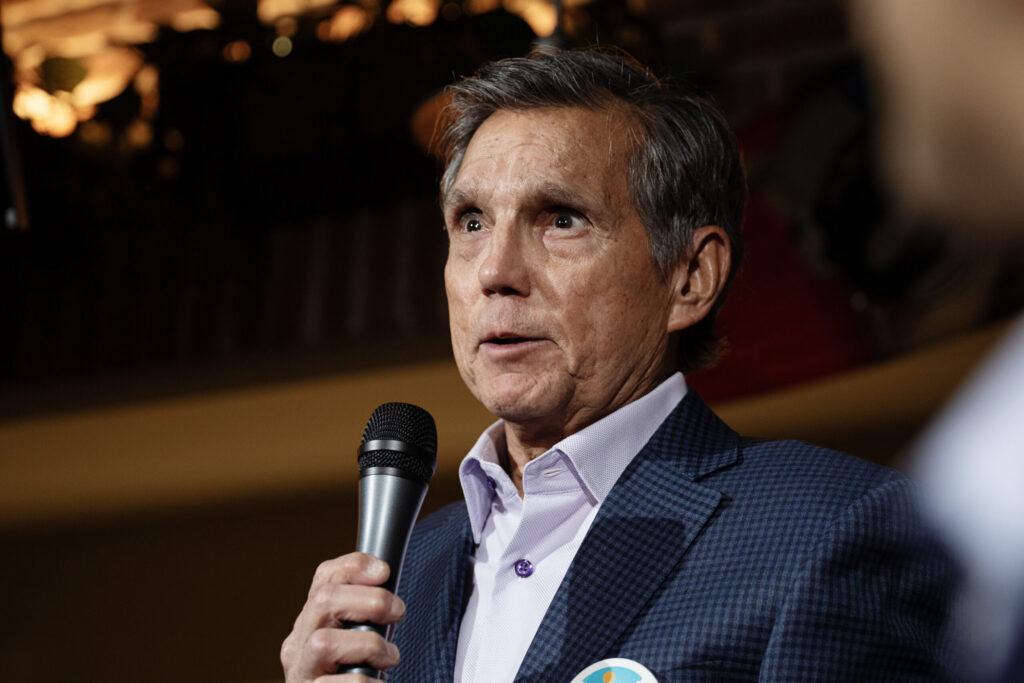
State Rep. Peña outlines significant inequalities in Colorado’s school finance law | A LOOK BACK
Rachael Wright, Special to Colorado Politics
rachael.wright@coloradopolitics.com
Updated 3 days ago
Forty-Five Years Ago This Week: In a guest column published in The Colorado Statesman, House Minority Leader Rep. Federico Peña, D-Denver, wrote that his greatest disappointment with the legislative process was “the inability, or unwillingness, of the General Assembly to...

Colorado Politics Calendar Feb. 16-22
Rachael Wright, Special to Colorado Politics
rachael.wright@coloradopolitics.com
Updated 2 days ago
CoPo’s weekly political calendar will help you find political and public-policy events throughout Colorado. It includes candidate and issue campaign events, public policy meetings, court hearings, state and local party conventions, assemblies, debates, rallies, parades, speaking engagements, traveling dignitary appearances,...

Michael Bennet and ‘the question’ | SONDERMANN
Eric Sondermann
eric-sondermann@coloradopolitics.com
Updated 2 days ago
The train usually runs only one way. The route goes from the state Capitol to Washington, D.C. State legislators become members of Congress; governors become senators. See Hickenlooper, John. Including our junior senator, no matter his years, a total of...
Colorado District Attorneys unveil 2026 legislative priorities | WHAT’S YOUR AGENDA?
Marissa Ventrelli
marissa.ventrelli@coloradopolitics.com
Updated 1 day ago
Welcome to What’s Your Agenda?: The Colorado Politics’ weekly publication of trade association priorities for the state’s 2026 legislative session. The Colorado District Attorneys’ Council provides training, resources, and legislative support to every prosecutor in the state. In order to...
A day in the life of the Capitol: Capitol M | Week of Feb. 14, 2026
Marianne Goodland
marianne.goodland@coloradopolitics.com
Updated 2 days ago
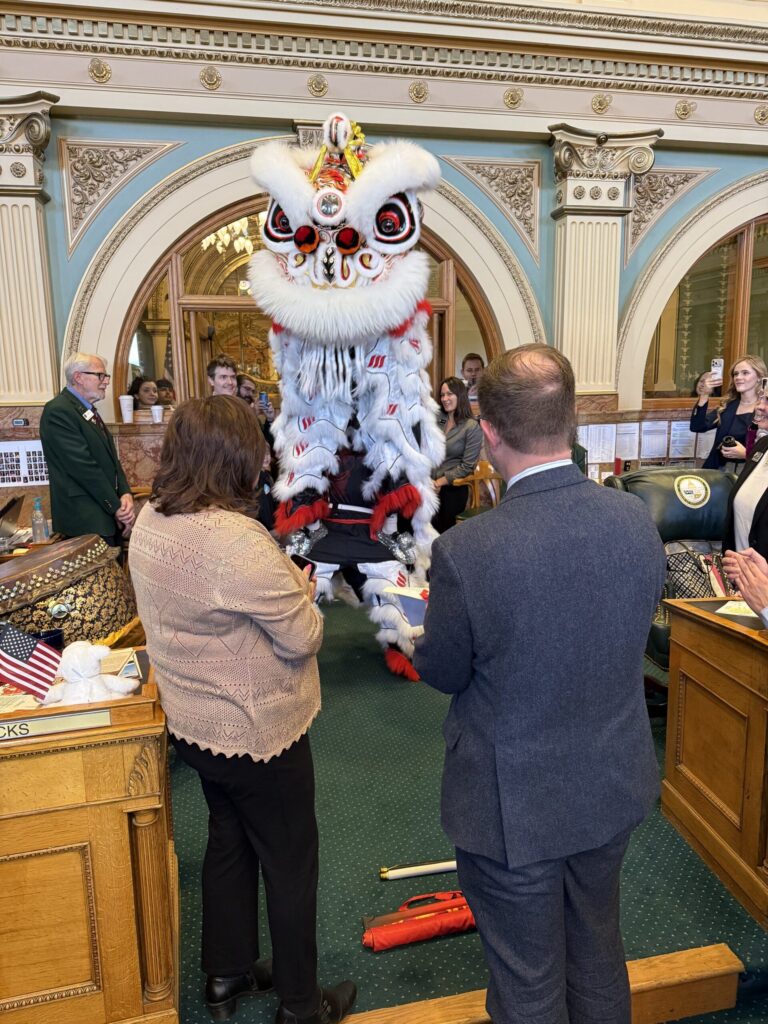
The lighter side of the Capitol, usually. If you were walking around the Capitol on Feb. 12, there was plenty to see and to be amused (or delighted) by. Let’s start with the high school kids from Greeley’s District 6....
Appeals court clarifies what materials judges may rely on for postconviction decisions
Michael Karlik
michael.karlik@coloradopolitics.com
Updated 12 hours ago
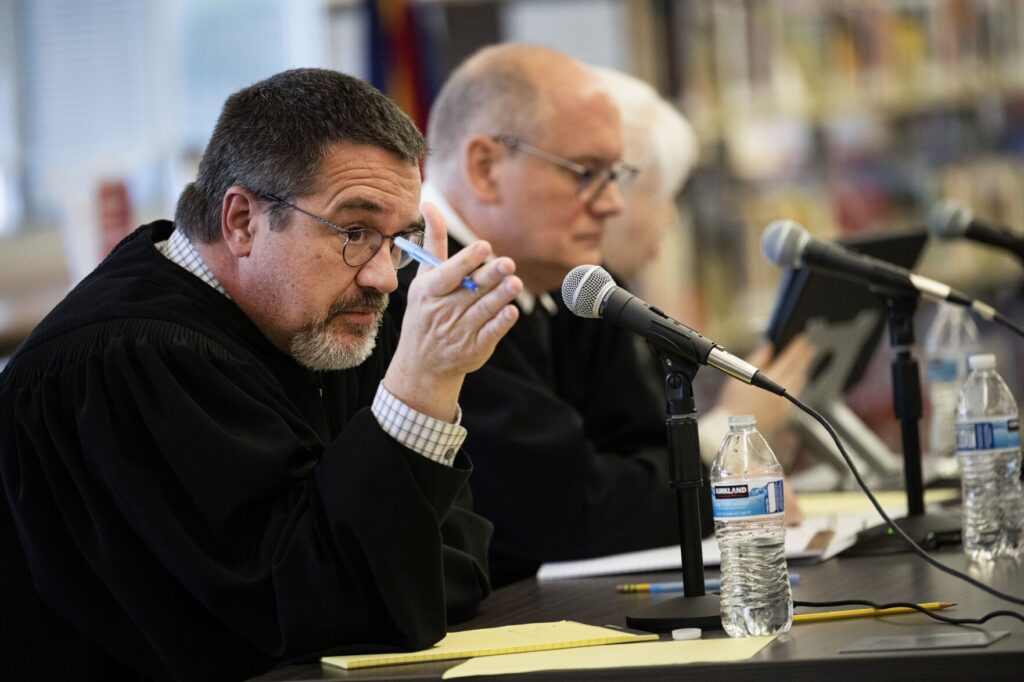
Colorado’s second-highest court clarified on Thursday that trial judges who are deciding whether to grant relief to convicted defendants may rely on the materials attached to, or referenced in, the parties’ arguments. In contrast to direct appeals of criminal convictions,...

Here’s what to know about the Homeland Security shutdown starting this weekend
Deborah Grigsby
deborah.smith@denvergazette.com
Updated 10 hours ago
Another shutdown for parts of the federal government is expected this weekend, following an impasse over funding for the U.S. Department of Homeland Security amid a push by Democrats for changes in immigration enforcement. Funding for the federal agency is set to...
Colorado legislators, friends and family pay tribute to late Sen. Faith Winter
Marianne Goodland
marianne.goodland@coloradopolitics.com
Updated 12 hours ago
Colorado legislators on Friday, joined by current and former lawmakers, memorialized the late Sen. Faith Winter, noting her contributions to public policy in transportation, family and medical leave, and climate legislation. Winter died in an auto accident on Nov. 26...
No deal: Basin states remain deadlocked as Colorado River negotiations collapse again
Marianne Goodland
marianne.goodland@coloradopolitics.com
Updated 8 hours ago
With a Feb. 14 deadline looming, the seven states in the Colorado River Basin have not reached an agreement on how to manage the river after the 2026 operating guidelines expire later this year, and John Entsminger, Nevada’s chief negotiator,...

Push to regulate high concession prices in Colorado could hurt vendors, critics warn
Bernadette Berdychowski
bernadette.berdychowski@denvergazette.com
Updated 8 hours ago
High food and drink prices have long been a staple of going to a sports game, concert, festival or even the airport. But as inflation has increasingly pinched people’s wallets, pushback against excessive concession prices is growing. The issue has...