

Colorado Springs transportation tax concerns difficult to address
Republican Senate President Kevin Grantham said he understands the concerns of Colorado Springs taxpayers on transportation funding, but that a solution is difficult to reach.
Grantham, from Cañon City, responded to concerns raised by Mayor John Suthers, a fellow Republican, who last week told Colorado Politics that he can’t support a tax increase for statewide transportation funding after Colorado Springs voters backed a similar tax increase.
Voters in 2015 widely passed a 0.62 percent sales tax increase, bringing the city’s rate to 3.12 percent. With total sales taxes, the rate is 8.25 percent.
Colorado Springs taxpayers got $50 million per year over five years to fund crumbling local roads by backing the 2015 tax increase.
Meanwhile, the legislature is considering sending a statewide ballot question to voters that would also raise the state sales tax 0.62 percent, which would bring the statewide tax to 3.52 percent. The measure would raise about $695 million per year to fund a list of priority projects across the state.
Suthers, however, said Colorado Springs would be getting a “bad deal” out of the proposal, as the city stands to gain only about $18 million per year if the transportation funding bill passes in the legislature and is backed by voters.
Colorado Springs voters aren’t likely to repeal the 2015 municipal sales tax increase for transportation, but they’re also not likely to back an additional statewide sales tax increase, Suthers said.
The predicament also impacts Greeley, where voters in 2015 supported raising the sales tax 0.65 percent to bring in an additional $9.4 million per year for road improvements. Greeley taxpayers that year also backed reauthorizing a 3.46 percent sales tax on groceries, with part of the money going to roads.
Grantham said that while he understands the dilemma, there may not be a way to alleviate the concerns of taxpayers in those cities as lawmakers search for a statewide solution.
“I understand his (Suthers’) criticisms and some other folks in the Springs. But we’re looking at a statewide solution to a statewide problem,” Grantham said.
“There’s been talk about, how do we separate out some of these entities, some of these municipalities and counties. You start running into some real issues I think, and we are trying to fix a statewide issue.”
Suthers said local roads should be the responsibility of individual jurisdictions. He went as far as to say that the city does not want the state to share additional revenue with the city beyond what is already prescribed by existing transportation funding requirements.
“The local taxpayers need to decide what they want to do with their local situations, and the state taxpayers need to decide what they want to do with the state situation,” Suthers said. “If we’re all in this together, they (state taxpayers) would have been paying for our roads.”
Grantham acknowledged that without Colorado Springs, the task of passing a statewide transportation funding proposal becomes more challenging. Internal polling indicates that voters don’t favor any new taxes. Grantham said opposition from Colorado Springs voters is “another bullet point on why it may not pass a statewide initiative.”
“This has an uphill climb, how can you think otherwise?” Grantham said. “It’s not surprising where the lines are drawn as far as parties go … This is going to be a heavy lift for anyone who is going to be a proponent of the measure.”

Colorado Politics Calendar July 27-Aug. 2
Rachael Wright, Special to Colorado Politics
rachael.wright@coloradopolitics.com
Updated 4 days ago
CoPo’s weekly political calendar will help you find political and public-policy events throughout Colorado. It includes candidate and issue campaign events, public policy meetings, court hearings, state and local party conventions, assemblies, debates, rallies, parades, speaking engagements, traveling dignitary appearances,...
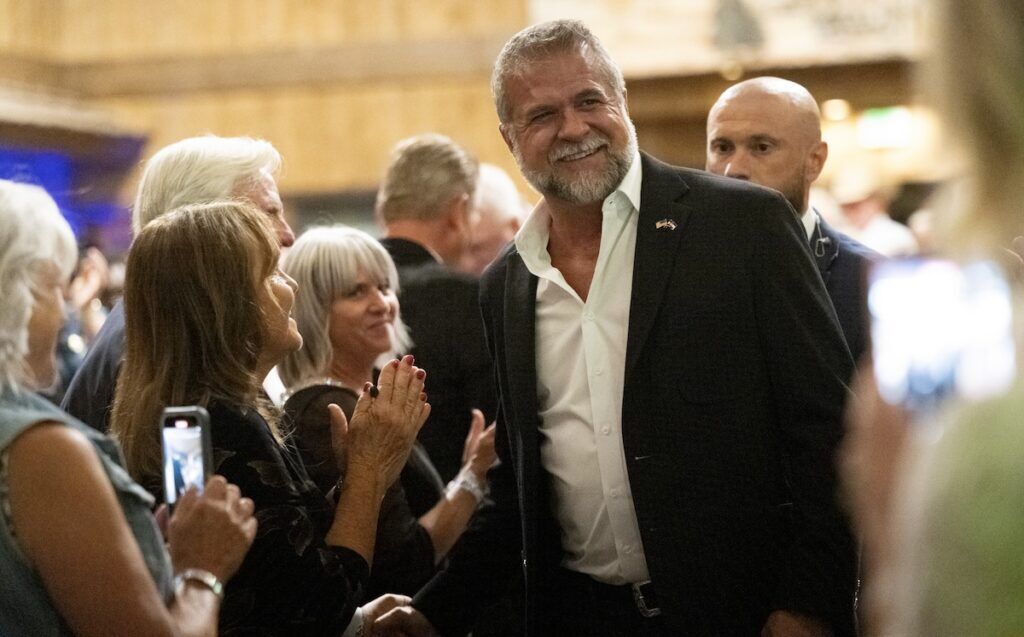
The through line from Donald Trump to Victor Marx | SONDERMANN
By Eric Sondermann
by-eric-sondermann@coloradopolitics.com
Updated 4 days ago
Over 10 years ago, before Donald Trump could ever defeat Hillary Rodham Clinton, he had to first engineer a hostile takeover of the Republican Party. Prior to his descent of that golden escalator, the previous seven Republican presidential nominees had...

Colorado districts prepare for school year amid mental health cuts. But will less cellphone distractions help?
Marissa Ventrelli
marissa.ventrelli@coloradopolitics.com
Updated 3 days ago
The signs of a new school year are everywhere — buses in the shop, teachers unpacking boxes, families ticking through supply lists — but behind the familiar rituals, Colorado districts are preparing for a year defined less by routine than...
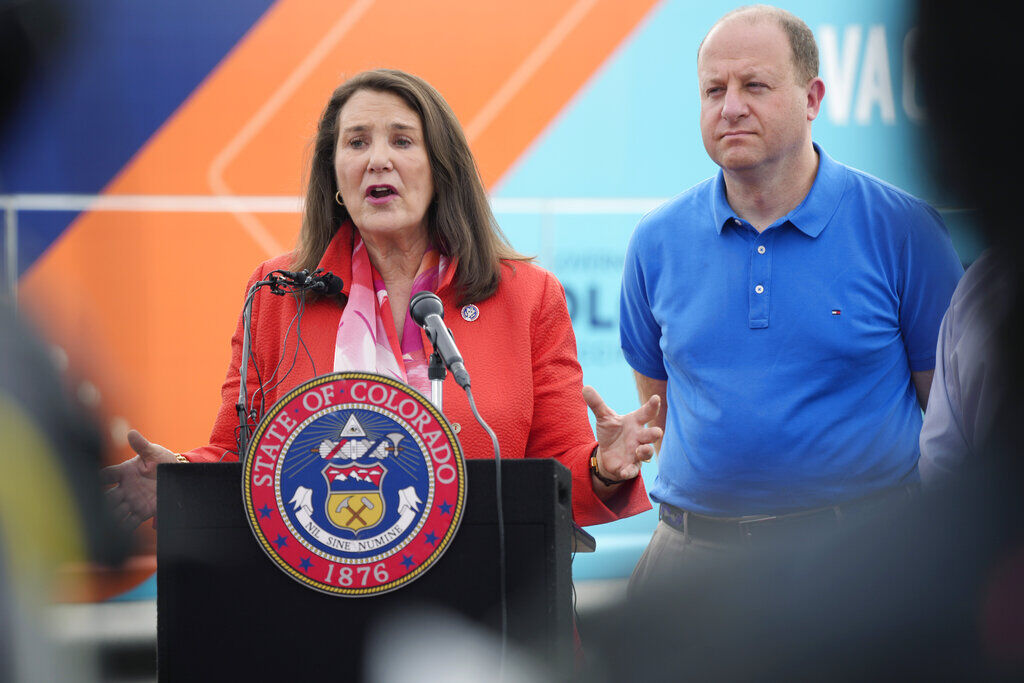
Armstrong staffer considers congressional bid, DeGette angers rural communities with wilderness act | A LOOK BACK
Rachael Wright, Special to Colorado Politics
rachael.wright@coloradopolitics.com
Updated 3 days ago
Forty-five years ago this week: If the lines were drawn just right, Republican Sen. Bill Armstrong stood the chance of losing his office manager, Ruth Fountain. Fountain admitted she was seriously thinking about running for Colorado’s new congressional seat in...
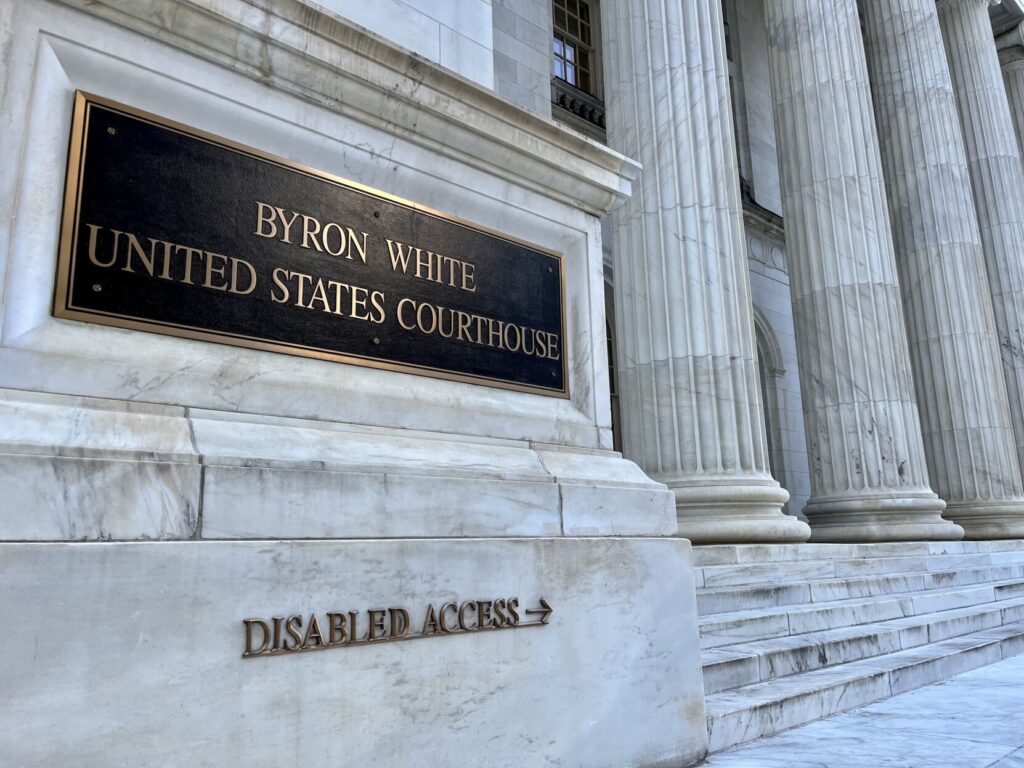
10th Circuit dismisses woman’s lawsuit following 10-year attempt to undo restraining order
Michael Karlik
michael.karlik@coloradopolitics.com
Updated 2 days ago
The Denver-based federal appeals court rejected a woman’s challenge on Friday to a restraining order imposed on her more than a decade ago, finding that she cannot credibly claim she will be prosecuted for violating the restraining order through her...
10th Circuit dismisses woman’s lawsuit following 10-year attempt to undo restraining order
Michael Karlik
michael.karlik@coloradopolitics.com
Updated 2 days ago
The Denver-based federal appeals court rejected a woman’s challenge on Friday to a restraining order imposed on her more than a decade ago, finding that she cannot credibly claim she will be prosecuted for violating the restraining order through her...
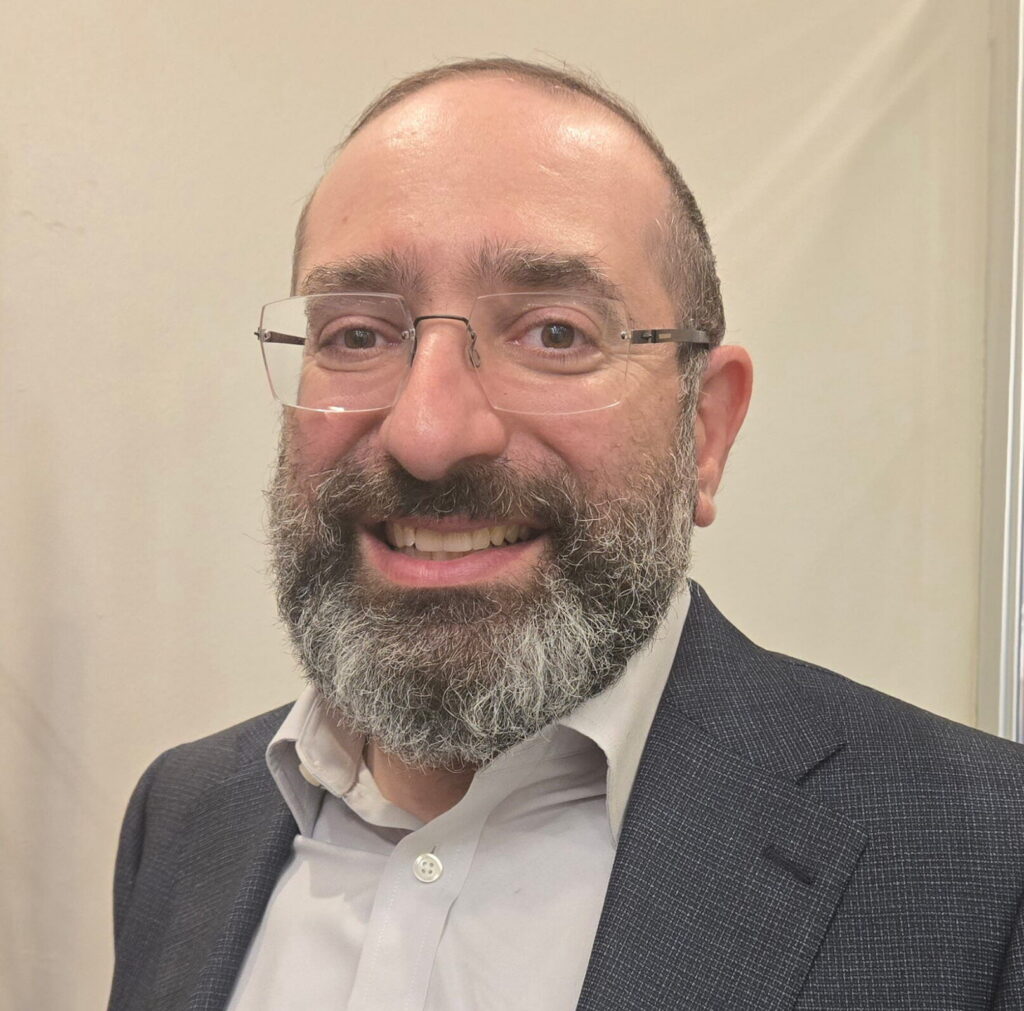
Surprise candidate Shimon Blau cleared to face off against Melat Kiros in November
Ernest Luning
ernest.luning@coloradopolitics.com
Updated 2 days ago
Unaffiliated congressional candidate Shimon Blau, a Denver doctor, has qualified by petition for the general election in Colorado’s 1st District, where Democrat Melat Kiros defeated 15-term U.S. Rep. Diana DeGette in last month’s primary, the Colorado Secretary of State’s Office...

Colorado produce not tied to nationwide cyclospora outbreak, agriculture officials say
Marissa Ventrelli
marissa.ventrelli@coloradopolitics.com
Updated 2 days ago
There is no indication that the recent outbreak of cyclospora, a fecal parasite that has contaminated food and water across nearly every state, can be linked to produce grown in Colorado, according to the state’s Department of Agriculture. “Colorado growers...

UNC opens College of Osteopathic Medicine
Marissa Ventrelli
marissa.ventrelli@coloradopolitics.com
Updated 2 days ago
The University of Northern Colorado held a grand opening for its new College of Osteopathic Medicine on Friday, with Gov. Jared Polis in attendance to celebrate the culmination of a two-year, $127.5 million project. The project was funded through legislation...
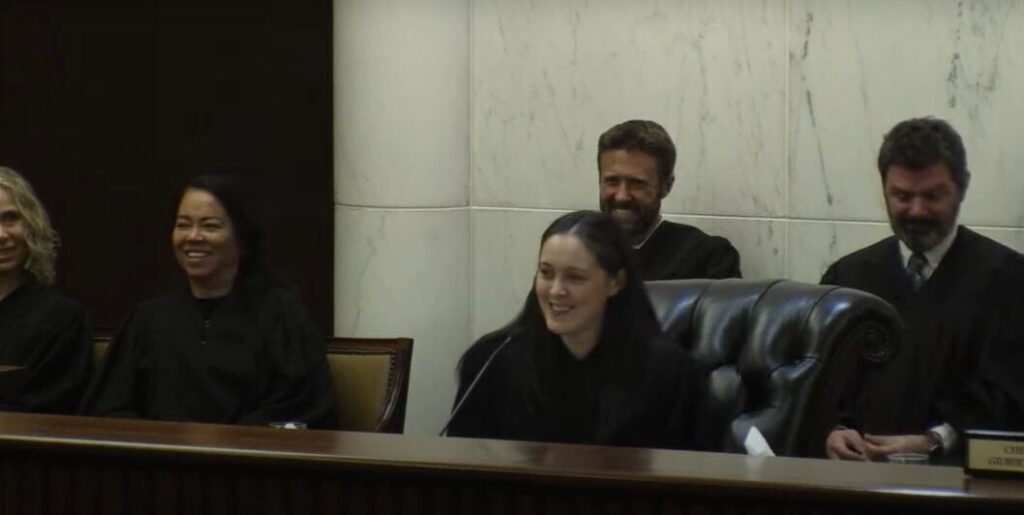
Colorado equal pay law does not require plaintiffs to allege gender-based retaliation, appeals court finds
Michael Karlik
michael.karlik@coloradopolitics.com
Updated 1 day ago
The 2019 Colorado law aimed at rooting out pay discrimination on the basis of sex does not require a plaintiff to allege their employer retaliated against them for sex- or gender-related reasons, the state’s second-highest court decided on Thursday. Lawmakers...