

Prevailing wage for transportation projects dies in legislature
Senate Republicans on Tuesday quickly killed a measure that would have required the Colorado Department of Transportation to consider prevailing wages for public-private projects.
The Democratic-sponsored House Bill 1068 was killed by the Republican-controlled Senate Transportation Committee with few stakeholders signed up to testify after an only eight-minute hearing.
The bill died on a party-line vote.
It says that when CDOT considers bids for public-private partnership projects involving federal dollars, those bids must calculate construction costs using local prevailing wages and benefits.
The aim of the measure was to prevent lowball bids on public-private projects from companies that don’t pay their employees fair wages.
Sen. Dominick Moreno, D-Commerce City, said the purpose of the bill was to “ensure that when taxpayer dollars are spent, we’re actually creating high-quality jobs.”
Sponsors of the bill said the measure would have simply aligned state procurement practices with the federal Davis-Bacon Act.
But Republicans suggested that since there already is federal law on the subject, it is not necessary to pass a separate state law. That sentiment was backed up by CDOT.
“The bill … includes the provision that we pay federal Davis-Bacon prevailing wages on projects that … have federal funds involved. Those are projects that we’re required to pay federal Bacon-Davis wages on today,” CDOT officials told lawmakers.
“This piece of legislation has no bearing on the Department of Transportation,” added Sen. Randy Baumgardner, R-Hot Sulphur Springs.
When the bill was in the House, Republicans lined up to testify against the measure, suggesting that the legislation would reduce the amount of projects local governments would be able to complete.
“Why would you want to reduce those projects and make those dollars not go as far?” asked Rep. Jon Becker, R-Fort Morgan.
But Democrats argued that the bill is necessary to assure that prevailing wages are paid, despite confusing and complicated partnerships.
Rep. Adrienne Benavidez, D-Commerce City, the sponsor of the bill in the House, pointed out, “There is this blurring of lines. Is this a federal project? Is it a state project? Is it a public project?”

Colorado measure redirects sales tax revenue from sporting goods, equipment to conservation programs
The Denver Gazette
the-denver-gazette@coloradopolitics.com
Updated 10 hours ago
A proposal to redirect sales tax revenues from sporting goods and equipment toward wildfire and conservation programs will appear on the ballot this November, election officials in Colorado confirmed. The measure, if approved by voters, would reduce the amount available...

Firefighters’ deaths prompt debate over 100% suppression wildfire strategy
Rachael Wright, Special to Colorado Politics
rachael.wright@coloradopolitics.com
Updated 7 hours ago
On July 22, 2026, the chief of the U.S. Forest Service testified before a House Agriculture subcommittee that his agency pursues a “full suppression” strategy to contain all fires while they are still small, rather than allowing them to burn...

A summertime all-you-can-eat political buffet | SONDERMANN
Eric Sondermann
eric-sondermann@coloradopolitics.com
Updated 5 days ago
We find ourselves in the doldrums of August with a complete dearth of political news. Yeah, right. These days, that train never stops moving. It is a 24/7/365 express amplified by 24/7/365 media. Let me respond with one of my...
GOP worker pleads guilty to campaign funds embezzlement scheme | A LOOK BACK
Rachael Wright, Special to Colorado Politics
rachael.wright@coloradopolitics.com
Updated 5 days ago
Forty-five Years ago this week: After pleading not guilty to a Denver federal grand jury indictment of five counts of bank embezzlement, Eve Lynn Lincoln, a Colorado Republican Party employee, decided to plead guilty to one count: using bank credit...
Schoolchildren’s presence at child sex-related trial did not harm Arapahoe County defendant, appeals court says
Michael Karlik
michael.karlik@coloradopolitics.com
Updated 1 day ago
Colorado’s second-highest court decided on Thursday that the presence of a group of schoolchildren on the first day of a child sexual exploitation trial did not violate an Arapahoe County defendant’s constitutional right to a fair trial. Prosecutors charged Jerry...
Appeals court cites week-old Colorado law to reinstate child neglect case at child, father’s request
Michael Karlik
michael.karlik@coloradopolitics.com
Updated 1 day ago
Colorado’s second-highest court invoked a new state law for the first time on Thursday and reinstated a child neglect case that both the child and her father wished to reopen. House Bill 1227 took effect on Aug. 12, reversing a...
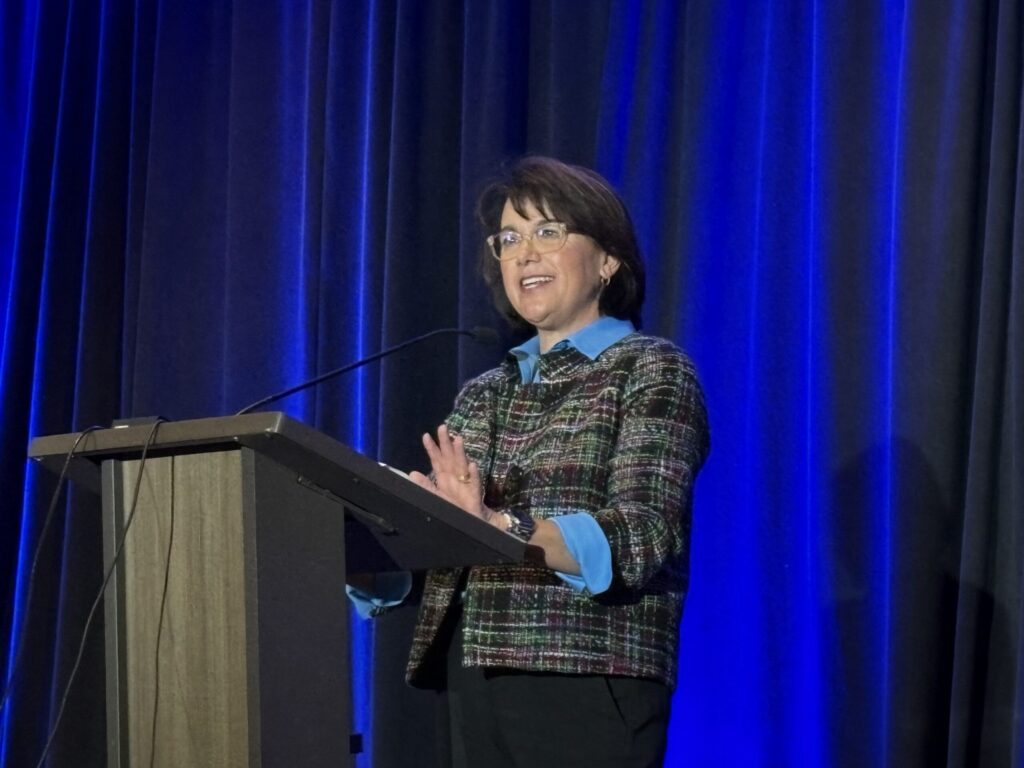
Democratic candidate in Colorado’s 4th CD urges long-term water planning
Marianne Goodland
marianne.goodland@coloradopolitics.com
Updated 1 day ago
The Democrat hoping to become the next representative of Colorado’s 4th Congressional District on Thursday made her case on the final day of Colorado Water Congress in Steamboat Springs. Eileen Laubacher, who spent 34 years in the U.S. Navy and...

Castle Rock council declines to censure member accused of misconduct
Nicholas Fogleman
nicholas.fogleman@denvergazette.com
Updated 2 days ago
A Castle Rock Town Council meeting Tuesday became consumed by allegations that a councilmember attempted to trade a town policy decision for the withdrawal of a recall effort against him. The allegations against Councilmember Mark Davis surfaced during public comment...
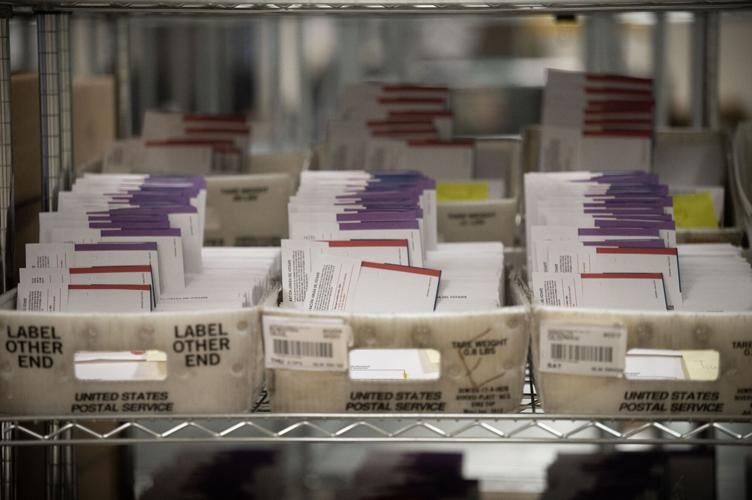
Proposal to cap Colorado income tax rate qualifies for November ballot
Thelma Grimes
thelma.grimes@coloradopolitics.com
Updated 14 hours ago
Election officials on Thursday confirmed that the proposal to cap the state’s income tax at the current rate submitted signatures and voters will consequently decide its fate this November. The fight over tax rates is part of the tug and...
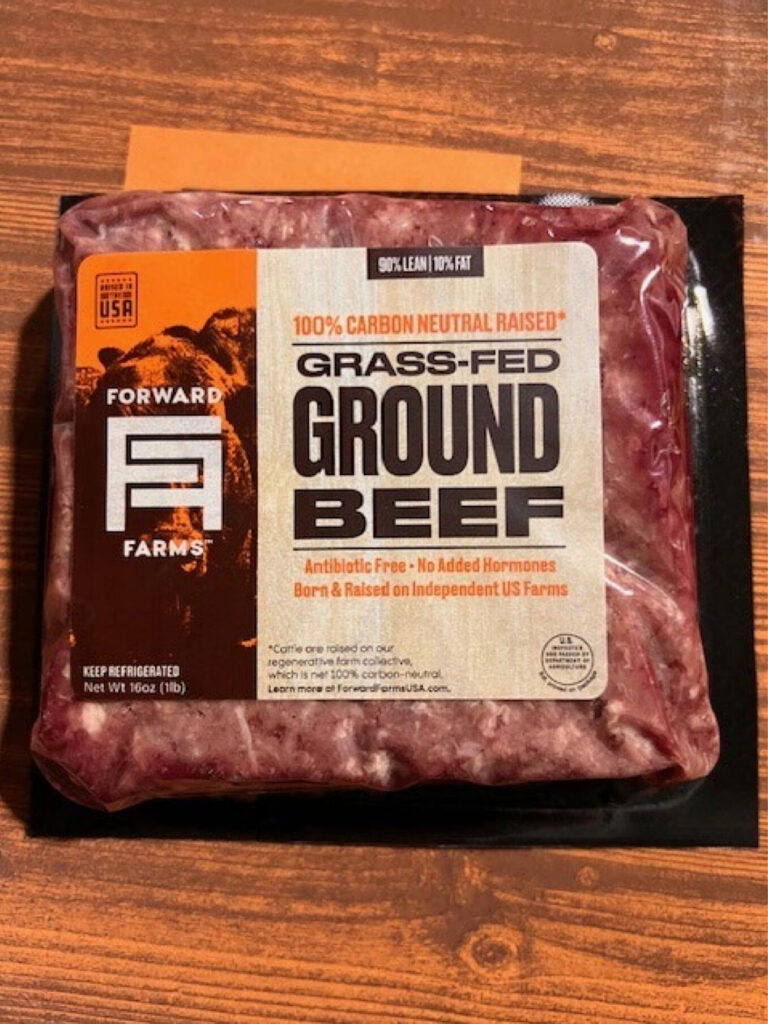
Trump reaches deal to halt tariffs on beef for 90 days in bid to lower prices
Rena Rowe
rena.rowe@washingtonexaminer.com
Updated 2 days ago
President Donald Trump announced Friday that he had reached a deal to temporarily ease tariffs on beef imports, saying the move would help lower prices for families as the United States faces a severe cattle shortage and record-high beef prices....