

Political protests seem at all time high, but do they work?
Protests, email and letter writing campaigns targeted at members of Congress and packed town hall meetings have seemingly become the norm since Donald Trump assumed the presidency. Opposition is nothing new to anyone who’s sat in the Oval Office – or in any elected office for that matter – and tried to carry out new policies and change what seems to be an unchangeable bureaucracy.
Still, the level of that opposition seems more vocal, more amped up than at any time in perhaps decades. Millions marched on Washington, D.C, the day after Trump took the oath of office as the 45th president. Thousands marched in opposition to abortion and hundreds of people have attended town hall meetings in Colorado and other states, voicing opposition to issues such as changing or repealing the Affordable Care Act, Trump’s executive orders related to immigration from certain Muslim-dominated countries and building a wall between the U.S. and Mexico.
There doesn’t seem to be a shortage of issues for Democrats and their supporters to rally against, but a Metropolitan State University associate professor of political science, Robert Preuhs, said a sustained effort is a key to the success of any protest movement.
“It’s a useful method when it lasts, like the Civil Rights and (anti-) Vietnam War movements in the 1960s,” he told The Colorado Statesman in an interview. “But historically, these types of protests turn out to be relatively short because they don’t have the numbers and support to sustain any momentum they might have at the start.”
A cohesive organization is a key to maintaining momentum, especially when there are several different groups involved, Preuhs added.
“Right now what we see is the usual antipathy toward whoever is president was shocked when Trump won the election. The protesting groups feel they can influence the decisions before Congress through an outsider strategy.”
Still, there hasn’t been much evidence of that strategy working. For example, despite a strong campaign against Beverly DeVos as secretary of education, opponents were unable to convince a third Republican to vote against her nomination. Vice-president Mike Pence cast a historic tie-breaking vote in her favor, the first time a presidential nomination was decided that way.
“That highlights the level of partisanship that dominates in the (U.S.) Senate,” Preuhs said. “Protests can usually affect folks who are at the margin of some issue, but they haven’t been a realistic way to change these strong levels of partisanship.”
In Colorado, U.S. Sen. Cory Gardner, R-Yuma, was strongly lobbied to vote against DeVos, but never wavered in his support. Shortly after Trump nominated DeVos, Gardner issued a statement of support. However, Preuhs noted Gardner was critical of Trump’s immigration moves and words of support and admiration for Russian President Vladimir Putin.
The demographics of a Congressional district and state also play a role in how an official responds to protests and lobbying by activist groups, he said.
“People like (U.S. Rep. Doug) Lamborn and (U.S. Rep. Diana) DeGette don’t have as much to worry about,” Preuhs said of Lamborn’s strongly Republican district and DeGette’s Democratic-dominated district. In contrast, Gardner and U.S. Rep. Mike Coffman, R-Aurora, are two Washington officials who might be more likely to listen to opponents, he noted.
Numbers show strong interest
While street protests are the more visible form of opposition, email and letter writing campaigns targeted at members of Congress serve other purposes.
“You can get a sense of intensity when thousands of emails are sent, but that can be discounted by the ease with which those comments can be deferred,” Preuhs said, especially if an opposing group provides email templates to its supporters. Such similarly worded messages are usually tallied up but can be more easily ignored, he said, especially if a Congressional office staffer finds most authors are from outside that Congressional district or state.
“Most elected officials are concerned about how they appear to party leaders and their reelection chances. But if there’s a great number of letters, emails and calls, it at least lets that official know there is a great amount of opposition to an issue.”
Packing town hall meetings is another Tea Party-related tactic, Preuhs said, that can be more effective because it’s face-to-face.
“Nowadays, they’re often videotaped and the risk for protesters is they look more radical or portray themselves as negative. For an official, they can come off as not caring or even kind of running away.”
If such actions become commonplace at several town hall meetings, Preuhs said an official might cancel them out of security concerns as well as not wanting to face repeated criticism.
Even with social media able to whip people into a frenzy over any issue these days, Preuhs added that there still needs to be “mass concern” by citizens.
“If not, then the calls for action on Facebook or whatever just become a ‘protest-of-the-day’ type of thing and they lose their effectiveness. Right now, we’re more polarized as a country than we’ve been for a long time. There’s a lot of hostility out there. So we’ll see.”

Gov. Lamm challenges Congress to stop ‘decontrol’ of natural gas | A LOOK BACK
Rachael Wright, Special to Colorado Politics
rachael.wright@coloradopolitics.com
Updated 2 days ago
Forty-Five Years Ago This Week: In a memo to Colorado’s congressional delegation, Gov. Dick Lamm urged them to vote against the phased pricing deregulation provisions in the Natural Gas Policy Act, a measure introduced in Congress in 1978 and still...
Colorado justices accept appeals on Netflix taxation, children pursuing neglect cases
Michael Karlik
michael.karlik@coloradopolitics.com
Updated 14 hours ago
The Colorado Supreme Court announced on Monday that it will decide whether Netflix subscriptions are subject to the state’s sales tax as “tangible personal property.” At least three of the court’s seven members must agree to hear an appeal. The...
Proposal outlines $300M deal separating Pinnacol from Colorado state government
Marianne Goodland
marianne.goodland@coloradopolitics.com
Updated 14 hours ago
Colorado lawmakers are weighing a proposal that would allow Pinnacol Assurance to sever its remaining ties to the state in exchange for a $300 million payment, a long‑debated shift that supporters say could stabilize the insurer’s future and help plug...
Bill requiring employers to grant unpaid leave to Colorado lawmakers heads to governor’s desk
Marissa Ventrelli
marissa.ventrelli@coloradopolitics.com
Updated 14 hours ago
Colorado lawmakers are one step away from securing guaranteed unpaid leave from their day jobs during the legislative session after the House narrowly approved the proposal Thursday. Senate Bill 087 would require businesses to allow employees who are members of...

Redistricting fight escalates as Colorado Title Board clears competing ballot proposals
Marianne Goodland
marianne.goodland@coloradopolitics.com
Updated 14 hours ago
Colorado’s title board on Wednesday gave final approval to multiple ballot measures related to congressional redistricting, setting up a series of proposals that could alter how the state draws its U.S. House districts for the 2028 and 2030 elections. The...
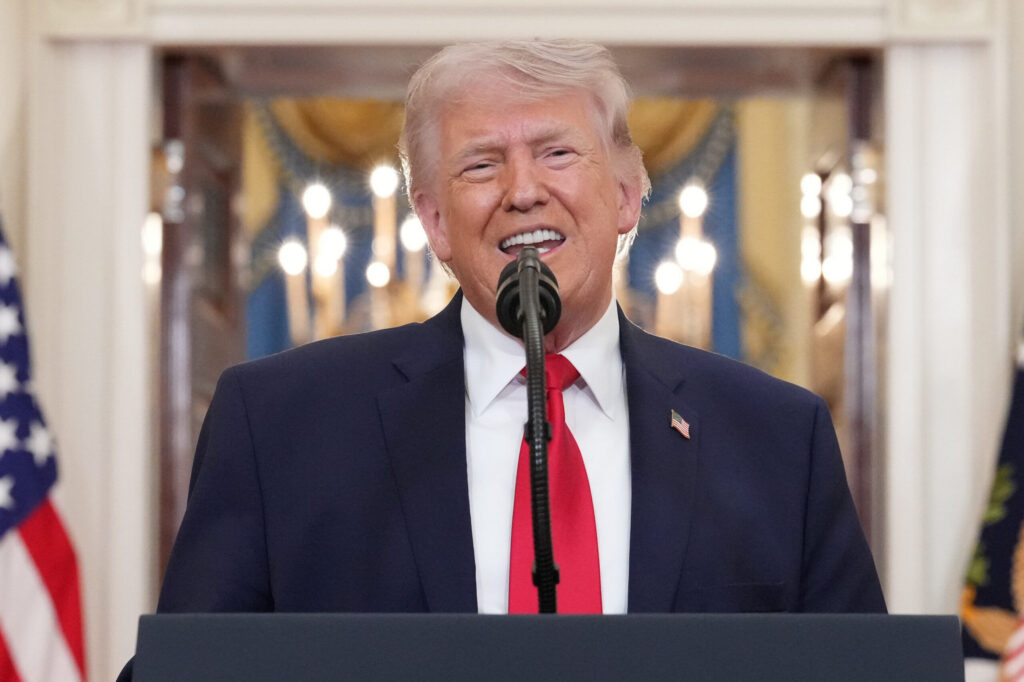
Trump downplays major reform bill and says housing is ‘all about interest rates’
Zach Halaschak, Washington Examiner
zach.halaschak.washington.examiner@gazetteedit.wpenginepowered.com
Updated 16 hours ago
President Donald Trump downplayed the bipartisan housing legislation that many congressional allies hope will ease the affordability worries plaguing voters, saying instead in an exclusive Washington Examiner interview that housing is “all about interest rates.” Trump said on a phone call Thursday morning...
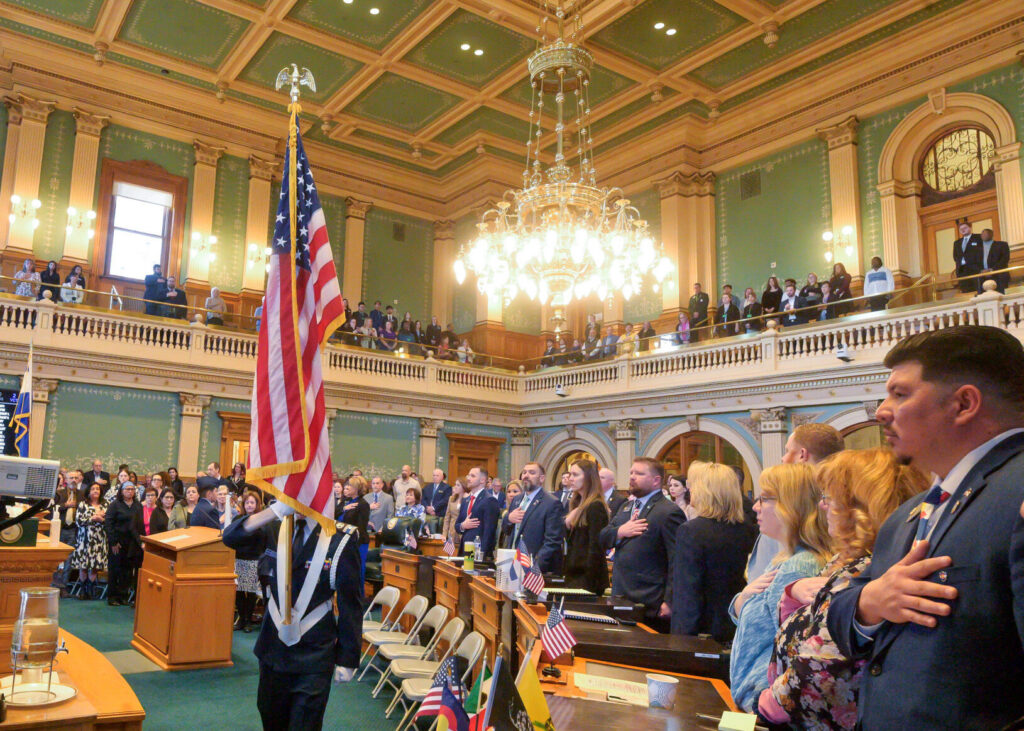
Colorado lawmakers propose deep cuts to close $1.2B budget gap
Marianne Goodland
marianne.goodland@coloradopolitics.com
Updated 13 hours ago
The panel of Colorado legislators in charge of crafting next year’s budget has finalized the 2026–27 spending plan built on deep cuts and one‑time cash transfers in an attempt to close a shortfall of more than $1.2 billion. The plan...
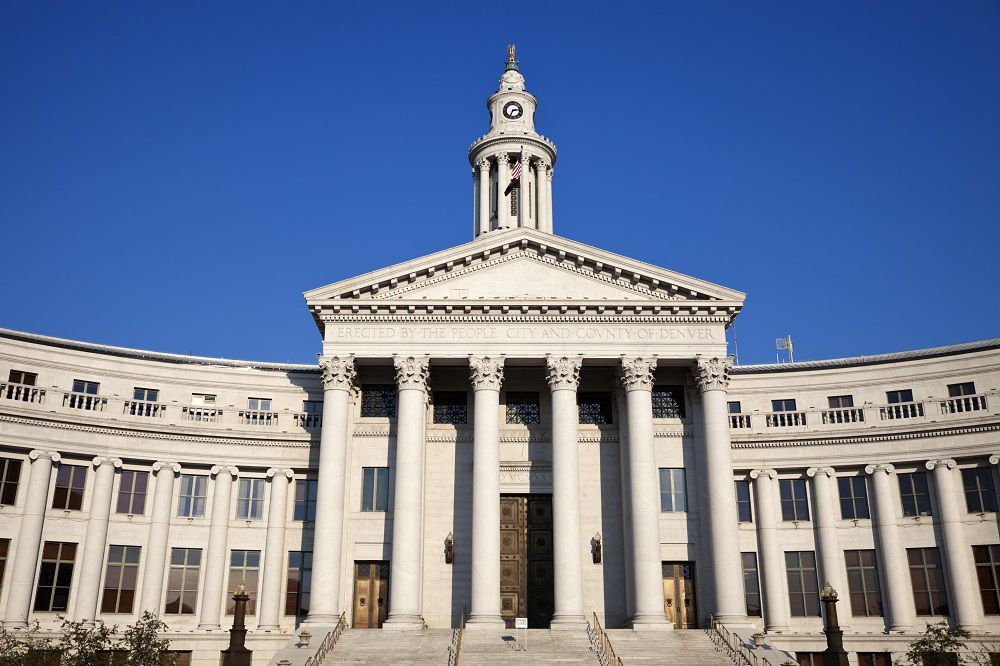
Denver judge denies Gov. Polis request to dismiss ICE-related records case
Marianne Goodland
marianne.goodland@coloradopolitics.com
Updated 17 hours ago
A year after blocking the release of state records to federal immigration agents, a Denver judge has now denied Gov. Jared Polis’ effort to end the lawsuit at the center of the dispute. The lawsuit filed against the governor in...

10th Circuit grants rare all-judges’ review of Colorado banking regulation
Michael Karlik
michael.karlik@coloradopolitics.com
Updated 18 hours ago
The Denver-based federal appeals court announced on Thursday that it will hold a rare all-judges review of a recent decision that permits Colorado to require out-of-state banks to abide by the state’s maximum interest rates when they lend to in-state...
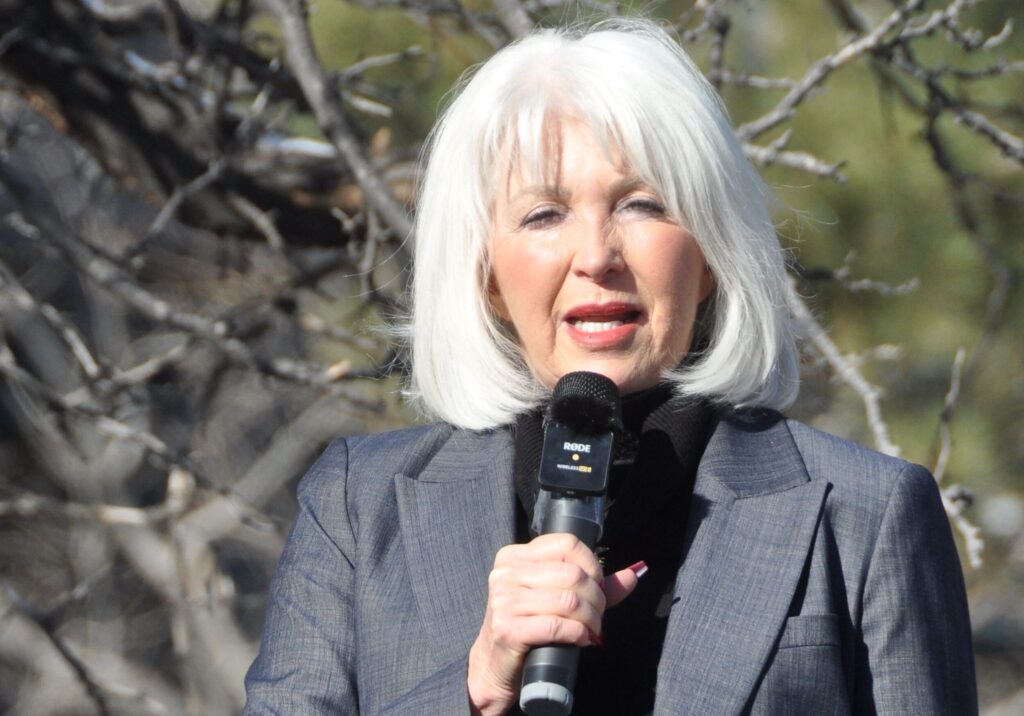
Colorado appeals court orders new sentencing for Tina Peters, upholds convictions
Michael Karlik
michael.karlik@coloradopolitics.com
Updated 13 hours ago
Colorado’s second-highest court determined on Thursday that a trial judge improperly sentenced former Mesa County clerk Tina Peters based upon her exercise of protected speech, while at the same time upholding her convictions. The three-judge Court of Appeals panel also...